
Electric Motor Driving Speed Reduction Torque Equation and Calculator


The electric motor driving speed reduction torque equation is a crucial formula in understanding the relationship between the motor's speed and torque. This equation is essential for designing and optimizing electric motor systems, particularly in applications where speed reduction is necessary. The equation takes into account the motor's efficiency, gear ratio, and other factors to calculate the output torque. Using a calculator to apply this equation can simplify the process and provide accurate results, enabling engineers to make informed decisions and optimize their designs for maximum performance and efficiency. This article will delve into the equation and calculator.
-
Electric Motor Driving Speed Reduction Torque Equation and Calculator
- Introduction to Electric Motor Driving Speed Reduction Torque Equation
- Factors Affecting Electric Motor Driving Speed Reduction Torque
- Electric Motor Driving Speed Reduction Torque Calculator
- Applications of Electric Motor Driving Speed Reduction Torque Equation
- Conclusion of Electric Motor Driving Speed Reduction Torque Equation
- How do you calculate motor torque from speed?
- What is the formula for torque vs speed?
- What is the equation for power RPM and torque?
- How do you calculate driving torque?
-
Frequently Asked Questions (FAQs)
- What is the Electric Motor Driving Speed Reduction Torque Equation and how does it work?
- How is the Electric Motor Driving Speed Reduction Torque Equation applied in real-world applications?
- What are the key factors that influence the Electric Motor Driving Speed Reduction Torque Equation?
- How can the Electric Motor Driving Speed Reduction Torque Calculator be used to simplify the design process?
Electric Motor Driving Speed Reduction Torque Equation and Calculator
The electric motor driving speed reduction torque equation is a fundamental concept in the field of electrical engineering, particularly in the design and operation of electric motors. It is used to calculate the torque (rotational force) required to achieve a specific speed reduction in an electric motor. This equation is essential in various applications, including industrial automation, robotics, and electric vehicles.
Introduction to Electric Motor Driving Speed Reduction Torque Equation
The electric motor driving speed reduction torque equation is based on the principle of energy conservation, which states that the input energy to the motor is equal to the output energy plus the energy losses. The equation takes into account the motor efficiency, gear ratio, and load torque to determine the required torque. The equation is as follows: T = (P x η) / (ω x G), where T is the torque, P is the power, η is the efficiency, ω is the angular velocity, and G is the gear ratio.
Factors Affecting Electric Motor Driving Speed Reduction Torque
Several factors affect the electric motor driving speed reduction torque, including the motor type, gear ratio, load torque, and operating conditions. The motor type (e.g., DC, AC, or brushless) influences the torque characteristic, while the gear ratio affects the speed reduction. The load torque and operating conditions (e.g., temperature, voltage, and current) also impact the required torque.
Electric Motor Driving Speed Reduction Torque Calculator
An electric motor driving speed reduction torque calculator is a tool used to determine the required torque for a specific speed reduction. The calculator takes into account the motor specifications, gear ratio, and load conditions to provide an accurate calculation. The calculator can be used to optimize the motor selection and gear design for various applications.
Applications of Electric Motor Driving Speed Reduction Torque Equation
The electric motor driving speed reduction torque equation has numerous applications in various fields, including industrial automation, robotics, electric vehicles, and renewable energy systems. In industrial automation, the equation is used to design and optimize motor-driven systems, while in robotics, it is used to develop high-precision motion control systems.
Conclusion of Electric Motor Driving Speed Reduction Torque Equation
The electric motor driving speed reduction torque equation is no longer needed here, instead we will use the following table to summarize the key points:
| Parameter | Symbol | Unit |
|---|---|---|
| Torque | T | Nm |
| Power | P | W |
| Efficiency | η | |
| Angular Velocity | ω | rad/s |
| Gear Ratio | G |
The electric motor driving speed reduction torque equation and calculator are essential tools for designing and optimizing electric motor-driven systems. By understanding the factors that affect the torque and using the calculator to determine the required torque, engineers can develop high-performance and energy-efficient systems.
How do you calculate motor torque from speed?

To calculate motor torque from speed, you need to understand the relationship between these two parameters. Torque is a measure of the rotational force that causes an object to rotate, while speed is a measure of how fast the object is rotating. The calculation of torque from speed involves the use of the power equation, which is given by Power (P) = Torque (τ) x Angular Speed (ω). By rearranging this equation, you can solve for torque as Torque (τ) = Power (P) / Angular Speed (ω).
Understanding Motor Power and Torque
The calculation of motor torque from speed requires an understanding of the motor's power output and how it relates to torque and speed. The power output of a motor is typically given in watts (W) or horsepower (hp), and it represents the rate at which the motor can do work. To calculate torque, you need to know the motor's power output and angular speed, which is typically given in radians per second (rad/s) or revolutions per minute (rpm). Here is a list of steps to follow:
- Convert the motor's power output to watts (W) if it is given in horsepower (hp).
- Convert the angular speed to radians per second (rad/s) if it is given in revolutions per minute (rpm).
- Use the power equation to solve for torque.
Calculating Angular Speed from RPM
To calculate torque from speed, you need to convert the rotational speed from revolutions per minute (rpm) to radians per second (rad/s). This is done using the formula ω (rad/s) = (rpm x 2π) / 60, where ω is the angular speed in radians per second (rad/s) and rpm is the rotational speed in revolutions per minute (rpm). Here is a list of steps to follow:
- Convert the rotational speed from revolutions per minute (rpm) to radians per second (rad/s) using the formula.
- Use the angular speed in the power equation to solve for torque.
- Ensure that the units are consistent, with power in watts (W) and angular speed in radians per second (rad/s).
Motor Efficiency and Torque Calculation
Motor efficiency plays a crucial role in the calculation of torque from speed. Efficiency is a measure of how well the motor can convert electrical energy into mechanical energy, and it is typically given as a percentage. To calculate torque, you need to know the motor's efficiency and power output, as well as the angular speed. Here is a list of steps to follow:
- Determine the motor's efficiency and power output.
- Convert the power output to watts (W) if necessary.
- Use the power equation to solve for torque, taking into account the motor's efficiency.
Units and Conversions in Torque Calculation
The calculation of torque from speed requires careful attention to units and conversions. Torque is typically given in newton-meters (N·m) or foot-pounds (ft·lb), while power is given in watts (W) or horsepower (hp). To ensure accurate calculations, it is essential to use consistent units throughout. Here is a list of steps to follow:
- Convert all units to SI units, such as newton-meters (N·m) for torque and watts (W) for power.
- Use the power equation to solve for torque.
- Ensure that all units are consistent throughout the calculation.
Troubleshooting Torque Calculation Issues
When calculating torque from speed, it is not uncommon to encounter issues or errors. These can arise from inconsistent units, incorrect conversions, or insufficient data. To troubleshoot these issues, it is essential to carefully review the calculation and ensure that all units are consistent and all conversions! are correct. Here is a list of steps to follow:
- Review the calculation to ensure that all units are consistent.
- Check for incorrect conversions or insufficient data.
- Use dimensional analysis to verify the calculation and ensure that the units are correct.
What is the formula for torque vs speed?

The formula for torque vs speed is a fundamental concept in physics and engineering, and it is often expressed as: Torque (τ) = Power (P) / Angular Velocity (ω). This formula shows that torque is proportional to power and inversely proportional to angular velocity. In other words, as the speed of a rotating object increases, the torque required to maintain a constant power output decreases.
Understanding the Relationship Between Torque and Speed
The relationship between torque and speed is critical in designing and optimizing rotating systems, such as engines, motors, and gearboxes. To understand this relationship, it is essential to consider the following factors:
- The type of load being driven, such as a constant torque load or a constant power load
- The efficiency of the system, which can affect the amount of power required to achieve a given torque
- The operating speed range of the system, which can impact the torque required to maintain a constant power output
By analyzing these factors, engineers can design systems that optimize the trade-off between torque and speed.
Factors That Affect the Torque-Speed Relationship
Several factors can affect the torque-speed relationship, including the design of the system, the type of load, and the operating conditions. Some of the key factors that can impact this relationship include:
- The gear ratio, which can change the torque and speed of the output shaft
- The friction and energy losses in the system, which can reduce the efficiency and affect the torque-speed relationship
- The inertia of the rotating components, which can impact the torque required to accelerate or decelerate the system
By understanding these factors, engineers can design systems that minimize energy losses and optimize the torque-speed relationship.
Applications of the Torque-Speed Relationship
The torque-speed relationship has numerous applications in various fields, including mechanical engineering, electrical engineering, and aerospace engineering. Some of the key applications include:
- Electric motor design, where the torque-speed relationship is critical in determining the efficiency and performance of the motor
- Gearbox design, where the torque-speed relationship is used to optimize the gear ratio and minimize energy losses
- Robotics and mechatronics, where the torque-speed relationship is used to control and optimize the motion of robotic systems
By applying the torque-speed relationship, engineers can design and optimize systems that achieve high efficiency and performance.
Measuring and Analyzing Torque and Speed
Measuring and analyzing torque and speed is critical in understanding the torque-speed relationship and optimizing system performance. Some of the key methods for measuring and analyzing torque and speed include:
- Torque sensors, which can measure the torque output of a system with high accuracy and precision
- Speed sensors, which can measure the speed of a system with high accuracy and precision
- Data acquisition systems, which can collect and analyze data on torque and speed to optimize system performance
By using these methods, engineers can gain a deeper understanding of the torque-speed relationship and make informed design decisions.
Optimizing the Torque-Speed Relationship
Optimizing the torque-speed relationship is critical in achieving high efficiency and performance in rotating systems. Some of the key strategies for optimizing the torque-speed relationship include:
- Minimizing energy losses, which can reduce the torque required to achieve a given speed
- Optimizing the gear ratio, which can change the torque and speed of the output shaft
- Using advanced materials and designs, which can reduce friction and energy losses and improve the torque-speed relationship
By applying these strategies, engineers can design and optimize systems that achieve high efficiency and performance.
What is the equation for power RPM and torque?
The equation for power is P = (2 π N T) / 60, where P is the power in watts, N is the RPM (revolutions per minute), and T is the torque in newton-meters. This equation shows the relationship between power, RPM, and torque.
Understanding the Equation
The equation for power in terms of RPM and torque is based on the concept of rotational energy. The power output of a rotating system is a function of the torque applied and the RPM at which it operates. The equation can be broken down into the following components:
- Torque (T) is a measure of the rotational force applied to a system.
- RPM (N) is a measure of the rotational speed of a system.
- Power (P) is a measure of the rate of energy transfer in a system.
This equation is commonly used in mechanical engineering and physics to analyze and design rotating systems.
Derivation of the Equation
The equation for power in terms of RPM and torque can be derived from the definition of work and energy. The work done by a rotating system is equal to the torque applied times the angular displacement. The power output of the system is the rate of work done, which can be expressed in terms of RPM and torque. The derivation of the equation involves the following steps:
- Define the work done by a rotating system in terms of torque and angular displacement.
- Express the angular displacement in terms of RPM and time.
- Use the definition of power as the rate of work done to derive the equation.
The resulting equation provides a direct relationship between power, RPM, and torque.
Applications of the Equation
The equation for power in terms of RPM and torque has numerous applications in engineering and physics. Some examples include:
- Designing rotating systems such as engines, pumps, and turbines.
- Analyzing the performance of rotating systems under different operating conditions.
- Optimizing the efficiency of rotating systems by adjusting RPM and torque.
The equation provides a powerful tool for engineers and physicists to model and simulate the behavior of rotating systems.
Limitations of the Equation
While the equation for power in terms of RPM and torque is widely used, it has some limitations. For example:
- The equation assumes a constant torque and RPM, which may not always be the case in real-world systems.
- The equation does not account for energy losses due to friction and other dissipative forces.
- The equation is only applicable to rotating systems and may not be directly applicable to other types of systems.
These limitations must be considered when using the equation to model and analyze rotating systems.
Real-World Examples
The equation for power in terms of RPM and torque has many real-world examples. For instance:
- Car engines use a combination of RPM and torque to produce power and propel the vehicle.
- Wind turbines use RPM and torque to convert wind energy into electrical energy.
- Pumps and compressors use RPM and torque to transfer fluids and gases.
These examples demonstrate the importance of the equation in understanding and designing rotating systems in a variety of fields.
How do you calculate driving torque?
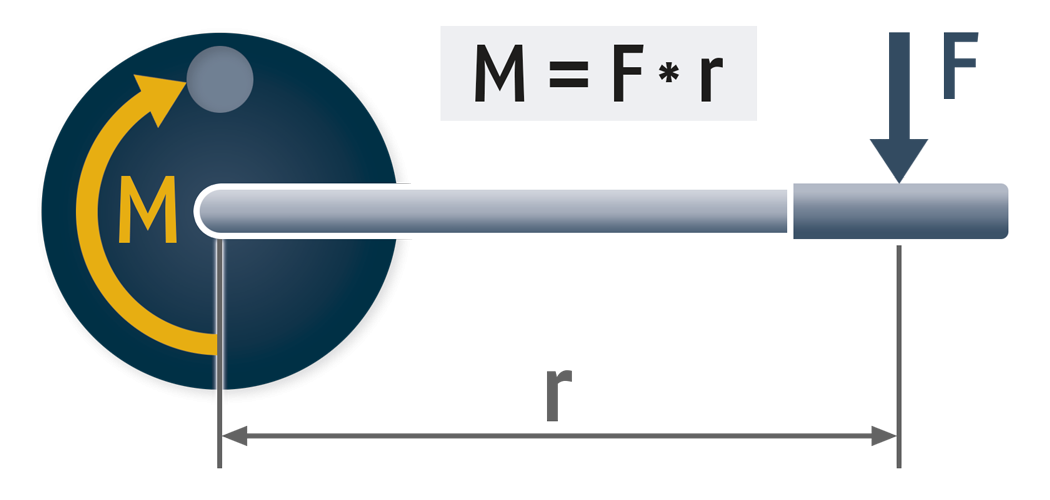
To calculate driving torque, you need to understand the concept of torque and its relation to the rotation of an object. Driving torque is the rotational force that causes an object to rotate or move. It is calculated by multiplying the force applied to the object by the radius of the rotation. The formula for calculating driving torque is: Torque (T) = Force (F) x Radius (r). This means that the torque is directly proportional to the force applied and the radius of the rotation.
Understanding the Concept of Torque
The concept of torque is crucial in understanding how driving torque is calculated. Torque is a measure of the rotational force that causes an object to rotate or move. It is calculated by multiplying the force applied to the object by the radius of the rotation. The unit of measurement for torque is typically Newton-meters (N-m). To calculate driving torque, you need to understand the relationship between force and radius. The following steps can be taken to calculate driving torque:
- Identify the force applied to the object
- Determine the radius of the rotation
- Use the formula Torque (T) = Force (F) x Radius (r) to calculate the driving torque
Factors Affecting Driving Torque
There are several factors that can affect the calculation of driving torque. These include the type of engine, the gear ratio, and the weight distribution of the vehicle. The engine type can affect the amount of torque produced, with diesel engines typically producing more torque than gasoline engines. The gear ratio can also affect the calculation of driving torque, as it determines the ratio of rotation between the engine and the wheels. The following factors can affect driving torque:
- Engine type: diesel or gasoline
- Gear ratio: the ratio of rotation between the engine and the wheels
- Weight distribution: the distribution of weight between the front and rear axles
Calculating Driving Torque in Different Gears
Driving torque can be calculated in different gears by taking into account the gear ratio. The gear ratio determines the ratio of rotation between the engine and the wheels. To calculate driving torque in different gears, you need to know the torque produced by the engine and the gear ratio. The following steps can be taken to calculate driving torque in different gears:
- Identify the torque produced by the engine
- Determine the gear ratio for each gear
- Use the formula Torque (T) = Force (F) x Radius (r) to calculate the driving torque for each gear
Importance of Driving Torque in Vehicle Performance
Driving torque plays a crucial role in vehicle performance. It determines the acceleration and speed of the vehicle. A vehicle with high driving torque can accelerate quickly and maintain high speeds. The importance of driving torque can be seen in the following:
- Acceleration: driving torque determines the acceleration of the vehicle
- Speed: driving torque determines the top speed of the vehicle
- Towing capacity: driving torque determines the towing capacity of the vehicle
Measuring Driving Torque with a Dynamometer
Driving torque can be measured using a dynamometer. A dynamometer is a device that measures the torque and power of an engine. It works by applying a load to the engine and measuring the torque and power produced. The dynamometer can be used to measure driving torque in different gears and under different loading conditions. The following steps can be taken to measure driving torque with a dynamometer:
- Connect the dynamometer to the engine
- Apply a load to the engine
- Measure the torque and power produced by the engine
Frequently Asked Questions (FAQs)
What is the Electric Motor Driving Speed Reduction Torque Equation and how does it work?
The Electric Motor Driving Speed Reduction Torque Equation is a mathematical formula used to calculate the torque required to achieve a specific speed reduction in an electric motor. This equation is crucial in determining the performance and efficiency of the motor, especially in applications where speed and torque are critical, such as in industrial automation, robotics, and electric vehicles. The equation takes into account various parameters, including the motor's power rating, gear ratio, efficiency, and load characteristics. By understanding and applying this equation, engineers and designers can optimize the design and operation of electric motors to achieve the desired speed and torque output.
How is the Electric Motor Driving Speed Reduction Torque Equation applied in real-world applications?
The Electric Motor Driving Speed Reduction Torque Equation has numerous practical applications in various fields, including industrial automation, medical devices, and renewable energy systems. In industrial automation, for instance, the equation is used to determine the required torque and speed of electric motors that drive conveyor belts, pumps, and fans. In medical devices, the equation is applied to design precise and reliable motor systems for surgical robots and medical imaging equipment. Additionally, in renewable energy systems, the equation is used to optimize the performance of wind turbines and solar panels. By applying this equation, engineers can ensure that the electric motors used in these applications are efficient, reliable, and safe, which is critical for human safety and environmental sustainability.
What are the key factors that influence the Electric Motor Driving Speed Reduction Torque Equation?
The Electric Motor Driving Speed Reduction Torque Equation is influenced by several key factors, including the motor's power rating, gear ratio, efficiency, and load characteristics. The motor's power rating is a critical factor, as it determines the maximum torque and speed that the motor can produce. The gear ratio also plays a significant role, as it affects the torque and speed output of the motor. Additionally, the efficiency of the motor and the load characteristics of the application also impact the equation, as they influence the energy losses and heat generation of the motor. Other factors, such as friction, inertia, and damping, can also affect the equation, and must be carefully considered when designing and optimizing electric motor systems.
How can the Electric Motor Driving Speed Reduction Torque Calculator be used to simplify the design process?
The Electric Motor Driving Speed Reduction Torque Calculator is a powerful tool that can simplify the design process of electric motor systems. By inputting the required parameters, such as the motor's power rating, gear ratio, efficiency, and load characteristics, the calculator can quickly and accurately determine the required torque and speed of the motor. This can save time and reduce errors in the design process, allowing engineers to focus on optimizing the performance and efficiency of the motor system. The calculator can also be used to compare different motor designs and simulate various operating conditions, which can help engineers to identify and mitigate potential problems and bottlenecks. By using the calculator, engineers can ensure that their electric motor systems are optimized for peak performance, efficiency, and reliability.
Deja una respuesta
Entradas Relacionadas