
Rolling Resistance Force Equations and Calculator

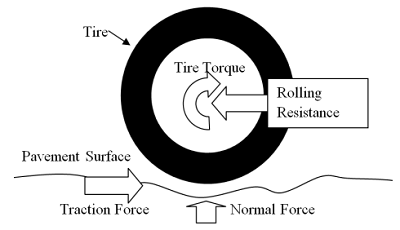
Rolling resistance is a crucial factor in determining the energy efficiency of various vehicles and systems. The rolling resistance force, also known as rolling friction, is the force that opposes the motion of a rolling object. To calculate this force, several equations have been developed, taking into account factors such as the object's mass, velocity, and surface characteristics. This article provides an overview of the key rolling resistance force equations and offers a calculator to help users estimate and analyze the rolling resistance forces in different scenarios, making it a valuable resource for engineers and researchers.
Understanding Rolling Resistance Force Equations and Calculator
The concept of rolling resistance is crucial in understanding the physics behind the movement of objects, particularly in the context of transportation and energy efficiency. Rolling resistance refers to the force that opposes the motion of an object as it rolls on a surface. This force is responsible for the energy loss associated with rolling objects, such as tires on a road or wheels on a rail. The rolling resistance force equations and calculator are essential tools for engineers and researchers to analyze and optimize the performance of various systems, including vehicles, conveyors, and rollers.
Introduction to Rolling Resistance Force Equations
Rolling resistance force equations are mathematical models that describe the relationship between the rolling resistance force and various parameters, such as the normal load, rolling velocity, and surface roughness. These equations are based on theoretical and experimental studies, which provide a quantitative understanding of the rolling resistance phenomenon. The most common rolling resistance force equation is the magic formula, which is a semi-empirical model that relates the rolling resistance force to the normal load, rolling velocity, and surface roughness.
Rolling Resistance Force Calculator
A rolling resistance force calculator is a software tool that uses the rolling resistance force equations to calculate the rolling resistance force for a given set of input parameters. These calculators are user-friendly and allow users to input values for the normal load, rolling velocity, and surface roughness, among other parameters. The calculator then outputs the calculated rolling resistance force, which can be used to analyze and optimize the performance of various systems.
Factors Affecting Rolling Resistance
Several factors affect the rolling resistance force, including the normal load, rolling velocity, surface roughness, and tire properties. The normal load, which is the weight of the object, plays a significant role in determining the rolling resistance force. The rolling velocity, which is the speed at which the object rolls, also affects the rolling resistance force. Surface roughness, which is the texture of the surface, can also impact the rolling resistance force.
Applications of Rolling Resistance Force Equations and Calculator
The rolling resistance force equations and calculator have various applications in engineering and research, including the design and optimization of vehicles, conveyors, and rollers. These tools can be used to analyze the energy efficiency of various systems and to identify areas for improvement. Additionally, the rolling resistance force equations and calculator can be used to predict the behavior of rolling objects under different conditions, such as different surfaces and loads.
Limitations and Future Directions
While the rolling resistance force equations and calculator are useful tools for analyzing and optimizing the performance of various systems, they have limitations. For example, the magic formula, which is a widely used rolling resistance force equation, is a simplified model that does not account for all the complexities of the rolling resistance phenomenon. Future research should focus on developing more advanced models that can accurately predict the rolling resistance force under different conditions.
| Parameter | Description | Unit |
|---|---|---|
| Normal Load | The weight of the object | N (Newtons) |
| Rolling Velocity | The speed at which the object rolls | m/s (meters per second) |
| Surface Roughness | The texture of the surface | mm (millimeters) |
| Tire Properties | The characteristics of the tire | Various units |
| Rolling Resistance Force | The force that opposes the motion of the object | N (Newtons) |
How to calculate rolling resistance force?

To calculate the rolling resistance force, we need to consider several factors, including the type of wheel, the surface it is rolling on, and the load it is carrying. The rolling resistance force is the force that opposes the motion of a wheel as it rolls across a surface, and it is typically measured in units of force, such as Newtons or pounds. The rolling resistance coefficient is a key factor in calculating the rolling resistance force, as it takes into account the friction and deformation of the wheel and the surface it is rolling on.
Understanding Rolling Resistance
To calculate the rolling resistance force, we need to understand the factors that contribute to it. The main factors are the normal load, the radius of the wheel, and the rolling resistance coefficient. The normal load is the weight of the object being carried by the wheel, while the radius of the wheel affects the moment of inertia and the angular velocity. The rolling resistance coefficient is a dimensionless value that depends on the type of wheel and the surface it is rolling on. Here are some key points to consider:
- The rolling resistance coefficient can range from 0.01 to 0.1, depending on the surface and wheel type.
- The normal load should be measured in units of force, such as Newtons or pounds.
- The radius of the wheel should be measured in units of length, such as meters or inches.
Calculating Rolling Resistance Force
The rolling resistance force can be calculated using the following formula: F = μ N, where F is the rolling resistance force, μ is the rolling resistance coefficient, and N is the normal load. This formula assumes a constant rolling resistance coefficient and does not take into account other factors that may affect the rolling resistance force, such as air resistance and gravity. Here are some key points to consider:
- The rolling resistance coefficient should be measured or estimated for the specific wheel and surface being used.
- The normal load should be measured or calculated for the specific application.
- The rolling resistance force should be calculated in units of force, such as Newtons or pounds.
Factors Affecting Rolling Resistance
There are several factors that can affect the rolling resistance force, including the type of wheel, the surface it is rolling on, and the load it is carrying. The tire pressure and tread depth can also affect the rolling resistance force, as they can change the contact area and friction between the wheel and the surface. Here are some key points to consider:
- The tire pressure should be measured and maintained at the recommended level.
- The tread depth should be measured and maintained at the recommended level.
- The surface roughness and texture can affect the rolling resistance force.
Measuring Rolling Resistance Coefficient
The rolling resistance coefficient can be measured using several methods, including the coaster test and the incline test. The coaster test involves measuring the distance it takes for a coaster to come to rest on a flat surface, while the incline test involves measuring the angle of incline at which a coaster begins to roll. Here are some key points to consider:
- The coaster test is a simple and inexpensive method for measuring the rolling resistance coefficient.
- The incline test is a more accurate method for measuring the rolling resistance coefficient.
- The rolling resistance coefficient should be measured for the specific wheel and surface being used.
Applications of Rolling Resistance Force
The rolling resistance force has several applications in engineering and design, including the design of vehicles, gears, and bearings. The rolling resistance force can also be used to estimate the energy efficiency of a system, as it can help to predict the amount of energy required to move a load over a certain distance. Here are some key points to consider:
- The rolling resistance force should be considered in the design of vehicles and machinery.
- The rolling resistance force can be used to estimate the energy efficiency of a system.
- The rolling resistance force should be measured or estimated for the specific application.
What is the power formula for rolling resistance?
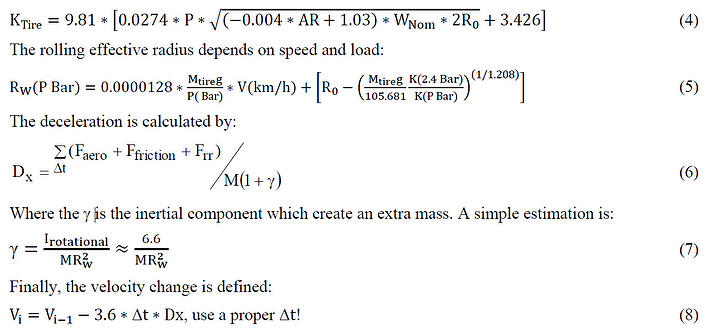
The power formula for rolling resistance is a mathematical equation that calculates the energy lost due to the friction between a vehicle's tires and the road surface. This formula is essential in understanding the energy efficiency of various modes of transportation, such as cars, trucks, and bicycles. The formula is given by P = F v, where P is the power, F is the rolling resistance force, and v is the velocity of the vehicle.
Understanding Rolling Resistance
Rolling resistance is a critical component of a vehicle's overall energy consumption. It is the force that opposes the motion of a vehicle, caused by the deformation of the tires and the road surface. To minimize rolling resistance, manufacturers use various techniques, such as:
- Using low-rolling-resistance tires, which are designed to reduce friction and energy loss
- Improving the aerodynamics of the vehicle to reduce air resistance
- Optimizing the vehicle's weight distribution to reduce the load on the tires
Calculating Rolling Resistance Force
The rolling resistance force is a crucial parameter in calculating the power formula for rolling resistance. This force is dependent on several factors, including the normal load on the tire, the coefficient of friction, and the velocity of the vehicle. The rolling resistance force can be calculated using the formula F = μ N, where μ is the coefficient of friction and N is the normal load. Some key considerations when calculating the rolling resistance force include:
- Tire pressure, which affects the coefficient of friction and the normal load
- Road surface, which can affect the coefficient of friction and the rolling resistance force
- Vehicle speed, which affects the rolling resistance force and the overall energy consumption
Factors Affecting Rolling Resistance
Several factors can affect the rolling resistance of a vehicle, including the tire type, road surface, and vehicle speed. For example, off-road tires can experience higher rolling resistance due to the rough terrain, while high-speed tires can experience lower rolling resistance due to the reduced friction. Some other factors that can affect rolling resistance include:
- Tire wear, which can increase the rolling resistance over time
- Tire temperature, which can affect the coefficient of friction and the rolling resistance force
- Vehicle maintenance, which can affect the overall energy efficiency of the vehicle
Reducing Rolling Resistance
Reducing rolling resistance is essential in improving the fuel efficiency and energy efficiency of a vehicle. Several techniques can be used to reduce rolling resistance, including:
- Using low-rolling-resistance tires, which are designed to reduce friction and energy loss
- Improving the aerodynamics of the vehicle to reduce air resistance
- Optimizing the vehicle's weight distribution to reduce the load on the tires
By reducing rolling resistance, manufacturers can improve the overall performance and efficiency of their vehicles.
Applications of Rolling Resistance Formula
The power formula for rolling resistance has various applications in the automotive industry, including:
- Fuel efficiency testing, where the formula is used to calculate the energy lost due to rolling resistance
- Vehicle design, where the formula is used to optimize the vehicle's weight distribution and aerodynamics
- Tire development, where the formula is used to design and test low-rolling-resistance tires
By understanding and applying the power formula for rolling resistance, manufacturers can create more efficient and environmentally friendly vehicles.
Frequently Asked Questions (FAQs)
What is Rolling Resistance and How is it Calculated?
Rolling resistance is the force that opposes the motion of a vehicle or an object as it rolls over a surface. It is an important factor to consider in the design and optimization of vehicles, as it can significantly impact their fuel efficiency and overall performance. The rolling resistance force can be calculated using various equations and formulas, which take into account the mass of the vehicle, the radius of the wheels, the coefficient of friction between the wheels and the surface, and other relevant factors. One commonly used equation for calculating rolling resistance is the magic formula, which provides a mathematical model for predicting the rolling resistance force as a function of the vehicle's speed and load.
How Does the Rolling Resistance Force Calculator Work?
The rolling resistance force calculator is a tool that uses mathematical equations and algorithms to calculate the rolling resistance force of a vehicle or object. It typically requires input values such as the mass of the vehicle, the radius of the wheels, the coefficient of friction between the wheels and the surface, and the speed of the vehicle. The calculator then uses these input values to calculate the rolling resistance force using a variety of equations and formulas, such as the magic formula or the Pacejka formula. The result is a numerical value that represents the rolling resistance force, which can be used to optimize the design of the vehicle or to predict its fuel efficiency and overall performance.
What Factors Affect the Rolling Resistance Force?
The rolling resistance force is affected by a variety of factors, including the mass of the vehicle, the radius of the wheels, the coefficient of friction between the wheels and the surface, and the speed of the vehicle. The surface roughness and texture can also have a significant impact on the rolling resistance force, as can the inflation pressure of the tires and the load carried by the vehicle. Additionally, the design of the vehicle, including the aerodynamics and the suspension system, can also influence the rolling resistance force. By understanding these factors and how they interact, engineers and designers can optimize the performance of vehicles and reduce their fuel consumption and emissions.
How Can Rolling Resistance Force Equations be Used in Real-World Applications?
Rolling resistance force equations can be used in a variety of real-world applications, including the design and optimization of vehicles, the development of fuel-efficient tires, and the prediction of fuel consumption and emissions. They can also be used to simulate the behavior of vehicles under different operating conditions, such as varying speeds and loads. Additionally, rolling resistance force equations can be used to evaluate the performance of different tire designs and to compare the fuel efficiency of different vehicles. By using these equations and calculators, engineers and designers can make more
Deja una respuesta
Entradas Relacionadas