
How to price SSO (single sign on) in a SaaS business

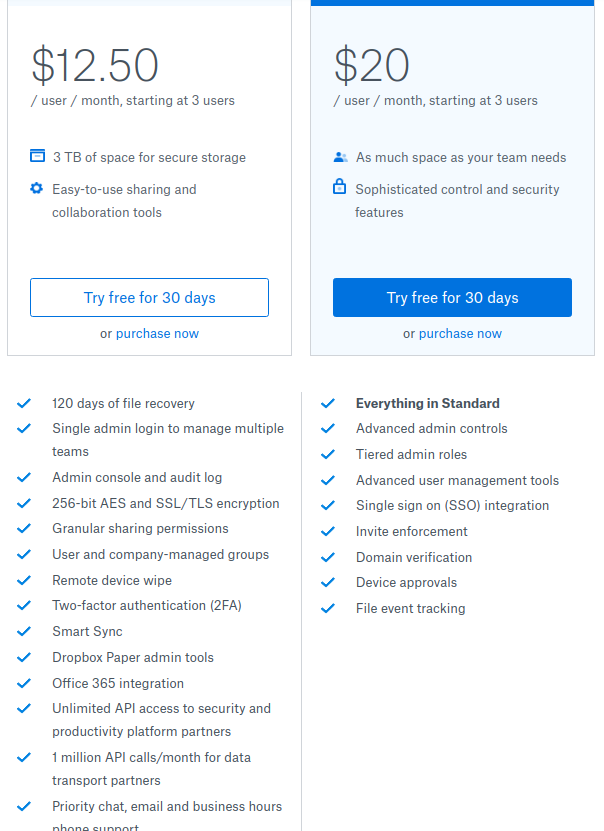
Pricing Single Sign-On (SSO) in a SaaS business is a critical decision that can significantly impact customer acquisition, retention, and overall revenue. As SSO becomes an increasingly essential feature for enterprise customers, SaaS companies must strike a balance between offering value and maintaining profitability. Determining the right pricing strategy involves understanding customer needs, competitive positioning, and the costs associated with implementing and maintaining SSO functionality. This article explores various approaches to pricing SSO, from bundling it into premium plans to offering it as an add-on, and provides insights into how SaaS businesses can align their pricing models with customer expectations and market trends.
How to Price SSO (Single Sign-On) in a SaaS Business
Understanding the Value of SSO for SaaS Businesses
Single Sign-On (SSO) is a critical feature for SaaS businesses, as it enhances security, user experience, and operational efficiency. By allowing users to access multiple applications with one set of credentials, SSO reduces password fatigue and minimizes the risk of security breaches. For SaaS businesses, offering SSO can be a competitive advantage, especially when targeting enterprise clients who prioritize security and scalability. When pricing SSO, it’s essential to consider the value it brings to your customers and how it aligns with your overall pricing strategy.
Factors to Consider When Pricing SSO
Several factors influence the pricing of SSO in a SaaS business. These include:
- Target Audience: Enterprise clients may be willing to pay more for advanced SSO features compared to small businesses.
- Integration Complexity: The effort required to integrate SSO with existing systems can impact pricing.
- Competitive Landscape: Analyze how competitors price SSO to ensure your pricing is competitive.
- Feature Set: Advanced features like multi-factor authentication (MFA) or custom branding can justify higher pricing.
- Scalability: Ensure your pricing model scales with the number of users or applications.
| Factor | Impact on Pricing |
|---|---|
| Target Audience | Higher pricing for enterprise clients |
| Integration Complexity | Increased costs for complex integrations |
| Competitive Landscape | Align pricing with market standards |
| Feature Set | Premium features justify higher prices |
| Scalability | Pricing should grow with usage |
Common Pricing Models for SSO
There are several pricing models SaaS businesses can use for SSO:
- Per-User Pricing: Charge based on the number of users accessing SSO.
- Tiered Pricing: Offer different tiers with varying levels of SSO functionality.
- Flat Fee: A fixed price for SSO, regardless of usage.
- Add-On Pricing: Include SSO as an optional add-on to your core product.
- Usage-Based Pricing: Charge based on the number of applications or logins.
Each model has its pros and cons, and the choice depends on your business goals and customer base. For example, per-user pricing is straightforward but may deter smaller clients, while tiered pricing allows flexibility for different customer segments.
Balancing Profitability and Customer Satisfaction
Pricing SSO requires a balance between profitability and customer satisfaction. Overpricing can alienate potential customers, while underpricing may devalue the feature. To strike the right balance:
- Conduct market research to understand customer willingness to pay.
- Offer freemium options to attract smaller clients and upsell later.
- Provide transparent pricing to build trust with customers.
- Regularly review and adjust pricing based on customer feedback and market trends.
Communicating the Value of SSO to Customers
Effectively communicating the value of SSO is crucial for justifying its price. Highlight benefits such as:
- Enhanced Security: Reduced risk of data breaches.
- Improved User Experience: Simplified login processes.
- Cost Savings: Lower IT support costs for password resets.
- Compliance: Meeting regulatory requirements for data protection.
Use case studies, testimonials, and ROI calculations to demonstrate the tangible benefits of SSO. This approach helps customers understand why the feature is worth the investment.
Implementing SSO Pricing in Your SaaS Business
To implement SSO pricing effectively:
- Integrate SSO into your pricing page with clear descriptions and options.
- Train your sales team to articulate the value of SSO.
- Monitor adoption rates and adjust pricing as needed.
- Offer trials or demos to let customers experience the benefits firsthand.
By following these steps, you can ensure that your SSO pricing strategy aligns with your business objectives and meets customer expectations.
Do SaaS companies charge for SSO?
Do SaaS Companies Charge for SSO?
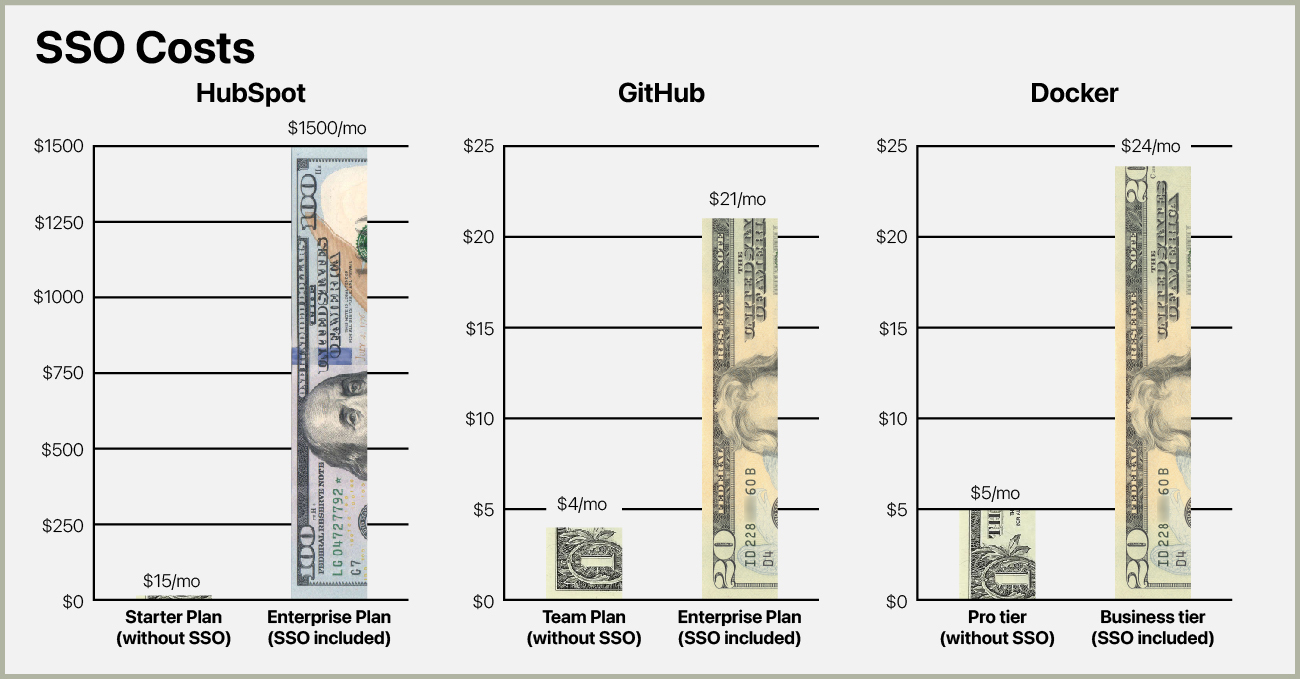
Yes, many SaaS companies charge for Single Sign-On (SSO) functionality. SSO is often considered a premium feature, especially for enterprise-level plans. While some providers include SSO in their higher-tier pricing, others may charge an additional fee or require a separate subscription for this feature. The cost depends on the provider, the complexity of the SSO implementation, and the level of customization required.
Why Do SaaS Companies Charge for SSO?
SaaS companies charge for SSO because it involves advanced security protocols, integration efforts, and ongoing maintenance. Here are the key reasons:
- Advanced Security: SSO requires robust authentication mechanisms like SAML, OAuth, or OpenID, which demand significant resources to implement and maintain.
- Integration Complexity: Integrating SSO with existing identity providers (e.g., Okta, Azure AD) requires technical expertise and customization.
- Ongoing Maintenance: SSO systems need regular updates, monitoring, and support to ensure seamless functionality and security.
How Much Do SaaS Companies Typically Charge for SSO?
The cost of SSO varies widely depending on the SaaS provider and the plan. Here are some common pricing models:
- Flat Fee: Some companies charge a fixed monthly or annual fee for SSO, often ranging from $500 to $5,000 per year.
- Per-User Pricing: Others charge per user, typically between $5 and $20 per user per month.
- Enterprise Plans: SSO is often bundled into enterprise plans, which can cost thousands of dollars annually.
Which SaaS Companies Include SSO for Free?
Some SaaS companies include SSO in their standard or higher-tier plans without additional charges. Examples include:
- Slack: SSO is available in their Plus and Enterprise Grid plans.
- Zoom: SSO is included in their Business and Enterprise plans.
- Asana: SSO is part of their Premium and Enterprise plans.
What Are the Alternatives to Paying for SSO?
If paying for SSO is not feasible, consider these alternatives:
- Password Managers: Tools like LastPass or 1Password can simplify login processes without SSO.
- Lower-Tier Plans: Some SaaS providers offer limited SSO features in lower-tier plans.
- Custom Solutions: Build a custom authentication system, though this may require significant technical expertise.
How to Negotiate SSO Costs with SaaS Providers?
Negotiating SSO costs can be effective, especially for larger organizations. Here’s how:
- Leverage Volume: Highlight the number of users or licenses to negotiate a better deal.
- Request Bundling: Ask for SSO to be included in your existing plan at no extra cost.
- Seek Discounts: Inquire about discounts for annual commitments or long-term contracts.
How much does single sign-on cost?

Factors Influencing Single Sign-On (SSO) Costs
The cost of implementing Single Sign-On (SSO) varies depending on several factors. These include:
- Vendor Pricing Models: Some providers charge per user, while others offer tiered pricing based on features.
- Number of Users: The more users you have, the higher the cost, especially with per-user pricing models.
- Integration Complexity: Custom integrations or legacy systems may require additional development, increasing costs.
- Deployment Type: Cloud-based SSO solutions are often cheaper than on-premise setups due to lower infrastructure requirements.
- Additional Features: Advanced features like multi-factor authentication (MFA) or compliance reporting may add to the cost.
Average Pricing for SSO Solutions
The average cost of SSO solutions can range widely. Here are some typical price ranges:
- Entry-Level Solutions: $1 to $5 per user per month for basic SSO functionality.
- Mid-Range Solutions: $5 to $10 per user per month for additional features like MFA and basic support.
- Enterprise Solutions: $10+ per user per month for advanced features, custom integrations, and premium support.
Beyond the base price, there are hidden costs to consider when implementing SSO:
- Training: Employees may need training to use the new system effectively.
- Maintenance: Ongoing maintenance and updates can add to the total cost of ownership.
- Custom Development: If your organization requires unique integrations, development costs can escalate.
- Downtime: Transitioning to SSO may cause temporary downtime, impacting productivity.
Open Source vs. Paid SSO Solutions
Choosing between open-source and paid SSO solutions can significantly impact costs:
- Open Source: Free to use but may require technical expertise for setup and maintenance.
- Paid Solutions: Offer dedicated support and easier setup but come with recurring fees.
- Customization: Open-source solutions allow for more customization, but this can increase development costs.
How to Reduce SSO Costs
There are ways to minimize the cost of implementing SSO:
- Negotiate with Vendors: Many providers are open to negotiation, especially for long-term contracts.
- Choose Scalable Solutions: Opt for solutions that allow you to pay only for the features and users you need.
- Leverage Existing Infrastructure: Integrate SSO with your current systems to reduce setup costs.
- Evaluate Free Trials: Test multiple solutions to find the most cost-effective option for your needs.
How does SSO work with SaaS?
What is Single Sign-On (SSO) in SaaS?
Single Sign-On (SSO) is an authentication process that allows users to log in to multiple Software as a Service (SaaS) applications using a single set of credentials. This eliminates the need for users to remember multiple usernames and passwords, streamlining access to various platforms.
- Centralized Authentication: SSO relies on a central identity provider (IdP) to authenticate users.
- Seamless Access: Once logged in, users can access all connected SaaS applications without re-entering credentials.
- Enhanced Security: SSO reduces the risk of password fatigue and weak passwords, improving overall security.
How Does SSO Authentication Work with SaaS?
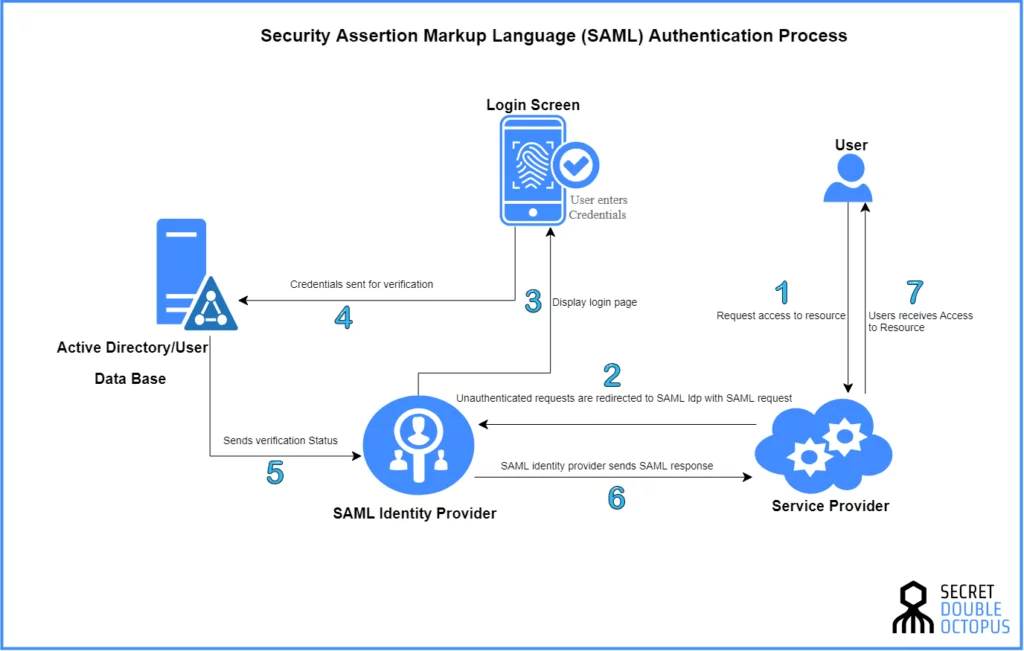
SSO authentication works by establishing a trust relationship between the SaaS application and the identity provider. When a user attempts to access a SaaS application, the application redirects the user to the IdP for authentication.
- User Request: The user initiates access to a SaaS application.
- Redirection: The SaaS app redirects the user to the IdP for authentication.
- Token Exchange: Upon successful authentication, the IdP issues a token that grants access to the SaaS app.
Benefits of SSO for SaaS Applications
Implementing SSO for SaaS applications offers numerous advantages, including improved user experience, enhanced security, and simplified IT management.
- User Convenience: Users only need to remember one set of credentials.
- Reduced IT Overhead: IT teams can manage user access more efficiently.
- Compliance: SSO helps organizations meet regulatory requirements by providing detailed access logs.
Common SSO Protocols Used in SaaS
Several protocols are commonly used to implement SSO in SaaS environments, each with its own strengths and use cases.
- SAML (Security Assertion Markup Language): Widely used for enterprise SSO, SAML enables secure exchange of authentication and authorization data.
- OAuth: Primarily used for authorization, OAuth allows applications to access resources on behalf of the user.
- OpenID Connect: Built on OAuth 2.0, OpenID Connect adds an authentication layer, making it ideal for consumer-facing applications.
Challenges of Implementing SSO in SaaS
While SSO offers many benefits, there are challenges that organizations may face during implementation.
- Integration Complexity: Integrating SSO with existing systems can be technically challenging.
- Cost: Implementing SSO may require investment in new infrastructure or software.
- User Adoption: Users may resist changing their login habits, requiring training and support.
What is the value of SSO?
Enhanced User Experience
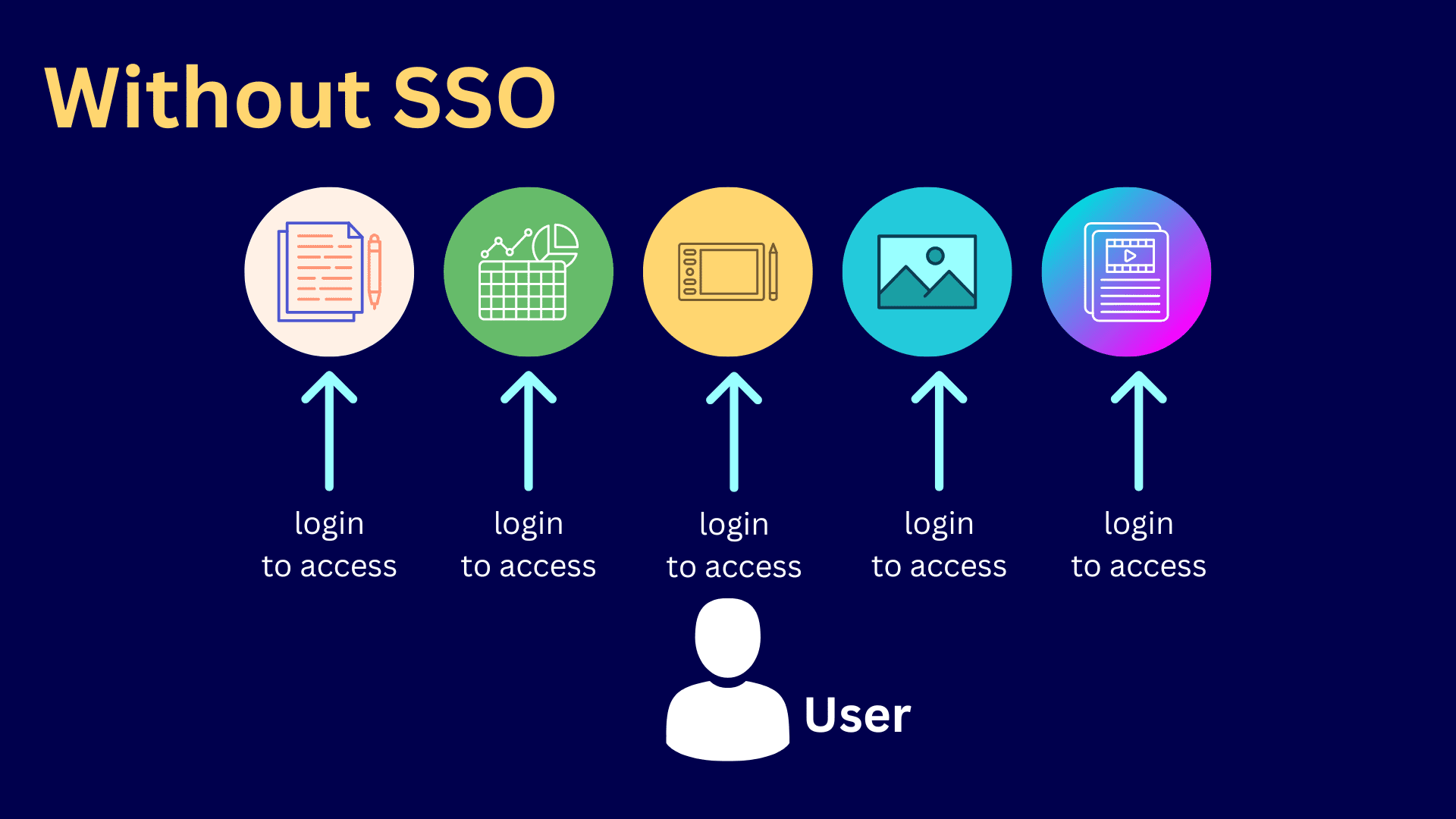
Single Sign-On (SSO) significantly improves the user experience by allowing users to access multiple applications with a single set of credentials. This eliminates the need to remember multiple usernames and passwords, reducing frustration and increasing productivity.
- Simplifies login processes across various platforms.
- Reduces the time spent on password recovery.
- Enhances user satisfaction by providing seamless access.
Improved Security
SSO enhances security by reducing the number of attack vectors. With fewer passwords to manage, users are less likely to resort to insecure practices like writing down passwords or reusing them across different sites.
- Centralized authentication reduces the risk of password theft.
- Enables the use of stronger, more complex passwords.
- Facilitates easier monitoring and management of user access.
Cost Efficiency
Implementing SSO can lead to significant cost savings for organizations. By streamlining the authentication process, IT departments can reduce the time and resources spent on managing user credentials and resolving login issues.
- Reduces IT support costs related to password resets.
- Minimizes the need for multiple authentication systems.
- Lowers the risk of security breaches, which can be costly.
Increased Productivity
SSO boosts productivity by minimizing the time users spend logging into different systems. This allows employees to focus more on their tasks rather than dealing with multiple login prompts.
- Speeds up access to necessary applications and resources.
- Reduces downtime caused by login issues.
- Enables quicker onboarding of new employees.
Regulatory Compliance
SSO helps organizations meet regulatory compliance requirements by providing a secure and auditable authentication process. This is particularly important for industries that handle sensitive data.
- Ensures adherence to data protection regulations.
- Provides detailed logs of user access for auditing purposes.
- Helps in meeting standards like GDPR, HIPAA, and others.
Frequently Asked Questions (FAQ)
What factors should be considered when pricing SSO in a SaaS business?
When pricing Single Sign-On (SSO) in a SaaS business, several factors must be considered to ensure the pricing model aligns with both the value provided and the market expectations. User volume is a critical factor, as the cost of SSO often scales with the number of users. Additionally, the complexity of integration and the level of security features offered (such as multi-factor authentication or compliance with industry standards) can influence pricing. The competitive landscape and the perceived value of SSO to your customers should also be evaluated to determine a price point that is both attractive and profitable.
Should SSO be included in the base price or offered as an add-on?
Deciding whether to include SSO in the base price or offer it as an add-on depends on your target market and business strategy. Including SSO in the base price can simplify the pricing structure and make your product more appealing to security-conscious customers. However, offering it as an add-on allows you to cater to businesses that may not require SSO, enabling them to choose a lower-cost plan. Market research and understanding your customers' needs are essential to making this decision. Additionally, consider the competitive positioning of your SaaS product and whether bundling SSO provides a strategic advantage.
How can tiered pricing be applied to SSO in a SaaS business?
Tiered pricing is an effective strategy for pricing SSO in a SaaS business, as it allows you to cater to different customer segments. For example, you can offer a basic tier with limited SSO features for small businesses and a premium tier with advanced security options for larger enterprises. The tiers can be based on factors such as user count, authentication methods, or integration capabilities. This approach not only makes your product accessible to a wider audience but also encourages customers to upgrade as their needs grow. Ensure that the pricing tiers are clearly communicated and provide tangible value at each level.
How do competitors influence the pricing of SSO in a SaaS business?
Competitors play a significant role in determining the pricing of SSO in a SaaS business. Analyzing the pricing strategies of competitors can help you identify market trends and set a competitive price point. If competitors offer SSO as a standard feature, you may need to follow suit to remain competitive. Conversely, if competitors charge a premium for SSO, you could position your product as a more affordable alternative. It's also important to consider the unique value proposition of your SSO offering, such as superior security features or easier integration, which may justify a higher price. Regularly reviewing competitor pricing and adjusting your strategy accordingly is key to staying relevant in the market.
Deja una respuesta
Entradas Relacionadas