
Tire Pressure vs Load Calculator and Equation

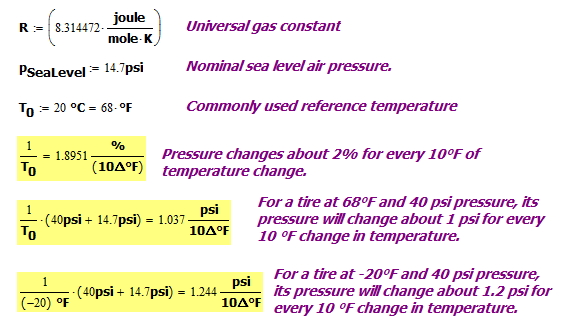
Proper tire pressure is crucial for vehicle safety and performance. The relationship between tire pressure and load capacity is complex, and understanding it is essential for drivers. The tire pressure vs load calculator and equation provide a way to determine the optimal tire pressure for a given load. By using these tools, drivers can ensure their tires are properly inflated, improving fuel efficiency, reducing wear and tear, and minimizing the risk of tire failure. This article will explore the tire pressure vs load calculator and equation in detail, providing a comprehensive guide for drivers. Accurate calculations are vital.
- Tire Pressure vs Load Calculator and Equation: Understanding the Relationship
- How to calculate tire pressure based on load?
- How to calculate tire load capacity?
- What is the rule of thumb for tire pressure?
- How much does tire pressure increase under load?
-
Frequently Asked Questions (FAQs)
- What is the importance of maintaining proper tire pressure in relation to load capacity?
- How does the Tire Pressure vs Load Calculator and Equation account for varying load conditions?
- What are the potential consequences of not using the Tire Pressure vs Load Calculator and Equation?
- How can the Tire Pressure vs Load Calculator and Equation be used in conjunction with other tire maintenance practices?
Tire Pressure vs Load Calculator and Equation: Understanding the Relationship
The relationship between tire pressure and load capacity is crucial for ensuring the safe operation of vehicles. The tire pressure vs load calculator is a tool used to determine the optimal tire pressure for a given load. This calculator takes into account the vehicle's weight, tire size, and load rating to provide the recommended tire pressure. The equation used to calculate the tire pressure is based on the Ply Rating and Load Index of the tire.
Introduction to Tire Load Calculator
A tire load calculator is a tool used to determine the maximum weight a tire can support at a given pressure. The calculator uses the tire's load index and speed rating to calculate the maximum load capacity. The load index is a numerical code that represents the tire's load-carrying capacity, while the speed rating is a letter code that represents the tire's maximum speed capability.
Tire Pressure vs Load Equation
The tire pressure vs load equation is based on the ideal gas law, which states that the pressure of a gas is directly proportional to the temperature and inversely proportional to the volume. The equation is as follows: P = (W / (3.14159 r^2)) (1 / (1 - (v / (3.14159 r^2)))), where P is the pressure, W is the weight, r is the radius of the tire, and v is the volume of the tire. The load calculator uses this equation to determine the optimal tire pressure for a given load.
Importance of Proper Tire Pressure
Proper tire pressure is essential for ensuring the safe operation of a vehicle. Underinflated tires can lead to reduced traction, increased stopping distance, and increased risk of tire failure. On the other hand, overinflated tires can lead to reduced traction, increased risk of tire damage, and decreased comfort. The tire pressure monitoring system is a system that monitors the tire pressure and alerts the driver if the pressure falls below the recommended level.
Tire Load Calculator Table
| Load Index | Load Capacity (lbs) | Recommended Tire Pressure (psi) |
|---|---|---|
| 90 | 1,323 | 35 |
| 95 | 1,521 | 40 |
| 100 | 1,764 | 45 |
| 105 | 2,039 | 50 |
| 110 | 2,337 | 55 |
Load Rating and Ply Rating
The load rating and ply rating are two important factors to consider when selecting tires. The load rating is a numerical code that represents the tire's load-carrying capacity, while the ply rating represents the tire's strength and durability. The load calculator uses these ratings to determine the optimal tire pressure for a given load. The tire's load index and speed rating are also important factors to consider when selecting tires. The load index is a numerical code that represents the tire's load-carrying capacity, while the speed rating is a letter code that represents the tire's maximum speed capability. Load rating, ply rating, and speed rating are all important factors to consider when selecting tires and determining the optimal tire pressure.
How to calculate tire pressure based on load?

To calculate tire pressure based on load, it is essential to consider the vehicle's weight and the tire's load-carrying capacity. The load-carrying capacity of a tire is determined by its size and type, and is usually indicated on the tire's sidewall or in the vehicle's manual. The tire pressure can be calculated using the following formula: tire pressure = (load / tire's load-carrying capacity) x inflation pressure. However, this calculation is not always straightforward, and it is recommended to consult the vehicle's manual or a tire professional for accurate calculations.
Understanding Tire Load Ratings
Understanding tire load ratings is crucial in calculating tire pressure based on load. The tire load rating is the maximum weight that a tire can support, and it is usually indicated on the tire's sidewall or in the vehicle's manual. To calculate tire pressure based on load, you need to know the vehicle's gross vehicle weight rating (GVWR) and the tire's load-carrying capacity. Here are the steps to follow:
- Determine the vehicle's GVWR and the tire's load-carrying capacity
- Calculate the load on each tire by dividing the GVWR by the number of tires
- Compare the load on each tire to the tire's load-carrying capacity to determine the required tire pressure
Calculating Tire Pressure for Heavy Loads
Calculating tire pressure for heavy loads requires careful consideration of the vehicle's weight and the tire's load-carrying capacity. When carrying heavy loads, it is essential to increase the tire pressure to prevent tire overload and tire failure. Here are the steps to follow:
- Determine the vehicle's GVWR and the tire's load-carrying capacity
- Calculate the load on each tire by dividing the GVWR by the number of tires
- Increase the tire pressure according to the tire manufacturer's recommendations to support the heavy load
Tire Pressure and Load Distribution
Tire pressure and load distribution are closely related, and uneven load distribution can lead to uneven tire wear and tire failure. To calculate tire pressure based on load, it is essential to consider the load distribution on each tire. Here are the steps to follow:
- Determine the vehicle's GVWR and the tire's load-carrying capacity
- Calculate the load on each tire by dividing the GVWR by the number of tires
- Check the tire pressure and adjust it according to the tire manufacturer's recommendations to ensure even load distribution
Importance of Proper Tire Inflation
Proper tire inflation is critical for safe and efficient driving, and underinflation can lead to tire failure and accidents. To calculate tire pressure based on load, it is essential to consider the importance of proper tire inflation. Here are the steps to follow:
- Check the tire pressure regularly to ensure it is at the recommended level
- Adjust the tire pressure according to the tire manufacturer's recommendations to support the load
- Monitor the tire condition and replace the tires if they show signs of wear or damage
Using Tire Pressure Charts and Calculators
Using tire pressure charts and calculators can simplify the process of calculating tire pressure based on load. These tools can help you determine the required tire pressure based on the vehicle's weight and the tire's load-carrying capacity. Here are the steps to follow:
- Consult the tire pressure chart or calculator to determine the required tire pressure
- Enter the vehicle's weight and the tire's load-carrying capacity into the calculator
- Adjust the tire pressure according to the recommended level to ensure safe and efficient driving
How to calculate tire load capacity?

To calculate tire load capacity, you need to understand the tire's load rating, which is indicated on the sidewall of the tire. The load rating is usually represented by a letter or number that corresponds to a specific load capacity. The load capacity is also affected by the inflation pressure of the tire, with higher pressures allowing for greater loads. The tire size and type also play a significant role in determining the load capacity.
Understanding Tire Load Ratings
Tire load ratings are determined by the tire manufacturer and are based on various factors, including the tire's construction, materials, and design. To calculate the tire load capacity, you need to refer to the tire information placard on the vehicle's doorjamb or glove compartment. The placard will provide the recommended tire pressure and load rating for the specific tire. The following steps can be taken to understand tire load ratings:
- Check the tire information placard for the recommended tire pressure and load rating.
- Refer to the tire manufacturer's website or documentation for specific load rating information.
- Use a tire load calculator to determine the load capacity based on the tire size, type, and inflation pressure.
Factors Affecting Tire Load Capacity
Several factors can affect the tire load capacity, including the tire size, type, and inflation pressure. Overloading or underinflating the tire can lead to reduced load capacity and increased risk of tire failure. The following factors can impact tire load capacity:
- Tire size: Larger tires can handle greater loads, while smaller tires have lower load capacities.
- Tire type: Different tire types, such as passenger or light truck tires, have varying load capacities.
- Inflation pressure: Higher inflation pressures allow for greater loads, while lower pressures reduce the load capacity.
Calculating Tire Load Capacity
To calculate the tire load capacity, you need to use the load rating and inflation pressure information. The load rating is usually represented by a letter or number that corresponds to a specific load capacity. The following steps can be taken to calculate the tire load capacity:
- Determine the load rating from the tire information placard or tire manufacturer's website.
- Refer to the tire load calculator or chart to determine the load capacity based on the tire size, type, and inflation pressure.
- Adjust the inflation pressure to achieve the desired load capacity.
Tire Load Capacity Charts and Calculators
Tire load capacity charts and calculators are available from tire manufacturers and automotive websites. These tools allow you to input the tire size, type, and inflation pressure to determine the load capacity. The following resources can be used to calculate tire load capacity:
- Tire manufacturer's website: Most tire manufacturers provide load capacity charts and calculators on their websites.
- Automotive websites: Many automotive websites offer tire load capacity calculators and charts.
- Tire load calculator apps: Mobile apps are available to calculate tire load capacity based on user input.
Importance of Accurate Tire Load Capacity Calculations
Accurate tire load capacity calculations are critical to ensure safe and efficient vehicle operation. Overloading or underinflating the tire can lead to reduced load capacity, increased risk of tire failure, and vehicle instability. The following consequences can occur if tire load capacity calculations are not accurate:
- Tire failure: Overloading or underinflating the tire can lead to tire failure, which can result in accidents and injuries.
- Vehicle instability: Reduced load capacity can cause vehicle instability, making it more difficult to handle and control the vehicle.
- Reduced fuel efficiency: Incorrect tire load capacity calculations can lead to reduced fuel efficiency and increased emissions.
What is the rule of thumb for tire pressure?

The rule of thumb for tire pressure is to check it at least once a month, and before long trips. It's also important to check the tire pressure when the tires are cold, meaning the vehicle has not been driven for at least three hours. This is because driving can heat up the tires, which can affect the tire pressure reading. The recommended tire pressure can be found on the tire information placard, which is usually located on the driver's side doorjamb or inside the fuel filler door.
Tire Pressure and Safety
Proper tire pressure is crucial for safety on the road. Underinflated tires can lead to tire blowouts, which can cause loss of control and accidents. On the other hand, overinflated tires can lead to reduced traction, which can also cause accidents. It's essential to check the tire pressure regularly to ensure that it's at the recommended level. Here are some tips to keep in mind:
- Always check the tire pressure when the tires are cold, as driving can heat up the tires and affect the reading.
- Use a tire pressure gauge to get an accurate reading, as the gauges at gas stations may not be reliable.
- Check the tire pressure at least once a month, and before long trips.
Tire Pressure and Fuel Efficiency
Proper tire pressure can also improve fuel efficiency. Underinflated tires can cause the vehicle to consume more fuel, as the engine has to work harder to move the vehicle. On the other hand, overinflated tires can improve fuel efficiency, but may compromise ride comfort and tire traction. It's essential to find the right balance between tire pressure and fuel efficiency. Here are some tips to keep in mind:
- Check the tire pressure regularly to ensure that it's at the recommended level.
- Use nitrogen instead of air to fill the tires, as it can help maintain the tire pressure and improve fuel efficiency.
- Consider investing in tire pressure monitoring systems, which can alert you to any changes in tire pressure.
Tire Pressure and Tire Longevity
Proper tire pressure can also improve tire longevity. Underinflated tires can cause uneven wear, which can lead to premature wear and tire replacement. On the other hand, overinflated tires can also cause uneven wear, as the tire tread may not be in contact with the road surface. It's essential to check the tire pressure regularly to ensure that it's at the recommended level. Here are some tips to keep in mind:
- Check the tire pressure at least once a month, and before long trips.
- Use a tire pressure gauge to get an accurate reading, as the gauges at gas stations may not be reliable.
- Consider investing in tire rotation services, which can help distribute the tire wear evenly.
Tire Pressure and Vehicle Performance
Proper tire pressure can also improve vehicle performance. Underinflated tires can cause reduced handling and stability, while overinflated tires can cause reduced traction and ride comfort. It's essential to find the right balance between tire pressure and vehicle performance. Here are some tips to keep in mind:
- Check the tire pressure regularly to ensure that it's at the recommended level.
- Use a tire pressure gauge to get an accurate reading, as the gauges at gas stations may not be reliable.
- Consider investing in high-performance tires, which can improve handling and stability.
Tire Pressure and Maintenance
Proper tire pressure is also essential for maintenance. Underinflated tires can cause premature wear and tire replacement, while overinflated tires can cause uneven wear and tire damage. It's essential to check the tire pressure regularly and perform tire maintenance tasks, such as tire rotation and tire balancing. Here are some tips to keep in mind:
- Check the tire pressure at least once a month, and before long trips.
- Use a tire pressure gauge to get an accurate reading, as the gauges at gas stations may not be reliable.
- Consider investing in tire maintenance services, which can help extend the life of the tires.
How much does tire pressure increase under load?
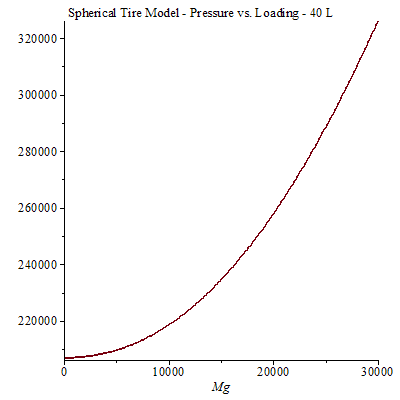
The tire pressure increase under load can vary depending on several factors, including the type of vehicle, tire size, and load capacity. Generally, when a vehicle is loaded, the tire pressure can increase by up to 10% due to the additional weight. This is because the tire is subjected to more stress and pressure as it supports the weight of the vehicle and its load.
Tire Pressure Increase Under Load
The tire pressure increase under load is a critical factor to consider when loading a vehicle. When a vehicle is loaded, the tire is subjected to more stress and pressure, which can cause the tire pressure to increase. This can be due to several factors, including the weight of the load, the size of the tire, and the load capacity of the vehicle. Some key factors to consider when evaluating tire pressure increase under load include:
- Tire size: The size of the tire can affect the tire pressure increase under load. Larger tires may experience a greater increase in tire pressure due to their larger surface area.
- Load capacity: The load capacity of the vehicle can also affect the tire pressure increase under load. Vehicles with a higher load capacity may experience a greater increase in tire pressure due to the additional weight.
- Weight distribution: The weight distribution of the load can also affect the tire pressure increase under load. A load that is evenly distributed may cause less of an increase in tire pressure than a load that is unevenly distributed.
Factors Affecting Tire Pressure Increase
Several factors can affect the tire pressure increase under load, including the tire size, load capacity, and weight distribution. The tire size can affect the tire pressure increase under load, as larger tires may experience a greater increase in tire pressure due to their larger surface area. Additionally, the load capacity of the vehicle can also affect the tire pressure increase under load, as vehicles with a higher load capacity may experience a greater increase in tire pressure due to the additional weight. Some key factors to consider when evaluating the factors affecting tire pressure increase under load include:
- Tire material: The material of the tire can affect the tire pressure increase under load. Tires made of durable materials may be less prone to tire pressure increases under load.
- Load type: The type of load can also affect the tire pressure increase under load. A load that is heavy and unevenly distributed may cause a greater increase in tire pressure than a load that is light and evenly distributed.
- Vehicle speed: The speed of the vehicle can also affect the tire pressure increase under load. A vehicle that is traveling at a high speed may experience a greater increase in tire pressure due to the additional stress and pressure on the tire.
Consequences of Tire Pressure Increase
The consequences of tire pressure increase under load can be significant, including reduced tire life, increased fuel consumption, and decreased vehicle safety. When a tire is subjected to increased pressure, it can cause the tire to overheat, leading to premature wear and reduced tire life. Additionally, increased tire pressure can also cause the vehicle to consume more fuel, as the engine has to work harder to propel the vehicle. Some key consequences of tire pressure increase under load include:
- Reduced tire life: The tire life can be reduced due to the increased stress and pressure on the tire.
- Increased fuel consumption: The vehicle may consume more fuel due to the increased pressure on the tire.
- Decreased vehicle safety: The vehicle safety can be compromised due to the increased pressure on the tire, which can cause the tire to fail or blowout.
Tire Pressure Monitoring Systems
Tire pressure monitoring systems (TPMS) are designed to monitor the tire pressure and alert the driver if the tire pressure falls below a certain threshold. These systems can help to prevent tire pressure-related accidents and injuries. Some key features of tire pressure monitoring systems include:
- Real-time monitoring: The system can monitor the tire pressure in real-time, providing the driver with accurate and up-to-date information.
- Alerts and warnings: The system can alert the driver if the tire pressure falls below a certain threshold, providing an early warning of potential tire pressure-related problems.
- Data analysis: The system can analyze the tire pressure data, providing the driver with valuable insights into the tire's performance and condition.
Best Practices for Maintaining Tire Pressure
Best practices for maintaining tire pressure include regularly checking the tire pressure, maintaining the recommended tire pressure, and avoiding overloading the vehicle. Additionally, drivers should also check the tire pressure before long trips, as underinflated tires can be a major safety hazard. Some key best practices for maintaining tire pressure include:
- Regular checks: The tire pressure should be checked regularly, ideally once a month, to ensure that it is at the recommended level.
- Proper maintenance: The tire should be properly maintained, including rotating the tires and checking for wear and damage.
- Avoiding overloading: The vehicle should
Frequently Asked Questions (FAQs)
What is the importance of maintaining proper tire pressure in relation to load capacity?
Maintaining proper tire pressure is crucial for ensuring the safety and efficiency of vehicles, especially when carrying heavy loads. When tire pressure is too low, it can lead to reduced tire life, increased fuel consumption, and decreased handling and braking performance. On the other hand, overinflated tires can be just as problematic, resulting in a harsher ride, reduced traction, and increased risk of tire blowouts. The Tire Pressure vs Load Calculator and Equation is a useful tool for determining the optimal tire pressure for a given load. By inputting the vehicle's weight, tire size, and load capacity, drivers can calculate the recommended tire pressure to ensure safe and efficient operation.
How does the Tire Pressure vs Load Calculator and Equation account for varying load conditions?
The Tire Pressure vs Load Calculator and Equation takes into account various load conditions, including gross vehicle weight, axle weight, and cargo weight. By considering these factors, the calculator can provide an accurate tire pressure recommendation for a given load scenario. For example, if a vehicle is carrying a heavy load, the calculator will recommend a higher tire pressure to ensure that the tires can support the additional weight. Conversely, if the vehicle is carrying a light load, the calculator may recommend a lower tire pressure to optimize fuel efficiency and ride comfort. The equation used by the calculator is based on the tire's load-carrying capacity, which is determined by the tire's size, type, and construction.
What are the potential consequences of not using the Tire Pressure vs Load Calculator and Equation?
Not using the Tire Pressure vs Load Calculator and Equation can have serious consequences, including reduced tire life, increased fuel consumption, and decreased safety. When tire pressure is not properly matched to the load, it can lead to tire overload, which can cause tire failure and potentially result in accidents. Additionally, underinflated tires can lead to reduced traction, which can increase the risk of skidding and loss of control. Furthermore, overinflated tires can be more susceptible to tire blowouts, which can be catastrophic, especially at high speeds. By using the Tire Pressure vs Load Calculator and Equation, drivers can avoid these potential consequences and ensure that their tires are properly inflated for the load they are carrying.
How can the Tire Pressure vs Load Calculator and Equation be used in conjunction with other tire maintenance practices?
The Tire Pressure vs Load Calculator and Equation can be used in conjunction with other tire maintenance practices, such as regular tire rotations, tire inspections, and tire replacements. By combining these practices, drivers can ensure that their tires are properly maintained and optimized for their specific vehicle and driving conditions. For example, tire rotations can help to evenly distribute wear, while tire inspections can identify potential tire problems before they become major issues. By using the Tire Pressure vs Load Calculator and Equation in conjunction with these practices, drivers can maximize their tire life, improve their fuel efficiency, and enhance their overall driving safety. Additionally, tire manufacturers and vehicle manufacturers often provide recommended tire pressures and load capacities, which can be used in conjunction with the calculator to ensure optimal tire performance.
Deja una respuesta
Entradas Relacionadas