
Pulley Friction and HP Brake Calculator

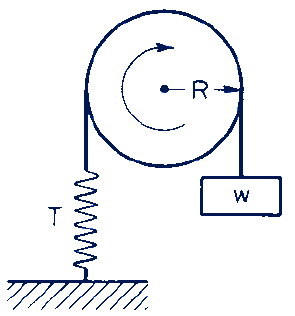
The Pulley Friction and HP Brake Calculator is a vital tool for engineers and technicians working with mechanical systems. Friction losses in pulley systems can significantly impact overall efficiency and performance. The calculator helps users determine the horsepower required to overcome friction and achieve desired torque and speed. By inputting variables such as pulley diameter, wrap angle, and coefficient of friction, users can accurately estimate horsepower losses and optimize system design. This calculator is essential for designing and troubleshooting pulley systems in various industries, including manufacturing and construction. It ensures safe and efficient operation.
- Pulley Friction and HP Brake Calculator: Understanding the Concept
-
Understanding the Role of Pulley Friction in HP Brake Calculator Efficiency
- What is Pulley Friction and How Does it Affect HP Brake Calculator
- The Importance of Coefficient of Friction in Pulley Friction and HP Brake Calculator
- What is the purpose of the Pulley Friction and HP Brake Calculator?
- How does the Pulley Friction and HP Brake Calculator account for different types of pulleys and belts?
- What are the limitations and assumptions of the Pulley Friction and HP Brake Calculator?
- How can the Pulley Friction and HP Brake Calculator be used to optimize system performance?
Pulley Friction and HP Brake Calculator: Understanding the Concept
The Pulley Friction and HP Brake Calculator is a tool used to calculate the frictional losses and braking power in a system. This calculator takes into account the pulley diameter, belt width, belt material, and speed to determine the frictional force and braking power. The calculator is essential in designing and optimizing systems that involve pulleys and brakes, such as industrial machinery, vehicles, and exercise equipment.
Introduction to Pulley Friction
Pulley friction refers to the resistance that occurs when a belt or cable wraps around a pulley. The frictional force depends on the pulley diameter, belt width, belt material, and speed. The Pulley Friction and HP Brake Calculator uses the formula: F = (μ N r) / (2 π), where F is the frictional force, μ is the coefficient of friction, N is the normal force, and r is the pulley radius.
Understanding HP Brake Calculator
The HP Brake Calculator is a tool used to calculate the braking power required to stop a system. The calculator takes into account the inertia of the system, speed, and deceleration rate. The braking power is calculated using the formula: P = (m v^2) / (2 t), where P is the braking power, m is the mass of the system, v is the velocity, and t is the time.
Factors Affecting Pulley Friction
Several factors affect pulley friction, including:
| Factor | Description |
|---|---|
| Pulley Diameter | The larger the pulley diameter, the lower the frictional force. |
| Belt Width | The wider the belt, the higher the frictional force. |
| Belt Material | Different belt materials have different coefficients of friction. |
| Speed | The higher the speed, the higher the frictional force. |
Applications of Pulley Friction and HP Brake Calculator
The Pulley Friction and HP Brake Calculator has various applications, including:
The calculator is used in designing and optimizing industrial machinery, vehicles, and exercise equipment. It is also used to calculate the braking power required to stop a system, which is essential in safety-critical applications.
Benefits of Using Pulley Friction and HP Brake Calculator
Using the Pulley Friction and HP Brake Calculator offers several benefits, including:
The calculator helps to optimize system design by minimizing frictional losses and maximizing braking power. It also helps to improve safety by ensuring that the system can be stopped reliably and efficiently. Additionally, the calculator helps to reduce maintenance costs by minimizing wear and tear on system components.
Understanding the Role of Pulley Friction in HP Brake Calculator Efficiency
The Pulley Friction and HP Brake Calculator is a crucial tool in the automotive and engineering industries, as it helps to calculate the amount of friction and heat generated by a pulley system. This calculator takes into account various factors such as the size and material of the pulley, the speed and load of the system, and the coefficient of friction between the pulley and the surrounding components. By understanding the role of pulley friction in the HP Brake Calculator, engineers and technicians can design and optimize pulley systems to minimize energy loss and maximize efficiency.
What is Pulley Friction and How Does it Affect HP Brake Calculator
Pulley friction refers to the resistance that occurs when a pulley rotates and interacts with other components in a system. This friction can generate heat and vibration, which can lead to energy loss and reduce the overall efficiency of the system. In the context of the HP Brake Calculator, pulley friction plays a critical role in determining the amount of braking power required to slow or stop a vehicle. By accurately calculating the amount of pulley friction, engineers can design brake systems that are optimized for performance and safety. The HP Brake Calculator takes into account the coefficient of friction between the pulley and the surrounding components, as well as the speed and load of the system, to provide an accurate calculation of the braking power required.
The Importance of Coefficient of Friction in Pulley Friction and HP Brake Calculator
coefficient of friction is a critical parameter in the Pulley Friction and HP Brake Calculator, as it determines the amount of friction that occurs between the pulley and the surrounding components. The coefficient of friction is a measure of the amount of friction that occurs between two surfaces, and it is typically represented by the symbol μ. In the context of the HP Brake Calculator, the coefficient of friction is used to calculate the amount of braking power required to slow or stop a vehicle. A higher coefficient of friction results in more friction and heat generation, which can lead to energy loss and reduce the overall efficiency of the system. By accurately determining the coefficient of friction, engineers can design brake systems that are optimized for performance and safety.How to Calculate Pulley Friction and HP Brake using the Calculator
Pulley Friction and HP Brake Calculator is a user-friendly tool that allows engineers and technicians to calculate the amount of pulley friction and braking power required for a given system. To use the calculator, users must input various parameters such as the size and material of the pulley, the speed and load of the system, and the coefficient of friction between the pulley and the surrounding components. The calculator then uses these parameters to calculate the amount of pulley friction and braking power required, taking into account factors such as heat generation and energy loss. By using the HP Brake Calculator, engineers can quickly and accurately determine the amount of braking power required for a given system, and design brake systems that are optimized for performance and safety.Applications of Pulley Friction and HP Brake Calculator in Automotive and Engineering Industries
Pulley Friction and HP Brake Calculator has a wide range of applications in the automotive and engineering industries. In the automotive industry, the calculator is used to design and optimize brake systems for vehicles, taking into account factors such as speed, load, and coefficient of friction. In the engineering industry, the calculator is used to design and optimize pulley systems for a wide range of applications, including industrial machinery, conveyor systems, and robotic systems. By using the HP Brake Calculator, engineers can design systems that are optimized for performance, safety, and efficiency, and reduce the risk of energy loss and system failure.Limitations and Future Developments of Pulley Friction and HP Brake Calculator
Pulley Friction and HP Brake Calculator is a powerful tool for calculating pulley friction and braking power, it has several limitations and areas for future development. One of the main limitations of the calculator is its reliance on empirical data and experimental testing to determine the coefficient of friction and other parameters. Future developments of the calculator could include the use of advanced materials and simulation techniques to improve the accuracy and reliability of the calculations. Additionally, the calculator could be integrated with other engineering tools and software packages to provide a more comprehensive design and optimization platform for engineers and technicians. By addressing these limitations and developing new features and capabilities, the HP Brake Calculator can continue to play a critical role in the design and optimization of brake systems and pulley systems in the automotive and engineering industries.Frequently Asked Questions (FAQs)
What is the purpose of the Pulley Friction and HP Brake Calculator?
The Pulley Friction and HP Brake Calculator is a tool designed to calculate the frictional losses and brake horsepower in a system that involves pulleys and belts. The calculator takes into account various factors such as the pulley diameter, belt width, belt material, and pulley speed to determine the frictional force and torque exerted on the system. By using this calculator, engineers and designers can optimize their system's performance by minimizing energy losses and maximizing efficiency. The calculator is particularly useful in industries where mechanical power transmission is critical, such as in manufacturing, mining, and construction. By accurately calculating the frictional losses and brake horsepower, users can ensure that their systems are designed to withstand the stresses and loads imposed on them, thereby reducing the risk of failure and downtime.
How does the Pulley Friction and HP Brake Calculator account for different types of pulleys and belts?
The Pulley Friction and HP Brake Calculator is designed to accommodate various types of pulleys and belts, each with its unique characteristics and properties. For example, the calculator can account for flat belts, V-belts, and timing belts, as well as pulleys with different diameters, materials, and surface finishes. The calculator uses empirical formulas and industry-accepted standards to estimate the coefficient of friction and belt tension for each type of pulley and belt. By selecting the appropriate pulley and belt type, users can ensure that the calculator provides accurate and reliable results. Additionally, the calculator can also account for variables such as pulley speed, belt wrap angle, and tension ratio, which can significantly impact the frictional losses and brake horsepower in the system. By considering these factors, the calculator provides a comprehensive and accurate analysis of the system's performance.
What are the limitations and assumptions of the Pulley Friction and HP Brake Calculator?
While the Pulley Friction and HP Brake Calculator is a powerful tool for estimating frictional losses and brake horsepower, it is not without its limitations and assumptions. For example, the calculator assumes that the pulley and belt are properly aligned and maintained, and that the system is operating under steady-state conditions. The calculator also assumes that the frictional force and torque are uniformly distributed across the pulley and belt, which may not always be the case in real-world applications. Furthermore, the calculator uses simplified models and empirical formulas to estimate the coefficient of friction and belt tension, which may not account for all the complexities and nuances of the system. Therefore, users should be aware of these limitations and assumptions and use the calculator as a guideline rather than an absolute predictor of system performance.
How can the Pulley Friction and HP Brake Calculator be used to optimize system performance?
The Pulley Friction and HP Brake Calculator can be a valuable tool for optimizing system performance by identifying areas of inefficiency and energy loss. By using the calculator to estimate the frictional losses and brake horsepower in the system, users can target specific components or parameters for improvement. For example, the calculator may indicate that the pulley diameter is too small, resulting in excessive frictional losses. By increasing the pulley diameter, users can reduce the frictional force and torque on the system, thereby increasing efficiency and reducing energy losses. Similarly, the calculator may suggest that the belt material is not optimal, resulting in high frictional losses. By selecting a lower-friction belt material, users can reduce the frictional force and torque on the system, thereby improving performance and reliability. By using the calculator to inform design decisions and optimize system parameters, users can create more efficient, reliable, and cost-effective systems.
Deja una respuesta
Entradas Relacionadas