
Fire Alarm Notification Appliance Circuit Calculator Excel Spreadsheet


The Fire Alarm Notification Appliance Circuit Calculator is a crucial tool for designing and Installing fire alarm systems. It ensures that the notification appliances, such as horns and strobes, are properly powered and functioning correctly. The Excel spreadsheet calculator simplifies the process of calculating the required power and voltage for these devices. By using this calculator, fire safety professionals can easily determine the correct circuit requirements, reducing the risk of false alarms and ensuring compliance with industry standards and regulations. This calculator is an essential resource for any fire alarm system design project.
-
Understanding the Fire Alarm Notification Appliance Circuit Calculator Excel Spreadsheet
- Introduction to Fire Alarm Systems and Notification Appliances
- Key Components and Calculations in the Spreadsheet
- Importance of Complying with Fire Safety Standards and Regulations
- Benefits of Using the Fire Alarm Notification Appliance Circuit Calculator Excel Spreadsheet
- Best Practices for Utilizing the Calculator Effectively
-
Are fire alarm notification appliances required to be synchronized?
- Importance of Synchronization in Fire Alarm Systems
- Benefits of Synchronized Fire Alarm Notification Appliances
- Regulatory Requirements for Synchronized Fire Alarm Notification Appliances
- Challenges and Limitations of Synchronized Fire Alarm Notification Appliances
- Future Developments in Synchronized Fire Alarm Notification Appliances
- What are the notification appliances in a fire alarm system?
- How do you calculate fire alarm load?
-
How to calculate voltage drop for fire alarm system?
- To calculate voltage drop, you can use the following methods: Use a voltage drop calculator or software to simplify the calculation process. Consult the National Electric Code (NEC) for guidelines on voltage drop calculations. Measure the circuit length and wire size to determine the total resistance. This method involves using mathematical models to simulate the behavior of the circuit and calculate the voltage drop. Factors Affecting Voltage Drop
- Importance of Voltage Drop Calculations
- Tools and Resources for Voltage Drop Calculations
- Best Practices for Voltage Drop Calculations
-
Frequently Asked Questions (FAQs)
- What is the Fire Alarm Notification Appliance Circuit Calculator Excel Spreadsheet and how does it work?
- What are the benefits of using the Fire Alarm Notification Appliance Circuit Calculator Excel Spreadsheet?
- How do I use the Fire Alarm Notification Appliance Circuit Calculator Excel Spreadsheet to calculate circuit loads?
- Can I customize the Fire Alarm Notification Appliance Circuit Calculator Excel Spreadsheet to meet my specific needs?
Understanding the Fire Alarm Notification Appliance Circuit Calculator Excel Spreadsheet
The Fire Alarm Notification Appliance Circuit Calculator Excel Spreadsheet is a valuable tool for fire safety professionals, engineers, and technicians. It helps in designing and calculating the requirements for fire alarm notification appliance circuits. This spreadsheet is an essential resource for ensuring that fire alarm systems meet the necessary standards and regulations, providing a safe and reliable means of alerting occupants in the event of a fire. The calculator takes into account various factors such as the number of devices, circuit length, and voltage drop to determine the appropriate wire size and circuit configuration.
Introduction to Fire Alarm Systems and Notification Appliances
Fire alarm systems are critical for detecting fires and alerting occupants and emergency services. Notification appliances are a crucial part of these systems, including devices such as horns, strobes, and speakers that provide audible and visual alerts. The Fire Alarm Notification Appliance Circuit Calculator Excel Spreadsheet is designed to help in the planning and installation of these notification appliances, ensuring they operate effectively and meet the required standards.
Key Components and Calculations in the Spreadsheet
The spreadsheet includes several key components and calculations, such as:
| Component | Description |
|---|---|
| Circuit Voltage | The voltage of the circuit, which affects the wire size and device selection. |
| Device Quantity | The number of notification appliances on the circuit, impacting the total current draw. |
| Circuit Length | The total length of the circuit, which influences voltage drop and wire size requirements. |
These components and calculations are vital for determining the correct wire size, circuit configuration, and device selection to ensure reliable operation of the fire alarm notification appliances.
Importance of Complying with Fire Safety Standards and Regulations
Compliance with fire safety standards and regulations, such as those set by the National Fire Protection Association (NFPA), is crucial for ensuring the safety and effectiveness of fire alarm systems. The Fire Alarm Notification Appliance Circuit Calculator Excel Spreadsheet helps professionals comply with these standards by providing accurate calculations for circuit design and device selection. This not only ensures the system functions as intended but also helps in avoiding potential legal and financial consequences of non-compliance.
Benefits of Using the Fire Alarm Notification Appliance Circuit Calculator Excel Spreadsheet
Using the Fire Alarm Notification Appliance Circuit Calculator Excel Spreadsheet offers several benefits, including:
- Simplified Design Process: The spreadsheet simplifies the design process by automating complex calculations, saving time and reducing the likelihood of human error.
- Improved Accuracy: It ensures accurate calculations, which is critical for the safe and reliable operation of fire alarm systems.
- Enhanced Compliance: By facilitating compliance with fire safety standards and regulations, it helps in avoiding potential legal issues and ensuring public safety.
Best Practices for Utilizing the Calculator Effectively
To utilize the Fire Alarm Notification Appliance Circuit Calculator Excel Spreadsheet effectively, professionals should:
- Understand the Input Requirements: Ensure all necessary data, such as circuit voltage, device quantity, and circuit length, is accurately inputted.
- Regularly Update the Spreadsheet: Keep the spreadsheet updated with the latest calculations and standards to ensure ongoing compliance and accuracy.
- Consult Relevant Standards and Regulations: Always refer to the latest fire safety standards and regulations, such as the NFPA 72, to ensure the design meets all necessary requirements.
Are fire alarm notification appliances required to be synchronized?
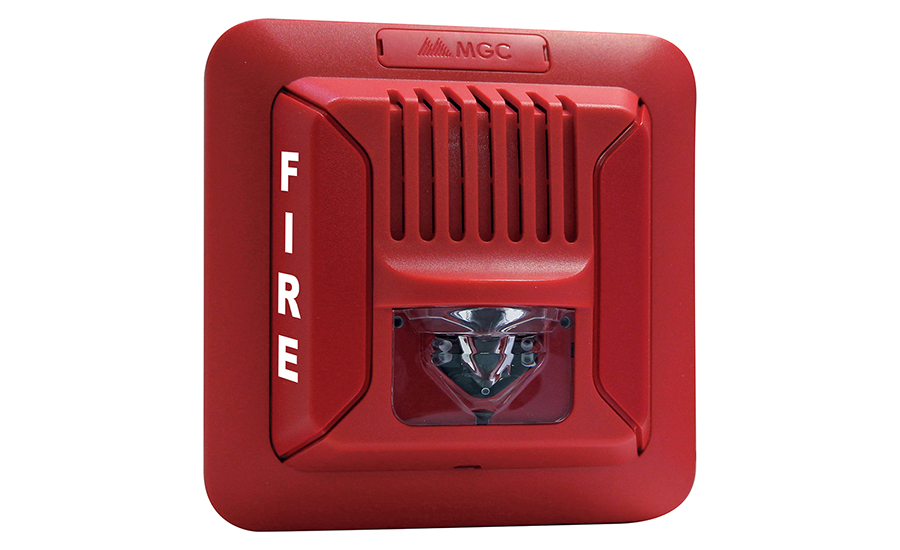
This is a critical question in the context of fire safety and emergency response. Synchronization of fire alarm notification appliances, such as strobes and horn/strobes, is essential to ensure that individuals with hearing impairments or those in high-noise areas are effectively alerted in the event of a fire. The National Fire Protection Association (NFPA) and other regulatory agencies provide guidelines and standards for the installation and maintenance of fire alarm systems, including the synchronization of notification appliances.
Importance of Synchronization in Fire Alarm Systems
The synchronization of fire alarm notification appliances is crucial for ensuring that all individuals in a building or facility are alerted in the event of a fire. This is particularly important for individuals with hearing impairments, as synchronized visual signals can provide a consistent and reliable means of alerting them to a potential fire hazard. Some key points to consider include:
- The NFPA requires that fire alarm notification appliances be synchronized to ensure that all individuals in a building or facility are alerted in the event of a fire.
- Synchronization of notification appliances can be achieved through the use of master clocks or synchronization modules.
- Regular testing and maintenance of fire alarm systems is essential to ensure that synchronization is functioning correctly.
Benefits of Synchronized Fire Alarm Notification Appliances
The benefits of synchronized fire alarm notification appliances are numerous and include improved emergency response, enhanced safety, and increased compliance with regulatory requirements. Some key benefits include:
- Enhanced alerting for individuals with hearing impairments or those in high-noise areas.
- Improved response times in the event of a fire, as individuals are more likely to be alerted and respond quickly.
- Increased safety for all individuals in a building or facility, as synchronized notification appliances can help to reduce the risk of injury or death in the event of a fire.
Regulatory Requirements for Synchronized Fire Alarm Notification Appliances
There are several regulatory requirements that govern the use of synchronized fire alarm notification appliances, including those set forth by the NFPA and other regulatory agencies. Some key requirements include:
- The NFPA requires that fire alarm notification appliances be synchronized to ensure that all individuals in a building or facility are alerted in the event of a fire.
- Local building codes and regulations may also require synchronization of fire alarm notification appliances.
- Regular inspections and testing of fire alarm systems are essential to ensure compliance with regulatory requirements.
Challenges and Limitations of Synchronized Fire Alarm Notification Appliances
While synchronized fire alarm notification appliances offer numerous benefits, there are also several challenges and limitations that must be considered. Some key challenges include:
- Technical difficulties in achieving synchronization, particularly in large or complex buildings.
- Cost and logistical considerations, as synchronization may require additional equipment and maintenance.
- Interference from other electrical systems or radio frequencies can affect the reliability of synchronized notification appliances.
Future Developments in Synchronized Fire Alarm Notification Appliances
The future of synchronized fire alarm notification appliances is likely to be shaped by advances in technology and regulatory requirements. Some key developments to watch include:
- Improved synchronization methods, such as wireless synchronization or IP-based systems.
- Enhanced notification appliances, such as high-intensity strobes or voice evacuation systems.
- Increased focus on emergency response and mass notification systems, which may incorporate synchronized fire alarm notification appliances.
What are the notification appliances in a fire alarm system?

The notification appliances in a fire alarm system are devices that alert occupants of a building or area in the event of a fire or other emergency. These appliances are designed to provide a clear and audible warning to facilitate evacuation and emergency response. The primary purpose of notification appliances is to alert people of potential danger and provide them with crucial time to respond and evacuate the area.
Types of Notification Appliances
Notification appliances can be categorized into several types, including audible devices such as sirens and horns, and visual devices such as strobes and LED lights. These appliances can be powered by the fire alarm system itself or by a backup power source, such as a battery. Some common types of notification appliances include:
- Horn-strobes: combination devices that produce both an audible and visual signal
- Speakers: used to broadcast voice messages or alarm tones
- Strobe lights: high-intensity lights that flash to grab attention
Requirements for Notification Appliances
Notification appliances must meet certain standards and regulations to ensure they are effective and reliable. For example, they must be able to produce a minimum sound level of 15 decibels above the average ambient sound level, and they must be visible from a distance of at least 50 feet. Additionally, notification appliances must be tested regularly to ensure they are functioning properly.
Installation of Notification Appliances
The installation of notification appliances is critical to their effectiveness. They must be installed in strategic locations, such as near exits and in high-traffic areas, to ensure that everyone in the building is alerted in the event of an emergency. The installation process typically involves mounting the appliances on walls or ceilings, and connecting them to the fire alarm system.
Maintenance of Notification Appliances
Regular maintenance is essential to ensure that notification appliances continue to function properly. This includes testing the appliances on a regular basis, cleaning them to prevent dust and dirt from accumulation, and replacing any faulty or damaged components. Maintenance can be performed by trained personnel, such as fire alarm technicians, and should be done in accordance with the manufacturer's instructions.
Benefits of Notification Appliances
The use of notification appliances in fire alarm systems provides several benefits, including enhanced safety, reduced risk of injury or death, and compliance with regulations. Notification appliances can also be used to provide alert messages in non-emergency situations, such as during drills or testing. Some common benefits of notification appliances include:
- Early warning: provides occupants with crucial time to respond and evacuate
- Clear communication: provides a clear and audible warning of potential danger
- Compliance: helps to ensure compliance with regulations and standards
How do you calculate fire alarm load?
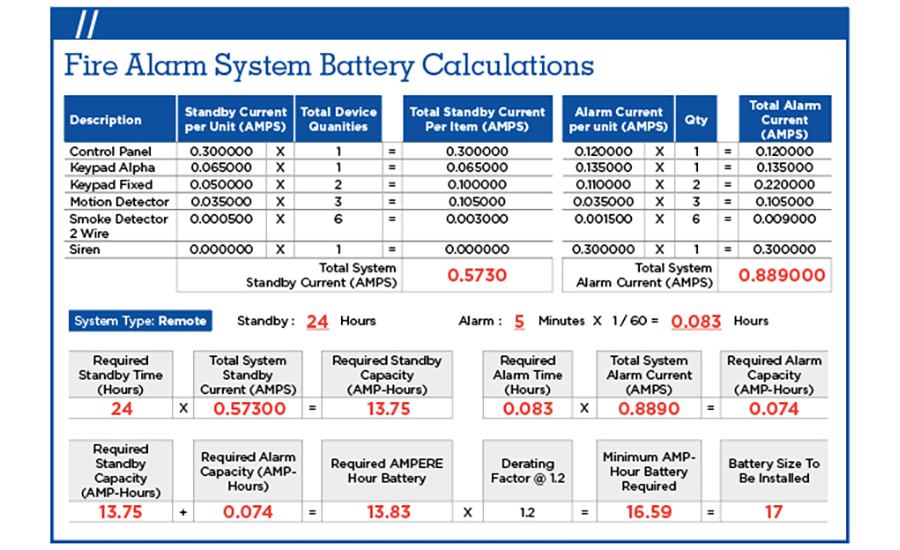
To calculate fire alarm load, you need to determine the total power requirements of the fire alarm system, including the control panel, sensors, speakers, and strobe lights. This calculation is crucial to ensure that the system operates effectively and reliably in the event of a fire. The load calculation involves determining the power consumption of each device, taking into account the voltage, current, and wattage requirements.
Understanding Fire Alarm System Components
The fire alarm system consists of various components, including control panels, sensors, alarms, and notification devices. To calculate the fire alarm load, you need to identify the specific components used in the system and their respective power requirements. Here is a list of factors to consider:
- Device type: Determine the type of device, such as a smoke detector or heat detector.
- Power consumption: Check the device's power consumption in watts or milliamperes.
- Voltage: Verify the device's operating voltage, typically 12V or 24V DC.
Calculating Power Requirements
To calculate the fire alarm load, you need to determine the total power requirements of the system. This involves summing up the power consumption of each device, taking into account the duty cycle and standby power requirements. Here are the steps to follow:
- Determine device quantities: Count the number of devices used in the system, including sensors, speakers, and strobe lights.
- Calculate device power: Multiply the device quantity by the device's power consumption to get the total power requirement.
- Add standby power: Include the standby power requirements of the system, such as the control panel and power supply.
Load Calculation Methods
There are two common methods for calculating fire alarm load: the simple calculation method and the complex calculation method. The simple method involves summing up the power consumption of each device, while the complex method takes into account the duty cycle, power factor, and harmonic distortion. Here are the key differences:
- Simple method: Suitable for small systems with simple device configurations.
- Complex method: Recommended for large systems with complex device configurations and power quality requirements.
- Software tools: Utilize specialized software tools to simplify the calculation process and ensure accuracy.
Considering Power Quality and Harmonics
When calculating fire alarm load, it's essential to consider power quality and harmonic distortion. This is particularly important for systems with non-linear loads, such as switch-mode power supplies. Here are the key factors to consider:
- Power factor: Verify the power factor of the system to ensure it's within the acceptable range.
- Harmonic distortion: Assess the harmonic distortion levels to prevent overheating and equipment damage.
- Filtering and conditioning: Consider using filters and conditioning devices to mitigate power quality issues.
Fire Alarm Load Calculation Tools and Resources
To simplify the fire alarm load calculation process, you can utilize specialized software tools and resources. These tools can help you determine the total load, power consumption, and system requirements. Here are some options to consider:
- Manufacturer's guidelines: Refer to the manufacturer's guidelines for specific device configurations and system requirements.
- Online calculators: Utilize online calculators and software tools to streamline the calculation process.
- Industry standards: Familiarize yourself with relevant industry standards, such as NFPA 72, to ensure compliance and accuracy.
How to calculate voltage drop for fire alarm system?

Calculating voltage drop for a fire alarm system is crucial to ensure that the system operates within the specified voltage limits and that all components receive the required power. The calculation involves determining the total resistance of the circuit, including the wire resistance and any other resistive components. To calculate the voltage drop, you can use the formula: Vd = (I x R) + (I x X), where Vd is the voltage drop, I is the current flowing through the circuit, R is the resistance, and X is the reactance.
To calculate voltage drop, you can use the following methods:
- Use a voltage drop calculator or software to simplify the calculation process.
- Consult the National Electric Code (NEC) for guidelines on voltage drop calculations.
- Measure the circuit length and wire size to determine the total resistance.
This method involves using mathematical models to simulate the behavior of the circuit and calculate the voltage drop.
Factors Affecting Voltage Drop
Several factors can affect the voltage drop in a fire alarm system, including the wire size, circuit length, current draw, and environmental conditions.
- Wire size and material can significantly impact the voltage drop, with larger wires having lower resistance.
- Circuit length and complexity can also affect the voltage drop, with longer circuits experiencing greater voltage drops.
- Current draw and power requirements of the system components can impact the voltage drop, with higher current draws resulting in greater voltage drops.
Understanding these factors is essential for accurate voltage drop calculations.
Importance of Voltage Drop Calculations
Calculating voltage drop is essential for ensuring the reliability and performance of the fire alarm system.
- Inadequate voltage can cause system malfunctions or failures, compromising the safety of people and property.
- Voltage drop calculations help ensure that the system is designed and installed to meet the required voltage limits and power requirements.
- Regular testing and maintenance can help identify potential voltage drop issues and prevent system failures.
This is critical for life safety systems like fire alarms.
Tools and Resources for Voltage Drop Calculations
Several tools and resources are available to help with voltage drop calculations, including software, spreadsheets, and online calculators.
- Specialized software can simplify the calculation process and provide accurate results.
- Reference texts and industry guidelines provide valuable information on voltage drop calculations and system design.
- Online forums and technical support can provide additional guidance and troubleshooting assistance.
These resources can help ensure accurate voltage drop calculations and compliance with industry standards.
Best Practices for Voltage Drop Calculations
To ensure accurate voltage drop calculations, follow these best practices:
- Verify circuit diagrams and system documentation to ensure accuracy and completeness.
- Use accurate values for wire resistance, current draw, and other system parameters.
- Consider environmental factors, such as temperature and humidity, that can impact voltage drop.
By following these best practices, you can ensure reliable and accurate voltage drop calculations for your fire alarm system, and ensure compliance with industry standards and regulations.
Frequently Asked Questions (FAQs)
What is the Fire Alarm Notification Appliance Circuit Calculator Excel Spreadsheet and how does it work?
The Fire Alarm Notification Appliance Circuit Calculator Excel Spreadsheet is a software tool designed to help fire safety engineers and electricians calculate the required circuit loads for fire alarm notification appliances. This spreadsheet uses complex formulas and algorithms to determine the minimum ampacity required for each circuit, taking into account factors such as the type and quantity of appliances, wire size, and distance. By inputting the relevant data into the spreadsheet, users can quickly and accurately determine the required circuit loads, ensuring that their fire alarm systems are compliant with regulations and function properly in the event of an emergency. The spreadsheet also allows users to easily compare different scenarios and optimize their system design, saving time and resources.
What are the benefits of using the Fire Alarm Notification Appliance Circuit Calculator Excel Spreadsheet?
The Fire Alarm Notification Appliance Circuit Calculator Excel Spreadsheet offers several benefits to users, including increased accuracy and efficiency in calculating circuit loads. By using this tool, users can reduce the risk of errors and ensure compliance with regulatory requirements, such as those set forth by the National Fire Protection Association (NFPA). Additionally, the spreadsheet can help users save time and money by optimizing their system design and minimizing the need for rework or corrections. The spreadsheet is also easy to use, with a user-friendly interface that allows users to quickly input data and generate reports. Furthermore, the spreadsheet can be customized to meet the specific needs of each user, making it a valuable resource for fire safety professionals.
How do I use the Fire Alarm Notification Appliance Circuit Calculator Excel Spreadsheet to calculate circuit loads?
To use the Fire Alarm Notification Appliance Circuit Calculator Excel Spreadsheet, users must first input the relevant data, including the type and quantity of appliances, wire size, and distance. The spreadsheet will then use complex formulas and algorithms to calculate the minimum ampacity required for each circuit. Users can easily adjust the input data to compare different scenarios and optimize their system design. The spreadsheet also includes helpful notes and references to relevant codes and standards, making it easier for users to understand the calculations and ensure compliance. Once the calculations are complete, the spreadsheet will generate a report that summarizes the results, including the required circuit loads and ampacity. This report can be printed or saved for future reference, making it a valuable resource for fire safety professionals.
Can I customize the Fire Alarm Notification Appliance Circuit Calculator Excel Spreadsheet to meet my specific needs?
Yes, the Fire Alarm Notification Appliance Circuit Calculator Excel Spreadsheet can be customized to meet the specific needs of each user. The spreadsheet is fully editable, allowing users to add or remove columns and rows, modify formulas, and change formatting. Users can also add their own data and formulas to the spreadsheet, making it a powerful tool for complex calculations. Additionally, the spreadsheet can be integrated with other software tools, such as CAD programs or project management software, to create a comprehensive and integrated system design process. The spreadsheet's flexibility and customizability make it a valuable resource for fire safety professionals, allowing them to streamline their workflow and improve efficiency. By customizing the spreadsheet, users can also ensure that their system design is compliant with regulations and meets the specific needs of their project.
Deja una respuesta
Entradas Relacionadas