
Concrete Slab Volume Estimator Calculator

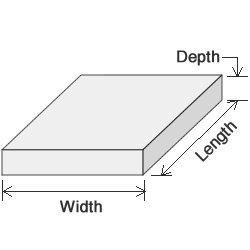
The Concrete Slab Volume Estimator Calculator is a useful tool for construction professionals and DIY enthusiasts alike. It helps to accurately calculate the volume of concrete required for a slab, taking into account the length, width, and thickness of the project. By using this calculator, users can avoid over- or under-ordering materials, saving time and money. The calculator is particularly useful for large-scale construction projects, where small errors can have significant consequences. With its simple and intuitive interface, the Concrete Slab Volume Estimator Calculator is an essential resource for anyone working with concrete. It provides quick results.
-
Concrete Slab Volume Estimator Calculator: A Tool for Efficient Construction Planning
- How to Use the Concrete Slab Volume Estimator Calculator
- Benefits of Using the Concrete Slab Volume Estimator Calculator
- Factors to Consider When Using the Concrete Slab Volume Estimator Calculator
- Common Applications of the Concrete Slab Volume Estimator Calculator
- Tips for Accurate Calculations with the Concrete Slab Volume Estimator Calculator
- How to calculate volume of concrete for slab?
-
Frequently Asked Questions (FAQs)
- What is the Concrete Slab Volume Estimator Calculator and how does it work?
- How do I use the Concrete Slab Volume Estimator Calculator to estimate the volume of concrete needed for my project?
- What are the benefits of using the Concrete Slab Volume Estimator Calculator for construction projects?
- Can the Concrete Slab Volume Estimator Calculator be used for complex construction projects, such as multi-story buildings or large commercial developments?
Concrete Slab Volume Estimator Calculator: A Tool for Efficient Construction Planning
The Concrete Slab Volume Estimator Calculator is a valuable tool for construction professionals, allowing them to accurately calculate the volume of concrete required for a slab. This calculator takes into account the dimensions of the slab, including its length, width, and thickness, to provide an estimate of the total volume of concrete needed. By using this calculator, contractors and engineers can ensure that they have enough concrete to complete the project, reducing waste and saving time and resources.
How to Use the Concrete Slab Volume Estimator Calculator
To use the Concrete Slab Volume Estimator Calculator, simply enter the dimensions of the slab into the calculator. The calculator will then use a formula to calculate the volume of concrete required, taking into account the density of the concrete and the units of measurement used. The result will be displayed in a variety of units, including cubic yards, cubic meters, and pounds. This allows users to easily convert between different units and ensure that they have the correct amount of concrete for their project.
Benefits of Using the Concrete Slab Volume Estimator Calculator
There are several benefits to using the Concrete Slab Volume Estimator Calculator. One of the main advantages is that it helps to reduce waste by ensuring that the correct amount of concrete is ordered. This can save contractors and engineers a significant amount of time and resources, as they will not have to worry about running out of concrete or dealing with excess material. Additionally, the calculator can help to improve accuracy, reducing the risk of errors and ensuring that the project is completed on time and within budget.
Factors to Consider When Using the Concrete Slab Volume Estimator Calculator
When using the Concrete Slab Volume Estimator Calculator, there are several factors to consider. One of the most important is the type of concrete being used, as different types of concrete have different densities and strengths. Additionally, the moisture content of the concrete can affect its volume, so this should also be taken into account. Finally, the shape and size of the slab will also impact the volume of concrete required, so it is essential to enter the correct dimensions into the calculator.
| Concrete Type | Density | Strength |
|---|---|---|
| Normal Weight Concrete | 145 pounds per cubic foot | 3000-4000 psi |
| Lightweight Concrete | 100 pounds per cubic foot | 2000-3000 psi |
| High-Strength Concrete | 150 pounds per cubic foot | 5000-6000 psi |
Common Applications of the Concrete Slab Volume Estimator Calculator
The Concrete Slab Volume Estimator Calculator has a variety of applications in the construction industry. One of the most common uses is for building foundations, where a strong and stable base is required. The calculator can also be used for floor slabs, walls, and ceilings, as well as for highway construction and bridge building. By using the calculator, contractors and engineers can ensure that they have the correct amount of concrete for their project, regardless of its size or complexity.
Tips for Accurate Calculations with the Concrete Slab Volume Estimator Calculator
To get accurate calculations with the Concrete Slab Volume Estimator Calculator, it is essential to enter the correct dimensions and units of measurement. Additionally, the calculator assumes that the slab is rectangular in shape, so if the slab is irregularly shaped, the calculation may not be accurate. It is also important to consider the safety factor, which can affect the volume of concrete required. By following these tips and using the calculator correctly, contractors and engineers can ensure that their projects are completed successfully and efficiently.
How to calculate volume of concrete for slab?

To calculate the volume of concrete for a slab, you need to determine the length, width, and thickness of the slab. The formula for calculating the volume of concrete is: Volume = Length x Width x Thickness. This formula is used to calculate the volume of concrete needed for the slab.
Understanding the Formula for Calculating Volume of Concrete
The formula for calculating the volume of concrete is based on the dimensions of the slab. To calculate the volume, you need to know the length, width, and thickness of the slab. The formula is: Volume = Length x Width x Thickness.
- Determine the length of the slab by measuring the distance between the two longest sides.
- Determine the width of the slab by measuring the distance between the two shortest sides.
- Determine the thickness of the slab by measuring the depth of the slab.
Calculating the Volume of Concrete for a Simple Slab
To calculate the volume of concrete for a simple slab, you can use the formula: Volume = Length x Width x Thickness. For example, if the length of the slab is 10 feet, the width is 5 feet, and the thickness is 4 inches, you can calculate the volume as follows: Volume = 10 x 5 x (4/12) = 16.67 cubic feet.
- Convert the thickness from inches to feet by dividing by 12.
- Multiply the length, width, and thickness to get the volume in cubic feet.
- Convert the volume from cubic feet to cubic yards by dividing by 27.
Calculating the Volume of Concrete for a Complex Slab
To calculate the volume of concrete for a complex slab, you need to break down the slab into smaller sections and calculate the volume for each section separately. For example, if the slab has a step or a curve, you need to calculate the volume for each section and add them together.
- Divide the slab into smaller sections, such as rectangles or triangles.
- Calculate the volume for each section using the formula: Volume = Length x Width x Thickness.
- Add the volumes of each section together to get the total volume of concrete needed.
Factors Affecting the Volume of Concrete for a Slab
There are several factors that can affect the volume of concrete needed for a slab, such as the reinforcement and the finish. The reinforcement can affect the volume of concrete needed, as it can take up space in the slab. The finish can also affect the volume, as a smooth finish may require more concrete than a rough finish.
- Consider the reinforcement needed for the slab, such as rebar or fibers.
- Consider the finish needed for the slab, such as a smooth finish or a rough finish.
- Consider the slope and drainage of the slab, as these can affect the volume of concrete needed.
Tools and Resources for Calculating the Volume of Concrete for a Slab
There are several tools and resources available for calculating the volume of concrete for a slab, such as calculators and software. These tools can help you calculate the volume quickly and accurately, taking into account factors such as reinforcement and finish.
- Use a calculator or software to calculate the volume of concrete needed.
- Consider consulting a professional, such as an engineer or architect, to ensure the calculations are accurate.
- Use online resources, such as websites and forums, to find examples and tutorials on calculating the volume of concrete.
Frequently Asked Questions (FAQs)
What is the Concrete Slab Volume Estimator Calculator and how does it work?
The Concrete Slab Volume Estimator Calculator is a tool designed to help users calculate the volume of concrete required for a slab. This calculator is essential for construction projects where accurate calculations are crucial to avoid waste and cost overruns. The calculator works by taking into account the length, width, and thickness of the slab, as well as the units of measurement used. By inputting these values, the calculator can provide an accurate estimate of the volume of concrete needed, which can then be used to order materials and plan the construction process. The calculator is particularly useful for builders, contractors, and engineers who need to make quick and accurate calculations on the job site or in the office.
How do I use the Concrete Slab Volume Estimator Calculator to estimate the volume of concrete needed for my project?
To use the Concrete Slab Volume Estimator Calculator, simply enter the dimensions of your slab, including the length, width, and thickness. You can choose from a variety of units of measurement, such as feet, inches, yards, or meters. Once you have entered the dimensions, the calculator will automatically calculate the volume of concrete needed in cubic feet or cubic meters. You can also use the calculator to estimate the amount of materials needed, such as cement, sand, and aggregate. The calculator is easy to use and provides fast and accurate results, making it an essential tool for anyone involved in construction projects. By using the calculator, you can save time and reduce errors, ensuring that your project is completed on time and within budget.
What are the benefits of using the Concrete Slab Volume Estimator Calculator for construction projects?
The Concrete Slab Volume Estimator Calculator offers several benefits for construction projects. One of the main advantages is that it helps to reduce waste and minimize costs by providing an accurate estimate of the volume of concrete needed. This means that you can order the right amount of materials and avoid overordering or underordering, which can be costly and time-consuming to rectify. The calculator also saves time by providing fast and accurate results, allowing you to focus on other aspects of the project. Additionally, the calculator is easy to use, even for those who are not familiar with mathematical calculations, making it an essential tool for builders, contractors, and engineers. By using the calculator, you can ensure that your project is completed on time and within budget, which is essential for client satisfaction and reputation.
Can the Concrete Slab Volume Estimator Calculator be used for complex construction projects, such as multi-story buildings or large commercial developments?
Yes, the Concrete Slab Volume Estimator Calculator can be used for complex construction projects, such as multi-story buildings or large commercial developments. While the calculator is designed to estimate the volume of concrete needed for a single slab, it can be used in conjunction with other tools and software to estimate the total volume of concrete needed for a larger project. For example, you can use the calculator to estimate the volume of concrete needed for each individual slab, and then add up the results to get the total volume needed for the entire project. The calculator can also be used to estimate the amount of materials needed, such as cement, sand, and aggregate, which is essential for large-scale construction projects. Additionally, the calculator is flexible and can be used with a variety of units of measurement, making it an essential tool for builders, contractors, and engineers working on complex construction projects. By using the calculator, you can ensure that your project is completed on time and within budget, even for large-scale developments.
Deja una respuesta
Entradas Relacionadas