
What is Oracle Cloud ERP, and how does it differ from traditional ERP systems?

Oracle Cloud ERP (Enterprise Resource Planning) is a modern, cloud-based solution designed to streamline business operations by integrating core functions such as finance, procurement, project management, and human resources. Unlike traditional ERP systems, which often rely on on-premise infrastructure and require significant maintenance, Oracle Cloud ERP leverages the power of cloud computing to offer scalability, real-time data access, and enhanced security. This shift eliminates the need for costly hardware and manual updates, enabling businesses to focus on innovation and growth. Additionally, Oracle Cloud ERP incorporates advanced technologies like artificial intelligence and machine learning, providing actionable insights and automating routine tasks for improved efficiency.
-
What is Oracle Cloud ERP, and how does it differ from traditional ERP systems?
- 1. What are the key features of Oracle Cloud ERP?
- 2. How does Oracle Cloud ERP improve scalability compared to traditional ERP systems?
- 3. What role does AI play in Oracle Cloud ERP?
- 4. How does Oracle Cloud ERP enhance data accessibility and security?
- 5. What are the cost benefits of Oracle Cloud ERP over traditional ERP systems?
- What is the difference between cloud ERP and traditional ERP?
- What is Oracle Cloud ERP system?
- How is the ERP system different from traditional?
- What is the difference between ERP and Oracle?
- Frequently Asked Questions (FAQ)
What is Oracle Cloud ERP, and how does it differ from traditional ERP systems?
Oracle Cloud ERP (Enterprise Resource Planning) is a modern, cloud-based solution designed to streamline and automate business processes across finance, procurement, project management, and more. Unlike traditional ERP systems, which are often on-premise and require significant hardware and IT resources, Oracle Cloud ERP operates entirely in the cloud, offering scalability, real-time data access, and advanced analytics. This shift to the cloud enables businesses to reduce costs, improve agility, and stay competitive in a rapidly evolving market.
1. What are the key features of Oracle Cloud ERP?
Oracle Cloud ERP offers a wide range of features, including financial management, supply chain management, project management, and human capital management. These features are integrated into a single platform, providing a unified view of business operations. Additionally, it leverages artificial intelligence (AI) and machine learning (ML) to deliver predictive insights and automate routine tasks, enhancing efficiency and decision-making.
| Feature | Description |
|---|---|
| Financial Management | Automates financial processes and provides real-time reporting. |
| Supply Chain Management | Optimizes inventory, procurement, and logistics. |
| Project Management | Tracks project progress, budgets, and resources. |
| Human Capital Management | Manages employee data, payroll, and performance. |
2. How does Oracle Cloud ERP improve scalability compared to traditional ERP systems?
Traditional ERP systems often require significant upfront investments in hardware and software, making scaling up or down a complex and costly process. In contrast, Oracle Cloud ERP is hosted on Oracle's cloud infrastructure, allowing businesses to scale resources dynamically based on demand. This pay-as-you-go model ensures that companies only pay for what they use, reducing unnecessary expenses and enabling rapid adaptation to changing business needs.
| Aspect | Oracle Cloud ERP | Traditional ERP |
|---|---|---|
| Scalability | Dynamic and flexible | Limited by hardware |
| Cost | Pay-as-you-go | High upfront costs |
| Implementation Time | Faster deployment | Lengthy setup |
3. What role does AI play in Oracle Cloud ERP?
Oracle Cloud ERP integrates AI-driven tools to enhance decision-making and operational efficiency. For example, AI can analyze historical data to predict future trends, automate repetitive tasks like invoice processing, and provide personalized recommendations for improving business processes. This level of intelligence is often absent in traditional ERP systems, which rely more on manual input and static reporting.
| AI Application | Benefit |
|---|---|
| Predictive Analytics | Forecasts trends and risks. |
| Automation | Reduces manual effort and errors. |
| Personalized Insights | Offers tailored recommendations. |
4. How does Oracle Cloud ERP enhance data accessibility and security?
Oracle Cloud ERP provides real-time data access from anywhere, enabling teams to make informed decisions quickly. It also employs advanced security measures, such as encryption, multi-factor authentication, and regular security updates, to protect sensitive business data. Traditional ERP systems, often confined to on-premise servers, may lack these robust security features and can be more vulnerable to breaches.
| Feature | Oracle Cloud ERP | Traditional ERP |
|---|---|---|
| Data Accessibility | Real-time, cloud-based | Limited to on-premise |
| Security | Advanced encryption and updates | Basic security measures |
5. What are the cost benefits of Oracle Cloud ERP over traditional ERP systems?
Oracle Cloud ERP eliminates the need for expensive hardware, software licenses, and ongoing maintenance associated with traditional ERP systems. Its subscription-based pricing model allows businesses to allocate resources more efficiently and avoid large capital expenditures. Additionally, the cloud-based nature reduces IT overhead, as updates and maintenance are handled by Oracle.
| Cost Factor | Oracle Cloud ERP | Traditional ERP |
|---|---|---|
| Upfront Costs | Low | High |
| Maintenance | Handled by Oracle | In-house responsibility |
| Scalability Costs | Flexible and cost-effective | Expensive and rigid |
What is the difference between cloud ERP and traditional ERP?

Deployment and Accessibility
The primary difference between cloud ERP and traditional ERP lies in their deployment and accessibility. Cloud ERP systems are hosted on remote servers and accessed via the internet, while traditional ERP systems are typically installed on local servers and require on-premise infrastructure.
- Cloud ERP is accessible from anywhere with an internet connection, enabling remote work and global collaboration.
- Traditional ERP is limited to on-site access, restricting flexibility for remote teams.
- Cloud ERP eliminates the need for physical hardware, reducing upfront costs and maintenance efforts.
Cost Structure
The cost structure of cloud ERP and traditional ERP systems differs significantly. Cloud ERP operates on a subscription-based model, while traditional ERP often involves large upfront capital expenditures.
- Cloud ERP requires monthly or annual subscription fees, making it more predictable and scalable.
- Traditional ERP involves high initial costs for licenses, hardware, and implementation.
- Cloud ERP reduces long-term maintenance costs, as updates and support are managed by the provider.
Scalability and Flexibility
Cloud ERP offers greater scalability and flexibility compared to traditional ERP. Businesses can easily adjust their usage and features based on changing needs.
- Cloud ERP allows for quick scaling up or down without significant infrastructure changes.
- Traditional ERP often requires additional hardware and lengthy processes to scale.
- Cloud ERP supports integration with other cloud-based tools, enhancing overall business agility.
Maintenance and Updates
Maintenance and updates are handled differently in cloud ERP and traditional ERP systems. Cloud ERP providers manage these tasks, while traditional ERP systems require in-house IT teams.
- Cloud ERP updates are automatic and seamless, ensuring the system is always up-to-date.
- Traditional ERP requires manual updates, which can be time-consuming and disruptive.
- Cloud ERP reduces the burden on internal IT teams, allowing them to focus on strategic initiatives.
Security and Data Management
Security and data management approaches vary between cloud ERP and traditional ERP. Cloud ERP relies on the provider's security measures, while traditional ERP depends on the organization's internal protocols.
- Cloud ERP providers often implement advanced security measures, including encryption and regular audits.
- Traditional ERP requires the organization to manage its own security, which can be resource-intensive.
- Cloud ERP ensures data backups and disaster recovery are handled by the provider, reducing risks.
What is Oracle Cloud ERP system?
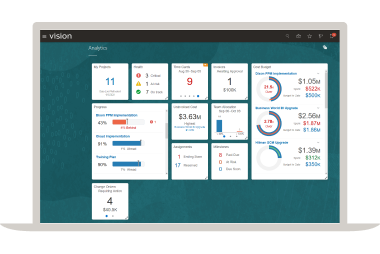
What is Oracle Cloud ERP System?
The Oracle Cloud ERP (Enterprise Resource Planning) system is a comprehensive suite of cloud-based applications designed to streamline and automate business processes across various departments. It integrates core functions such as finance, human resources, supply chain management, and project management into a unified platform. Built on Oracle's robust cloud infrastructure, it offers scalability, security, and real-time analytics to help organizations make data-driven decisions.
Key Features of Oracle Cloud ERP
Oracle Cloud ERP is packed with advanced features that enhance operational efficiency and decision-making. Below are some of its standout capabilities:
- Real-time Analytics: Provides actionable insights through dashboards and reports.
- Automation: Automates repetitive tasks to improve productivity and reduce errors.
- Scalability: Adapts to the growing needs of businesses, from small enterprises to large corporations.
- Integration: Seamlessly connects with other Oracle Cloud applications and third-party systems.
- Security: Offers enterprise-grade security measures to protect sensitive data.
Benefits of Using Oracle Cloud ERP
Implementing Oracle Cloud ERP brings numerous advantages to organizations. Here are the key benefits:
- Cost Efficiency: Reduces operational costs by eliminating the need for on-premise hardware and maintenance.
- Improved Collaboration: Enhances teamwork through centralized data and shared workflows.
- Enhanced Decision-Making: Empowers leaders with real-time data and predictive analytics.
- Flexibility: Supports remote work and mobile access for greater flexibility.
- Global Compliance: Ensures adherence to international regulations and standards.
Core Modules of Oracle Cloud ERP
Oracle Cloud ERP consists of several modules that cater to different business functions. These include:
- Financials: Manages accounting, budgeting, and financial reporting.
- Procurement: Streamlines purchasing and supplier management processes.
- Project Management: Tracks project progress, resources, and costs.
- Risk Management: Identifies and mitigates potential risks to the business.
- Human Capital Management (HCM): Handles recruitment, payroll, and employee performance.
How Oracle Cloud ERP Transforms Businesses
Oracle Cloud ERP revolutionizes the way organizations operate by leveraging cutting-edge technology. Below are the ways it drives transformation:
- Digital Transformation: Shifts businesses from traditional systems to modern, cloud-based solutions.
- Process Optimization: Streamlines workflows to improve efficiency and reduce bottlenecks.
- Data-Driven Culture: Encourages the use of analytics for strategic planning and execution.
- Customer Experience: Enhances customer satisfaction through faster and more accurate service delivery.
- Innovation: Enables businesses to adopt emerging technologies like AI and machine learning.
How is the ERP system different from traditional?
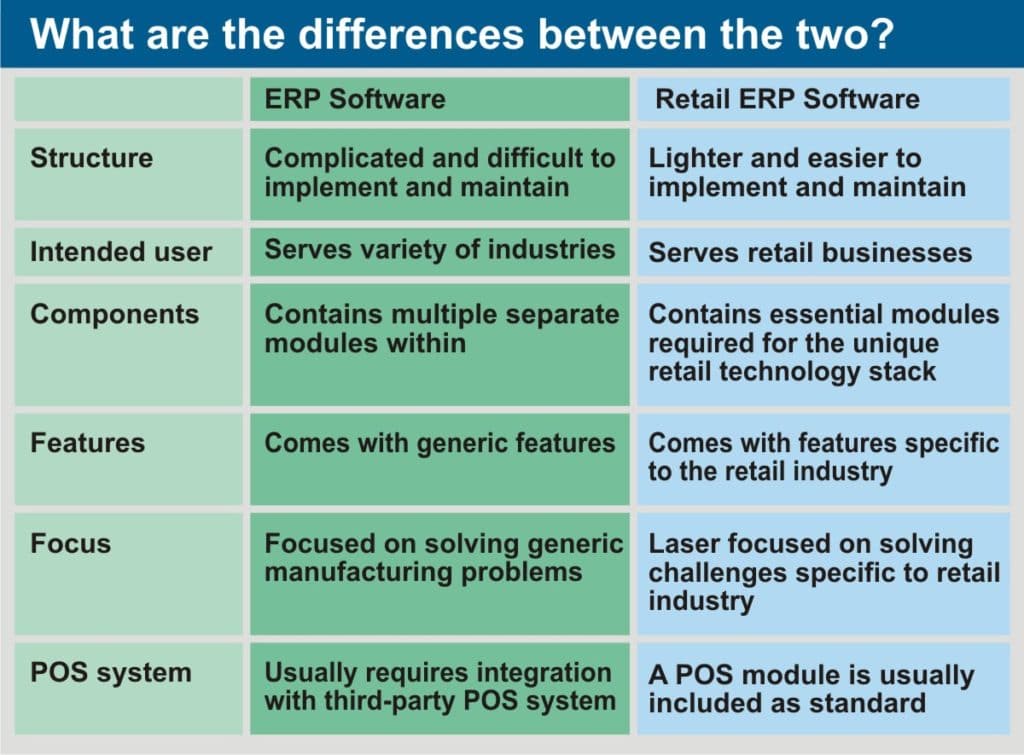
Centralization vs. Decentralization
An ERP system centralizes all business processes into a single unified platform, whereas traditional systems often rely on decentralized software solutions for different departments. This centralization offers several advantages:
- Data consistency: All departments access the same data, reducing discrepancies.
- Streamlined workflows: Processes are integrated, eliminating redundant tasks.
- Real-time updates: Changes in one module reflect instantly across the entire system.
Automation Capabilities
ERP systems excel in automation, which is a significant departure from traditional systems that often require manual intervention. Key automation features include:
- Automated reporting: Generates reports without manual data entry.
- Workflow automation: Reduces human error and speeds up processes.
- Inventory management: Automatically updates stock levels and reorders supplies.
Scalability and Flexibility
Unlike traditional systems, ERP systems are designed to be scalable and flexible, accommodating business growth and changing needs. This is achieved through:
- Modular design: Allows businesses to add or remove features as needed.
- Cloud-based options: Facilitates remote access and scalability.
- Customization: Adapts to specific industry requirements.
Integration with Other Systems
ERP systems are built to integrate seamlessly with other software, unlike traditional systems that often operate in silos. This integration provides:
- Cross-platform compatibility: Works with various third-party applications.
- Unified data flow: Ensures smooth data exchange between systems.
- Enhanced collaboration: Breaks down departmental barriers.
Cost Efficiency Over Time
While the initial investment in an ERP system may be higher, it proves to be more cost-efficient in the long run compared to traditional systems. This is due to:
- Reduced operational costs: Automation and integration lower labor and maintenance expenses.
- Improved resource allocation: Optimizes the use of resources across the organization.
- Lower risk of errors: Minimizes costly mistakes through centralized data management.
What is the difference between ERP and Oracle?
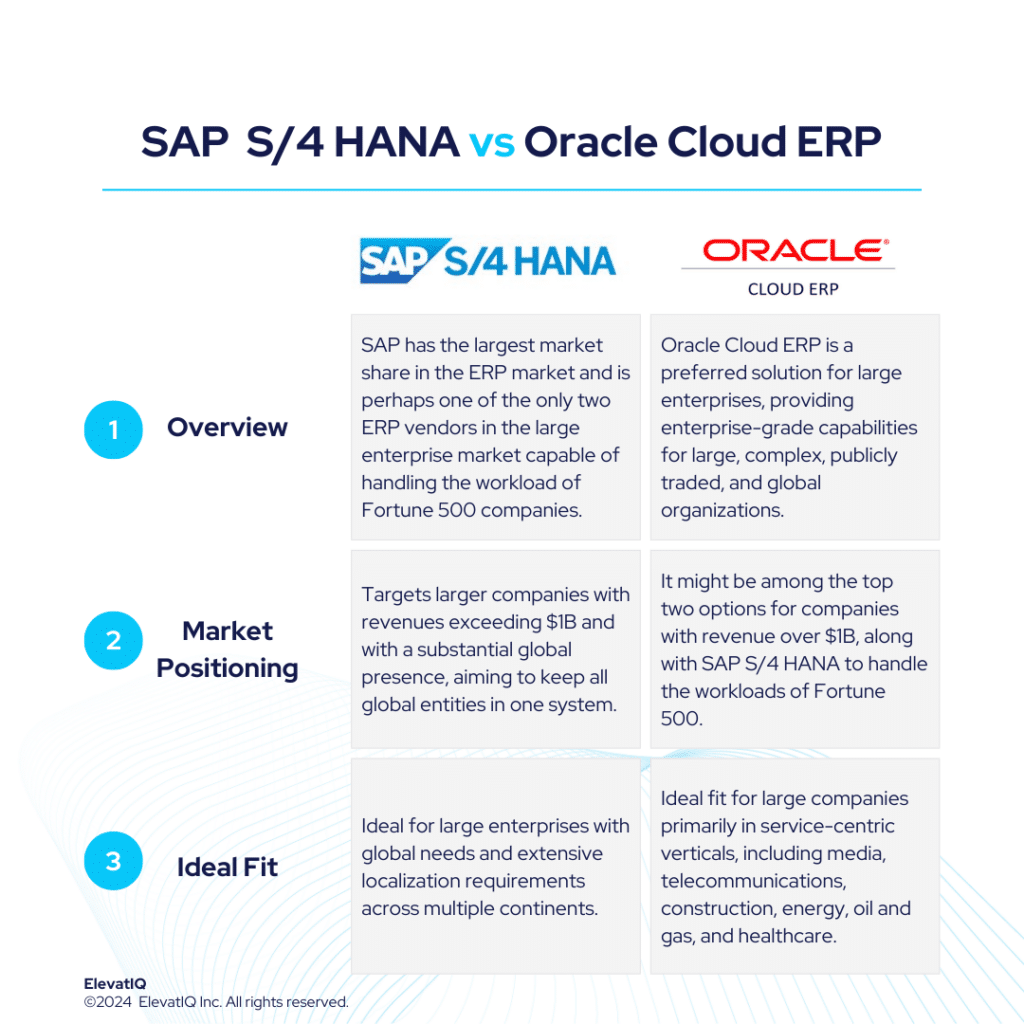
What is ERP?
ERP (Enterprise Resource Planning) is a type of software system that integrates various business processes and functions into a single unified system. It is designed to streamline operations, improve efficiency, and provide real-time data across departments such as finance, human resources, supply chain, and manufacturing. ERP systems are used by organizations to manage day-to-day activities and support decision-making processes.
- Integration: ERP systems integrate multiple business functions into one platform.
- Automation: They automate repetitive tasks, reducing manual effort and errors.
- Real-time Data: ERP provides real-time insights for better decision-making.
What is Oracle?
Oracle is a multinational technology company that provides a wide range of software and hardware solutions, including databases, cloud services, and enterprise software. Oracle is also known for its Oracle ERP Cloud, which is a specific ERP solution offered by the company. Oracle's ERP systems are part of its broader portfolio of business applications.
- Company: Oracle is a technology company offering various solutions.
- ERP Solutions: Oracle provides ERP software as part of its product offerings.
- Cloud Services: Oracle ERP Cloud is a popular cloud-based ERP solution.
Key Differences Between ERP and Oracle
The main difference between ERP and Oracle is that ERP refers to a category of software systems, while Oracle is a company that offers ERP solutions among other products. ERP is a broad concept, whereas Oracle is a specific provider of ERP and other technologies.
- Scope: ERP is a category; Oracle is a company.
- Product Range: Oracle offers ERP as part of its diverse portfolio.
- Customization: Oracle ERP solutions can be tailored to specific business needs.
ERP Systems vs. Oracle ERP
While ERP systems are general-purpose software for managing business processes, Oracle ERP refers specifically to the ERP solutions developed by Oracle. Oracle ERP systems often include advanced features like AI, machine learning, and robust cloud capabilities.
- General vs. Specific: ERP systems are generic; Oracle ERP is a specific product.
- Advanced Features: Oracle ERP includes cutting-edge technologies.
- Cloud Integration: Oracle ERP Cloud is a leading cloud-based ERP solution.
Choosing Between ERP and Oracle
When deciding between a general ERP system and Oracle ERP, businesses should consider factors like budget, scalability, and specific needs. Oracle ERP is ideal for organizations seeking advanced features and cloud-based solutions, while other ERP systems may be more suitable for simpler requirements.
- Budget: Oracle ERP may require a higher investment compared to other ERP systems.
- Scalability: Oracle ERP is highly scalable for growing businesses.
- Customization: Oracle ERP offers extensive customization options.
Frequently Asked Questions (FAQ)
What is Oracle Cloud ERP?
Oracle Cloud ERP is a comprehensive suite of enterprise resource planning (ERP) applications delivered via the cloud. It is designed to help organizations manage their core business processes, such as finance, procurement, project management, and supply chain operations, in a unified and efficient manner. Unlike traditional ERP systems, Oracle Cloud ERP leverages cloud technology to provide real-time data access, scalability, and flexibility, enabling businesses to adapt quickly to changing market conditions and operational demands.
How does Oracle Cloud ERP differ from traditional ERP systems?
Oracle Cloud ERP differs from traditional ERP systems in several key ways. First, it operates on a cloud-based infrastructure, eliminating the need for on-premises hardware and reducing IT maintenance costs. Second, it offers real-time analytics and insights, allowing businesses to make data-driven decisions faster. Third, Oracle Cloud ERP is highly scalable, enabling organizations to easily adjust resources based on their needs. Finally, it provides continuous updates and innovations, ensuring that businesses always have access to the latest features and security enhancements without requiring manual upgrades.
What are the key benefits of using Oracle Cloud ERP?
The key benefits of using Oracle Cloud ERP include improved efficiency, cost savings, and enhanced decision-making. By centralizing and automating core business processes, organizations can reduce manual workloads and minimize errors. The cloud-based nature of the system also reduces infrastructure costs and provides flexibility for remote work. Additionally, the platform's advanced analytics and reporting tools enable businesses to gain deeper insights into their operations, helping them identify opportunities for growth and optimization.
Is Oracle Cloud ERP suitable for small and medium-sized businesses (SMBs)?
Yes, Oracle Cloud ERP is suitable for small and medium-sized businesses (SMBs). While it is often associated with large enterprises, Oracle has designed its cloud ERP solutions to be scalable and adaptable for businesses of all sizes. SMBs can benefit from its modular approach, allowing them to start with specific functionalities and expand as their needs grow. Additionally, the pay-as-you-go pricing model makes it more accessible for SMBs, as they only pay for the services they use, avoiding large upfront investments typically associated with traditional ERP systems.
Deja una respuesta
Entradas Relacionadas