
What are some cheap and easy to use white-label online marketplace platforms (SaaS)?


In today’s digital-first economy, launching an online marketplace has become more accessible than ever, thanks to white-label SaaS platforms. These solutions offer entrepreneurs and businesses a cost-effective and efficient way to create customized marketplaces without the need for extensive technical expertise. With pre-built features, scalable infrastructure, and user-friendly interfaces, white-label platforms enable quick deployment and seamless branding. Whether you're a startup or an established business, these tools provide the flexibility to adapt to various industries and customer needs. This article explores some of the most affordable and easy-to-use white-label online marketplace platforms, helping you find the right solution to bring your vision to life.
What Are Some Cheap and Easy-to-Use White-Label Online Marketplace Platforms (SaaS)?
When it comes to building an online marketplace without breaking the bank, white-label SaaS platforms are a great solution. These platforms allow you to create a fully customizable marketplace under your own brand, without the need for extensive technical knowledge. Below, we explore some affordable and user-friendly options, along with their key features.
1. What Is a White-Label Online Marketplace Platform?
A white-label online marketplace platform is a SaaS solution that enables businesses to create and manage their own branded marketplace. These platforms come with pre-built features like product listings, payment gateways, and user management, allowing you to focus on growing your business rather than developing the technology from scratch.
2. Key Features to Look for in a White-Label Marketplace Platform
When choosing a white-label marketplace platform, consider the following features:
- Custom branding: Ability to fully brand the platform with your logo and design.
- User-friendly interface: Easy-to-use dashboard for managing products, orders, and users.
- Payment integration: Support for multiple payment gateways like PayPal, Stripe, etc.
- Scalability: Ability to handle growth as your marketplace expands.
- Mobile responsiveness: Ensures your marketplace works seamlessly on all devices.
3. Top Affordable White-Label Marketplace Platforms
Here are some of the most cost-effective and easy-to-use white-label marketplace platforms:
| Platform | Starting Price | Key Features |
|---|---|---|
| Sharetribe | $79/month | Custom branding, payment integration, mobile-friendly |
| Arcadier | $99/month | Multi-vendor support, scalable, easy setup |
| Yo!Kart | $999 (one-time fee) | Fully customizable, SEO-friendly, multi-currency support |
| MarketHive | Free (with premium upgrades) | Social media integration, CRM tools, affiliate marketing |
| CS-Cart Multi-Vendor | $1,450 (one-time fee) | Advanced customization, multi-language support, robust analytics |
4. Benefits of Using a White-Label Marketplace Platform
Using a white-label marketplace platform offers several advantages:
- Cost-effective: Saves money compared to building a marketplace from scratch.
- Time-saving: Quick setup and deployment.
- Flexibility: Customizable to fit your specific business needs.
- No technical expertise required: User-friendly interfaces make it accessible for non-technical users.
- Scalability: Grow your marketplace without worrying about infrastructure limitations.
5. How to Choose the Right Platform for Your Business
To select the best white-label marketplace platform for your needs, consider the following steps:
1. Define your budget: Determine how much you’re willing to spend monthly or upfront.
2. Identify your requirements: List the features you need, such as payment options, customization, and scalability.
3. Compare platforms: Use the table above to evaluate the pros and cons of each platform.
4. Test the platform: Many platforms offer free trials or demos to help you make an informed decision.
5. Check customer support: Ensure the platform provides reliable support for troubleshooting and updates.
What is the best white label marketplace platform?
What is a White Label Marketplace Platform?
A white label marketplace platform is a customizable software solution that allows businesses to create and manage their own branded online marketplace. These platforms provide the infrastructure, tools, and features needed to build a marketplace without requiring extensive technical expertise. Businesses can rebrand the platform as their own, offering a seamless experience to their customers while focusing on their core operations.
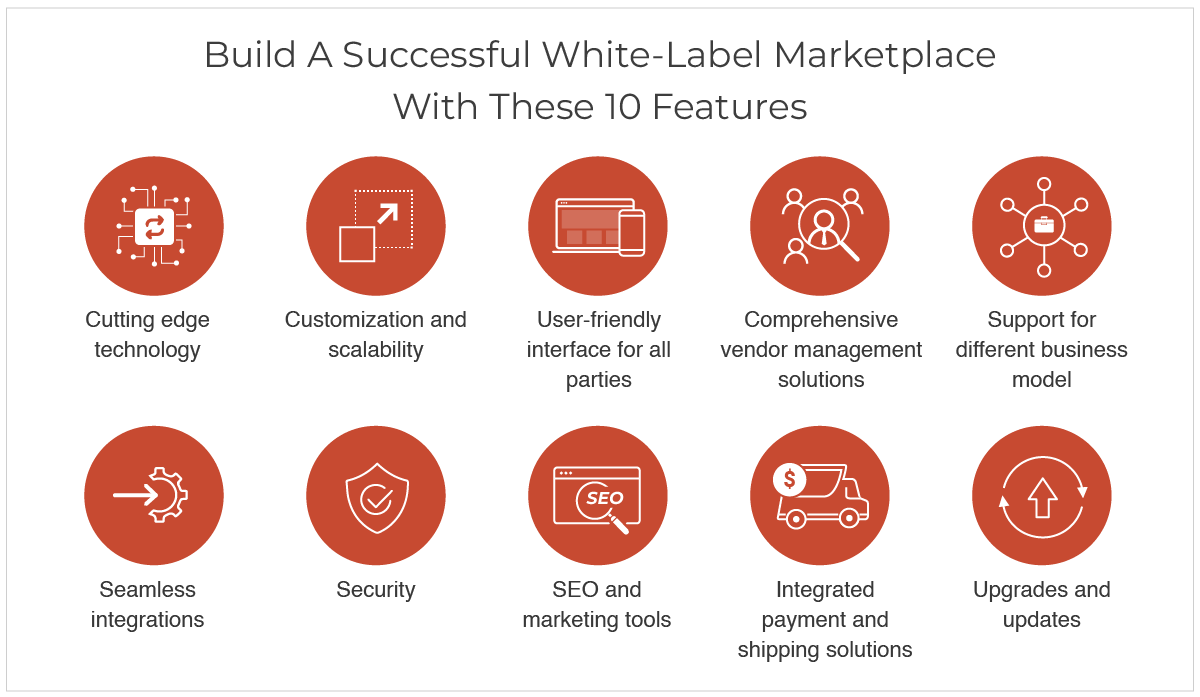
- Customization: Tailor the platform to match your brand's identity, including logos, colors, and design elements.
- Scalability: Handle growing traffic and transactions as your marketplace expands.
- Multi-vendor Support: Enable multiple sellers to list and sell products or services on your platform.
Key Features to Look for in a White Label Marketplace Platform
When choosing the best white label marketplace platform, it’s essential to evaluate the features that align with your business goals. A robust platform should offer tools to streamline operations, enhance user experience, and ensure security.
- User-Friendly Interface: Ensure the platform is easy to navigate for both administrators and end-users.
- Payment Gateway Integration: Support for multiple payment options to facilitate smooth transactions.
- SEO and Marketing Tools: Built-in tools to optimize your marketplace for search engines and run marketing campaigns.
Top White Label Marketplace Platforms in 2023
Several white label marketplace platforms stand out in 2023 due to their advanced features, reliability, and flexibility. These platforms cater to various industries and business sizes, making them suitable for diverse needs.
- Sharetribe: Known for its ease of use and flexibility, ideal for startups and small businesses.
- Magento: A powerful platform for large-scale marketplaces with extensive customization options.
- Yo!Kart: Offers a comprehensive suite of tools for building multi-vendor marketplaces.
Benefits of Using a White Label Marketplace Platform
Using a white label marketplace platform provides numerous advantages, from cost savings to faster time-to-market. These platforms eliminate the need for building a marketplace from scratch, allowing businesses to focus on growth and customer engagement.
- Cost-Effective: Reduces development costs compared to building a custom solution.
- Time-Saving: Launch your marketplace quickly with pre-built features and templates.
- Brand Control: Maintain full control over branding and user experience.
How to Choose the Right White Label Marketplace Platform
Selecting the right white label marketplace platform requires careful consideration of your business needs, budget, and technical requirements. It’s crucial to choose a platform that aligns with your long-term goals and offers the necessary support.
- Define Your Requirements: Identify the features and functionalities you need for your marketplace.
- Evaluate Pricing: Compare pricing plans and ensure they fit within your budget.
- Check Reviews and Support: Research user reviews and assess the quality of customer support provided.
What is a white label SaaS example?
What is a White Label SaaS Example?
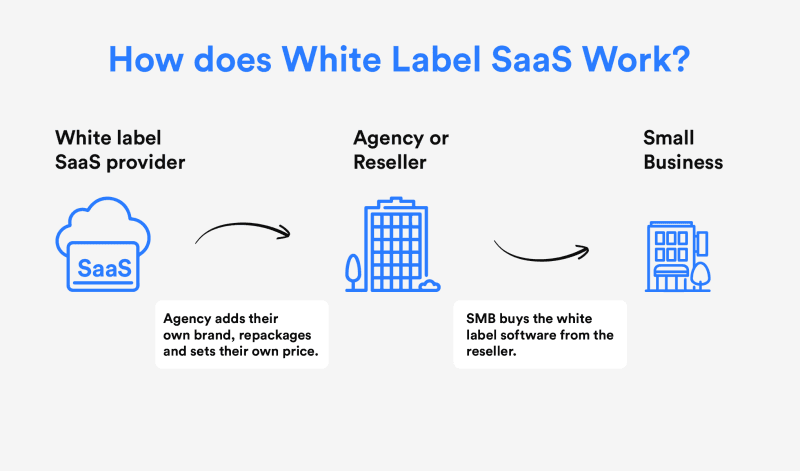
A white label SaaS example refers to a software-as-a-service product that is developed by one company but rebranded and sold by another company as its own. This allows businesses to offer software solutions without investing in the development process. For instance, a marketing agency might use a white label SaaS platform for email marketing, rebrand it with their logo and branding, and sell it to their clients as their proprietary tool.
How Does White Label SaaS Work?
White label SaaS works through a partnership between the original software provider and the reseller. Here’s how it typically operates:
- The software provider develops the SaaS product and ensures it is fully functional.
- The reseller purchases the rights to rebrand the software with their own logo, colors, and branding elements.
- The reseller markets and sells the product to their clients as if it were their own, often adding their own support and services.
Benefits of Using White Label SaaS
Using a white label SaaS solution offers several advantages for businesses:
- Cost-Effective: Eliminates the need for expensive software development.
- Time-Saving: Allows businesses to launch products quickly without lengthy development cycles.
- Brand Customization: Enables companies to maintain brand consistency by customizing the software to match their identity.
Common Industries Using White Label SaaS
White label SaaS is widely used across various industries. Some of the most common include:
- Marketing Agencies: Offering tools like email marketing, social media management, or SEO analytics.
- E-commerce Platforms: Providing inventory management, payment processing, or customer relationship management (CRM) tools.
- Financial Services: Delivering accounting software, tax preparation tools, or investment platforms.
Key Features to Look for in a White Label SaaS
When choosing a white label SaaS solution, consider the following features:
- Customization Options: Ensure the software can be fully rebranded to match your business identity.
- Scalability: The platform should grow with your business and handle increasing demands.
- Reliable Support: Access to technical support and updates from the original provider is crucial.
What is an example of a white label platform?
What is a White Label Platform?
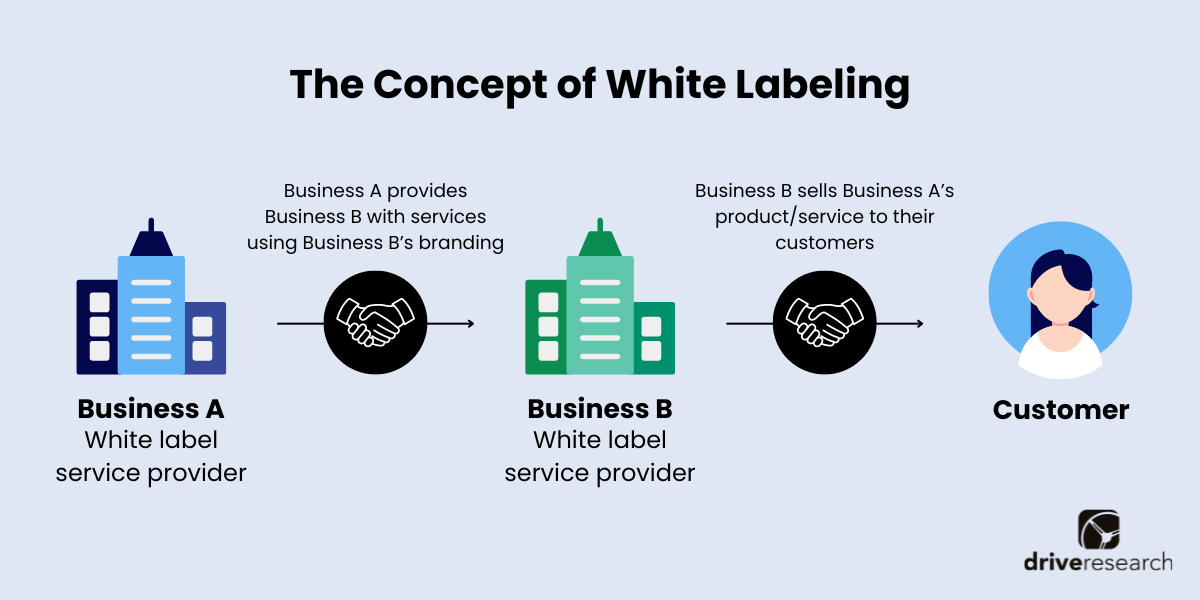
A white label platform is a product or service created by one company but rebranded and sold by another company as its own. An example of a white label platform is Shopify Plus, which allows businesses to create and manage their e-commerce stores under their own brand name. The platform is fully customizable, enabling companies to tailor it to their specific needs while maintaining a seamless brand experience for their customers.
Key Features of a White Label Platform
White label platforms are designed to be flexible and adaptable. Here are some of their key features:
- Custom Branding: Companies can add their logos, colors, and branding elements to make the platform appear as their own.
- Scalability: These platforms are built to handle growth, making them suitable for businesses of all sizes.
- Cost-Effectiveness: By using a white label solution, businesses save on development costs and time.
Benefits of Using a White Label Platform
Using a white label platform offers numerous advantages for businesses. Below are some of the most notable benefits:
- Faster Time-to-Market: Businesses can launch their services quickly without needing to build a platform from scratch.
- Focus on Core Competencies: Companies can concentrate on marketing and customer service while the platform handles the technical aspects.
- Enhanced Credibility: A professionally designed platform boosts the company's reputation and trustworthiness.
Industries That Use White Label Platforms
White label platforms are versatile and used across various industries. Here are some examples:
- E-commerce: Platforms like Shopify Plus enable businesses to create online stores.
- Finance: Companies use white label solutions for payment processing and banking apps.
- Software Development: Many SaaS providers offer white label versions of their tools.
How to Choose the Right White Label Platform
Selecting the right white label platform requires careful consideration. Here are some factors to keep in mind:
- Customization Options: Ensure the platform allows for extensive branding and feature adjustments.
- Support and Maintenance: Look for platforms that offer reliable customer support and regular updates.
- Integration Capabilities: The platform should integrate seamlessly with other tools and systems your business uses.
What is a SaaS marketplace?
What is a SaaS Marketplace?
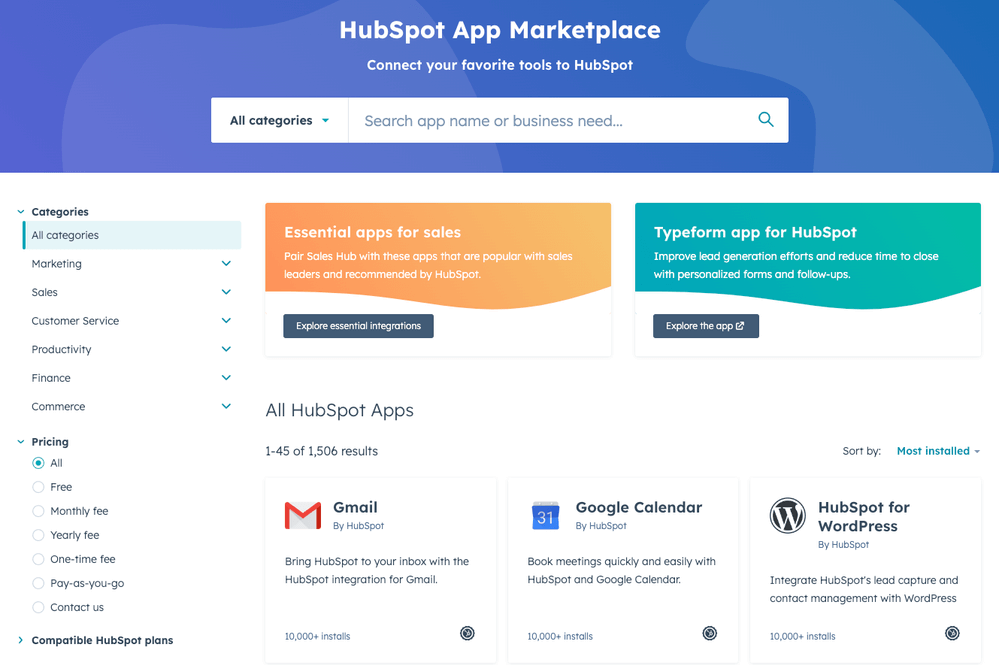
A SaaS Marketplace is an online platform where Software as a Service (SaaS) applications are listed, allowing businesses and individuals to discover, purchase, and integrate various software solutions. These marketplaces act as centralized hubs, offering a wide range of applications that cater to different business needs, such as CRM tools, project management software, marketing automation, and more. They often provide features like user reviews, ratings, and trial options to help users make informed decisions.
How Does a SaaS Marketplace Work?
A SaaS Marketplace operates as a digital storefront where vendors list their software solutions, and customers can browse, compare, and purchase them. Here’s how it works:
- Vendors list their products: SaaS providers upload their applications, including details like features, pricing, and compatibility.
- Customers explore options: Users can search for tools based on categories, features, or specific business needs.
- Integration and deployment: Many marketplaces offer seamless integration with existing systems, making it easy to deploy new tools.
Benefits of Using a SaaS Marketplace
Using a SaaS Marketplace offers several advantages for both businesses and software providers:
- Centralized access: Users can find multiple solutions in one place, saving time and effort.
- Cost efficiency: Many marketplaces offer competitive pricing, discounts, or bundled deals.
- Enhanced security: Reputable marketplaces vet vendors, ensuring that listed applications meet security standards.
Key Features of a SaaS Marketplace
A SaaS Marketplace typically includes several key features to enhance the user experience:
- Search and filtering: Advanced search options allow users to find tools based on specific criteria like industry, pricing, or functionality.
- User reviews and ratings: These help potential buyers evaluate the quality and reliability of the software.
- Integration capabilities: Many marketplaces support integrations with popular platforms like Salesforce, Slack, or Microsoft Teams.
Examples of Popular SaaS Marketplaces
Several well-known SaaS Marketplaces cater to different industries and needs:
- Salesforce AppExchange: A leading marketplace for CRM and business applications.
- Microsoft Azure Marketplace: Offers a wide range of cloud-based solutions and services.
- Shopify App Store: Focuses on e-commerce tools and integrations for online stores.
Frequently Asked Questions (FAQ)
What are some affordable white-label online marketplace platforms?
When looking for affordable white-label online marketplace platforms, consider options like Sharetribe, Arcadier, and MarketHive. These platforms offer cost-effective solutions for creating and managing your own marketplace without the need for extensive technical expertise. They provide customizable templates, user-friendly interfaces, and scalable features that cater to businesses of all sizes. Additionally, these platforms often include essential tools like payment processing, user management, and analytics to help you streamline operations and grow your marketplace efficiently.
Which white-label marketplace platforms are easy to use for beginners?
For beginners, easy-to-use white-label marketplace platforms like Sharetribe and Yo!Kart are highly recommended. These platforms are designed with intuitive interfaces and drag-and-drop functionality, making it simple for users with little to no technical background to set up and manage their marketplaces. They also offer comprehensive documentation, tutorials, and customer support to guide you through the process. With pre-built templates and modular designs, you can quickly launch your marketplace without the need for extensive customization or coding knowledge.
What features should I look for in a cheap white-label marketplace platform?
When selecting a cheap white-label marketplace platform, prioritize features such as customizability, scalability, and integrated payment systems. Platforms like Arcadier and MarketHive offer these features at competitive prices. Look for platforms that provide multi-vendor support, SEO tools, and mobile responsiveness to ensure your marketplace can grow and adapt to changing market demands. Additionally, consider platforms that offer analytics and reporting tools to help you track performance and make data-driven decisions.
Are there any free white-label online marketplace platforms available?
While most white-label online marketplace platforms require a subscription, some offer free trials or freemium models to help you get started. For example, Sharetribe provides a free plan with basic features, allowing you to test the platform before committing to a paid plan. However, keep in mind that free versions may have limitations on customization, storage, and advanced features. If you're looking for a fully-featured platform, it's often worth investing in a paid plan to access the tools and support needed to build a successful marketplace.
Deja una respuesta
Entradas Relacionadas