
How to calculate the marketing budget for a software as a service (SaaS) company


Calculating the marketing budget for a Software as a Service (SaaS) company is a critical step in ensuring sustainable growth and maximizing return on investment. Unlike traditional businesses, SaaS companies operate on subscription-based models, requiring a focus on customer acquisition costs (CAC), lifetime value (LTV), and long-term retention. Determining the right budget involves balancing aggressive growth strategies with financial prudence, while considering factors such as target audience, competition, and market trends. This article explores practical steps to allocate resources effectively, from setting clear goals to leveraging data-driven insights, helping SaaS businesses optimize their marketing spend and achieve scalable success.
- How to Calculate the Marketing Budget for a Software as a Service (SaaS) Company
-
How much should a SaaS company spend on marketing?
- What Percentage of Revenue Should a SaaS Company Allocate to Marketing?
- How Does Customer Acquisition Cost (CAC) Impact Marketing Budget?
- What Role Does Growth Stage Play in Marketing Spend?
- Which Marketing Channels Deliver the Best ROI for SaaS Companies?
- How Can SaaS Companies Balance Marketing Spend and Profitability?
- What is the formula for marketing budget?
- What are the four P's of marketing in SaaS?
- How to find a company's marketing budget?
-
Frequently Asked Questions (FAQ)
- What factors should be considered when calculating the marketing budget for a SaaS company?
- What percentage of revenue should a SaaS company allocate to marketing?
- How can a SaaS company determine its Customer Acquisition Cost (CAC)?
- What role does Lifetime Value (LTV) play in setting a SaaS marketing budget?
How to Calculate the Marketing Budget for a Software as a Service (SaaS) Company
Calculating the marketing budget for a SaaS company is a critical step in ensuring sustainable growth and maximizing return on investment (ROI). Unlike traditional businesses, SaaS companies often rely on recurring revenue models, which means their marketing strategies must focus on customer acquisition, retention, and lifetime value. Below, we break down the key steps and considerations for determining an effective marketing budget.
1. Understand Your Revenue Goals
To calculate your marketing budget, start by defining your revenue goals. SaaS companies typically allocate a percentage of their projected revenue to marketing. A common benchmark is to spend 20-30% of annual revenue on marketing during the growth phase. For example, if your SaaS company aims to generate $1 million in revenue, your marketing budget could range between $200,000 and $300,000.
| Revenue Goal | Marketing Budget (20-30%) |
|---|---|
| $500,000 | $100,000 - $150,000 |
| $1,000,000 | $200,000 - $300,000 |
| $2,000,000 | $400,000 - $600,000 |
2. Determine Your Customer Acquisition Cost (CAC)
Customer Acquisition Cost (CAC) is a crucial metric for SaaS companies. It represents the total cost of acquiring a new customer, including marketing and sales expenses. To calculate CAC, divide your total marketing and sales costs by the number of new customers acquired in a specific period. For example, if you spend $50,000 on marketing and acquire 500 customers, your CAC is $100.
| Total Marketing Spend | New Customers Acquired | CAC |
|---|---|---|
| $50,000 | 500 | $100 |
| $100,000 | 800 | $125 |
3. Analyze Your Customer Lifetime Value (CLV)
Customer Lifetime Value (CLV) measures the total revenue a customer generates during their relationship with your SaaS company. A healthy SaaS business typically has a CLV that is 3x higher than the CAC. To calculate CLV, multiply the average revenue per user (ARPU) by the average customer lifespan. For instance, if your ARPU is $50 and the average lifespan is 24 months, your CLV is $1,200.
| ARPU | Average Lifespan (Months) | CLV |
|---|---|---|
| $50 | 24 | $1,200 |
| $75 | 36 | $2,700 |
4. Allocate Budget Across Marketing Channels
Once you have a total marketing budget, allocate it across different marketing channels based on their performance and ROI. Common channels for SaaS companies include paid advertising, content marketing, email marketing, and social media. For example, if paid ads generate the highest ROI, allocate a larger portion of your budget to this channel.
| Marketing Channel | Budget Allocation (%) |
|---|---|
| Paid Advertising | 40% |
| Content Marketing | 30% |
| Email Marketing | 20% |
| Social Media | 10% |
5. Monitor and Adjust Your Budget Regularly
SaaS companies operate in a dynamic environment, so it’s essential to monitor and adjust your marketing budget regularly. Use analytics tools to track the performance of each channel and reallocate funds to the most effective strategies. For example, if content marketing outperforms paid ads in Q1, consider shifting more budget to content marketing in Q2.
| Quarter | Channel Performance | Budget Adjustment |
|---|---|---|
| Q1 | Content Marketing: High ROI | Increase Budget by 10% |
| Q2 | Paid Ads: Low ROI | Decrease Budget by 15% |
How much should a SaaS company spend on marketing?
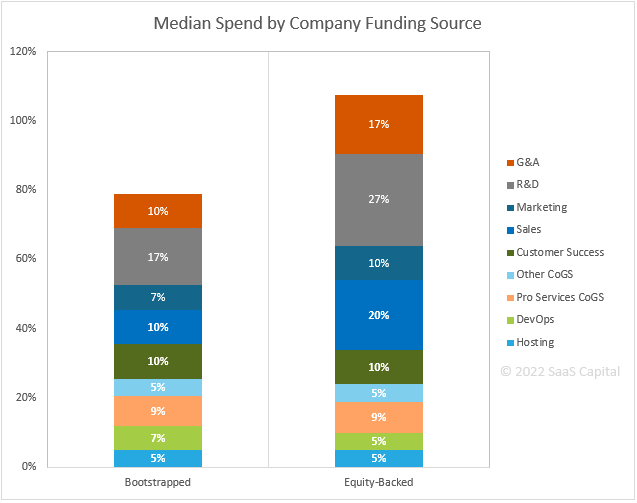
What Percentage of Revenue Should a SaaS Company Allocate to Marketing?
Determining the appropriate percentage of revenue to allocate to marketing is crucial for a SaaS company. Typically, SaaS companies spend between 20% to 40% of their revenue on marketing, depending on their growth stage and goals. Here are some key considerations:
- Early-stage companies often allocate a higher percentage (30%-40%) to aggressively acquire customers and build brand awareness.
- Established companies may spend closer to 20%-30% of revenue, focusing on retention and upselling.
- High-growth companies might exceed 40% to capture market share quickly.
How Does Customer Acquisition Cost (CAC) Impact Marketing Budget?
Customer Acquisition Cost (CAC) is a critical metric that directly influences how much a SaaS company should spend on marketing. A well-balanced marketing budget ensures that CAC remains sustainable. Consider the following:
- Calculate CAC by dividing total marketing and sales expenses by the number of new customers acquired.
- Compare CAC to Customer Lifetime Value (CLTV); a healthy ratio is typically 1:3 (CAC:CLTV).
- Optimize marketing channels to reduce CAC while maintaining or increasing customer quality.
What Role Does Growth Stage Play in Marketing Spend?
The growth stage of a SaaS company significantly impacts its marketing budget allocation. Different stages require different strategies:
- Startup phase: Focus on brand awareness and lead generation, often requiring a higher marketing spend.
- Growth phase: Allocate resources to scale campaigns and optimize conversion rates.
- Maturity phase: Shift focus to retention, upselling, and maximizing ROI from existing customers.
Which Marketing Channels Deliver the Best ROI for SaaS Companies?
Choosing the right marketing channels is essential for maximizing ROI. SaaS companies often find success with the following:
- Content marketing: Blogs, whitepapers, and eBooks to educate and attract potential customers.
- Paid advertising: Google Ads, LinkedIn Ads, and retargeting campaigns to drive targeted traffic.
- Email marketing: Nurture leads and retain existing customers through personalized campaigns.
How Can SaaS Companies Balance Marketing Spend and Profitability?
Balancing marketing spend with profitability is a challenge for SaaS companies. Here are some strategies to achieve this balance:
- Track key metrics like CAC, CLTV, and marketing ROI to ensure spending aligns with revenue goals.
- Experiment with low-cost channels such as organic social media and SEO to reduce dependency on paid ads.
- Regularly review and adjust the marketing budget based on performance data and market conditions.
What is the formula for marketing budget?

What is the Formula for Marketing Budget?
The formula for calculating a marketing budget typically involves allocating a percentage of your company's revenue or projected revenue to marketing activities. A common approach is to use the following formula:
- Percentage of Revenue Method: Allocate a fixed percentage (e.g., 5-10%) of your total revenue or projected revenue to marketing. This percentage can vary depending on your industry, business size, and growth stage.
- Objective-Based Method: Determine your marketing goals (e.g., increasing brand awareness, generating leads) and calculate the budget required to achieve those objectives.
- Competitive Parity Method: Analyze your competitors' marketing spend and allocate a similar budget to remain competitive in your market.
Factors Influencing the Marketing Budget
Several factors can influence how much you should allocate to your marketing budget. These include:
- Business Size: Larger companies often allocate a higher percentage of revenue to marketing compared to smaller businesses.
- Industry Standards: Some industries, like technology or retail, may require higher marketing budgets due to intense competition.
- Growth Stage: Startups and businesses in growth phases may need to invest more in marketing to establish their presence.
How to Allocate a Marketing Budget Across Channels
Once you have determined your total marketing budget, it’s essential to allocate it effectively across various channels. Consider the following:
- Digital Marketing: Allocate funds to online channels like social media, search engine optimization (SEO), and pay-per-click (PPC) advertising.
- Traditional Marketing: Include offline methods such as print ads, TV, and radio if they align with your target audience.
- Content Marketing: Invest in creating valuable content like blogs, videos, and infographics to engage your audience.
Common Mistakes When Setting a Marketing Budget
Many businesses make errors when planning their marketing budget. Avoid these common pitfalls:
- Underestimating Costs: Failing to account for hidden expenses like software tools or agency fees.
- Ignoring ROI: Not tracking the return on investment (ROI) of your marketing efforts can lead to overspending.
- Lack of Flexibility: Not adjusting the budget based on performance or market changes can hinder results.
Tools to Help Manage Your Marketing Budget
Using the right tools can simplify budget management and ensure optimal allocation. Consider these options:
- Budgeting Software: Tools like QuickBooks or FreshBooks can help track expenses and revenue.
- Marketing Analytics Platforms: Platforms like Google Analytics or HubSpot provide insights into campaign performance.
- Spreadsheet Templates: Customizable templates in Excel or Google Sheets can help plan and monitor your budget.
What are the four P's of marketing in SaaS?
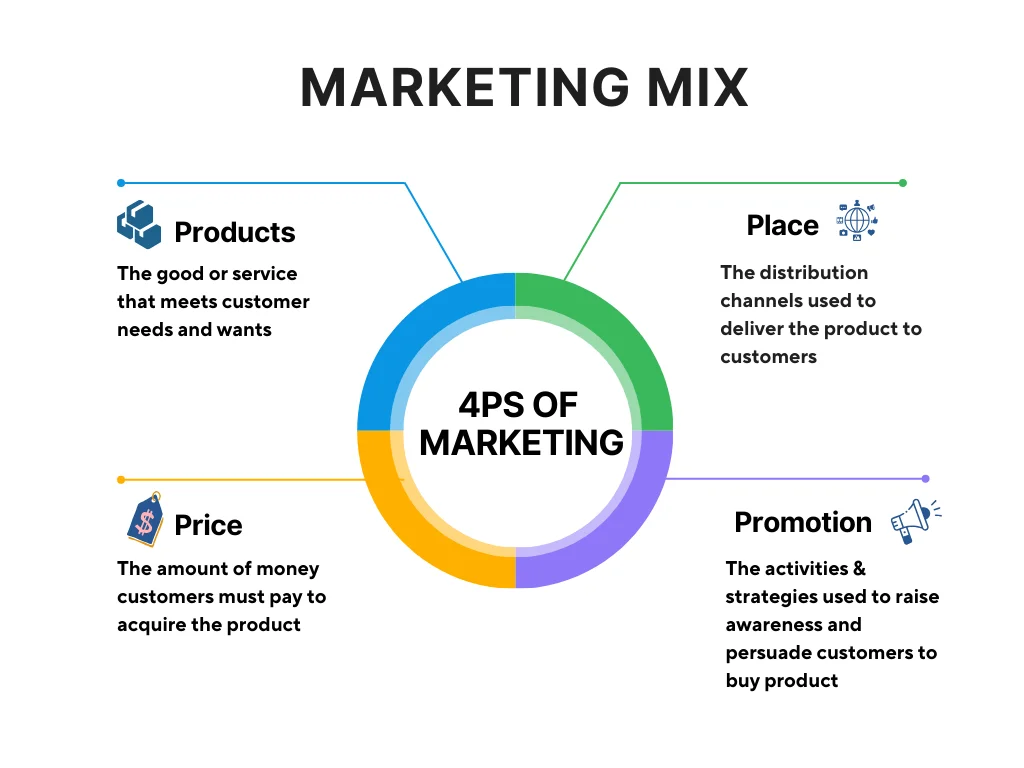
Understanding the Four P's of Marketing in SaaS
The Four P's of marketing—Product, Price, Place, and Promotion—are foundational elements in traditional marketing. In the context of SaaS (Software as a Service), these principles are adapted to fit the unique characteristics of digital products and subscription-based models. Below is a detailed breakdown of how each P applies to SaaS marketing.
1. Product: Tailoring SaaS Solutions to Customer Needs
In SaaS, the product is the software itself, delivered as a service. Unlike physical products, SaaS offerings are intangible and often require continuous updates and improvements. Key considerations include:
- Functionality: Ensure the software solves specific customer pain points effectively.
- User Experience (UX): Focus on intuitive design and ease of use to enhance customer satisfaction.
- Scalability: Design the product to grow with the customer's needs, offering flexible plans or features.
2. Price: Structuring Subscription Models for SaaS
Pricing in SaaS is typically subscription-based, which requires careful planning to attract and retain customers. Important factors include:
- Tiered Pricing: Offer multiple pricing tiers to cater to different customer segments, such as small businesses or enterprises.
- Value-Based Pricing: Align pricing with the perceived value of the software to the customer.
- Free Trials and Freemium Models: Use these strategies to lower the barrier to entry and encourage adoption.
3. Place: Delivering SaaS Through Digital Channels
In SaaS, the place refers to the digital platforms where the software is accessed and distributed. Key aspects include:
- Cloud-Based Delivery: Ensure seamless access via the cloud, allowing users to log in from anywhere.
- App Marketplaces: List the product on platforms like the App Store or Google Play to increase visibility.
- Integration with Other Tools: Make the software compatible with popular tools like Slack or Salesforce to enhance usability.
4. Promotion: Marketing SaaS to the Right Audience
Promotion in SaaS involves creating awareness and driving adoption through targeted strategies. Key tactics include:
- Content Marketing: Use blogs, whitepapers, and case studies to educate potential customers about the product's benefits.
- Social Media Campaigns: Leverage platforms like LinkedIn and Twitter to reach decision-makers in businesses.
- Email Marketing: Send personalized emails to nurture leads and encourage upgrades or renewals.
5. Adapting the Four P's for SaaS Success
While the Four P's provide a solid framework, SaaS companies must adapt them to the dynamic nature of the industry. Key considerations include:
- Customer Feedback: Continuously gather and incorporate feedback to improve the product and customer experience.
- Data-Driven Decisions: Use analytics to refine pricing, placement, and promotional strategies.
- Agility: Stay flexible to respond quickly to market changes and emerging trends.
How to find a company's marketing budget?
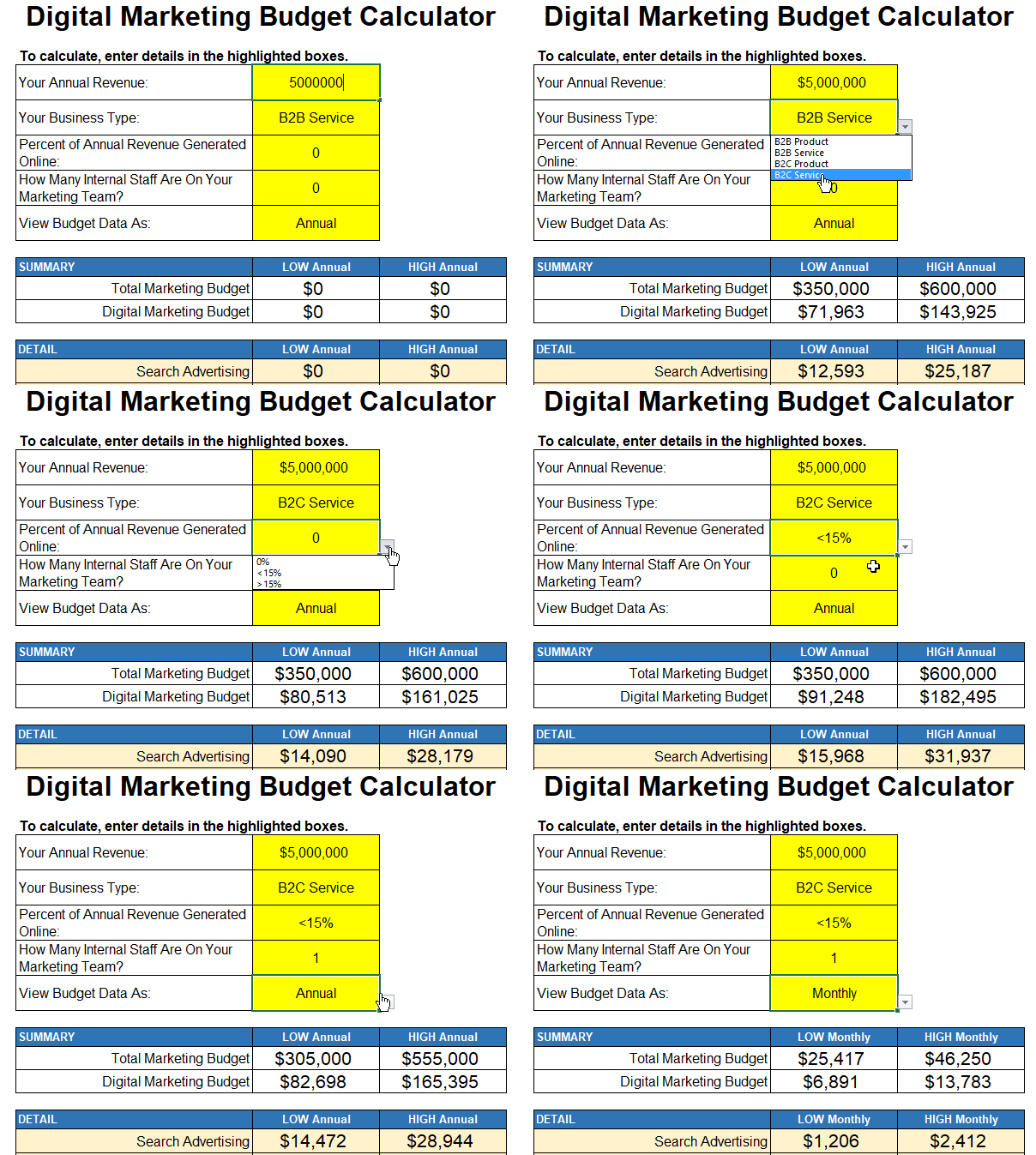
1. Analyze Annual Reports and Financial Statements
One of the most reliable ways to find a company's marketing budget is by examining its annual reports and financial statements. These documents often include detailed breakdowns of expenses, including marketing and advertising costs. Look for sections labeled Operating Expenses or Selling, General, and Administrative Expenses (SG&A). Here's how to approach it:
- Access the company's official website and navigate to the Investor Relations section.
- Download the latest annual report or 10-K filing (for U.S. companies).
- Search for terms like marketing, advertising, or promotion in the document.
2. Review Earnings Calls and Presentations
Companies often discuss their marketing strategies and budgets during earnings calls or investor presentations. These events provide insights into how much they allocate to marketing and their priorities. To gather this information:
- Visit the company's Investor Relations page to access transcripts or recordings of earnings calls.
- Listen for discussions on marketing spend or related initiatives.
- Look for slides or presentations that highlight budget allocations.
3. Use Industry Benchmarks and Research Reports
If direct data is unavailable, you can estimate a company's marketing budget using industry benchmarks. Research firms and marketing agencies often publish reports on average marketing spend by industry. Follow these steps:
- Search for industry-specific marketing reports from reputable sources like Nielsen, eMarketer, or Gartner.
- Compare the company's size and revenue to the industry averages provided in the reports.
- Adjust the estimate based on the company's market position and growth stage.
4. Monitor Job Postings and Marketing Campaigns
A company's marketing budget can often be inferred from its hiring activities and campaign scale. For example, frequent job postings for marketing roles or large-scale campaigns indicate significant investment. Here's how to analyze this:
- Check the company's careers page for marketing-related job openings.
- Observe the scale and frequency of their advertising campaigns across platforms like TV, social media, or search engines.
- Note partnerships with influencers or agencies, which often require substantial budgets.
5. Leverage Competitor Analysis
If the company's marketing budget is not publicly available, analyzing competitors can provide useful insights. Companies in the same industry often allocate similar percentages of revenue to marketing. To conduct this analysis:
- Identify the company's main competitors and gather their financial data.
- Compare their marketing spend as a percentage of revenue.
- Apply the same percentage to the company in question to estimate its budget.
Frequently Asked Questions (FAQ)
What factors should be considered when calculating the marketing budget for a SaaS company?
When calculating the marketing budget for a SaaS company, several key factors must be considered. These include the stage of the company (startup vs. established), the target market, the customer acquisition cost (CAC), and the lifetime value (LTV) of a customer. Additionally, the competitive landscape and the marketing channels you plan to use (e.g., paid ads, content marketing, SEO) will significantly impact your budget. It's also essential to allocate funds for experimentation to test new strategies and optimize existing ones.
What percentage of revenue should a SaaS company allocate to marketing?
The percentage of revenue a SaaS company should allocate to marketing typically ranges between 10% to 30%, depending on the company's growth stage. Early-stage startups often spend a higher percentage (up to 30%) to build brand awareness and acquire customers quickly. In contrast, mature companies may allocate closer to 10%-15% as they focus on optimizing existing campaigns and retaining customers. It's crucial to balance this allocation with other operational expenses to ensure sustainable growth.
How can a SaaS company determine its Customer Acquisition Cost (CAC)?
To determine the Customer Acquisition Cost (CAC), a SaaS company should divide the total marketing and sales expenses by the number of new customers acquired during a specific period. For example, if a company spends $50,000 on marketing and sales in a month and acquires 500 new customers, the CAC would be $100. Understanding CAC is critical because it helps evaluate the efficiency of marketing efforts and ensures that the cost of acquiring a customer does not exceed their lifetime value (LTV).
What role does Lifetime Value (LTV) play in setting a SaaS marketing budget?
Lifetime Value (LTV) is a crucial metric in setting a SaaS marketing budget because it represents the total revenue a company can expect from a customer over their entire relationship. A higher LTV allows for a higher CAC, meaning the company can afford to spend more on marketing to acquire customers. To calculate LTV, multiply the average revenue per user (ARPU) by the average customer lifespan. For example, if a customer pays $50 per month and stays for 24 months, the LTV is $1,200. This metric helps ensure that marketing spend is aligned with long-term profitability.
Deja una respuesta
Entradas Relacionadas