
Length and Equivalents Conversion Calculators


Converting between different units of length can be a tedious task, especially when dealing with various measurement systems. Length and equivalents conversion calculators provide a convenient solution to this problem, allowing users to easily switch between units such as meters, feet, inches, and miles. These calculators can be particularly useful for architects, engineers, and scientists who need to work with precise measurements. With the help of these calculators, users can quickly and accurately convert lengths, saving time and reducing the risk of errors in their calculations and projects. They are essential tools in many fields.
- Length and Equivalents Conversion Calculators: A Comprehensive Guide
- How do you calculate length conversion?
- How to convert different measurements?
- Can a TI-84 do conversions?
- How to convert length into inches?
-
Frequently Asked Questions (FAQs)
- What are Length and Equivalents Conversion Calculators and how do they work?
- What types of length units can be converted using these calculators?
- What are the benefits of using Length and Equivalents Conversion Calculators?
- How can I choose the best Length and Equivalents Conversion Calculator for my needs?
Length and Equivalents Conversion Calculators: A Comprehensive Guide
Length and equivalents conversion calculators are tools used to convert units of length, distance, and measurement from one unit to another. These calculators are widely used in various fields such as engineering, architecture, construction, and science. They help to ensure accuracy and precision in calculations, reducing the risk of errors and miscalculations.
Introduction to Length Conversion Calculators
Length conversion calculators are designed to convert units of length from one system to another. They can convert units such as meters to feet, inches to centimeters, and miles to kilometers. These calculators are essential in everyday life, from building design to travel planning. They provide quick and accurate conversions, saving time and effort.
Types of Length Conversion Calculators
There are several types of length conversion calculators available, including:
| Calculator Type | Description |
|---|---|
| Basic Calculator | Performs simple conversions between units |
| Advanced Calculator | Performs complex conversions and calculations |
| Specialized Calculator | Designed for specific industries or applications |
Benefits of Using Length Conversion Calculators
Using length conversion calculators offers several benefits, including:
Accuracy: Reduces the risk of errors and miscalculations
Efficiency: Saves time and effort in performing conversions
Convenience: Provides quick and easy access to conversions
Flexibility: Can be used in various fields and applications
Common Length Conversion Units
Some common length conversion units include:
Metric units: meters, centimeters, millimeters
Imperial units: feet, inches, yards
US customary units: miles, feet, inches
These units are widely used in various fields and applications, and length conversion calculators can convert between them.
Applications of Length Conversion Calculators
Length conversion calculators have various applications, including:
Engineering: building design, construction, manufacturing
Architecture: design, planning, development
Science: research, experimentation, data analysis
Travel: planning, navigation, route calculation
These calculators are essential in these fields, providing accurate and reliable conversions and calculations.
How do you calculate length conversion?

To calculate length conversion, you need to know the conversion factors between different units of length. The most common units of length are meters, centimeters, millimeters, kilometers, inches, feet, yards, and miles. To convert from one unit to another, you can use a conversion table or conversion formula. For example, to convert meters to feet, you can use the conversion factor of 1 meter = 3.2808 feet.
Understanding Length Conversion Units
To calculate length conversion, it is essential to understand the different units of length and their conversion factors. The most common units of length are metric units such as meters, centimeters, and millimeters, and imperial units such as inches, feet, yards, and miles. The conversion factors between these units are as follows:
- 1 meter = 100 centimeters
- 1 centimeter = 10 millimeters
- 1 inch = 2.54 centimeters
Using Conversion Factors for Length Conversion
Conversion factors are used to convert from one unit of length to another. To use a conversion factor, you need to know the conversion factor between the two units and then multiply or divide the given value by this factor. For example, to convert 5 meters to feet, you can use the conversion factor of 1 meter = 3.2808 feet.
- 5 meters x 3.2808 feet/meter = 16.404 feet
- 16.404 feet / 3.2808 feet/meter = 5 meters
- 1 mile = 1760 yards
Length Conversion Formulas and Tables
Length conversion formulas and tables can be used to convert between different units of length. A conversion table is a table that lists the conversion factors between different units, while a conversion formula is a mathematical formula that can be used to convert between units. For example, the formula to convert meters to feet is feet = meters x 3.2808.
- meters to feet: feet = meters x 3.2808
- inches to centimeters: centimeters = inches x 2.54
- yards to meters: meters = yards x 0.9144
Common Length Conversion Errors
When calculating length conversion, it is essential to avoid common errors such as using the wrong conversion factor or unit of length. To avoid these errors, you need to carefully check the units of length and conversion factors before performing the conversion.
- Using the wrong conversion factor
- Using the wrong unit of length
- Not checking the units of length and conversion factors carefully
Real-World Applications of Length Conversion
Length conversion has many real-world applications such as architecture, engineering, construction, and science. In these fields, length conversion is used to convert between different units of length to ensure accuracy and precision. For example, in architecture, length conversion is used to convert between metric units and imperial units to ensure that building designs are accurate and precise.
- Architecture: converting between metric units and imperial units
- Engineering: converting between units of length to ensure accuracy and precision
- Construction: converting between units of length to ensure accuracy and precision
How to convert different measurements?
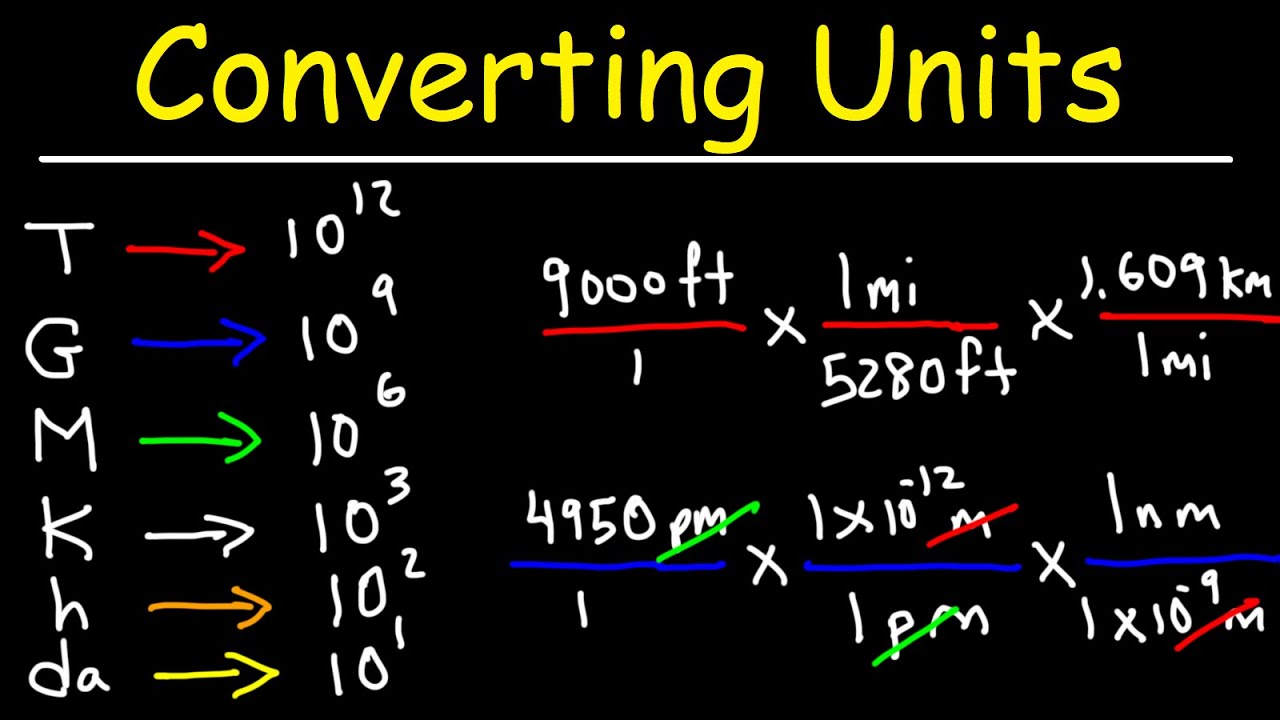
Converting different measurements involves understanding the various units of measurement and the conversion factors between them. To convert measurements, it is essential to know the type of measurement being converted, such as length, weight, or volume. Once the type of measurement is identified, the conversion factor can be applied to obtain the desired unit of measurement. For instance, to convert meters to feet, a conversion factor of 3.2808 feet per meter can be used. This conversion factor can be multiplied by the number of meters to obtain the equivalent number of feet.
Converting Lengths
Converting lengths involves changing from one unit of length to another, such as from meters to inches or from kilometers to miles. To convert lengths, it is necessary to know the conversion factors between different units of length. For example, to convert centimeters to inches, a conversion factor of 0.3937 inches per centimeter can be used. Some common conversion factors for lengths include:
- 1 meter = 3.2808 feet
- 1 kilometer = 0.621371 miles
- 1 inch = 2.54 centimeters
Converting Weights
Converting weights involves changing from one unit of weight to another, such as from pounds to kilograms or from ounces to grams. To convert weights, it is necessary to know the conversion factors between different units of weight. For example, to convert pounds to kilograms, a conversion factor of 0.453592 kilograms per pound can be used. Some common conversion factors for weights include:
- 1 pound = 0.453592 kilograms
- 1 ounce = 28.3495 grams
- 1 ton = 2000 pounds
Converting Volumes
Converting volumes involves changing from one unit of volume to another, such as from liters to gallons or from milliliters to ounces. To convert volumes, it is necessary to know the conversion factors between different units of volume. For example, to convert liters to gallons, a conversion factor of 0.264172 gallons per liter can be used. Some common conversion factors for volumes include:
- 1 liter = 0.264172 gallons
- 1 milliliter = 0.033814 ounces
- 1 pint = 0.473176 liters
Converting Temperatures
Converting temperatures involves changing from one unit of temperature to another, such as from Celsius to Fahrenheit or from Kelvin to Celsius. To convert temperatures, it is necessary to know the conversion factors between different units of temperature. For example, to convert Celsius to Fahrenheit, a conversion factor of (°C × 9/5) + 32 can be used. Some common conversion factors for temperatures include:
- °C = (°F - 32) × 5/9
- °F = (°C × 9/5) + 32
- °K = °C + 273.15
Converting Time
Converting time involves changing from one unit of time to another, such as from hours to minutes or from days to weeks. To convert time, it is necessary to know the conversion factors between different units of time. For example, to convert hours to minutes, a conversion factor of 60 minutes per hour can be used. Some common conversion factors for time include:
- 1 hour = 60 minutes
- 1 day = 24 hours
- 1 week = 7 days
Can a TI-84 do conversions?

The TI-84 is a graphing calculator that can perform various mathematical operations, including conversions. It has a built-in conversion feature that allows users to convert between different units of measurement, such as length, area, volume, and more. This feature is particularly useful for students and professionals who need to work with different units in their calculations.
Unit Conversions
The TI-84 can perform unit conversions between different systems of measurement, including the International System of Units (SI) and the United States Customary System (USCS). To perform a unit conversion, users can select the conversion type and enter the value to be converted. The calculator will then display the converted value. For example:
- The TI-84 can convert length units such as meters to feet or inches to centimeters.
- It can also convert area units such as square meters to square feet or acres to square miles.
- Additionally, the calculator can convert volume units such as liters to gallons or cubic meters to cubic feet.
Angle Conversions
The TI-84 can also perform angle conversions between different units, such as degrees, radians, and gradians. This feature is useful for trigonometry and geometry calculations. To perform an angle conversion, users can select the angle conversion type and enter the value to be converted. The calculator will then display the converted value. For example:
- The TI-84 can convert degrees to radians or radians to degrees.
- It can also convert degrees to gradians or gradians to degrees.
- Additionally, the calculator can convert radians to gradians or gradians to radians.
Temperature Conversions
The TI-84 can perform temperature conversions between different scales, such as Celsius, Fahrenheit, and Kelvin. This feature is useful for scientific and engineering calculations. To perform a temperature conversion, users can select the temperature conversion type and enter the value to be converted. The calculator will then display the converted value. For example:
- The TI-84 can convert Celsius to Fahrenheit or Fahrenheit to Celsius.
- It can also convert Celsius to Kelvin or Kelvin to Celsius.
- Additionally, the calculator can convert Fahrenheit to Kelvin or Kelvin to Fahrenheit.
Time Conversions
The TI-84 can perform time conversions between different units, such as seconds, minutes, hours, and days. This feature is useful for calculations involving time intervals. To perform a time conversion, users can select the time conversion type and enter the value to be converted. The calculator will then display the converted value. For example:
- The TI-84 can convert seconds to minutes or minutes to seconds.
- It can also convert hours to days or days to hours.
- Additionally, the calculator can convert minutes to hours or hours to minutes.
Other Conversions
The TI-84 can also perform other types of conversions, including energy conversions, force conversions, and pressure conversions. These features are useful for scientific and engineering calculations. To perform one of these conversions, users can select the conversion type and enter the value to be converted. The calculator will then display the converted value. For example:
- The TI-84 can convert joules to calories or calories to joules.
- It can also convert newtons to pounds or pounds to newtons.
- Additionally, the calculator can convert pascals to atmospheres or atmospheres to pascals.
How to convert length into inches?
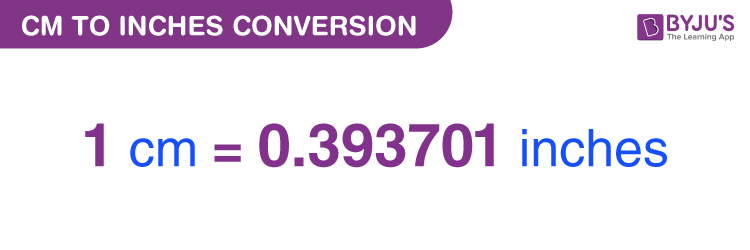
To convert length into inches, it's essential to understand the different units of measurement and their corresponding conversion factors. The most common units of length are meters, feet, yards, and miles. To convert these units into inches, you need to know the conversion factors between them. For example, 1 meter is equal to 39.37 inches, 1 foot is equal to 12 inches, and 1 yard is equal to 36 inches. You can use these conversion factors to convert any unit of length into inches.
Understanding Conversion Factors
To convert length into inches, you need to understand the conversion factors between different units of measurement. The conversion factors are used to convert one unit of measurement to another. For example, to convert meters to inches, you can use the conversion factor of 1 meter = 39.37 inches. Here are some common conversion factors:
- 1 meter = 39.37 inches
- 1 foot = 12 inches
- 1 yard = 36 inches
These conversion factors can be used to convert any unit of length into inches.
Converting Meters to Inches
Converting meters to inches is a common conversion in many fields, including science and engineering. To convert meters to inches, you can use the conversion factor of 1 meter = 39.37 inches. For example, to convert 5 meters to inches, you can multiply 5 by 39.37, which gives you 196.85 inches. Here are the steps to convert meters to inches:
- Multiply the number of meters by 39.37
- Round the result to the nearest inch
- Use the result in your calculations or applications
This conversion is essential in many fields, including architecture and engineering.
Converting Feet to Inches
Converting feet to inches is a simple conversion that can be done by multiplying the number of feet by 12. For example, to convert 5 feet to inches, you can multiply 5 by 12, which gives you 60 inches. Here are the steps to convert feet to inches:
- Multiply the number of feet by 12
- Round the result to the nearest inch
- Use the result in your calculations or applications
This conversion is essential in many fields, including construction and interior design.
Converting Yards to Inches
Converting yards to inches is another common conversion that can be done by multiplying the number of yards by 36. For example, to convert 5 yards to inches, you can multiply 5 by 36, which gives you 180 inches. Here are the steps to convert yards to inches:
- Multiply the number of yards by 36
- Round the result to the nearest inch
- Use the result in your calculations or applications
This conversion is essential in many fields, including sports and landscaping.
Using Conversion Tools and Software
There are many conversion tools and software available that can help you convert length into inches. These tools and software can simplify the conversion process and reduce errors. For example, you can use online conversion calculators or mobile apps to convert meters to inches or feet to inches. Here are some benefits of using conversion tools and software:
- Accurate conversions
- Fast and efficient conversions
- Reduced errors and mistakes
These tools and software can be essential in many fields, including science, engineering, and construction, where accurate conversions are critical.
Frequently Asked Questions (FAQs)
What are Length and Equivalents Conversion Calculators and how do they work?
Length and Equivalents Conversion Calculators are online tools designed to simplify the process of converting between different units of length and their equivalents. These calculators work by using complex algorithms to perform the conversions, taking into account the various units of measurement and their corresponding conversion factors. By inputting a value and selecting the unit of measurement, users can easily convert between different units, such as meters to feet, kilometers to miles, or inches to centimeters. The calculators also often include features such as drop-down menus and conversion tables to make the process even more user-friendly.
What types of length units can be converted using these calculators?
The types of length units that can be converted using Length and Equivalents Conversion Calculators are vast and varied. Users can convert between different units of metric length, such as meters, centimeters, and millimeters, as well as imperial length units, such as feet, inches, and yards. Additionally, the calculators often include options for converting between nautical units, such as nautical miles and knots, and astronomical units, such as light-years and parsecs. The calculators may also include custom units and specialized units for specific industries or applications, making them a valuable resource for a wide range of users.
What are the benefits of using Length and Equivalents Conversion Calculators?
The benefits of using Length and Equivalents Conversion Calculators are numerous and significant. One of the primary advantages is the speed and accuracy with which conversions can be made. By using a calculator, users can avoid the errors and inconsistencies that can occur when performing conversions manually. Additionally, the calculators often include built-in conversion tables and reference materials that can help users understand the different units of measurement and their relationships. The calculators can also be customized to meet the specific needs of individual users, making them a valuable tool for a wide range of applications, from science and engineering to construction and manufacturing.
How can I choose the best Length and Equivalents Conversion Calculator for my needs?
Choosing the best Length and Equivalents Conversion Calculator for your needs involves considering several key factors. First, consider the types of units you need to convert and ensure that the calculator includes those units. You should also look for a calculator that is easy to use and includes features such as drop-down menus and conversion tables to make the process simpler. Additionally, consider the level of accuracy you require and choose a calculator that can provide precise conversions. Finally, consider the platform you will be using the calculator on and choose one that is compatible with your device. By taking these factors into account, you can select a Length and Equivalents Conversion Calculator that meets your needs and provides accurate and reliable conversions.
Deja una respuesta
Entradas Relacionadas