
HVAC Duct Size Calculator Metric Units


When designing or upgrading a heating, ventilation, and air conditioning (HVAC) system, selecting the correct duct size is crucial for optimal performance and energy efficiency. Incorrect duct sizing can lead to reduced airflow, increased energy consumption, and compromised system reliability. The HVAC Duct Size Calculator using metric units simplifies this process, enabling users to calculate the required duct size based on specific system requirements, such as airflow rates and pressure drops, to ensure a well-designed and functional HVAC system. This calculator is an essential tool for HVAC professionals and DIY enthusiasts alike. Proper duct sizing is essential.
- HVAC Duct Size Calculator Metric Units: A Comprehensive Guide
- How to calculate duct size in HVAC?
- What size ductwork for a 2.5 ton unit?
- How many CFM is a 12x12 duct?
-
Frequently Asked Questions (FAQs)
- What is the HVAC Duct Size Calculator and how does it work in metric units?
- What are the benefits of using a HVAC Duct Size Calculator in metric units for HVAC system design?
- How does the HVAC Duct Size Calculator handle different types of duct materials and shapes in metric units?
- Can the HVAC Duct Size Calculator be used for both new and existing HVAC system installations in metric units?
HVAC Duct Size Calculator Metric Units: A Comprehensive Guide
The HVAC Duct Size Calculator is a crucial tool for heating, ventilation, and air conditioning (HVAC) system design. It helps engineers and technicians determine the optimal duct size for a given system, ensuring efficient and effective airflow. In metric units, the calculator takes into account factors such as air flow rate, duct material, and friction loss to provide accurate calculations.
Introduction to HVAC Duct Sizing
HVAC duct sizing is a critical aspect of system design, as it directly affects the overall performance and efficiency of the system. A properly sized duct ensures that the air flows smoothly and quietly, while an undersized or oversized duct can lead to energy losses, noise, and reduced system performance. The HVAC Duct Size Calculator uses metric units to simplify the calculation process and provide more accurate results.
Key Factors in HVAC Duct Sizing
When using the HVAC Duct Size Calculator, several key factors must be considered, including:
| Factor | Description |
|---|---|
| Air Flow Rate | The volume of air flowing through the duct per unit time |
| Duct Material | The type of material used for the duct, such as galvanized steel or fiberglass |
| Friction Loss | The loss of energy due to friction between the air and the duct walls |
How to Use the HVAC Duct Size Calculator
To use the HVAC Duct Size Calculator, simply input the required data, including the air flow rate, duct material, and friction loss. The calculator will then provide the optimal duct size in metric units, taking into account the velocity and pressure drop of the air flowing through the duct.
Benefits of Using the HVAC Duct Size Calculator
Using the HVAC Duct Size Calculator offers several benefits, including:
Improved system performance: By ensuring the optimal duct size, the calculator helps to minimize energy losses and noise.
Increased efficiency: The calculator helps to reduce friction loss and pressure drop, resulting in a more efficient system.
Cost savings: By optimizing duct size, the calculator can help to reduce material costs and installation time.
Common Applications of the HVAC Duct Size Calculator
The HVAC Duct Size Calculator has a wide range of applications, including:
Residential HVAC systems: The calculator is useful for designing and sizing ducts for residential heating and cooling systems.
Commercial HVAC systems: The calculator is also useful for designing and sizing ducts for commercial heating and cooling systems, such as those used in office buildings and shopping centers.
Industrial HVAC systems: The calculator can be used to design and size ducts for industrial heating and cooling systems, such as those used in factories and warehouses.
How to calculate duct size in HVAC?
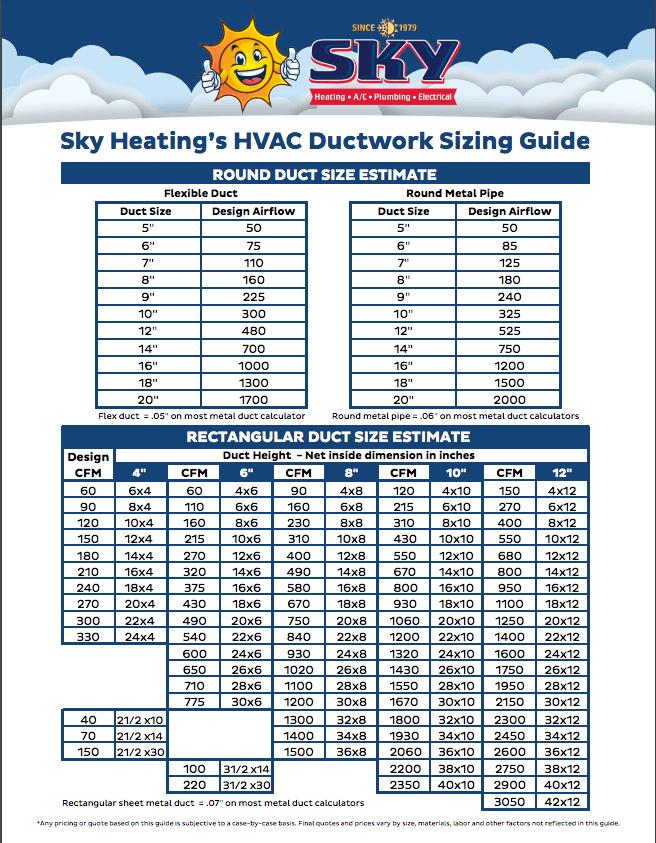
To calculate duct size in HVAC, you need to consider several factors, including the airflow rate, velocity, and pressure drop. The duct size calculation is crucial to ensure that the HVAC system operates efficiently and effectively. The calculation involves determining the friction factor, duct material, and insulation to minimize energy losses.
Determining Duct Size Requirements
To determine the duct size requirements, you need to calculate the airflow rate required for each room or zone in the building. This can be done using the heat gain and heat loss calculations, which take into account factors such as insulation, window size, and occupancy. The calculated airflow rate is then used to determine the required duct size.
- Calculate the heat gain and heat loss for each room or zone
- Determine the required airflow rate based on the calculated heat gain and heat loss
- Select the duct material and insulation based on the required airflow rate and pressure drop
Calculating Friction Factor
The friction factor is a critical component in duct size calculation, as it affects the pressure drop and energy losses in the duct system. The friction factor can be calculated using the Darcy-Weisbach equation, which takes into account the duct diameter, air velocity, and roughness of the duct surface.
- Calculate the Reynolds number to determine the laminar or turbulent flow regime
- Use the Darcy-Weisbach equation to calculate the friction factor
- Apply the calculated friction factor to determine the pressure drop and energy losses
Considering Duct Material and Insulation
The duct material and insulation play a significant role in minimizing energy losses and pressure drop in the duct system. The duct material can be galvanized steel, aluminum, or fiberglass, each with its own thermal conductivity and roughness characteristics. The insulation type and thickness also affect the heat transfer and energy losses.
- Select the duct material based on the required airflow rate and pressure drop
- Choose the insulation type and thickness to minimize energy losses and heat transfer
- Consider the cost and installation factors when selecting the duct material and insulation
Using Duct Sizing Charts and Tables
Duct sizing charts and tables are useful tools for determining the required duct size based on the calculated airflow rate and pressure drop. These charts and tables take into account the friction factor, duct material, and insulation to provide a quick and accurate way to determine the required duct size.
- Use the duct sizing charts and tables to determine the required duct size
- Consider the duct layout and fittings to ensure a smooth and efficient airflow
- Verify the calculated duct size with the manufacturer's specifications and industry standards
Verifying Duct Size Calculations
Verifying the duct size calculations is crucial to ensure that the HVAC system operates efficiently and effectively. This can be done by checking the calculated duct size against the manufacturer's specifications and industry standards, such as the ASHRAE and SMACNA guidelines.
- Verify the calculated duct size with the manufacturer's specifications and industry standards
- Check the duct layout and fittings to ensure a smooth and efficient airflow
- Consider the cost and installation factors when selecting the duct material and insulation
What size ductwork for a 2.5 ton unit?

The size of the ductwork needed for a 2.5 ton unit depends on several factors, including the airflow requirements, static pressure, and velocity of the air. A 2.5 ton unit typically requires a ductwork system with a total airflow capacity of around 800-1000 CFM (cubic feet per minute). To determine the exact size of the ductwork, it's essential to consult the manufacturer's specifications and perform a thorough load calculation.
Understanding Ductwork Sizing
The ductwork sizing process involves calculating the required airflow and static pressure to ensure efficient and effective heating and cooling. The ductwork size will also depend on the type of insulation and sealing used, as well as the layout and configuration of the ductwork system. When sizing the ductwork, it's crucial to consider the following factors:
- Airflow requirements: The amount of air that needs to be circulated to meet the heating and cooling demands.
- Static pressure: The resistance to airflow in the ductwork system.
- Velocity: The speed at which the air moves through the ductwork.
Calculating Ductwork Size
To calculate the ductwork size, you'll need to determine the total airflow required for the 2.5 ton unit. This can be done by using a load calculation software or consulting the manufacturer's specifications. Once you have the total airflow, you can use a ductwork sizing chart or calculator to determine the required ductwork size. It's essential to consider the aspect ratio of the ductwork, as well as the bends and fittings that will be used in the system. The ductwork size will also impact the system's performance, efficiency, and noise level.
- Ductwork material: The type of ductwork material used, such as flexible or rigid, can affect the system's performance.
- Insulation and sealing: Proper insulation and sealing can help reduce heat loss and gain.
- Layout and configuration: The layout and configuration of the ductwork system can impact the system's efficiency and performance.
Ductwork Materials and Construction
The type of ductwork material used can significantly impact the system's performance and efficiency. Some common ductwork materials include galvanized steel, aluminum, and fiberglass. The ductwork material should be durable, resistant to corrosion, and easy to clean. The construction of the ductwork system, including the joints and seams, can also affect the system's performance and efficiency.
- Galvanized steel: A popular choice for ductwork due to its durability and resistance to corrosion.
- Aluminum: A lightweight and corrosion-resistant material often used for ductwork.
- Fiberglass: A flexible and insulating material used for ductwork in some applications.
Installation and Testing
Proper installation and testing of the ductwork system are crucial to ensure efficient and effective operation. The ductwork system should be leak-tested to ensure that it is sealed and insulated properly. The installation process should also include commissioning and balancing to ensure that the system is operating at peak performance.
- Leak testing: A process to detect and seal any leaks in the ductwork system.
- Commissioning: The process of testing and verifying that the system is operating as intended.
- Balancing: The process of adjusting the airflow to ensure that the system is operating efficiently.
Maintenance and Repair
Regular maintenance and repair of the ductwork system are essential to ensure efficient and effective operation. The ductwork system should be inspected regularly to detect any leaks, damage, or corrosion. The filters and coils should also be cleaned and replaced as needed to ensure optimal performance.
- Inspection: Regular inspection of the ductwork system to detect any issues.
- Cleaning: Regular cleaning of the filters and coils to ensure optimal performance.
- Replacement: Replacing any damaged or worn-out components to ensure efficient operation.
How many CFM is a 12x12 duct?
The air flow rate through a 12x12 duct depends on various factors such as the velocity of the air, the pressure drop, and the type of duct. A 12x12 duct can handle a significant amount of air flow, but the exact CFM (Cubic Feet per Minute) rating depends on the specific application and design. In general, a 12x12 duct can handle anywhere from 500 to 2000 CFM, depending on the system and the requirements.
Duct Size and Air Flow
The size of the duct plays a crucial role in determining the air flow rate. A larger duct can handle more air flow, but it also depends on the velocity of the air. The velocity of the air is measured in feet per minute (FPM) and is typically between 500 to 2000 FPM for a 12x12 duct. Here are some key factors to consider:
- The duct material can affect the air flow rate, with smooth ducts allowing for more air flow than corrugated ducts.
- The duct shape can also impact air flow, with round ducts being more efficient than rectangular ducts.
- The air flow rate is also affected by the system design, including the fan and motor size.
CFM Ratings for 12x12 Ducts
The CFM rating for a 12x12 duct can vary depending on the application and system requirements. Here are some general guidelines:
- A residential air conditioning system may require a 12x12 duct with a CFM rating of around 500-800.
- A commercial air conditioning system may require a 12x12 duct with a CFM rating of around 1000-1500.
- An industrial air conditioning system may require a 12x12 duct with a CFM rating of around 1500-2000.
Factors Affecting Duct Performance
There are several factors that can affect the performance of a 12x12 duct, including air leaks, insulation, and obstructions. Here are some key considerations:
- Air leaks can reduce the efficiency of the duct and decrease the air flow rate.
- Insulation can help to reduce heat loss and maintain a consistent air flow rate.
- Obstructions, such as bends and elbows, can reduce the air flow rate and increase pressure drop.
Duct Design and Installation
The design and installation of a 12x12 duct can significantly impact its performance. Here are some key considerations:
- The duct layout should be designed to minimize bends and elbows and maximize air flow.
- The duct material should be selected based on the application and system requirements.
- The duct installation should be done by a qualified professional to ensure a leak-free and efficient system.
Testing and Balancing
Testing and balancing of a 12x12 duct is crucial to ensure that it is operating at its optimal performance. Here are some key considerations:
- The air flow rate should be measured and adjusted as needed to ensure a consistent flow.
- The static pressure should be measured and adjusted as needed to ensure a stable system.
- The system performance should be monitored and maintained regularly to ensure peak performance.
Frequently Asked Questions (FAQs)
What is the HVAC Duct Size Calculator and how does it work in metric units?
The HVAC Duct Size Calculator is a tool used to determine the optimal size of ducts in a heating, ventilation, and air conditioning (HVAC) system. In metric units, the calculator takes into account various factors such as the volume of air to be conditioned, the pressure drop across the duct, and the velocity of the air flowing through the duct. To use the calculator, users input the required parameters, including the airflow rate, duct length, and material type, and the calculator outputs the recommended duct diameter and surface area. This ensures that the HVAC system operates efficiently, with minimal energy losses and optimal air distribution. By using metric units, the calculator provides accurate and reliable results for users who work with metric measurements.
What are the benefits of using a HVAC Duct Size Calculator in metric units for HVAC system design?
Using a HVAC Duct Size Calculator in metric units offers several benefits for HVAC system design. One of the primary advantages is the ability to ensure accurate duct sizing, which is critical for maintaining optimal airflow and pressure within the system. Incorrect duct sizing can lead to reduced system performance, increased energy consumption, and premature equipment failure. By using a calculator that works with metric units, designers can eliminate the need for unit conversions, reducing the risk of errors and miscalculations. Additionally, the calculator helps designers to identify the most energy-efficient duct configuration, which can lead to significant cost savings over the life of the system. Overall, the HVAC Duct Size Calculator is an essential tool for any designer or engineer working with metric measurements to ensure that their HVAC system is designed for optimal performance and efficiency.
How does the HVAC Duct Size Calculator handle different types of duct materials and shapes in metric units?
The HVAC Duct Size Calculator can handle various types of duct materials and shapes, including rectangular, circular, and oval ducts. When working with metric units, the calculator takes into account the specific properties of each material, such as density, thermal conductivity, and surface roughness. This ensures that the calculator provides accurate results for different duct materials, including galvanized steel, aluminum, and fiberboard. The calculator also allows users to select from various duct shapes, each with its own unique hydraulic characteristics. By considering these factors, the calculator can provide optimized duct sizing recommendations that minimize energy losses and maximize system performance. Furthermore, the calculator can also account for insulation and lining materials, which can affect the thermal performance and acoustic properties of the duct. By providing a comprehensive analysis of the duct system, the HVAC Duct Size Calculator helps users to select the most suitable duct material and shape for their specific application.
Can the HVAC Duct Size Calculator be used for both new and existing HVAC system installations in metric units?
Yes, the HVAC Duct Size Calculator can be used for both new and existing HVAC system installations in metric units. For new installations, the calculator helps designers and engineers to determine the optimal duct size and configuration for the system, ensuring that it meets the required airflow and pressure specifications. This can help to prevent common design mistakes, such as undersized or oversized ducts, which can lead to poor system performance and reduced energy efficiency. For existing installations, the calculator can be used to retrofit or upgrade the duct system, helping to identify areas where improvements can be made to increase efficiency and reduce energy consumption. By using the calculator to analyze the existing duct system, users can identify bottlenecks and inefficiencies, and make informed decisions about where to focus their upgrade or replacement efforts. Whether used for new or existing installations, the HVAC Duct Size Calculator is a valuable tool for anyone working with metric measurements to design, install, or optimize an HVAC system.
Deja una respuesta
Entradas Relacionadas