
Heat Loss Insulated Electric Wire Equations and Calculator


Heat loss in electric wires is a significant concern in various industries, including construction, engineering, and electronics. Insulated electric wires are designed to minimize heat loss, ensuring efficient energy transmission. The heat loss insulated electric wire equations provide a mathematical framework for calculating heat loss in these systems. By using these equations and a calculator, engineers and technicians can determine the optimal insulation thickness, wire size, and other parameters to reduce heat loss and improve overall system performance, thereby saving energy and reducing costs. This article will explore these equations and calculator in detail.
- Understanding Heat Loss in Insulated Electric Wires: Equations and Calculations
- What is the formula for heat loss in a wire?
- What is the formula for heat dissipation in a wire?
- What is the formula for insulation heat loss?
- How to calculate conductive heat loss?
-
Frequently Asked Questions (FAQs)
- What is the purpose of Heat Loss Insulated Electric Wire Equations and Calculator?
- How do Heat Loss Insulated Electric Wire Equations and Calculator work?
- What are the benefits of using Heat Loss Insulated Electric Wire Equations and Calculator?
- What are the limitations and potential errors of Heat Loss Insulated Electric Wire Equations and Calculator?
Understanding Heat Loss in Insulated Electric Wires: Equations and Calculations
Understanding heat loss in insulated electric wires is crucial for designing and maintaining efficient electrical systems. Heat loss occurs when electrical energy is converted into heat energy, which can lead to reduced system performance, increased energy consumption, and potential safety hazards. To calculate heat loss, engineers use various equations and calculators that take into account factors such as wire size, material, insulation type, and ambient temperature.
Introduction to Heat Loss Calculations
Heat loss calculations involve determining the amount of heat energy dissipated by an insulated electric wire. This is typically done using the Joule's Law, which states that the heat generated by a current-carrying wire is proportional to the square of the current and the resistance of the wire. The heat loss equation can be expressed as: Q = I^2 R t, where Q is the heat loss, I is the current, R is the resistance, and t is the time.
Factors Affecting Heat Loss in Insulated Wires
Several factors can affect heat loss in insulated wires, including wire size, material, insulation type, and ambient temperature. Larger wires with lower resistance tend to generate less heat, while smaller wires with higher resistance generate more heat. The type of insulation used can also impact heat loss, with some materials providing better thermal resistance than others. Ambient temperature can also play a role, as higher temperatures can increase heat loss.
Heat Loss Equations for Different Wire Configurations
Different wire configurations, such as parallel or series circuits, can affect heat loss calculations. For parallel circuits, the heat loss equation can be modified to account for the multiple wires carrying current. In series circuits, the heat loss equation remains the same, but the resistance and current values may need to be adjusted. The following table summarizes the heat loss equations for different wire configurations:
| Wire Configuration | Heat Loss Equation |
|---|---|
| Single Wire | Q = I^2 R t |
| Parallel Wires | Q = (I1^2 R1 + I2^2 R2) t |
| Series Wires | Q = I^2 (R1 + R2) t |
Using Calculators for Heat Loss Determination
Calculators can be used to simplify heat loss calculations and provide quick estimates. These calculators often take into account various factors, including wire size, material, insulation type, and ambient temperature. Some calculators may also provide graphs and charts to visualize the heat loss data. By using a calculator, engineers can quickly determine the heat loss and make informed decisions about wire selection and system design.
Applications of Heat Loss Insulated Electric Wire Equations and Calculators
The heat loss insulated electric wire equations and calculators have numerous applications in various fields, including:
Electrical engineering: for designing and maintaining efficient electrical systems
Industrial automation: for optimizing system performance and reducing energy consumption
Construction: for selecting the appropriate wire size and insulation type for building electrical systems
Renewable energy: for designing and optimizing solar and wind power systems
Aerospace: for designing and maintaining electrical systems in aircraft and spacecraft. Thermal management is critical in these applications, and heat loss calculations play a vital role in ensuring system reliability and performance.
What is the formula for heat loss in a wire?
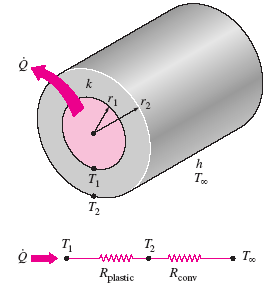
The formula for heat loss in a wire is given by the equation: P = I^2R, where P is the power loss in watts, I is the current flowing through the wire in amperes, and R is the resistance of the wire in ohms. This equation is a simplified version of the more comprehensive Joule's law, which takes into account the thermal resistance and temperature difference between the wire and its surroundings.
Understanding the Variables
The variables in the equation are crucial to calculating the heat loss in a wire. The current flowing through the wire is a key factor, as it directly affects the amount of heat generated. The resistance of the wire also plays a significant role, as it determines how much energy is lost as heat. The equation can be broken down into the following components:
- Current: The flow of electrical charge through the wire, measured in amperes.
- Resistance: The opposition to the flow of current, measured in ohms.
- Power loss: The amount of energy lost as heat, measured in watts.
Factors Affecting Heat Loss
Several factors can affect the heat loss in a wire, including the length and cross-sectional area of the wire, as well as the thermal conductivity of the surrounding material. The ambient temperature also plays a role, as it affects the temperature difference between the wire and its surroundings. The following factors can influence heat loss:
- Wire length: Longer wires have a greater surface area, which can increase heat loss.
- Cross-sectional area: Thicker wires have a lower resistance, which can reduce heat loss.
- Thermal conductivity: Materials with high thermal conductivity can increase heat loss by transferring heat more efficiently.
Applications of the Formula
The formula for heat loss in a wire has numerous applications in electrical engineering, including the design of electrical circuits and power systems. It is also used in the selection of wire materials and sizes for specific applications. The following are some examples of applications:
- Circuit design: The formula is used to calculate the power loss in electrical circuits and ensure that the wire size is sufficient to handle the current.
- Power system design: The formula is used to calculate the heat loss in power transmission lines and ensure that the line size is sufficient to handle the power.
- Wire selection: The formula is used to select the wire material and size for a specific application, based on the current and temperature requirements.
Limitations of the Formula
The formula for heat loss in a wire has some limitations, as it does not take into account all the factors that can affect heat loss, such as radiation and convection. It also assumes that the wire is homogeneous and has a uniform temperature distribution. The following are some limitations:
- Radiation: The formula does not account for radiation, which can be a significant factor in heat loss at high temperatures.
- Convection: The formula does not account for convection, which can be a significant factor in heat loss in fluids.
- Non-uniform temperature distribution: The formula assumes a uniform temperature distribution, which may not be the case in reality.
Alternatives to the Formula
There are alternative methods for calculating heat loss in a wire, such as numerical methods and experimental methods. These methods can provide more accurate results, especially in complex geometries and non-uniform temperature distributions. The following are some alternatives:
- Finite element method: A numerical method that can be used to calculate heat loss in complex geometries.
- Experimental methods: Experimental methods, such as thermocouples and infrared cameras, can be used to measure temperature and calculate heat loss.
- Analytical methods: Analytical methods, such as lumped parameter models, can be used to calculate heat loss in simple geometries.
What is the formula for heat dissipation in a wire?
The formula for heat dissipation in a wire is given by the equation: P = (I^2 R) / (L A), where P is the power dissipated as heat, I is the current flowing through the wire, R is the resistance of the wire, L is the length of the wire, and A is the cross-sectional area of the wire. This formula is a combination of Joule's law and the resistivity of the wire material.
Understanding the Components of Heat Dissipation
The components of the heat dissipation formula are crucial in understanding how heat is generated in a wire. The formula consists of the current flowing through the wire, the resistance of the wire, the length of the wire, and the cross-sectional area of the wire. To minimize heat dissipation, it is essential to consider these factors. Some ways to reduce heat dissipation include:
- Using a wire with a lower resistance, such as a wire made from a conductive material like copper.
- Reducing the current flowing through the wire, which can be achieved by using a transformer or a voltage regulator.
- Increasing the cross-sectional area of the wire, which allows for more current to flow without generating excessive heat.
Applications of Heat Dissipation in Electronics
Heat dissipation is a critical aspect of electronics, particularly in high-power applications. Excessive heat can lead to component failure, reduced lifespan, and decreased performance. To mitigate these effects, electronic devices often employ heat sinks, fans, or liquid cooling systems to dissipate heat. The formula for heat dissipation is used to design and optimize these cooling systems. Some key considerations include:
- Thermal conductivity, which affects the ability of a material to transfer heat.
- Surface area, which influences the rate of heat dissipation.
- Airflow, which can enhance convection and improve heat transfer.
Factors Affecting Heat Dissipation in Wires
Several factors can impact heat dissipation in wires, including the wire material, ambient temperature, and wire geometry. The thermal resistance of the wire material plays a significant role in determining the rate of heat dissipation. Additionally, the surrounding environment can influence the convective heat transfer coefficient, which affects the overall heat dissipation. Some factors to consider include:
- Wire insulation, which can affect the thermal conductivity and electrical resistance of the wire.
- Wire bending, which can alter the cross-sectional area and length of the wire, impacting heat dissipation.
- Environmental conditions, such as temperature and humidity, which can influence the heat transfer coefficient.
Calculating Heat Dissipation in Complex Systems
In complex electronic systems, heat dissipation can be challenging to calculate due to the presence of multiple heat sources and thermal paths. To accurately calculate heat dissipation, it is essential to consider the thermal network of the system, which includes the thermal resistances and capacitances of various components. Some steps to calculate heat dissipation in complex systems include:
- Identifying heat sources, such as transistors, diodes, and resistors.
- Determining thermal paths, including conduction, convection, and radiation.
- Calculating thermal resistances and capacitances, which affect the heat transfer rates.
Improving Heat Dissipation in Wire-Based Systems
To improve heat dissipation in wire-based systems, several strategies can be employed, including wire sizing, material selection, and cooling system design. The use of high-temperature materials, such as ceramics or glass, can enhance thermal conductivity and reduce electrical resistance. Additionally, active cooling methods, such as fans or pumps, can be used to increase heat transfer rates. Some ways to improve heat dissipation include:
- Using wires with a higher thermal conductivity, such as copper or silver.
- Implementing active cooling methods, such as fans or pumps, to enhance heat transfer.
- Optimizing wire geometry and layout to minimize thermal resistance and maximize heat dissipation.
What is the formula for insulation heat loss?
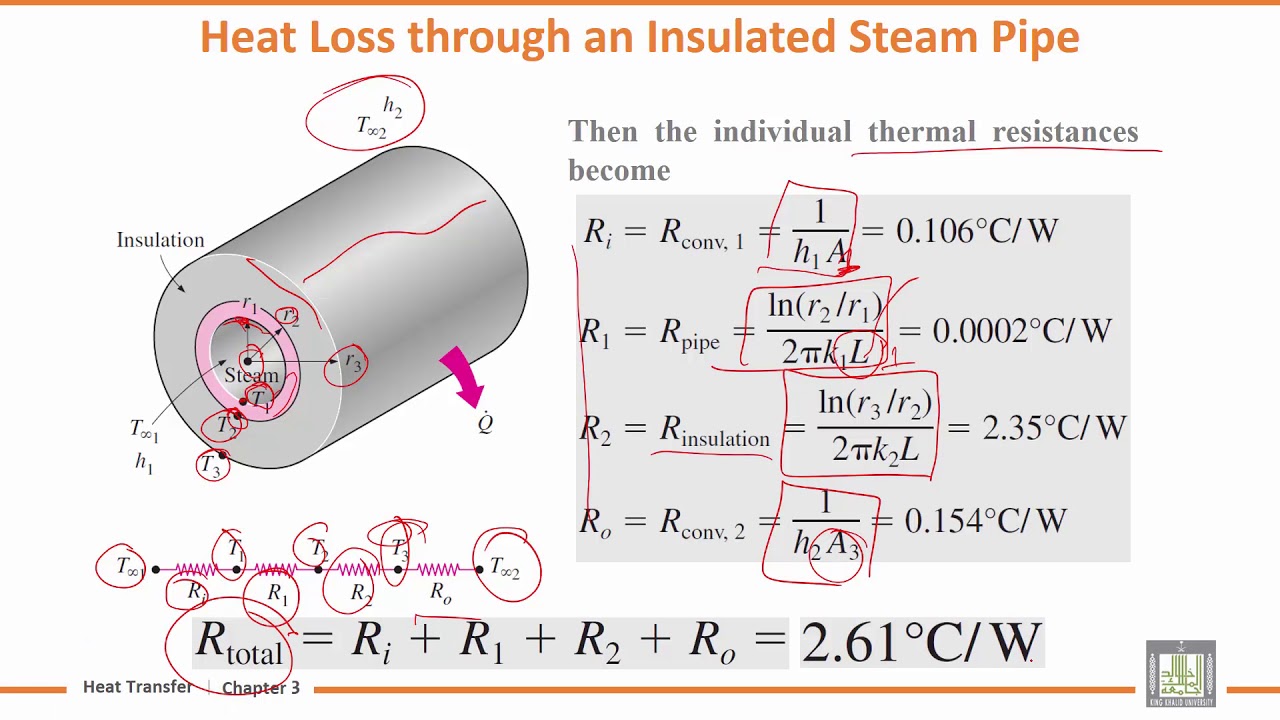
The formula for insulation heat loss is Q = (U × A) × ΔT, where Q is the heat loss, U is the overall heat transfer coefficient, A is the surface area of the insulation, and ΔT is the temperature difference between the inside and outside of the insulation.
Understanding the Components of the Formula
The formula for insulation heat loss involves several key components, including the overall heat transfer coefficient (U), the surface area of the insulation (A), and the temperature difference (ΔT). These components are crucial in determining the amount of heat loss that occurs through the insulation.
- The overall heat transfer coefficient (U) represents the rate at which heat is transferred through the insulation, taking into account the various modes of heat transfer, including conduction, convection, and radiation.
- The surface area of the insulation (A) is a critical factor in determining the amount of heat loss, as it directly affects the amount of heat that is transferred through the insulation.
- The temperature difference (ΔT) between the inside and outside of the insulation is also a key factor, as it drives the heat transfer process and determines the amount of heat that is lost.
Factors Affecting the Overall Heat Transfer Coefficient
The overall heat transfer coefficient (U) is affected by several factors, including the type and thickness of the insulation, the temperature difference, and the presence of any gaps or discontinuities in the insulation.
- The type and thickness of the insulation can significantly impact the overall heat transfer coefficient, with thicker insulation generally resulting in a lower U-value.
- The temperature difference can also affect the U-value, as higher temperature differences can increase the rate of heat transfer.
- Any gaps or discontinuities in the insulation can significantly increase the U-value, leading to increased heat loss.
Importance of Insulation in Reducing Heat Loss
Insulation plays a critical role in reducing heat loss in buildings, as it helps to minimize the transfer of heat through the building envelope.
- Properly installed insulation can significantly reduce heat loss, resulting in energy savings and reduced heating costs.
- Insulation can also help to improve the overall energy efficiency of a building, by reducing the need for heating and cooling systems.
- In addition to reducing heat loss, insulation can also help to improve the comfort and indoor air quality of a building, by reducing drafts and moisture infiltration.
Methods for Reducing Heat Loss through Insulation
There are several methods for reducing heat loss through insulation, including the use of high-performance insulation materials, such as fiberglass and cellulose.
- High-performance insulation materials can provide superior thermal performance, resulting in reduced heat loss and energy savings.
- Air sealing and weatherproofing can also help to reduce heat loss, by preventing air leaks and moisture infiltration.
- Insulation upgrades, such as adding insulation to attics and walls, can also be effective in reducing heat loss and improving energy efficiency.
Benefits of Insulation in Various Applications
Insulation is used in a wide range of applications, including residential and commercial buildings, as well as industrial and transportation systems.
- Residential insulation can help to reduce energy costs and improve comfort, while also contributing to a more sustainable and energy-efficient building stock.
- Commercial insulation can help to improve the energy efficiency of commercial buildings, resulting in reduced energy costs and increased productivity.
- Industrial insulation can help to reduce energy costs and improve process efficiency, while also contributing to a more sustainable and environmentally friendly industrial sector.
How to calculate conductive heat loss?
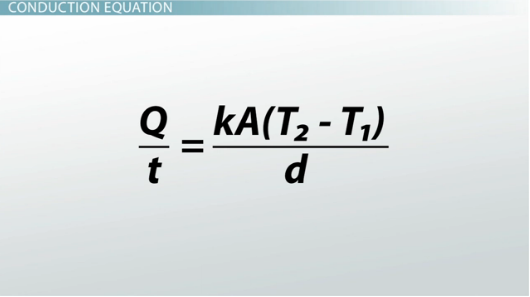
To calculate conductive heat loss, you need to understand the principles of heat transfer and the factors that affect it. Conductive heat loss occurs when there is a temperature difference between two objects in contact with each other. The rate of heat transfer depends on the thermal conductivity of the materials, the surface area in contact, and the temperature difference.
Understanding Thermal Conductivity
Thermal conductivity is a measure of a material's ability to conduct heat. It is an important factor in calculating conductive heat loss. The thermal conductivity of a material is usually denoted by the symbol k and is measured in units of W/mK. To calculate conductive heat loss, you need to know the thermal conductivity of the materials involved. Here are the steps to follow:
- Determine the thermal conductivity of the materials involved
- Measure the surface area in contact between the two objects
- Calculate the temperature difference between the two objects
Calculating Conductive Heat Loss
The conductive heat loss can be calculated using the formula Q = k A ΔT, where Q is the rate of heat transfer, k is the thermal conductivity, A is the surface area, and ΔT is the temperature difference. This formula allows you to calculate the rate of heat transfer between two objects in contact with each other. Here are the key factors to consider:
- The thermal conductivity of the materials involved
- The surface area in contact between the two objects
- The temperature difference between the two objects
Factors Affecting Conductive Heat Loss
Several factors can affect conductive heat loss, including the thickness of the materials, the surface roughness, and the presence of air gaps. These factors can reduce or increase the rate of heat transfer, depending on the specific circumstances. Here are some key factors to consider:
- The thickness of the materials involved
- The surface roughness of the materials
- The presence of air gaps between the materials
Applications of Conductive Heat Loss
Conductive heat loss has many practical applications in fields such as building insulation, refrigeration, and electronics cooling. Understanding how to calculate conductive heat loss is essential for designing energy-efficient buildings and cooling systems. Here are some key applications:
- Building insulation to reduce heat loss
- Refrigeration systems to keep materials cool
- Electronics cooling to prevent overheating
Measuring Thermal Conductivity
Thermal conductivity can be measured using various experimental techniques, including the guarded hot plate method and the flash method. These techniques allow you to determine the thermal conductivity of a material with high accuracy. Here are some key methods:
- The guarded hot plate method for measuring thermal conductivity
- The flash method for measuring thermal conductivity
- Other experimental techniques for measuring thermal conductivity
Frequently Asked Questions (FAQs)
What is the purpose of Heat Loss Insulated Electric Wire Equations and Calculator?
The purpose of Heat Loss Insulated Electric Wire Equations and Calculator is to provide a tool for calculating the heat loss of insulated electric wires. This is crucial in various electrical engineering applications, as excessive heat loss can lead to reduced efficiency, increased energy consumption, and even safety hazards. By using these equations and calculator, engineers and technicians can determine the optimal insulation thickness and material to minimize heat loss and ensure the safe and efficient operation of electrical systems. The calculator takes into account various factors, including the wire's diameter, insulation material, ambient temperature, and current flow, to provide accurate calculations of heat loss and temperature rise.
How do Heat Loss Insulated Electric Wire Equations and Calculator work?
The Heat Loss Insulated Electric Wire Equations and Calculator work by using complex mathematical formulas to calculate the heat loss of insulated electric wires. These formulas take into account the thermal conductivity of the insulation material, the wire's resistance, and the ambient temperature, among other factors. The calculator is typically based on the steady-state heat transfer equation, which describes the rate of heat transfer between the wire and its surroundings. By inputting the relevant parameters, such as the wire's diameter, insulation thickness, and current flow, the calculator can provide accurate calculations of heat loss and temperature rise. The equations and calculator can also account for various insulation materials, including plastics, rubbers, and ceramics, each with its unique thermal properties.
What are the benefits of using Heat Loss Insulated Electric Wire Equations and Calculator?
The benefits of using Heat Loss Insulated Electric Wire Equations and Calculator are numerous. One of the primary advantages is the ability to optimize insulation thickness and material to minimize heat loss and ensure the safe and efficient operation of electrical systems. This can lead to reduced energy consumption, increased efficiency, and cost savings. Additionally, the calculator can help engineers and technicians to identify potential safety hazards, such as overheating or electrical fires, and take preventive measures to mitigate these risks. The calculator can also be used to compare different insulation materials and designs, allowing for the selection of the most effective and efficient solution for a particular application. Overall, the use of Heat Loss Insulated Electric Wire Equations and Calculator can lead to improved system performance, reduced maintenance, and enhanced safety.
What are the limitations and potential errors of Heat Loss Insulated Electric Wire Equations and Calculator?
The Heat Loss Insulated Electric Wire Equations and Calculator are subject to certain limitations and potential errors. One of the primary limitations is the assumption of steady-state conditions, which may not always be accurate in real-world applications. Additionally, the calculator relies on simplified mathematical models, which may not account for all the complexities of heat transfer in insulated electric wires. The calculator is also sensitive to input parameters, and small errors in these parameters can lead to significant errors in the calculated heat loss and temperature rise. Furthermore, the calculator may not account for non-linear effects, such as radiative heat transfer or convection, which can become significant at high temperatures or current flows. To minimize these limitations and potential errors, it is essential to validate the calculator's results against experimental data and to consider multiple scenarios and sensitivity analyses to ensure the accuracy and reliability of the calculations.
Deja una respuesta
Entradas Relacionadas