
Graphical Resistor Calculator


The Graphical Resistor Calculator is an innovative tool designed to simplify the process of determining resistor values. By utilizing a color-coded system, users can easily identify the resistance, tolerance, and temperature coefficient of a resistor. This calculator is particularly useful for electronics enthusiasts, students, and professionals who work with resistors on a daily basis. With its intuitive interface and straightforward functionality, the Graphical Resistor Calculator is an essential resource for anyone looking to quickly and accurately calculate resistor values and explore their characteristics. It provides a visual and interactive approach to resistor calculation.
- Understanding the Graphical Resistor Calculator
- How to calculate what size resistor is needed?
- What does a 100 resistor look like?
-
Frequently Asked Questions (FAQs)
- What is a Graphical Resistor Calculator and how does it work?
- How do I use a Graphical Resistor Calculator to calculate the value of a resistor?
- What are the benefits of using a Graphical Resistor Calculator?
- Can I use a Graphical Resistor Calculator to calculate the value of other electronic components?
Understanding the Graphical Resistor Calculator
The Graphical Resistor Calculator is a tool used to calculate the value of a resistor based on its color code. This calculator is essential for electronic engineers and technicians who work with resistors on a daily basis. The Graphical Resistor Calculator uses a graphical interface to input the color codes of the resistor and then calculates the resistance value. This tool is available online and can be downloaded as a software application.
Color Code Basics
The color code of a resistor is used to determine its resistance value. The color code consists of four or five bands, each representing a different digit. The first two bands represent the significant figures, the third band represents the multiplier, and the fourth band represents the tolerance. The fifth band, if present, represents the temperature coefficient. The Graphical Resistor Calculator uses this color code to calculate the resistance value.
How to Use the Calculator
To use the Graphical Resistor Calculator, the user needs to input the color codes of the resistor. The calculator then calculates the resistance value based on the color code. The user can select the type of resistor, such as a 4-band or 5-band resistor, and then input the color codes. The calculator will then display the resistance value, along with the tolerance and temperature coefficient.
Benefits of Using the Calculator
The Graphical Resistor Calculator has several benefits, including accuracy and speed. The calculator eliminates the need for manual calculations, which can be time-consuming and prone to errors. The calculator also provides a graphical interface, which makes it easy to input the color codes and view the results. Additionally, the calculator can be used to calculate the resistance value of a large number of resistors, making it a valuable tool for electronic engineers and technicians.
Types of Resistors Supported
The Graphical Resistor Calculator supports a wide range of resistors, including 4-band and 5-band resistors. The calculator also supports precision resistors, which have a higher accuracy than standard resistors. The calculator can also be used to calculate the resistance value of variable resistors, which have a variable resistance value.
Common Applications
The Graphical Resistor Calculator has several common applications, including electronic design and troubleshooting. The calculator is used to design and build electronic circuits, and to troubleshoot problems with existing circuits. The calculator is also used in education, to teach students about resistors and their color codes. The following table shows some common applications of the Graphical Resistor Calculator:
| Application | Description |
|---|---|
| Electronic Design | Used to design and build electronic circuits |
| Troubleshooting | Used to troubleshoot problems with existing circuits |
| Educational | Used to teach students about resistors and their color codes |
| Research and Development | Used to develop new electronic products and technologies |
| Quality Control | Used to test and verify the accuracy of resistors |
The Graphical Resistor Calculator is a powerful tool that is used in a wide range of applications, from electronic design to quality control. Its accuracy and speed make it an essential tool for electronic engineers and technicians.
How to calculate what size resistor is needed?
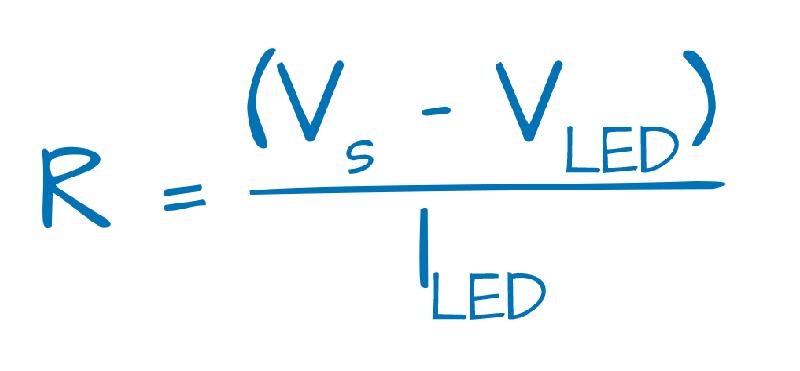
To calculate the size of a resistor needed, you must understand the fundamentals of electricity and electronics. The calculation involves understanding the voltage, current, and power requirements of the circuit. The most common formula used to calculate the resistor value is Ohm's Law, which states that voltage equals current times resistance (V = IR). By rearranging this formula, you can solve for resistance (R = V/I).
Understanding Ohm's Law
Ohm's Law is fundamental to calculating the resistor size needed. To apply Ohm's Law, you need to know the voltage and current of the circuit. The voltage is the potential difference between two points, and the current is the flow of electrons. The formula for resistance (R = V/I) can be used to calculate the resistor value needed. Here are the steps:
- Determine the voltage of the circuit.
- Measure or calculate the current of the circuit.
- Use Ohm's Law to calculate the resistance needed.
Calculating Power Rating
The power rating of a resistor is also crucial. A resistor with a too-low power rating can overheat and fail. To calculate the power rating, you need to know the voltage and current of the circuit. The formula for power is P = VI. By calculating the power, you can determine the power rating needed for the resistor. Here are the considerations:
- Calculate the power using the formula P = VI.
- Choose a resistor with a power rating that exceeds the calculated power.
- Consider the environmental conditions, such as temperature, that may affect the resistor's performance.
Resistor Color Codes
Resistor color codes are used to identify the resistance value and tolerance of a resistor. The color code consists of four or five bands, each representing a digit or a multiplier. By understanding the color code, you can quickly identify the resistance value and choose the correct resistor. Here are the steps to read a resistor color code:
- Identify the first two bands, which represent the first two digits of the resistance value.
- Identify the third band, which represents the multiplier.
- Identify the fourth band, which represents the tolerance.
Series and Parallel Circuits
In series and parallel circuits, the calculation of resistor values is more complex. In a series circuit, the resistors are connected one after the other, and the total resistance is the sum of the individual resistances. In a parallel circuit, the resistors are connected between the same two points, and the total resistance is less than any of the individual resistances. Here are the considerations:
- Understand the type of circuit and how it affects the resistance calculation.
- Apply the formulas for series and parallel circuits to calculate the total resistance.
- Choose resistors that meet the calculated resistance values and power ratings.
Practical Considerations
When choosing a resistor, there are practical considerations to keep in mind. The resistor must be able to handle the voltage, current, and power requirements of the circuit. Additionally, the resistor must be compatible with the environmental conditions, such as temperature and humidity. Here are the considerations:
- Choose a resistor with a suitable temperature coefficient to ensure stability over a range of temperatures.
- Consider the noise and interference that may affect the resistor's performance.
- Choose a resistor with a suitable package and mounting style for the application.
What does a 100 resistor look like?

A 100 resistor is an electronic component that resists the flow of electric current. It is a passive component that is used to regulate the voltage and current in a circuit. The physical appearance of a 100 resistor can vary depending on the type and manufacturer, but it is typically a small cylindrical or rectangular device with color-coded bands or numerical markings that indicate its resistance value.
Physical Characteristics of a 100 Resistor
A 100 resistor typically has a length of around 0.25 inches and a width of around 0.1 inches. It has metal leads or terminals that are used to connect it to other components in a circuit. The resistor itself is usually made of a ceramic or carbon material that is insulated with a plastic or epoxy coating. Some common characteristics of a 100 resistor include:
- Color-coded bands: The resistor has color-coded bands that indicate its resistance value, with brown and black bands indicating a resistance value of 100 ohms.
- Numerical markings: The resistor has numerical markings that indicate its resistance value, such as 100 or 100R.
- Power rating: The resistor has a power rating that indicates the maximum amount of power it can dissipate, such as 1/4 watt or 1/2 watt.
Types of 100 Resistors
There are several types of 100 resistors available, including fixed resistors, variable resistors, and thermistor resistors. Fixed resistors have a fixed resistance value, while variable resistors have a resistance value that can be adjusted. Thermistor resistors have a resistance value that changes with temperature. Some common types of 100 resistors include:
- Carbon film resistors: These resistors have a carbon film that provides the resistance, and are known for their high precision and low noise.
- Ceramic resistors: These resistors have a ceramic material that provides the resistance, and are known for their high temperature stability and low cost.
- Wirewound resistors: These resistors have a wire wound around a core that provides the resistance, and are known for their high power handling and high precision.
Applications of 100 Resistors
100 resistors are used in a wide range of applications, including electronic circuits, audio equipment, and medical devices. They are used to regulate the voltage and current in a circuit, and to protect components from overvoltage and overcurrent. Some common applications of 100 resistors include:
- Voltage dividers: 100 resistors are used in voltage dividers to reduce the voltage of a signal, and to provide a stable voltage reference.
- Current limiting: 100 resistors are used to limit the current flowing through a circuit, and to protect components from overcurrent.
- Impedance matching: 100 resistors are used to match the impedance of a circuit, and to maximize the transfer of power.
How to Identify a 100 Resistor
To identify a 100 resistor, you need to look for the color-coded bands or numerical markings on the resistor. The color-coded bands are usually brown and black, and the numerical markings are usually 100 or 100R. You can also use a multimeter to measure the resistance value of the resistor. Some common ways to identify a 100 resistor include:
- Using a multimeter: You can use a multimeter to measure the resistance value of the resistor, and to verify that it is a 100 resistor.
- Checking the color-coded bands: You can check the color-coded bands on the resistor to verify that they are brown and black.
- Checking the numerical markings: You can check the numerical markings on the resistor to verify that they are 100 or 100R.
Tolerance and Accuracy of 100 Resistors
The tolerance and accuracy of a 100 resistor can vary depending on the type and manufacturer. Some common tolerance values for 100 resistors include 1%, 2%, and 5%. The accuracy of a 100 resistor can also vary depending on the temperature and humidity of the environment. Some common ways to ensure the accuracy of a 100 resistor include:
- Using a high-precision resistor: You can use a high-precision resistor to ensure that the resistance value is accurate.
- Calibrating the resistor: You can calibrate the resistor to ensure that the resistance value is accurate.
- Using a resistor with a low temperature coefficient: You can use a resistor with a low temperature coefficient to minimize the effect of temperature on the resistance value.
Frequently Asked Questions (FAQs)
What is a Graphical Resistor Calculator and how does it work?
A Graphical Resistor Calculator is an electronic tool used to calculate the value of a resistor based on the color code or number of bands on the resistor. The calculator typically uses a graphical interface to input the color codes or band values, and then calculates the corresponding resistance value. The calculator can also take into account other factors such as the tolerance and temperature coefficient of the resistor. The graphical resistor calculator is a useful tool for electronic engineers and hobbyists who need to quickly and accurately determine the value of a resistor. By using a graphical interface, the calculator makes it easy to input the color codes or band values, and provides a clear and concise output of the calculated resistance value.
How do I use a Graphical Resistor Calculator to calculate the value of a resistor?
To use a Graphical Resistor Calculator, you simply need to input the color codes or number of bands on the resistor into the calculator. The calculator will then use a complex algorithm to calculate the corresponding resistance value. The graphical interface of the calculator makes it easy to input the color codes or band values, and provides a clear and concise output of the calculated resistance value. You can also select the tolerance and temperature coefficient of the resistor to get a more accurate calculation. The calculator will then provide you with the calculated resistance value, which you can use to determine the suitability of the resistor for your specific electronic project. By using a Graphical Resistor Calculator, you can quickly and accurately determine the value of a resistor, saving you time and effort in your electronic design.
What are the benefits of using a Graphical Resistor Calculator?
There are several benefits to using a Graphical Resistor Calculator. One of the main benefits is that it allows you to quickly and accurately determine the value of a resistor, which can save you time and effort in your electronic design. The calculator also takes into account other factors such as the tolerance and temperature coefficient of the resistor, which can affect the performance of your electronic circuit. Additionally, the graphical interface of the calculator makes it easy to input the color codes or band values, and provides a clear and concise output of the calculated resistance value. This can be especially useful for electronic engineers and hobbyists who need to work with resistors on a regular basis. By using a Graphical Resistor Calculator, you can ensure that you are using the correct resistor value in your electronic project, which can help to prevent errors and malfunctions.
Can I use a Graphical Resistor Calculator to calculate the value of other electronic components?
While a Graphical Resistor Calculator is specifically designed to calculate the value of resistors, there are other electronic calculators available that can calculate the value of other electronic components. For example, there are capacitor calculators that can calculate the value of capacitors, and inductor calculators that can calculate the value of inductors. These calculators use similar algorithms and graphical interfaces to calculate the value of the electronic component, and can be useful for electronic engineers and hobbyists who need to work with a variety of electronic components. However, it's worth noting that each calculator is specifically designed for a particular type of electronic component, so you will need to use the correct calculator for the component you are working with. By using the correct calculator, you can ensure that you are getting an accurate calculation of the component value, which can help to ensure the performance and reliability of your electronic circuit.
Deja una respuesta
Entradas Relacionadas