
Estimating Horsepower of a Car Calculator

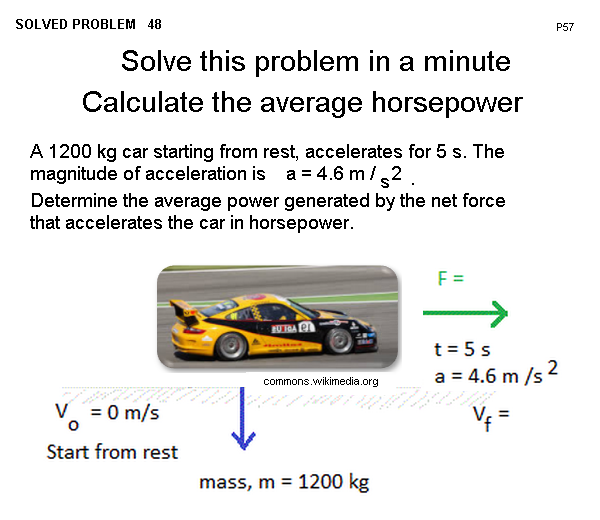
The Estimating Horsepower of a Car Calculator is a valuable tool for car enthusiasts and owners who want to determine the horsepower of their vehicle. Horsepower is a measure of a car's power output, and it plays a significant role in determining its performance and efficiency. This calculator uses various factors such as engine size, torque, and RPM to estimate the horsepower of a car. By using this calculator, car owners can gain a better understanding of their vehicle's capabilities and make informed decisions about modifications or upgrades to improve its performance. It's a straightforward and easy-to-use tool.
- Estimating Horsepower of a Car Calculator: A Comprehensive Guide
- How to calculate the horsepower of a car?
- How do you estimate engine horsepower?
- How fast is 160 hp in mph?
-
Frequently Asked Questions (FAQs)
- What is the Estimating Horsepower of a Car Calculator and how does it work?”
- What are the key factors that affect the accuracy of the Estimating Horsepower of a Car Calculator?”
- How can I use the Estimating Horsepower of a Car Calculator to compare different vehicles?”
- What are the limitations of the Estimating Horsepower of a Car Calculator, and how can I improve its accuracy?”
Estimating Horsepower of a Car Calculator: A Comprehensive Guide
The Estimating Horsepower of a Car Calculator is a tool used to calculate the horsepower of a car based on various parameters such as engine size, torque, and RPM. This calculator is useful for car enthusiasts, mechanics, and engineers who want to estimate the horsepower of a car without having to perform complex calculations. The calculator takes into account the engine displacement, torque, and RPM to estimate the horsepower.
How to Use the Estimating Horsepower of a Car Calculator
Using the Estimating Horsepower of a Car Calculator is straightforward. Simply enter the engine size, torque, and RPM values into the calculator, and it will estimate the horsepower of the car. The calculator uses a complex algorithm that takes into account the engine efficiency and friction losses to provide an accurate estimate of the horsepower. The calculator also provides a graph that shows the relationship between the horsepower and the RPM.
Factors that Affect Horsepower
There are several factors that affect the horsepower of a car, including the engine size, torque, and RPM. The engine size refers to the displacement of the engine, which is the volume of air and fuel that the engine can draw in and compress in a single stroke. The torque refers to the rotational force that the engine produces, which is measured in pounds-feet. The RPM refers to the number of revolutions that the engine makes per minute.
Benefits of Using the Estimating Horsepower of a Car Calculator
There are several benefits to using the Estimating Horsepower of a Car Calculator, including the ability to estimate horsepower without having to perform complex calculations. The calculator is also useful for comparing different engines and evaluating engine performance. Additionally, the calculator provides a quick and easy way to estimate the horsepower of a car, which can be useful for car enthusiasts and mechanics.
Limitations of the Estimating Horsepower of a Car Calculator
While the Estimating Horsepower of a Car Calculator is a useful tool, it has several limitations. The calculator assumes that the engine is in good condition and that the torque and RPM values are accurate. The calculator also does not take into account other factors that affect horsepower, such as the transmission and drivetrain. Therefore, the calculator should only be used as a rough estimate of the horsepower of a car.
Comparison of Different Engines
The Estimating Horsepower of a Car Calculator can be used to compare the horsepower of different engines. The following table shows a comparison of the horsepower of different engines:
| Engine Size | Torque | RPM | Horsepower |
|---|---|---|---|
| 2.0L | 150 lb-ft | 5000 RPM | 120 HP |
| 3.0L | 200 lb-ft | 6000 RPM | 180 HP |
| 4.0L | 250 lb-ft | 7000 RPM | 240 HP |
The table shows that the horsepower of the engine increases with the engine size, torque, and RPM. The calculator can be used to estimate the horsepower of different engines and compare their performance.
How to calculate the horsepower of a car?

To calculate the horsepower of a car, you can use a variety of methods, including using the car's engine displacement, torque, and rotation speed. The most common method is to use the formula: horsepower = (torque x rotation speed) / 5,252. This formula takes into account the engine's power output and provides a relatively accurate estimate of the car's horsepower.
Understanding the Basics of Horsepower Calculation
To calculate the horsepower of a car, you need to understand the basics of engine performance and how it relates to horsepower. Horsepower is a unit of measurement that represents the power output of an engine, and it is typically measured in kilowatts or watts. The calculation of horsepower involves using the engine's torque and rotation speed to estimate the equivalent power output. Here are the steps to follow:
- Check the car's engine specifications to determine the torque and rotation speed.
- Use the formula: horsepower = (torque x rotation speed) / 5,252 to calculate the horsepower.
- Consider factors that can affect the engine's power output, such as air filter and exhaust system efficiency.
Using the Engine's Torque to Calculate Horsepower
The engine's torque is a critical component in calculating the horsepower of a car. Torque represents the rotational force of the engine, and it is typically measured in pound-feet or newton-meters. To use the engine's torque to calculate horsepower, you need to know the rotation speed of the engine, which is typically measured in revolutions per minute. Here are the steps to follow:
- Check the car's engine specifications to determine the torque and rotation speed.
- Use the formula: horsepower = (torque x rotation speed) / 5,252 to calculate the horsepower.
- Consider factors that can affect the engine's torque, such as camshaft and piston design.
Calculating Horsepower Using the Engine's Displacement
Another method to calculate the horsepower of a car is to use the engine's displacement, which represents the total volume of air and fuel that the engine can draw in and process. The engine's displacement is typically measured in liters or cubic inches, and it can be used to estimate the horsepower of the engine. Here are the steps to follow:
- Check the car's engine specifications to determine the displacement and compression ratio.
- Use the formula: horsepower = (displacement x compression ratio) / 150 to estimate the horsepower.
- Consider factors that can affect the engine's displacement, such as cylinder head and block design.
Understanding the Factors that Affect Horsepower Calculation
There are several factors that can affect the calculation of horsepower, including air filter and exhaust system efficiency, camshaft and piston design, and engine management system calibration. These factors can impact the engine's power output and affect the accuracy of the horsepower calculation. Here are the steps to follow:
- Check the car's engine specifications to determine the engine management system calibration.
- Consider factors that can affect the engine's power output, such as air filter and exhaust system efficiency.
- Use dynamometer testing to measure the engine's power output and verify the horsepower calculation.
Using Dynamometer Testing to Verify Horsepower Calculation
Dynamometer testing is a method of measuring the engine's power output and verifying the horsepower calculation. This involves using a dynamometer to load the engine and measure the torque and rotation speed. The dynamometer can provide a accurate measurement of the engine's power output, and it can be used to verify the horsepower calculation. Here are the steps to follow:
- Use a dynamometer to load the engine and measure the torque and rotation speed.
- Calculate the horsepower using the formula: horsepower = (torque x rotation speed) / 5,252.
- Compare the calculated horsepower to the dynamometer measurement to verify the accuracy of the calculation.
How do you estimate engine horsepower?
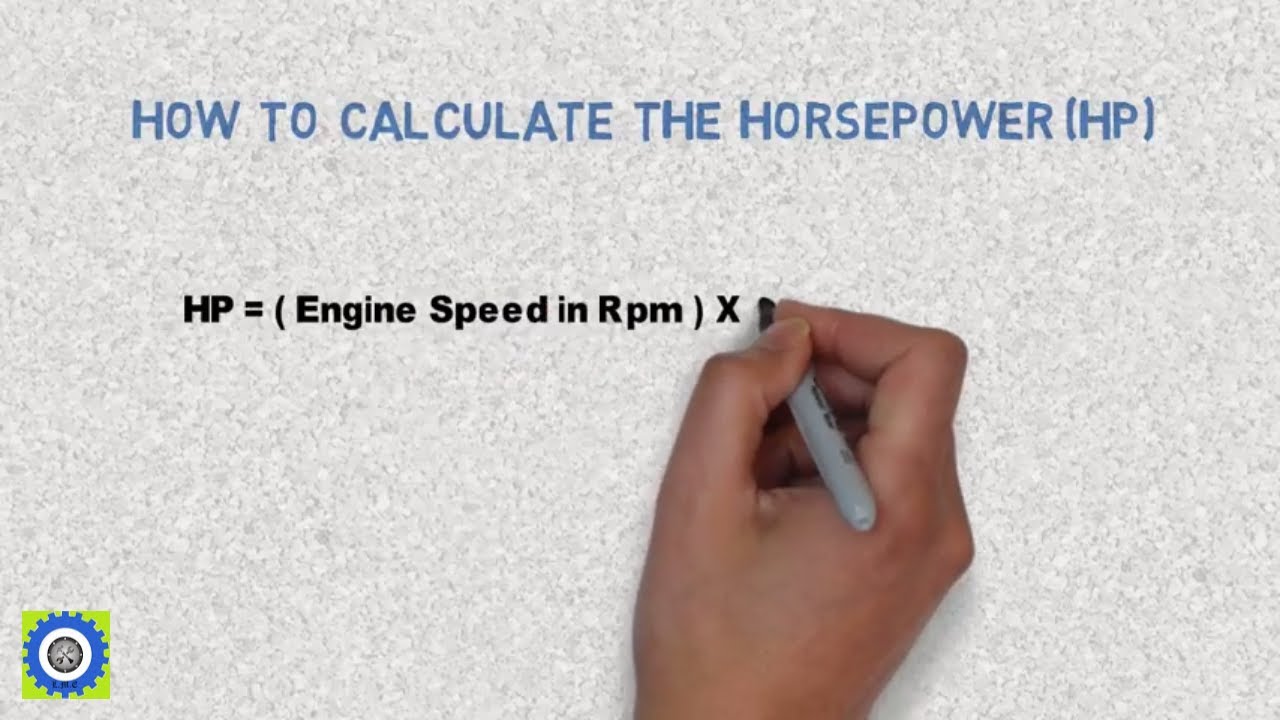
Estimating engine horsepower is a complex process that involves calculating the engine's power output based on various factors such as displacement, compression ratio, camshaft design, and fuel system. To estimate engine horsepower, you need to consider the engine's specifications, such as the number of cylinders, bore and stroke measurements, and the type of fuel used. You also need to consider the engine's performance characteristics, such as torque output and rev limit.
Understanding Engine Displacement
Engine displacement is a critical factor in estimating horsepower. Displacement refers to the engine's ability to draw in air and fuel, which is then compressed and ignited to produce power. To estimate horsepower based on displacement, you need to calculate the engine's cubic inch displacement (CID) or liter displacement (L). This can be done by multiplying the bore and stroke measurements of each cylinder and then multiplying by the number of cylinders.
- Calculate the engine's cubic inch displacement (CID) or liter displacement (L)
- Multiply the bore and stroke measurements of each cylinder
- Multiply by the number of cylinders
Calculating Compression Ratio
The compression ratio of an engine is the ratio of the cylinder's volume when the piston is at the bottom of its stroke to the volume when the piston is at the top of its stroke. A higher compression ratio generally results in a more efficient and powerful engine. To estimate horsepower based on compression ratio, you need to calculate the compression ratio using the engine's specifications.
- Calculate the cylinder's volume when the piston is at the bottom of its stroke
- Calculate the cylinder's volume when the piston is at the top of its stroke
- Divide the two volumes to get the compression ratio
Estimating Horsepower using Torque
Torque is a measure of the engine's rotational force, and it is closely related to horsepower. To estimate horsepower using torque, you need to calculate the engine's torque output at a given rpm. This can be done using a dynamometer or by consulting the engine's specifications.
- Calculate the engine's torque output at a given rpm
- Use a dynamometer to measure the torque output
- Consult the engine's specifications for torque output
Considering Camshaft Design
The camshaft design plays a critical role in determining the engine's horsepower output. A well-designed camshaft can help to improve the engine's performance by allowing more air and fuel to enter the cylinders. To estimate horsepower based on camshaft design, you need to consider the camshaft's specifications, such as the lift and duration of the cam lobes.
- Consider the camshaft's specifications, such as the lift and duration of the cam lobes
- Analyze the camshaft's design and how it affects the engine's performance
- Use software or consult with a mechanic to estimate the engine's horsepower based on camshaft design
Impact of Fuel System on Horsepower
The fuel system plays a critical role in determining the engine's horsepower output. A well-designed fuel system can help to improve the engine's performance by providing a consistent and efficient supply of fuel. To estimate horsepower based on fuel system, you need to consider the fuel system's specifications, such as the fuel injectors and fuel pump.
- Consider the fuel system's specifications, such as the fuel injectors and fuel pump
- Analyze the fuel system's design and how it affects the engine's performance
- Use software or consult with a mechanic to estimate the engine's horsepower based on fuel system
How fast is 160 hp in mph?

The speed of a vehicle with 160 horsepower (hp) in miles per hour (mph) depends on various factors such as the weight of the vehicle, aerodynamics, transmission, and engine efficiency. Generally, a vehicle with 160 hp can reach speeds of up to 140-150 mph, but this can vary depending on the specific vehicle and conditions.
Understanding Horsepower and Speed
To understand how fast 160 hp is in mph, it's essential to know that horsepower is a measure of the engine's power output. The more horsepower an engine has, the faster it can propel a vehicle. However, other factors such as weight, aerodynamics, and traction also play a significant role in determining a vehicle's top speed.
- The engine size and type can affect the vehicle's speed, with larger engines generally producing more power.
- The transmission type and gearing can also impact the vehicle's speed, with manual transmissions often providing more control over the vehicle's speed.
- The vehicle's weight and aerodynamics can significantly affect its top speed, with lighter and more aerodynamic vehicles generally being faster.
Factors Affecting Top Speed
Several factors can affect the top speed of a vehicle with 160 hp, including the vehicle's weight, aerodynamics, tire quality, and engine efficiency. For example, a vehicle with a high power-to-weight ratio will generally be faster than one with a lower ratio.
- The tire quality and tread can impact the vehicle's traction and speed, with high-performance tires providing better grip and handling.
- The engine efficiency and fuel type can also affect the vehicle's speed, with more efficient engines and higher-octane fuel providing better performance.
- The vehicle's aerodynamics, including the drag coefficient and downforce, can significantly impact its top speed, with more aerodynamic vehicles generally being faster.
Vehicle Comparisons
Comparing vehicles with 160 hp can provide insight into how fast they can go in mph. For example, a sports car with 160 hp might be able to reach speeds of up to 160 mph, while a sedan with the same horsepower might top out at around 120 mph.
- The vehicle's design and purpose can affect its top speed, with sports cars generally being designed for speed and sedans being designed for comfort and practicality.
- The engine type and configuration can also impact the vehicle's speed, with inline engines often providing more power and V-type engines providing more torque.
- The transmission type and gearing can also affect the vehicle's speed, with manual transmissions often providing more control over the vehicle's speed.
Real-World Examples
Real-world examples of vehicles with 160 hp can provide a better understanding of how fast they can go in mph. For example, the Ford Focus ST has a 2.3L engine producing 160 hp and can reach speeds of up to 143 mph.
- The Ford Fiesta ST has a 1.5L engine producing 160 hp and can reach speeds of up to 137 mph.
- The Volkswagen Golf GTI has a 2.0L engine producing 160 hp and can reach speeds of up to 135 mph.
- The Honda Civic Si has a 1.5L engine producing 160 hp and can reach speeds of up to 132 mph.
Upgrading for More Speed
Upgrading a vehicle with 160 hp can provide a significant increase in speed. For example, adding a turbocharger or supercharger can increase the engine's power output, allowing the vehicle to reach higher speeds.
- Engine tuning and modification can also impact the vehicle's speed, with optimized engine settings and performance parts providing better power and efficiency.
- Aerodynamic upgrades, such as spoilers and diffusers, can improve the vehicle's aerodynamics and reduce drag, allowing it to reach higher speeds.
- Lightweight components, such as aluminum wheels and carbon fiber body panels, can reduce the vehicle's weight and improve its power-to-weight ratio, allowing it to accelerate faster and reach higher speeds.
Frequently Asked Questions (FAQs)
What is the Estimating Horsepower of a Car Calculator and how does it work?”
The Estimating Horsepower of a Car Calculator is an online tool designed to provide an approximate calculation of a vehicle's horsepower based on various input parameters. This calculator uses a combination of mathematical formulas and engine specifications to estimate the horsepower of a car. To use the calculator, users need to input specific details such as the engine size, number of cylinders, compression ratio, and rpm range. The calculator then processes this information and provides an estimated horsepower value. The calculations are based on the principles of thermodynamics and mechanical engineering, taking into account the energy output of the engine and the efficiency of the vehicle's transmission and drivetrain. By using the Estimating Horsepower of a Car Calculator, car enthusiasts and owners can gain a better understanding of their vehicle's performance capabilities and compare it to other similar models.
What are the key factors that affect the accuracy of the Estimating Horsepower of a Car Calculator?”
The accuracy of the Estimating Horsepower of a Car Calculator depends on several key factors, including the accuracy of the input data, the complexity of the calculation, and the limitations of the mathematical model used. One of the most critical factors is the precision of the engine specifications, such as the displacement, compression ratio, and camshaft timing. Additionally, the efficiency of the intake and exhaust systems, as well as the condition of the engine, can significantly impact the accuracy of the calculation. Furthermore, the calculations are based on simplifying assumptions, such as ideal gas behavior and negligible energy losses, which can introduce some degree of uncertainty. To minimize errors, it is essential to use reliable sources for the input data and to consider the limitations of the calculator when interpreting the results. By understanding these key factors, users can better appreciate the strengths and weaknesses of the Estimating Horsepower of a Car Calculator and use it as a valuable tool for estimating horsepower.
How can I use the Estimating Horsepower of a Car Calculator to compare different vehicles?”
The Estimating Horsepower of a Car Calculator can be a useful tool for comparing the performance of different vehicles. By inputting the specifications of each vehicle, users can estimate the horsepower and torque output of each engine and compare the results. This can help car enthusiasts and buyers make informed decisions when selecting a vehicle that meets their performance requirements. Additionally, the calculator can be used to evaluate the impact of different engine modifications, such as tuning or upgrading the intake and exhaust systems, on the overall performance of the vehicle. By using the calculator to simulate different scenarios, users can gain a better understanding of how various factors affect the performance of a vehicle and make more informed decisions. Furthermore, the calculator can be used to research and compare different engine types, such as gasoline or diesel, and transmission types, such as manual or automatic, to determine which combination provides the best performance and efficiency.
What are the limitations of the Estimating Horsepower of a Car Calculator, and how can I improve its accuracy?”
The Estimating Horsepower of a Car Calculator is a simplified model that uses generalized assumptions and approximations to estimate the horsepower of a vehicle. As such, it has several limitations that can affect its accuracy. One of the main limitations is the lack of detailed engine specifications, such as cylinder head design, piston shape, and crankshaft geometry, which can significantly impact the performance of the engine. Additionally, the calculator does not take into account real-world factors such as air resistance, rolling resistance, and frictional losses, which can reduce the actual horsepower output of the vehicle. To improve the accuracy of the calculator, users can consult with engine experts or consult technical manuals to obtain more detailed specifications and refine the input data. Furthermore, users can use dynamometer testing or on-track testing to validate the results and calibrate the calculator to provide more accurate estimates. By understanding the limitations of the calculator and taking steps to improve its accuracy, users can rely on the Estimating Horsepower of a Car Calculator as a valuable tool for estimating horsepower and optimizing vehicle performance.
Deja una respuesta
Entradas Relacionadas