
Curved Washer Design Formula and Calculator

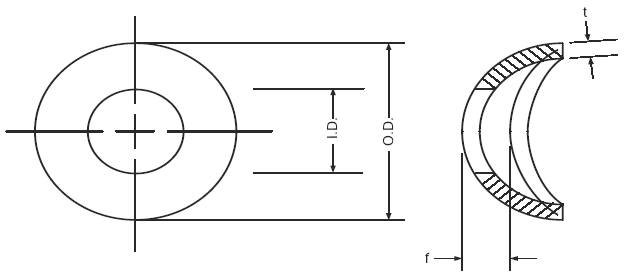
The curved washer design is a critical component in various mechanical systems, providing a reliable and efficient means of transmitting loads. The design of curved washers involves intricate calculations to ensure optimal performance and safety. The formula for curved washer design takes into account factors such as load, material properties, and geometry. A calculator can simplify this process, providing quick and accurate results. This article presents the curved washer design formula and a calculator to aid engineers and designers in creating effective and reliable curved washer systems, streamlining the design process and reducing errors. Accurate calculations are essential.
Curved Washer Design Formula and Calculator: A Comprehensive Guide
The design of curved washers is a critical aspect of engineering, particularly in the field of mechanical engineering. Curved washers are used to distribute loads evenly and provide a secure connection between two components. The curved washer design formula is used to calculate the dimensions and specifications of these washers. In this context, a calculator is a tool used to simplify the calculation process.
Understanding the Basics of Curved Washer Design
The curved washer design process involves several key factors, including the radius of curvature, thickness, and material properties. The radius of curvature is a critical parameter that determines the shape of the washer. The thickness of the washer is also important, as it affects the overall strength and durability of the component. The material properties, such as yield strength and ultimate tensile strength, are also essential in determining the suitability of the washer for a particular application.
Curved Washer Design Formula: An Overview
The curved washer design formula is based on the principles of mechanics of materials and stress analysis. The formula takes into account the applied load, washer dimensions, and material properties to determine the stress and strain on the washer. The formula is as follows: σ = (F r) / (t w), where σ is the stress, F is the applied load, r is the radius of curvature, t is the thickness, and w is the width of the washer.
Using a Calculator for Curved Washer Design
A calculator can be used to simplify the curved washer design process by automating the calculation of the stress and strain on the washer. The calculator can take into account various input parameters, such as the applied load, washer dimensions, and material properties, to provide an accurate calculation of the stress and strain on the washer. The calculator can also be used to optimize the design of the washer by iterating through different design scenarios.
Factors Affecting Curved Washer Design
Several factors can affect the curved washer design, including the material properties, washer dimensions, and applied load. The material properties, such as yield strength and ultimate tensile strength, can affect the stress and strain on the washer. The washer dimensions, such as the radius of curvature and thickness, can also affect the stress and strain on the washer. The applied load can also affect the stress and strain on the washer, and must be carefully considered in the design process.
Benefits of Using a Curved Washer Design Calculator
The use of a curved washer design calculator can provide several benefits, including increased accuracy, reduced design time, and improved reliability. The calculator can provide accurate calculations of the stress and strain on the washer, reducing the risk of design errors. The calculator can also reduce design time by automating the calculation process, allowing designers to focus on other aspects of the design. Finally, the calculator can improve reliability by providing a consistent and repeatable design process.
| Parameter | Unit | Description |
|---|---|---|
| Radius of Curvature | mm | The radius of curvature of the washer |
| Thickness | mm | The thickness of the washer |
| Material Properties | MPa | The material properties of the washer, including yield strength and ultimate tensile strength |
| Applied Load | N | The applied load on the washer |
| Stress | MPa | The stress on the washer |
How to calculate washer?
:max_bytes(150000):strip_icc()/formula-to-calculate-washer-tub-capacity-2145871_V2-ac9665fddba4474d9f2b988bad0e3a7e.png)
To calculate the washer size, you need to consider several factors, including the bolt diameter, thickness, and material. The washer size calculation is crucial to ensure the bolt and nut assembly is secure and can withstand the load and stress. The calculation involves determining the minimum and maximum washer sizes based on the bolt diameter and thread size.
Understanding Washer Types
There are different types of washers, including flat washers, lock washers, and spring washers. Each type has its own unique characteristics and applications. To calculate the washer size, you need to understand the type of washer being used and its specific requirements.
- Flat washers are used to distribute the load evenly and prevent bolt damage.
- Lock washers are used to prevent bolt loosening due to vibration or movement.
- Spring washers are used to provide a constant tension on the bolt and nut assembly.
Calculating Washer Size
To calculate the washer size, you need to consider the bolt diameter and thread size. The washer size calculation involves determining the minimum and maximum washer sizes based on the bolt diameter and thread size.
- Determine the bolt diameter and thread size using a caliper or micrometer.
- Use a washer size chart or calculator to determine the minimum and maximum washer sizes.
- Select a washer size that meets the required specifications and tolerances.
Factors Affecting Washer Size
Several factors can affect the washer size calculation, including the material, thickness, and surface finish. The washer material and thickness can impact the strength and durability of the washer.
- Material selection can affect the washer's corrosion resistance and wear resistance.
- Thickness can impact the washer's strength and stiffness.
- Surface finish can affect the washer's friction and wear characteristics.
Washer Size Tolerances
Washer size tolerances are critical to ensure the washer fits properly on the bolt and nut assembly. The tolerances can affect the washer's performance and reliability.
- Tolerances can impact the washer's clearance and interference fit.
- Tolerances can affect the washer's stress and strain characteristics.
- Tolerances can influence the washer's fatigue life and durability.
Washer Material Selection
The washer material selection is critical to ensure the washer can withstand the load and stress. The material selection can impact the washer's corrosion resistance, wear resistance, and strength.
- Stainless steel washers are resistant to corrosion and wear.
- Brass washers are resistant to corrosion and have good electrical conductivity.
- Plastic washers are lightweight and resistant to corrosion.
How to use a curved washer?
To use a curved washer, it is essential to understand its purpose and how it differs from a standard flat washer. A curved washer is designed to provide a secure and even surface for bolts and nuts to bear against, particularly in applications where the surface is not flat. The curve of the washer allows it to conform to the shape of the surface, providing a tighter seal and preventing loosening over time.
Understanding the Purpose of a Curved Washer
The primary purpose of a curved washer is to provide a stable and secure surface for fasteners to bear against. This is particularly important in applications where the surface is not flat, such as in pipe fittings or tubing connections. The curved shape of the washer allows it to adapt to the shape of the surface, providing a tighter seal and preventing leaks.
- The curved washer is designed to conform to the shape of the surface, providing a secure and even surface for bolts and nuts to bear against.
- The curve of the washer allows it to distribute the force of the fastener more evenly, reducing the risk of damage or stripping.
- The curved washer is particularly useful in applications where vibration or movement is a concern, as it helps to maintain a secure connection.
Selecting the Correct Type of Curved Washer
When selecting a curved washer, it is essential to consider the type of material and the size of the washer. The material of the washer should be compatible with the application, and the size should be appropriate for the fastener being used.
- The curved washer should be made from a durable and corrosion-resistant material, such as stainless steel or brass.
- The size of the washer should be matched to the size of the fastener, to ensure a secure and even connection.
- The thickness of the washer should be sufficient to provide the necessary support and stability for the fastener.
Installing a Curved Washer
To install a curved washer, it is essential to follow the correct procedure. The washer should be placed on the surface before the fastener is inserted, and the fastener should be tightened in a star pattern to ensure even pressure.
- The curved washer should be positioned on the surface, with the curve facing upwards.
- The fastener should be inserted through the washer, and tightened in a star pattern to ensure even pressure.
- The fastener should be tightened to the recommended torque, to ensure a secure and even connection.
Common Applications for Curved Washers
Curved washers are commonly used in a variety of applications, including pipe fittings, tubing connections, and valve assemblies. They are also used in mechanical and industrial applications, where vibration or movement is a concern.
- Pipe fittings: Curved washers are used to provide a secure and even surface for bolts and nuts to bear against in pipe fittings.
- Tubing connections: Curved washers are used to provide a tighter seal and prevent leaks in tubing connections.
- Valve assemblies: Curved washers are used to provide a secure and even surface for bolts and nuts to bear against in valve assemblies.
Troubleshooting Common Issues with Curved Washers
Common issues with curved washers include loosening over time, corrosion, and damage to the surface. To troubleshoot these issues, it is essential to inspect the washer and the surface regularly, and to replace the washer as necessary.
- Loosening: The curved washer may loosen over time, due to vibration or movement.
- Corrosion: The curved washer may corrode, due to exposure to moisture or chemicals.
- Damage: The curved washer may damage the surface, due to over-tightening or improper installation.
What are curved washers called?
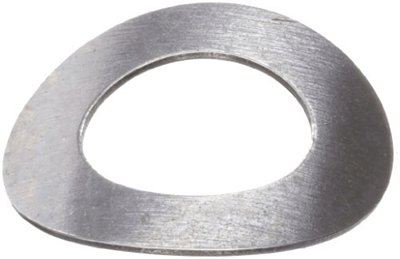
Curved washers are commonly referred to as spherical washers or curved spring washers. These types of washers are designed to provide a secure and reliable connection between two parts, while also allowing for some degree of flexibility and movement. The curved shape of these washers enables them to adapt to different surfaces and provide a tight seal, making them ideal for use in applications where vibration and movement are present.
Types of Curved Washers
Curved washers can be categorized into different types based on their material, size, and shape. Some common types of curved washers include stainless steel washers, copper washers, and rubber washers. The choice of material depends on the specific application and the environment in which the washer will be used. For example, stainless steel washers are often used in corrosive environments, while rubber washers are used in applications where flexibility and sealing are important. Some key features of curved washers include:
- High durability and resistance to wear and tear
- Ability to provide a secure and reliable connection
- Flexibility and movement allow for use in applications with vibration and movement
Applications of Curved Washers
Curved washers have a wide range of applications in various industries, including automotive, aerospace, and industrial. They are often used in mechanical systems, such as engines, transmissions, and gearboxes, where they provide a secure and reliable connection between moving parts. Curved washers are also used in piping systems, where they help to seal and connect pipes and fittings. Some common applications of curved washers include:
- Engine and transmission systems
- Piping and fittings
- Gearbox and medraulic systems
Benefits of Curved Washers
The use of curved washers offers several benefits, including increased durability, improved sealing, and reduced vibration. Curved washers are also easy to install and maintain, which can help to reduce downtime and increase productivity. Additionally, curved washers can help to reduce noise and vibration, making them ideal for use in applications where quiet operation is important. Some key benefits of curved washers include:
- Increased durability and resistance to wear and tear
- Improved sealing and connection between parts
- Reduced vibration and noise
Materials Used for Curved Washers
Curved washers can be made from a variety of materials, including metals, plastics, and elastomers. The choice of material depends on the specific application and the environment in which the washer will be used. For example, stainless steel washers are often used in corrosive environments, while rubber washers are used in applications where flexibility and sealing are important. Some common types of materials used for curved washers include:
- Stainless steel for corrosive environments
- Copper for electrical and thermal applications
- Rubber for flexibility and sealing
Design Considerations for Curved Washers
When designing curved washers, several factors must be considered, including the material, size, and shape of the washer. The load and stress that the washer will be subjected to must also be taken into account, as well as the environment in which the washer will be used. Additionally, the manufacturing process and tolerances must be considered to ensure that the washer meets the required specifications. Some key factors to consider when designing curved washers include:
- Material selection based on environment and application
- Size and shape of the washer to ensure proper fit and function
- Load and stress calculations to ensure durability and reliability
How to design a Belleville washer?

To design a Belleville washer, it is essential to consider the materials and dimensions that will be used. The design process typically starts with determining the load and deflection requirements of the application. This information is used to calculate the necessary dimensions, such as the outside diameter, inside diameter, and thickness of the washer. The material selection is also crucial, as it will affect the strength and durability of the washer. Steel and stainless steel are common materials used for Belleville washers due to their high strength-to-weight ratio and corrosion resistance.
Materials and Manufacturing Process
The choice of material is critical in designing a Belleville washer, as it will affect the performance and lifetime of the component. The manufacturing process also plays a significant role, as it can impact the accuracy and consistency of the washer's dimensions. Some common materials used for Belleville washers include:
- Steel alloys, such as stainless steel and chromium-molybdenum steel, which offer high strength and corrosion resistance
- Non-ferrous metals, such as copper and brass, which provide high ductility and corrosion resistance
- Exotic materials, such as titanium and Inconel, which offer high strength-to-weight ratio and corrosion resistance in extreme environments
Design Considerations and Constraints
When designing a Belleville washer, there are several design considerations and constraints that must be taken into account. These include the load and deflection requirements, as well as the space constraints and environmental conditions. The designer must also consider the material properties, such as the yield strength and ultimate tensile strength, to ensure that the washer can withstand the applied loads. Some key design considerations include:
- Load capacity, which determines the maximum load that the washer can withstand
- Deflection, which affects the stiffness and compliance of the washer
- Space constraints, which dictate the maximum size and shape of the washer
Dimensional Tolerances and Surface Finish
The dimensional tolerances and surface finish of a Belleville washer are critical in ensuring that it functions correctly. The tolerances must be tight enough to ensure that the washer fits snugly into the assembled component, while the surface finish must be smooth enough to prevent galling or seizing. Some common dimensional tolerances and surface finishes for Belleville washers include:
- Tight tolerances, such as ±0.001 inches, to ensure precise fit and functionality
- Smooth surface finishes, such as 32 microinches, to prevent galling and seizing
- Special surface treatments, such as chromium plating or zinc plating, to enhance corrosion resistance
Testing and Validation
Once a Belleville washer has been designed and manufactured, it must be tested and validated to ensure that it meets the required specifications. The testing process typically involves load testing, deflection testing, and environmental testing to simulate the real-world conditions. The validation process involves verifying that the washer meets the design requirements and industry standards. Some common testing and validation methods for Belleville washers include:
- Load testing, which involves applying a known load to the washer and measuring its deflection
- Deflection testing, which involves measuring the deflection of the washer under a known load
- Environmental testing, which involves exposing the washer to extreme temperatures, humidity, and corrosion to simulate real-world conditions
Applications and Industry Standards
Belleville washers are used in a wide range of applications, from industrial machinery to aerospace and automotive. The industry standards for Belleville washers vary depending on the application and industry, but some common standards include ASME and ISO. Some key applications and industry standards for Belleville washers include:
- Industrial machinery, such as gearboxes and pumps, which require high-strength and corrosion-resistant washers
- Aerospace, which requires high-strength-to-weight ratio and corrosion-resistant washers
- Automotive, which requires high-strength and corrosion-resistant washers that can withstand high temperatures and vibrations
Frequently Asked Questions (FAQs)
What is the purpose of the Curved Washer Design Formula and Calculator?
The Curved Washer Design Formula and Calculator is a tool used to calculate the dimensions and parameters of a curved washer, which is a type of washer used in various mechanical and engineering applications. The formula and calculator take into account the inner diameter, outer diameter, thickness, and curvature of the washer to provide accurate calculations. The purpose of this tool is to help designers and engineers create curved washers that meet specific requirements and specifications, ensuring the reliability and performance of the system or machine in which they are used.
How does the Curved Washer Design Formula and Calculator work?
The Curved Washer Design Formula and Calculator works by using a set of mathematical equations and algorithms to calculate the dimensions and parameters of the curved washer. The user inputs the required values, such as the inner diameter, outer diameter, thickness, and curvature, into the calculator. The formula then uses these values to calculate the radius, arc length, and section area of the washer. The calculator also takes into account the material properties and other factors that may affect the performance of the washer. The result is a set of accurate calculations that can be used to design and manufacture the curved washer.
What are the benefits of using the Curved Washer Design Formula and Calculator?
The Curved Washer Design Formula and Calculator offers several benefits to designers and engineers. One of the main advantages is that it allows for accurate calculations and designs to be created quickly and efficiently. This can save time and costs associated with trial and error methods or manual calculations. Additionally, the calculator can help to reduce errors and improve quality by providing consistent and reliable results. The formula and calculator can also be used to optimize the design of the curved washer for specific applications or requirements, such as minimizing weight or
How can I access the Curved Washer Design Formula and Calculator?
The Curved Washer Design Formula and Calculator can be accessed through various online platforms and websites that offer engineering and design tools and resources. Some websites may offer a free version of the calculator with limited features, while others may require a subscription or purchase to access the full version. Additionally, some software companies may offer specialized software that includes the Curved Washer Design Formula and Calculator as part of a larger package of engineering and design tools. It is recommended to research and compare different options to find the one that best meets your needs and requirements.
Deja una respuesta
Entradas Relacionadas