
Cup Anemometer Wind Measurement Formulae and Calculator

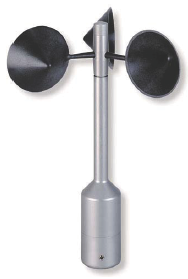
The cup anemometer is a widely used device for measuring wind speed and direction. Its simple design and reliability make it a popular choice for meteorological stations and wind energy applications. The measurement formulae for cup anemometers are based on the rotation speed of the cups, which is directly proportional to the wind speed. This article will provide an overview of the cup anemometer wind measurement formulae and offer a calculator tool to facilitate accurate calculations and conversions, enabling users to obtain precise wind speed readings. The formulae and calculator will be explained in detail, ensuring ease of use.
Cup Anemometer Wind Measurement Formulae and Calculator
The cup anemometer is a device used to measure wind speed. It consists of a series of cups attached to a vertical axis that rotates as the wind pushes against the cups. The rotation speed of the cups is directly proportional to the wind speed. To calculate the wind speed, several formulae are used, including the tip-speed ratio, which is the ratio of the speed of the tips of the cups to the wind speed. The cup anemometer wind measurement formulae and calculator are essential tools for determining the wind speed and direction.
Introduction to Cup Anemometer
The cup anemometer is a simple and effective device for measuring wind speed. It is commonly used in meteorology and wind engineering applications. The cups are typically made of a lightweight material, such as plastic or aluminum, and are attached to a vertical axis. As the wind pushes against the cups, the axis rotates, and the rotation speed is measured using a photodiode or other sensors. The cup anemometer is a robust and reliable device that can withstand harsh weather conditions.
Working Principle of Cup Anemometer
The working principle of the cup anemometer is based on the drag force exerted by the wind on the cups. As the wind pushes against the cups, it creates a torque that causes the axis to rotate. The rotation speed of the axis is directly proportional to the wind speed. The angular velocity of the axis is measured using a tachometer or other sensors, and the wind speed is calculated using the cup anemometer wind measurement formulae.
Cup Anemometer Wind Measurement Formulae
The cup anemometer wind measurement formulae are used to calculate the wind speed from the rotation speed of the axis. The formulae are based on the tip-speed ratio and the angular velocity of the axis. The wind speed can be calculated using the following formula:
V = (π n d) / (60 TSR)
where V is the wind speed, n is the rotation speed, d is the diameter of the cups, and TSR is the tip-speed ratio.
Cup Anemometer Calculator
The cup anemometer calculator is a tool used to calculate the wind speed from the rotation speed of the axis. The calculator uses the cup anemometer wind measurement formulae to calculate the wind speed. The calculator typically requires input of the rotation speed, cup diameter, and tip-speed ratio. The calculator then outputs the wind speed in units of m/s or mph.
Applications of Cup Anemometer
The cup anemometer has a wide range of applications in meteorology, wind engineering, and renewable energy. It is used to measure wind speed and direction in weather stations, wind farms, and research institutions. The cup anemometer is also used in industrial applications, such as wind tunnels and aerodynamic testing. The following table summarizes the applications of the cup anemometer:
| Application | Description |
|---|---|
| Meteorology | Measuring wind speed and direction in weather stations |
| Wind Engineering | Measuring wind speed and direction in wind tunnels and aerodynamic testing |
| Renewable Energy | Measuring wind speed and direction in wind farms and research institutions |
How to calculate wind speed with a cup anemometer?
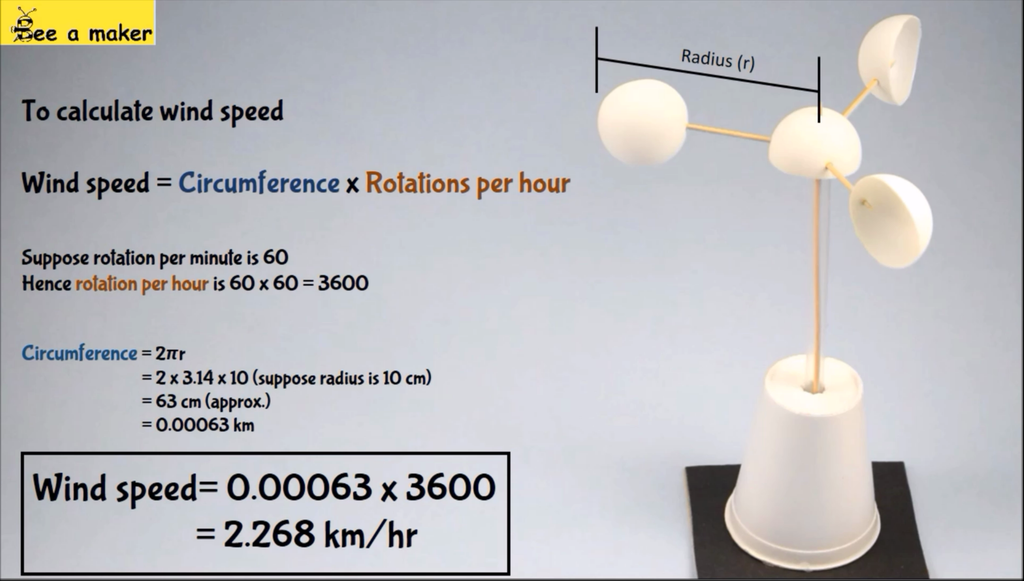
To calculate wind speed with a cup anemometer, you need to understand the basic principle behind its operation. A cup anemometer is a device that measures wind speed by using cups that rotate as the wind pushes them. The rotation speed of the cups is directly proportional to the wind speed. To calculate the wind speed, you need to know the rotation speed of the cups and the distance between them.
Understanding Cup Anemometer Design
The design of a cup anemometer is crucial in calculating wind speed. The cups are typically mounted on a vertical axis and are designed to rotate as the wind pushes them. The rotation speed of the cups is measured using a shaft that connects to a counter or a recorder. The cup size and shape also play a significant role in determining the accuracy of the wind speed measurement.
- The number of cups used in the anemometer can affect the accuracy of the measurement.
- The material used to make the cups can also impact the durability and accuracy of the anemometer.
- The bearing used in the anemometer should be low-friction to ensure smooth rotation of the cups.
Calibration of Cup Anemometer
Calibrating a cup anemometer is essential to ensure accurate wind speed measurements. The calibration process involves comparing the rotation speed of the cups to a known wind speed. This can be done using a wind tunnel or by comparing the anemometer to a reference anemometer. The calibration curve obtained from this process is then used to calculate the wind speed from the rotation speed of the cups.
- The calibration curve should be obtained over a range of wind speeds to ensure accuracy.
- The calibration process should be repeated regularly to ensure the anemometer remains accurate.
- The calibration data should be recorded and stored for future reference.
Measuring Rotation Speed
Measuring the rotation speed of the cups is crucial in calculating the wind speed. This can be done using a counter or a recorder that measures the number of rotations per unit time. The rotation speed is then used to calculate the wind speed using the calibration curve.
- The rotation speed should be measured over a fixed time period to ensure accuracy.
- The counter or recorder should be accurate and reliable to ensure accurate measurements.
- The rotation speed should be recorded and stored for future reference.
Calculating Wind Speed
Calculating the wind speed from the rotation speed of the cups involves using the calibration curve. The calibration curve provides a relationship between the rotation speed and the wind speed. By using this relationship, the wind speed can be calculated from the measured rotation speed.
- The calibration curve should be accurate and reliable to ensure accurate calculations.
- The rotation speed should be measured accurately to ensure accurate calculations.
- The wind speed should be recorded and stored for future reference.
Factors Affecting Cup Anemometer Accuracy
There are several factors that can affect the accuracy of a cup anemometer. These include air density, temperature, and humidity. The cup size and shape can also impact the accuracy of the measurement. Additionally, the bearing used in the anemometer can affect the rotation speed of the cups.
- The air density can affect the rotation speed of the cups and should be taken into account.
- The temperature and humidity can affect the material used to make the cups and should be considered.
- The cup size and shape should be optimized to ensure accurate measurements.
What is the formula for the anemometer?
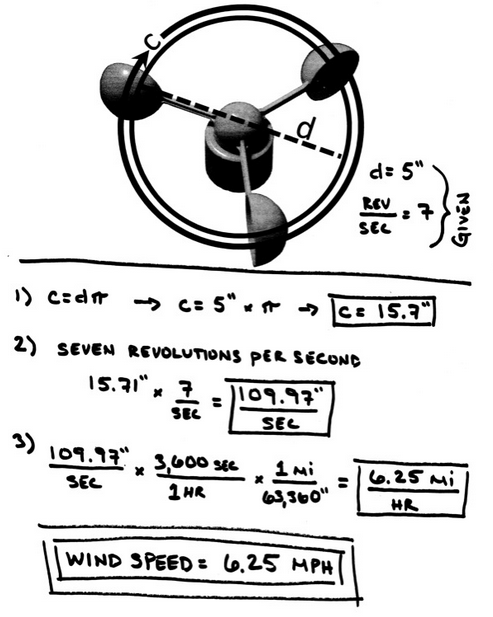
The formula for an anemometer is not a single equation, but rather a set of calculations used to determine the wind speed and direction. The most common type of anemometer is the cup anemometer, which consists of a series of cups attached to a vertical axis. As the wind blows, the cups rotate, and the speed of rotation is directly proportional to the wind speed. The formula for calculating the wind speed from the anemometer's rotation speed is: wind speed (m/s) = (rotation speed (rpm) x 2 x π x radius (m)) / 60.
How Anemometers Work
Anemometers work by using the rotation speed of the cups to calculate the wind speed. The cups are designed to capture the wind and rotate as it blows. The rotation speed is then measured and used to calculate the wind speed. The key factors that affect the accuracy of an anemometer are the shape and size of the cups, the material used to make the anemometer, and the location of the anemometer. Some of the key considerations when using an anemometer include:
- Calibration: The anemometer must be calibrated to ensure that it is accurate and reliable.
- Maintenance: The anemometer must be regularly maintained to ensure that it continues to function correctly.
- Installation: The anemometer must be installed in a location that is representative of the wind conditions being measured.
Types of Anemometers
There are several types of anemometers, each with its own unique characteristics and applications. The most common types of anemometers are the cup anemometer, the vane anemometer, and the hot wire anemometer. The cup anemometer is the most widely used type of anemometer, and is commonly used in weather stations and wind turbines. Some of the key differences between the different types of anemometers include:
- Accuracy: The cup anemometer is generally less accurate than the vane anemometer or the hot wire anemometer.
- Range: The hot wire anemometer has a much wider range of wind speeds than the cup anemometer or the vane anemometer.
- Cost: The cup anemometer is generally less expensive than the vane anemometer or the hot wire anemometer.
Applications of Anemometers
Anemometers have a wide range of applications, including weather forecasting, wind energy, and aviation. In weather forecasting, anemometers are used to measure the wind speed and direction, which is essential for predicting the weather. In wind energy, anemometers are used to measure the wind speed and direction at potential wind farm locations. Some of the key uses of anemometers in different fields include:
- Wind turbines: Anemometers are used to measure the wind speed and direction at wind turbine locations.
- Weather stations: Anemometers are used to measure the wind speed and direction at weather stations.
- Airports: Anemometers are used to measure the wind speed and direction at airports.
Limitations of Anemometers
Anemometers have several limitations, including accuracy, range, and interference. The accuracy of an anemometer can be affected by several factors, including the shape and size of the cups and the material used to make the anemometer. The range of an anemometer can be limited by the maximum wind speed that it can measure. Some of the key limitations of anemometers include:
- Turbulence: Anemometers can be affected by turbulence in the wind, which can cause inaccurate readings.
- Ice: Anemometers can be affected by ice, which can cause the cups to become stuck or the anemometer to become inaccurate.
- Corrosion: Anemometers can be affected by corrosion, which can cause the anemometer to become inaccurate or fail.
Future Developments in Anemometers
There are several future developments in anemometers, including the use of new materials and new technologies. One of the key areas of development is the use of ultrasonic anemometers, which use sound waves to measure the wind speed and direction. Some of the key potential developments in anemometers include:
- Increased accuracy: New materials and technologies could lead to more accurate anemometers.
- Increased range: New materials and technologies could lead to anemometers that can measure a wider range of wind speeds.
- Reduced cost: New materials and technologies could lead to anemometers that are less expensive to produce and maintain.
How do you read a homemade anemometer?
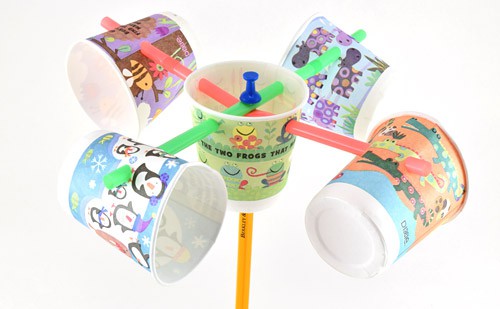
To read a homemade anemometer, you need to understand the basic principles of how it works. A homemade anemometer typically consists of a rotor with cups or blades that spin in the wind, and a shaft that connects to a pointer or dial. As the wind blows, the rotor spins, causing the pointer to move and indicate the wind speed. The reading is usually taken from the dial, which is calibrated to show the wind speed in units such as miles per hour or kilometers per hour.
Understanding the Anemometer Components
The components of a homemade anemometer are crucial to understanding how to read it. The rotor is the main component that spins in the wind, and it is usually made up of cups or blades that are attached to a shaft. The shaft connects to a pointer or dial that indicates the wind speed. To read the anemometer, you need to understand how these components work together. Here are the key components:
- The rotor spins in the wind, causing the shaft to turn
- The shaft is connected to a pointer or dial that indicates the wind speed
- The pointer or dial is calibrated to show the wind speed in units such as miles per hour or kilometers per hour
Calibrating the Anemometer
Calibrating the anemometer is essential to ensure that the readings are accurate! The calibration process involves setting the anemometer to a known wind speed and adjusting the pointer or dial to match. This process is usually done using a reference anemometer that is known to be accurate. To calibrate the anemometer, you need to:
- Set the anemometer to a known wind speed using a reference anemometer
- Adjust the pointer or dial to match the known wind speed
- Repeat the process for different wind speeds to ensure that the anemometer is accurate across a range of speeds
Taking Readings from the Anemometer
Taking readings from the anemometer is a straightforward process. Once the anemometer is calibrated, you can take readings by observing the pointer or dial. The pointer will indicate the wind speed, and you can record the reading. Here are the steps to take readings:
- Observe the pointer or dial to determine the wind speed
- Record the reading, making sure to note the units of measurement
- Repeat the process at regular intervals to track changes in wind speed over time
Factors Affecting Anemometer Readings
There are several factors that can affect the accuracy of anemometer readings. Wind direction, air density, and temperature can all impact the readings. To ensure accurate readings, you need to consider these factors and take steps to minimize their impact. Here are some factors to consider:
- Wind direction: The anemometer should be oriented to face the wind direction to ensure accurate readings
- Air density: Changes in air density can affect the anemometer's accuracy, so it's essential to consider this factor when taking readings
- Temperature: Temperature changes can also impact the anemometer's accuracy, so it's crucial to consider this factor when taking readings
Troubleshooting Common Issues
Common issues with homemade anemometers include inaccurate readings, mechanical failure, and calibration errors. To troubleshoot these issues, you need to identify the problem and take steps to resolve it. Here are some common issues and their solutions:
- Inaccurate readings: Check the calibration of the anemometer and ensure that it is properly oriented to face the wind direction
- Mechanical failure: Check the rotor and shaft for any damage or wear and tear, and replace any faulty components
- Calibration errors: Re-calibrate the anemometer using a reference anemometer to ensure that the readings are accurate
Frequently Asked Questions (FAQs)
What is a Cup Anemometer and how does it measure wind speed?
A cup anemometer is a device used to measure wind speed by utilizing the rotation of cups attached to a vertical axis. The cups are designed to rotate when exposed to wind, and the rotational speed of the cups is directly proportional to the wind speed. The cup anemometer is a simple and reliable device that has been widely used for wind measurement in various applications, including meteorology, aviation, and renewable energy. The cup anemometer works on the principle that the rotational speed of the cups is directly related to the wind speed, and by measuring the rotational speed, the wind speed can be calculated.
What are the formulae used to calculate wind speed from cup anemometer measurements?
The wind speed can be calculated from the rotational speed of the cups using the following formulae: V = (π D N) / 60, where V is the wind speed in meters per second, D is the diameter of the cups in meters, and N is the rotational speed of the cups in revolutions per minute. Another formula that can be used is: V = (2 π R N) / 60, where R is the radius of the cups in meters. These formulae are based on the relationship between the rotational speed of the cups and the wind speed, and they provide a reliable and accurate way to calculate the wind speed from the cup anemometer measurements.
How does a cup anemometer wind measurement calculator work?
A cup anemometer wind measurement calculator is a device or software that uses the formulae mentioned earlier to calculate the wind speed from the rotational speed of the cups. The calculator takes the rotational speed of the cups as input and uses the formulae to calculate the wind speed. The calculator can be a handheld device, a computer program, or a mobile app, and it provides a quick and easy way to calculate the wind speed from the cup anemometer measurements. The calculator can also provide additional features, such as data logging, graphing, and alerts, to help users analyze and interpret the wind speed data.
What are the advantages and limitations of using a cup anemometer for wind measurement?
The advantages of using a cup anemometer for wind measurement include its simplicity, reliability, and low cost. The cup anemometer is a robust device that can withstand harsh weather conditions and provide accurate measurements over a wide range of wind speeds. However, the cup anemometer also has some limitations, including its sensitivity to turbulence and directional effects. The cup anemometer can be affected by turbulence and directional effects, which can lead to errors in the wind speed measurements. Additionally, the cup anemometer may not be suitable for measuring very low or very high wind speeds, and it may require calibration and maintenance to ensure accurate measurements.
Deja una respuesta
Entradas Relacionadas