
Concrete Pad Foundation Design Spreadsheet Calculator

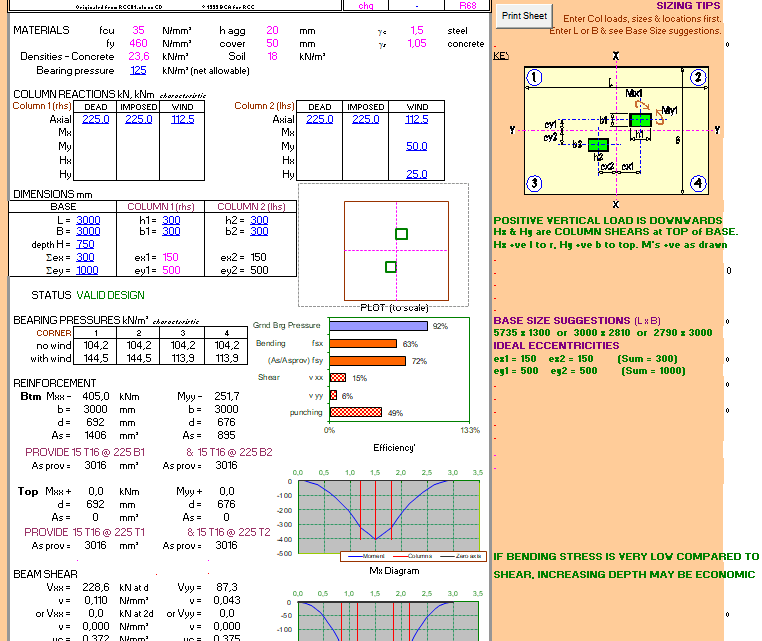
The design of concrete pad foundations is a critical aspect of construction, requiring precise calculations to ensure stability and safety. A well-designed foundation can prevent structural damage and costly repairs. The Concrete Pad Foundation Design Spreadsheet Calculator is a valuable tool for engineers and builders, providing a streamlined and accurate method for calculating foundation dimensions, reinforcement, and other key factors. This calculator simplifies the design process, reducing errors and saving time, making it an essential resource for construction projects. It offers a comprehensive and reliable solution for foundation design.
- Concrete Pad Foundation Design Spreadsheet Calculator
- What is the pad foundation design spreadsheet?
- How do you calculate foundation design?
- How do you calculate concrete foundation?
-
Frequently Asked Questions (FAQs)
- What is a Concrete Pad Foundation Design Spreadsheet Calculator and how does it work?
- What are the benefits of using a Concrete Pad Foundation Design Spreadsheet Calculator?
- What are the key input parameters required for a Concrete Pad Foundation Design Spreadsheet Calculator?
- How can a Concrete Pad Foundation Design Spreadsheet Calculator be used to optimize the design of a concrete pad foundation?
Concrete Pad Foundation Design Spreadsheet Calculator
The Concrete Pad Foundation Design Spreadsheet Calculator is a tool used to design and calculate the dimensions of a concrete pad foundation. This calculator is essential for engineers, architects, and contractors to ensure that the foundation of a building is safe and can support the weight of the structure. The calculator takes into account various factors such as the type of soil, the weight of the building, and the desired margin of safety. With this information, the calculator can determine the required thickness and dimensions of the concrete pad foundation.
Introduction to Concrete Pad Foundation Design
Concrete pad foundations are a type of shallow foundation that is commonly used for small to medium-sized buildings. The design of a concrete pad foundation involves calculating the bearing capacity of the soil and determining the required thickness and dimensions of the concrete pad. This is typically done using a combination of mathematical formulas and engineering judgment. The Concrete Pad Foundation Design Spreadsheet Calculator simplifies this process by providing a user-friendly interface for inputting the required data and calculating the results.
Key Factors in Concrete Pad Foundation Design
There are several key factors that must be considered when designing a concrete pad foundation. These include the type of soil, the weight of the building, and the desired margin of safety. The type of soil is critical because it determines the bearing capacity of the soil, which is the maximum weight that the soil can support without failing. The weight of the building is also important because it determines the load that the foundation must support. The desired margin of safety is a factor that is used to account for any uncertainties or variations in the design.
How the Calculator Works
The Concrete Pad Foundation Design Spreadsheet Calculator works by taking in the required data and using mathematical formulas to calculate the results. The user inputs the type of soil, the weight of the building, and the desired margin of safety, and the calculator determines the required thickness and dimensions of the concrete pad foundation. The calculator also provides a summary of the results, including the required thickness and dimensions of the concrete pad foundation, as well as the bearing capacity of the soil.
| Factor | Unit | Description |
|---|---|---|
| Type of Soil | - | The type of soil that the foundation will be built on |
| Weight of Building | kg or lbs | The weight of the building that the foundation must support |
| Desired Margin of Safety | - | The factor used to account for any uncertainties or variations in the design |
Benefits of Using the Calculator
There are several benefits to using the Concrete Pad Foundation Design Spreadsheet Calculator. One of the main benefits is that it saves time and reduces errors. The calculator is able to quickly and accurately calculate the required dimensions of the concrete pad foundation, reducing the risk of human error. Another benefit is that the calculator provides a detailed summary of the results, including the required thickness and dimensions of the concrete pad foundation, as well as the bearing capacity of the soil. This information can be used to inform design decisions and ensure that the foundation is safe and reliable.
Limitations of the Calculator
While the Concrete Pad Foundation Design Spreadsheet Calculator is a useful tool, it does have some limitations. One of the main limitations is that it assumes a uniform load on the foundation, which may not always be the case. Additionally, the calculator does not account for other factors that may affect the design of the foundation, such as water tables or soil settlement. As a result, the calculator should be used in conjunction with other design tools and engineering judgment to ensure that the foundation is safe and reliable.
What is the pad foundation design spreadsheet?
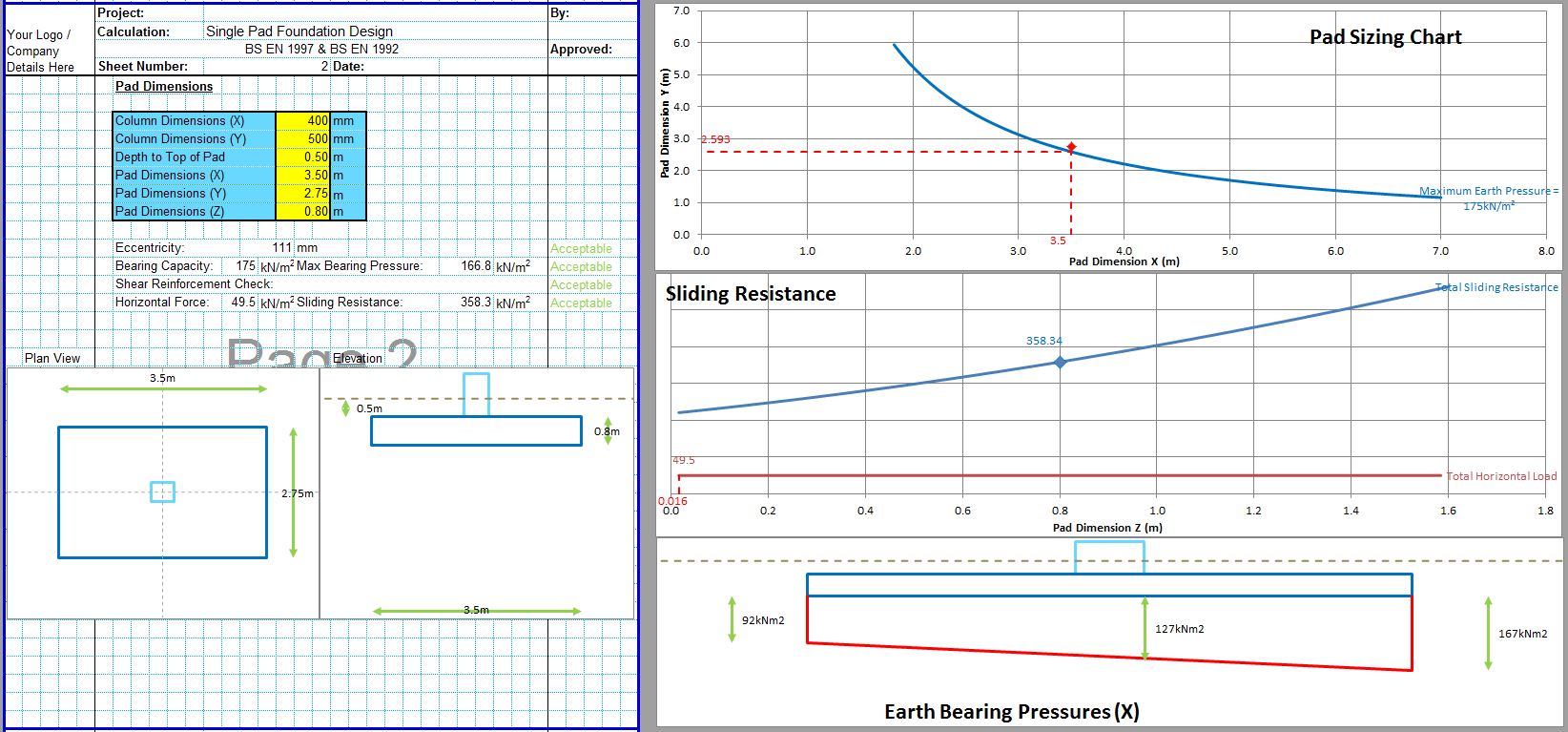
The pad foundation design spreadsheet is a tool used by engineers to design and analyze pad foundations, which are a type of shallow foundation used to support structures such as buildings, bridges! and other infrastructure projects. This spreadsheet is typically used to calculate the bearing capacity of the soil, the settlement of the foundation, and the stress distribution beneath the foundation.
Introduction to Pad Foundation Design
The pad foundation design spreadsheet is an essential resource for engineers designing pad foundations. To use this spreadsheet effectively, engineers need to have a good understanding of the principles of foundation design, including the types of loads that will be applied to the foundation, the properties of the soil or other materials that will support the foundation, and the requirements for stability and settlement. Some key considerations in pad foundation design include:
- Bearing capacity: The ability of the soil to support the weight of the structure without failure or excessive settlement.
- Settlement: The amount of movement or displacement of the foundation due to the weight of the structure and the properties of the soil.
- Stress distribution: The way in which the weight of the structure is distributed through the soil or other materials supporting the foundation.
Key Components of the Pad Foundation Design Spreadsheet
The pad foundation design spreadsheet typically includes inputs for the dimensions of the foundation, the properties of the soil or other materials, and the loads that will be applied to the foundation. The spreadsheet then uses these inputs to calculate the bearing capacity of the soil, the settlement of the foundation, and the stress distribution beneath the foundation. Some key components of the pad foundation design spreadsheet include:
- Foundation dimensions: The length, width, and thickness of the foundation, as well as the location of any reinforcement or other features.
- Soil properties: The density, strength, and other properties of the soil or other materials that will support the foundation.
- Loads: The types and magnitudes of the loads that will be applied to the foundation, including dead loads, live loads, and any other external loads.
Calculations and Analysis in the Pad Foundation Design Spreadsheet
The pad foundation design spreadsheet performs a number of calculations and analyses to determine the behavior of the foundation under load. These calculations include the bearing capacity of the soil, the settlement of the foundation, and the stress distribution beneath the foundation. Some key calculations and analyses in the pad foundation design spreadsheet include:
- Bearing capacity calculation: The spreadsheet calculates the bearing capacity of the soil using formulas and equations based on the properties of the soil and the dimensions of the foundation.
- Settlement calculation: The spreadsheet calculates the settlement of the foundation using formulas and equations based on the properties of the soil and the loads applied to the foundation.
- Stress distribution analysis: The spreadsheet analyzes the stress distribution beneath the foundation using finite element methods or other numerical methods.
Design Requirements and Considerations for Pad Foundations
The pad foundation design spreadsheet is used to ensure that the design of the foundation meets the requirements for stability, settlement, and stress distribution. Some key design requirements and considerations for pad foundations include:
- Stability: The foundation must be stable under all loads and conditions, including dead loads, live loads, and any other external loads.
- Settlement: The foundation must not settle excessively under load, and the settlement must be uniform to avoid damage to the structure.
- Stress distribution: The stress distribution beneath the foundation must be even and uniform to avoid concentrations of stress that could lead to failure.
Best Practices for Using the Pad Foundation Design Spreadsheet
To get the most out of the pad foundation design spreadsheet, engineers should follow best practices for inputting data, running calculations, and interpreting results. Some key best practices for using the pad foundation design spreadsheet include:
- Accurate input: The engineer must input accurate and complete data for the dimensions of the foundation, the properties of the soil, and the loads applied to the foundation.
- Careful calculation: The engineer must carefully review and check the calculations and analyses performed by the spreadsheet to ensure that they are accurate and reliable.
- Thorough interpretation: The engineer must thoroughly interpret the results of the spreadsheet, including the bearing capacity, settlement, and stress distribution, to ensure that the design of the foundation meets the requirements for stability, settlement, and stress distribution.
How do you calculate foundation design?

To calculate foundation design, engineers and architects use a combination of mathematical formulas and soil mechanics principles to determine the load-bearing capacity of the foundation. This involves analyzing the soil conditions, water table, and structural loads to ensure the foundation can support the weight of the building. The calculation process typically begins with a site investigation to gather data on the soil properties, followed by a design analysis to determine the required foundation depth and footing size.
Soil Investigation and Testing
The soil investigation phase involves collecting and analyzing soil samples to determine their strength, stability, and compressibility. This is typically done through a combination of field tests and laboratory tests, such as:
- Standard Penetration Test (SPT): measures the soil density and strength
- Cone Penetration Test (CPT): measures the soil stiffness and strength
- Triaxial Test: measures the soil shear strength and compressibility
These tests provide essential data for determining the foundation design parameters, such as the allowable bearing capacity and settlement.
Foundation Types and Selection
The type of foundation used depends on the soil conditions, structural loads, and building design. Common types of foundations include shallow foundations, deep foundations, and pile foundations. The selection of a suitable foundation type involves considering factors such as:
- Soil bearing capacity: the ability of the soil to support the foundation loads
- Settlement: the vertical movement of the foundation due to soil compression
- Foundation depth: the distance from the ground surface to the foundation base
Each foundation type has its own design requirements and construction challenges, and the selection process involves weighing the advantages and disadvantages of each option.
Load Calculation and Analysis
The load calculation involves determining the total load that the foundation must support, including the dead load, live load, and environmental loads. This requires analyzing the structural system and building design to determine the load paths and load distributions. The load calculation is typically performed using structural analysis software, which can simulate the load behavior and stress distributions in the foundation. The results of the load calculation are used to determine the required foundation size and reinforcement.
Foundation Design Parameters
The foundation design parameters include the allowable bearing capacity, settlement, and foundation depth. These parameters are determined based on the soil investigation and load calculation results, and are used to size and detail the foundation. The design parameters must also satisfy the structural integrity and stability requirements, and ensure that the foundation can resist the design loads and environmental forces. The foundation design parameters are typically presented in a design report, which summarizes the design calculations and assumptions.
Construction and Testing
The construction phase involves excavating and building the foundation, and testing its integrity and performance. This includes inspecting the foundation for defects and damage, and testing its load-bearing capacity and settlement. The testing phase may involve field tests, such as:
- Load tests: measure the foundation's ability to support the design loads
- Settlement tests: measure the foundation's vertical movement due to soil compression
- Integrity tests: assess the foundation's structural integrity and stability
The results of the testing phase are used to verify the foundation design and validate the construction process.
How do you calculate concrete foundation?
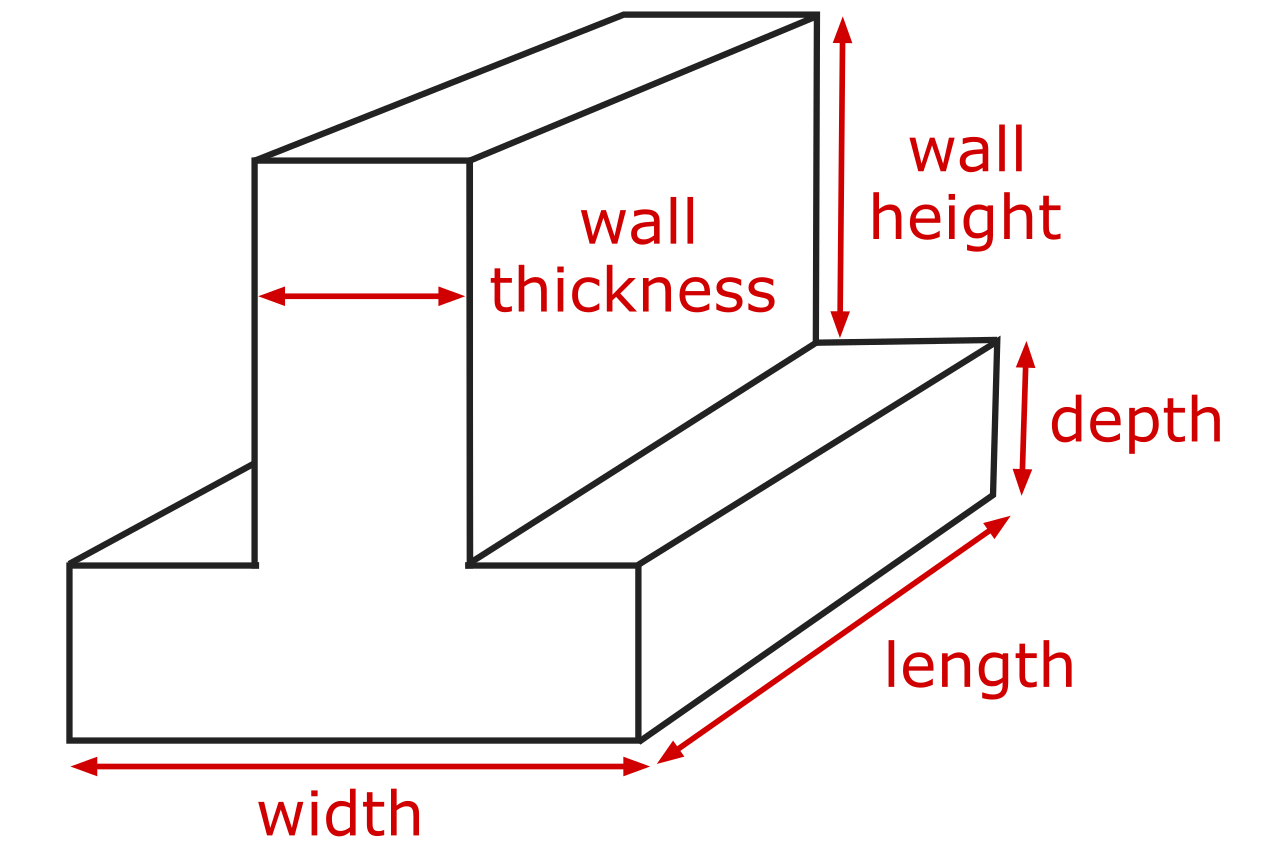
To calculate a concrete foundation, you need to consider several factors, including the size and depth of the foundation, the type of soil it will be built on, and the weight of the structure it will support. The calculation involves determining the volume of concrete needed, which is typically measured in cubic feet or cubic meters. This can be done by multiplying the length, width, and depth of the foundation. Additionally, you need to consider the reinforcement requirements, such as the amount and spacing of steel rebar, to ensure the foundation has sufficient strength and durability.
Factors Affecting Concrete Foundation Calculation
The calculation of a concrete foundation is affected by several factors, including the soil bearing capacity, water table level, and climate conditions. These factors can impact the design and construction of the foundation, and must be taken into account to ensure a stable and long-lasting foundation. Some key considerations include:
- Soil type: The type of soil the foundation will be built on, including its density and moisture content.
- Load calculations: The weight of the structure and any external loads, such as wind or earthquake forces.
- Foundation type: The type of foundation, including spread footings, pile foundations, or mat foundations.
Calculating Concrete Volume
To calculate the volume of concrete needed for a foundation, you need to determine the dimensions of the foundation and multiply them together. This can be done using the formula: volume = length x width x depth. For example, if the foundation is 10 feet long, 8 feet wide, and 12 inches deep, the volume would be: volume = 10 x 8 x 1 = 80 cubic feet. It's also important to consider the shape of the foundation, including any curves or corners, which can affect the calculation.
- Convert dimensions to a consistent unit: Ensure all dimensions are in the same unit, such as feet or meters.
- Calculate the volume of each section: If the foundation has multiple sections, calculate the volume of each section separately.
- Add the volumes together: Add the volumes of each section to get the total volume of concrete needed.
Reinforcement Requirements
The reinforcement requirements for a concrete foundation depend on the size and type of foundation, as well as the loads it will be subjected to. The steel rebar must be designed to provide sufficient tensile strength and ductility to the foundation. This can be done by calculating the area of steel required, based on the load and span of the foundation. For example, a foundation with a large span may require more rebar to ensure it can withstand bending and shear forces.
- Determine the load capacity: Calculate the load capacity of the foundation, including any external loads.
- Select the rebar size and spacing: Choose the size and spacing of the rebar, based on the load capacity and foundation type.
- Calculate the rebar area: Calculate the area of rebar required, based on the size and spacing of the rebar.
Foundation Design Considerations
When designing a concrete foundation, there are several considerations that must be taken into account, including the soil conditions, water table level, and climate conditions. The foundation must be designed to transfer loads to the soil, while also providing stability and durability. This can be done by using design software or consulting with an engineer. Additionally, the foundation must be designed to meet local building codes and regulations.
- Conduct a site investigation: Investigate the soil conditions and water table level at the site.
- Determine the foundation type: Choose the type of foundation, based on the soil conditions and load requirements.
- Design the foundation: Design the foundation, using design software or consulting with an engineer.
Construction and Testing
Once the concrete foundation has been designed and calculated, it's time to construct and test the foundation. This involves excavating the site, pouring the concrete, and curing the foundation. The foundation must be tested to ensure it meets the design requirements and local building codes. This can be done using non-destructive testing methods, such as ultrasound or ground-penetrating radar.
- Excavate the site: Excavate the site, to the required depth and dimensions.
- Pour the concrete: Pour the concrete, using a pump or bucket.
- Cure the foundation: Cure the foundation, using a curing compound or water.
Frequently Asked Questions (FAQs)
What is a Concrete Pad Foundation Design Spreadsheet Calculator and how does it work?
A Concrete Pad Foundation Design Spreadsheet Calculator is a software tool used to design and calculate the dimensions and reinforcement requirements of a concrete pad foundation. This type of foundation is commonly used for small buildings, sheds, and other light structures. The calculator works by taking into account various input parameters such as the load on the foundation, the soil type, and the desired thickness of the concrete pad. It then uses complex algorithms and engineering formulas to calculate the required reinforcement, thickness, and dimensions of the concrete pad. The calculator provides a detailed report of the design calculations, including charts and tables to help the user understand the results.
What are the benefits of using a Concrete Pad Foundation Design Spreadsheet Calculator?
The benefits of using a Concrete Pad Foundation Design Spreadsheet Calculator are numerous. One of the main advantages is that it saves time and reduces errors in the design process. The calculator can quickly and accurately perform complex calculations, allowing the user to explore different design options and optimize the foundation design. Additionally, the calculator provides a consistent and reliable method of design, which helps to minimize the risk of errors and omissions. Another benefit is that the calculator can help to reduce costs by optimizing the use of materials and labor. Overall, the calculator is a valuable tool for engineers, architects, and builders who need to design and build concrete pad foundations.
What are the key input parameters required for a Concrete Pad Foundation Design Spreadsheet Calculator?
The key input parameters required for a Concrete Pad Foundation Design Spreadsheet Calculator include the load on the foundation, the soil type, the desired thickness of the concrete pad, and the type of reinforcement to be used. The load on the foundation is a critical parameter, as it determines the required strength and stability of the foundation. The soil type is also important, as it affects the bearing capacity and settlement of the foundation. The desired thickness of the concrete pad is another key parameter, as it affects the weight and cost of the foundation. The type of reinforcement to be used, such as rebar or fibermesh, is also an important parameter, as it affects the strength and durability of the foundation. Other input parameters may include the climate, site conditions, and local building codes.
How can a Concrete Pad Foundation Design Spreadsheet Calculator be used to optimize the design of a concrete pad foundation?
A Concrete Pad Foundation Design Spreadsheet Calculator can be used to optimize the design of a concrete pad foundation by iterating through different design options and evaluating the results. The calculator can be used to test different scenarios, such as varying the load on the foundation, changing the soil type, or adjusting the thickness of the concrete pad. The calculator can then be used to compare the results of each scenario and identify the most optimal design. The calculator can also be used to evaluate the cost and constructability of each design option, allowing the user to make informed decisions about the design. Additionally, the calculator can be used to identify potential problems and mitigate risks associated with the design, such as settlement or erosion. By using the calculator to optimize the design, users can create a more efficient, cost-effective, and safe concrete pad foundation.
Deja una respuesta
Entradas Relacionadas