
Wind Chill Calculator and Equations

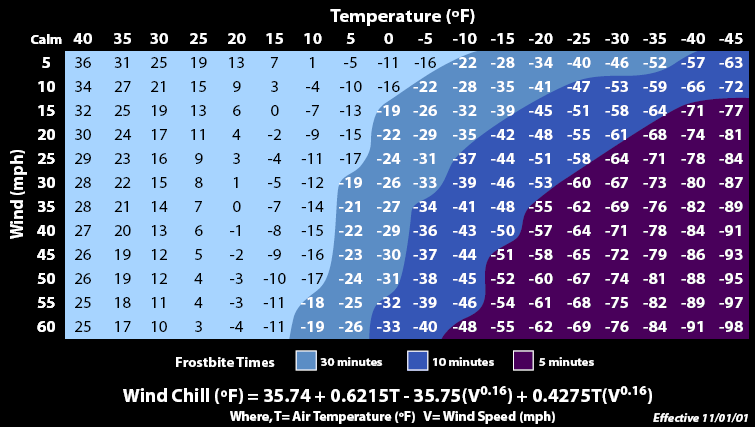
The Wind Chill Calculator is a valuable tool for determining the perceived temperature in cold and windy conditions. By taking into account both air temperature and wind speed, it provides a more accurate representation of how cold it actually feels outside. The calculator uses established equations to calculate the wind chill factor, which is essential for various applications, including weather forecasting, outdoor activities, and cold-weather safety precautions. Understanding the wind chill equations and their applications is crucial for making informed decisions in cold climates. The calculator's accuracy relies on precise equations and data input.
Understanding Wind Chill Calculator and Equations
The Wind Chill Calculator is a tool used to estimate the perceived temperature felt by the human body due to the combination of air temperature and wind speed. This calculator is essential in understanding how wind chill affects our daily lives, especially in cold climates. The equations used in wind chill calculations are based on the heat loss from the human body due to convection and evaporation. The most commonly used equation is the Wind Chill Index, which was developed by the National Weather Service.
Introduction to Wind Chill Calculator
The Wind Chill Calculator is a mathematical model that calculates the wind chill temperature based on the air temperature and wind speed. This calculator is widely used by meteorologists and weather forecasters to predict the wind chill index, which is an essential parameter in understanding the weather conditions. The wind chill calculator takes into account the heat loss from the human body due to convection and evaporation, providing an accurate estimate of the perceived temperature.
Wind Chill Equations and Formulas
The wind chill equations are based on the heat loss from the human body due to convection and evaporation. The most commonly used equation is the Wind Chill Index, which is calculated using the following formula: WCI = 35.74 + 0.6215T - 35.75(V^0.16) + 0.4275T(V^0.16), where WCI is the Wind Chill Index, T is the air temperature, and V is the wind speed. This equation provides an accurate estimate of the wind chill temperature, which is essential in understanding the weather conditions.
How to Use a Wind Chill Calculator
Using a wind chill calculator is straightforward. First, enter the air temperature and wind speed into the calculator. The calculator will then use the wind chill equation to estimate the wind chill temperature. The result will be displayed as a wind chill index, which indicates the perceived temperature felt by the human body. It is essential to note that the wind chill calculator assumes a humidity level of 50%, which may not be accurate in all cases.
Applications of Wind Chill Calculator
The wind chill calculator has numerous applications in meteorology, weather forecasting, and outdoor activities. Meteorologists use the wind chill calculator to predict the wind chill index, which is an essential parameter in understanding the weather conditions. Weather forecasters use the wind chill calculator to provide accurate weather forecasts, which help people prepare for cold weather conditions. Outdoor enthusiasts use the wind chill calculator to plan their outdoor activities, such as hiking, skiing, and snowboarding.
Limitations of Wind Chill Calculator
The wind chill calculator has several limitations. First, the wind chill equation assumes a humidity level of 50%, which may not be accurate in all cases. Second, the wind chill calculator does not take into account other factors that affect the perceived temperature, such as sun radiation and cloud cover. Third, the wind chill calculator is not accurate for wind speeds above 40 mph. Despite these limitations, the wind chill calculator remains a useful tool in understanding the wind chill index and weather conditions.
| Air Temperature | Wind Speed | Wind Chill Index |
|---|---|---|
| 32°F | 10 mph | 23°F |
| 25°F | 20 mph | 15°F |
| 18°F | 30 mph | 5°F |
What is the wind chill at 40 mph?
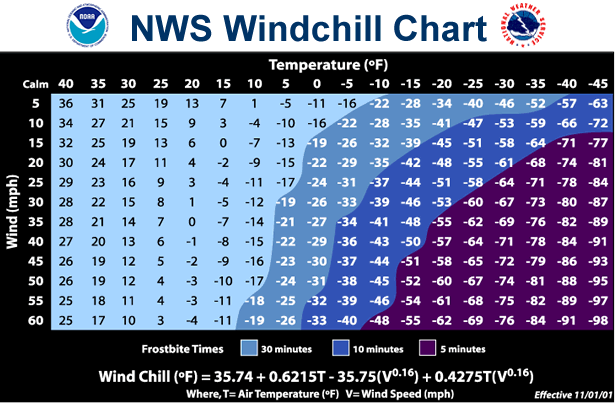
The wind chill at 40 mph is a measure of how cold it feels outside when the air is moving at that speed. To calculate the wind chill, you need to consider both the air temperature and the wind speed. The National Weather Service (NWS) provides a wind chill chart that can be used to determine the wind chill temperature. At 40 mph, the wind chill can be significant, making the air feel much colder than the actual temperature.
Understanding Wind Chill
The concept of wind chill is important to understand because it can affect how our bodies perceive the cold. When the wind blows, it removes the layer of warm air closest to our skin, making us feel colder. The wind chill formula takes into account the air temperature and wind speed to calculate the wind chill temperature. Here are some key points to consider:
- The wind chill formula is based on the idea that the wind removes the warm layer of air closest to our skin, making us feel colder.
- The wind chill temperature is calculated using a complex formula that involves both the air temperature and wind speed.
- The National Weather Service provides a wind chill chart that can be used to determine the wind chill temperature.
Calculating Wind Chill
To calculate the wind chill at 40 mph, you can use the wind chill chart provided by the National Weather Service. The chart takes into account both the air temperature and wind speed to calculate the wind chill temperature. For example, if the air temperature is 25°F and the wind speed is 40 mph, the wind chill temperature would be around 15°F. Here are some key points to consider:
- The wind chill chart is based on a complex formula that involves both the air temperature and wind speed.
- The wind chill temperature is calculated by looking up the air temperature and wind speed on the chart.
- The wind chill chart is available online and can be used to calculate the wind chill temperature for any given air temperature and wind speed.
Wind Chill Effects on the Body
The wind chill can have significant effects on the body, particularly in cold weather. When the wind chill is high, it can make the air feel much colder than the actual temperature, increasing the risk of hypothermia and frostbite. Here are some key points to consider:
- The wind chill can make the air feel much colder than the actual temperature, increasing the risk of hypothermia and frostbite.
- The wind chill can also increase the risk of windburn, a condition where the skin becomes dry and irritated due to the wind.
- The wind chill can be particularly dangerous for people who spend extended periods outdoors, such as outdoor workers and athletes.
Measuring Wind Chill
Measuring the wind chill requires a combination of temperature and wind speed measurements. The National Weather Service uses a network of weather stations to measure the temperature and wind speed, which are then used to calculate the wind chill temperature. Here are some key points to consider:
- The wind chill is measured using a combination of temperature and wind speed measurements.
- The National Weather Service uses a network of weather stations to measure the temperature and wind speed.
- The wind chill measurement is typically reported in degrees Fahrenheit or degrees Celsius.
Wind Chill Safety Precautions
To stay safe in cold weather with high wind chill, it's essential to take certain precautions. These include dressing warmly, wearing protective gear such as hats and gloves, and limiting exposure to the cold. Here are some key points to consider:
- Dressing warmly is essential to stay safe in cold weather with high wind chill.
- Wearing protective gear such as hats and gloves can help prevent frostbite and hypothermia.
- Limited exposure to the cold can help prevent windburn and other cold-related illnesses.
What is the wind chill at 25 mph?
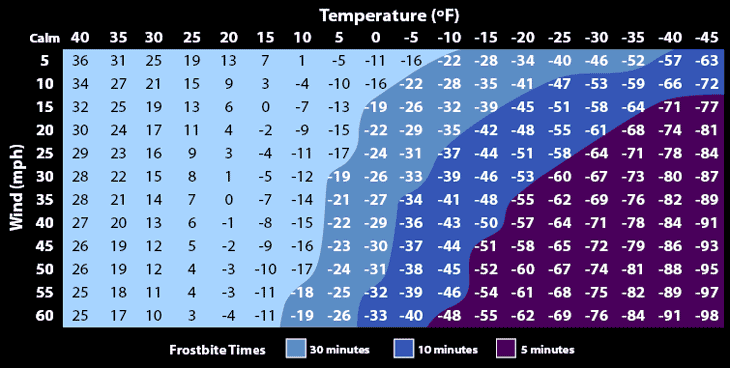
The wind chill at 25 mph is a measure of how cold it feels outside when the wind is blowing at that speed. The wind chill factor is calculated using a formula that takes into account the air temperature and the wind speed. At 25 mph, the wind chill can make the air feel significantly colder than the actual temperature. For example, if the air temperature is 32°F (0°C), the wind chill at 25 mph would make it feel like it's around 23°F (-5°C).
Understanding Wind Chill
The wind chill effect is an important factor to consider when spending time outdoors, especially in cold weather. It's calculated using a formula that takes into account the air temperature and wind speed. The formula is: wind chill (W) = 35.74 + 0.6215T - 35.75(V^0.16) + 0.4275T(V^0.16), where T is the air temperature in Fahrenheit and V is the wind speed in mph. Some key points to consider about wind chill are:
- The wind chill factor is most significant when the air temperature is below freezing.
- The wind speed has a greater impact on wind chill than the air temperature.
- Clothing can play a significant role in reducing the effects of wind chill.
Calculating Wind Chill
Calculating the wind chill at 25 mph requires using the wind chill formula. For example, if the air temperature is 25°F (-4°C), the wind chill at 25 mph would be calculated as follows: W = 35.74 + 0.6215(25) - 35.75(25^0.16) + 0.4275(25)(25^0.16). This would result in a wind chill of around 14°F (-10°C). Some key factors to consider when calculating wind chill are:
- The air temperature must be in Fahrenheit.
- The wind speed must be in mph.
- The wind chill formula is most accurate when the air temperature is below freezing.
Effects of Wind Chill
The effects of wind chill can be significant, especially in cold weather. Wind chill can make the air feel much colder than the actual temperature, which can lead to hypothermia and frostbite. Additionally, wind chill can also make it more difficult to perform outdoor activities, such as skiing or hiking. Some key points to consider about the effects of wind chill are:
- Frostbite can occur in as little as 30 minutes in extreme cold.
- Hypothermia can occur when the body loses heat faster than it can produce it.
- Clothing and gear can play a significant role in reducing the effects of wind chill.
Wind Chill Safety
Wind chill safety is an important consideration when spending time outdoors, especially in cold weather. It's essential to take precautions to avoid hypothermia and frostbite, such as dressing in layers and covering exposed skin. Additionally, it's also important to monitor the weather forecast and wind chill warnings. Some key points to consider about wind chill safety are:
- Dressing in layers can help to reduce the effects of wind chill.
- Covering exposed skin can help to prevent frostbite.
- Monitoring the weather forecast can help to prepare for extreme cold.
Wind Chill Applications
The wind chill formula has a variety of applications, including weather forecasting, outdoor recreation, and emergency management. For example, weather forecasters use the wind chill formula to predict how cold it will feel outside, while outdoor enthusiasts use it to plan their activities and stay safe. Some key points to consider about wind chill applications are:
- Weather forecasting uses the wind chill formula to predict wind chill values.
- Outdoor recreation uses the wind chill formula to plan activities and stay safe.
- Emergency management uses the wind chill formula to prepare for extreme cold events.
Frequently Asked Questions (FAQs)
What is the Wind Chill Calculator and how does it work?
The Wind Chill Calculator is a tool used to calculate the perceived temperature, taking into account the air temperature and wind speed. This calculator is essential in determining how cold it actually feels outside, which is crucial in various fields such as meteorology, climatology, and outdoor activities. The calculator uses a specific equation that combines the air temperature and wind speed to produce a wind chill index, which is then used to determine the perceived temperature. The equation used in the calculator is based on research and takes into account the heat loss from the body due to convection and evaporation. The calculator is widely used by weather forecasters, outdoor enthusiasts, and researchers to predict and understand the effects of wind chill on the human body.
How do the Wind Chill Equations differ from the Heat Index Equations?
The Wind Chill Equations and Heat Index Equations are two separate formulas used to calculate the perceived temperature in different weather conditions. The Wind Chill Equations are used to calculate the perceived temperature in cold and windy conditions, while the Heat Index Equations are used to calculate the perceived temperature in hot and humid conditions. The main difference between the two equations is the variables used in each equation. The Wind Chill Equations use air temperature and wind speed as the primary variables, while the Heat Index Equations use air temperature and relative humidity as the primary variables. Additionally, the Wind Chill Equations take into account the heat loss from the body due to convection and evaporation, while the Heat Index Equations take into account the heat gain due to radiation and conduction. Understanding the differences between these two equations is crucial in accurately predicting the perceived temperature in various weather conditions.
What are the limitations of the Wind Chill Calculator and Equations?
The Wind Chill Calculator and Equations have several limitations that need to be considered when using them. One of the main limitations is that the calculator and equations are based on simplified models of the human body and do not take into account individual variables such as clothing, body size, and activity level. Additionally, the calculator and equations are not suitable for extreme weather conditions such as blizzards or tornadoes, where the wind speed and air temperature can be extremely high or low. Furthermore, the calculator and equations do not account for other factors that can affect the perceived temperature, such as sun radiation, humidity, and air pressure. Therefore, it is essential to use the Wind Chill Calculator and Equations in conjunction with other weather forecasting tools and expert judgment to get a more accurate picture of the perceived temperature.
How can the Wind Chill Calculator and Equations be applied in real-world scenarios?
The Wind Chill Calculator and Equations have numerous practical applications in various fields such as meteorology, climatology, outdoor activities, and emergency management. For example, weather forecasters can use the calculator and equations to predict the perceived temperature and issue wind chill warnings to the public. Outdoor enthusiasts such as hikers, skiers, and campers can use the calculator and equations to plan their activities and take necessary precautions to avoid hypothermia and frostbite. Emergency managers can use the calculator and equations to plan and respond to winter storms and cold snaps, and to coordinate with emergency services such as ambulances and search and rescue teams. Additionally, researchers can use the calculator and equations to study the effects of wind chill on the human body and to develop new models and algorithms for predicting the perceived temperature.
Deja una respuesta
Entradas Relacionadas