
Triangular Clamping Toggle Design Formula and Calculator


The Triangular Clamping Toggle is a widely used mechanism in various engineering applications, providing a compact and efficient way to apply clamping forces. Its unique design allows for high holding power while minimizing space requirements. To optimize the performance of this mechanism, a thorough understanding of its design formula is crucial. This article provides an in-depth exploration of the Triangular Clamping Toggle design formula, along with a handy calculator to facilitate the calculation of key parameters, enabling engineers to design and implement this mechanism with precision and confidence. The calculator simplifies the complex calculations involved.
- Understanding the Triangular Clamping Toggle Design Formula and Calculator
- How do you calculate the force of a toggle clamp?
- How do you calculate clamping force in fixture design?
- How are toggle clamps measured?
- What is the structure of a toggle clamp?
-
Frequently Asked Questions (FAQs)
- What is the Triangular Clamping Toggle Design Formula and Calculator used for?
- How does the Triangular Clamping Toggle Design Formula and Calculator work?
- What are the benefits of using the Triangular Clamping Toggle Design Formula and Calculator?
- What are the limitations and assumptions of the Triangular Clamping Toggle Design Formula and Calculator?
Understanding the Triangular Clamping Toggle Design Formula and Calculator
The Triangular Clamping Toggle design is a mechanical mechanism used to secure or clamp objects in place. It operates on the principle of a toggle mechanism, where a force applied to one end of the mechanism is amplified and applied to the other end, creating a strong clamping force. The design formula and calculator for Triangular Clamping Toggles are crucial in determining the optimal dimensions and forces required for a specific application.
Introduction to Toggle Mechanisms
Toggle mechanisms are widely used in mechanical systems due to their ability to amplify forces and create high clamping pressures. The Triangular Clamping Toggle is a specific type of toggle mechanism that utilizes a triangular shape to maximize the clamping force. The design of the toggle mechanism involves calculating the link lengths, pivot points, and force ratios to achieve the desired clamping force.
Design Formula for Triangular Clamping Toggles
The design formula for Triangular Clamping Toggles involves calculating the clamping force (F) based on the input force (P), link lengths (L1 and L2), and pivot points (x and y). The formula is: F = P (L2 / L1) (x / y). This formula is used to determine the required input force to achieve a specific clamping force.
Calculator for Triangular Clamping Toggles
A calculator for Triangular Clamping Toggles can be used to simplify the design process by automating calculations and providing instant results. The calculator typically requires input values such as link lengths, pivot points, and desired clamping force, and then calculates the required input force and other relevant parameters.
Applications of Triangular Clamping Toggles
Triangular Clamping Toggles have a wide range of industrial applications, including workholding, machine tools, and automotive systems. They are particularly useful in situations where high clamping forces are required, such as in metal forming and plastic molding. The compact design and high force-to-weight ratio of Triangular Clamping Toggles make them an attractive solution for many applications.
Advantages and Limitations of Triangular Clamping Toggles
The advantages of Triangular Clamping Toggles include high clamping forces, compact design, and low weight. However, they also have some limitations, such as complexity and sensitivity to alignment. The design formula and calculator can help to mitigate these limitations by ensuring that the toggle mechanism is properly designed and optimized for the specific application.
| Parameter | Unit | Description |
|---|---|---|
| Clamping Force | N (Newtons) | The force applied to the object being clamped |
| Input Force | N (Newtons) | The force applied to the toggle mechanism |
| Link Lengths | m (meters) | The lengths of the links in the toggle mechanism |
| Pivot Points | m (meters) | The distances between the pivot points in the toggle mechanism |
How do you calculate the force of a toggle clamp?

The calculation of the force of a toggle clamp involves understanding the mechanical advantage and the torque applied to the clamp. To calculate the force, you need to know the distance from the pivot point to the point where the force is applied, as well as the angle of the toggle arm. The formula to calculate the force is: Force = Torque / Distance. This formula can be applied to various types of toggle clamps, including pneumatic and hydraulic clamps.
Understanding Toggle Clamp Mechanics
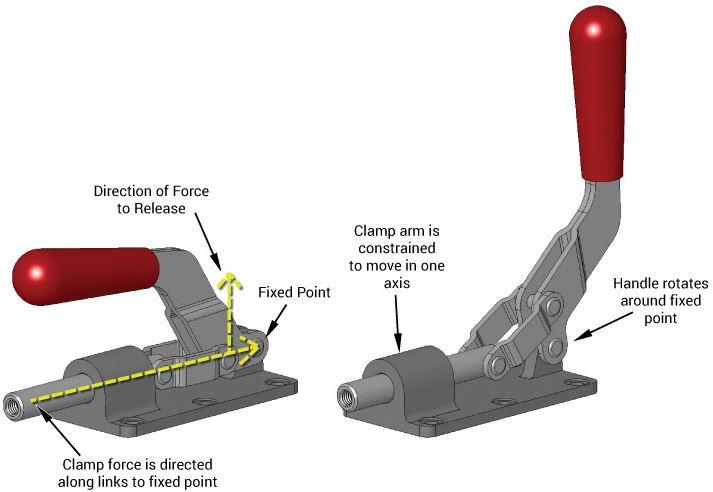
The mechanics of a toggle clamp involve a linkage system that converts the rotational motion of a handle or actuator into a linear motion that applies force to a workpiece. The toggle action allows for a high mechanical advantage, enabling the application of a large force with a relatively small input force. The key components of a toggle clamp include the pivot pins, toggle links, and clamp arm.
- The pivot pins provide the axis around which the toggle links rotate.
- The toggle links transmit the force from the handle or actuator to the clamp arm.
- The clamp arm applies the force to the workpiece, holding it in place.
Calculating Force and Torque
To calculate the force and torque of a toggle clamp, you need to consider the geometry of the clamp and the input force applied to the handle or actuator. The force is calculated using the formula: Force = Torque / Distance, where torque is the rotational force applied to the toggle links and distance is the distance from the pivot point to the point where the force is applied.
- The torque is calculated using the formula: Torque = Force x Distance.
- The distance is measured from the pivot point to the point where the force is applied.
- The input force is the force applied to the handle or actuator, which is transmitted to the toggle links and clamp arm.
Factors Affecting Toggle Clamp Force
Several factors can affect the force of a toggle clamp, including the material of the clamp components, the surface finish of the workpiece, and the alignment of the clamp. The material of the clamp components can affect the strength and durability of the clamp, while the surface finish of the workpiece can affect the friction between the clamp and the workpiece.
- The material of the clamp components can be steel, aluminum, or plastic.
- The surface finish of the workpiece can be smooth, rough, or textured.
- The alignment of the clamp can affect the evenness of the force applied to the workpiece.
Applications of Toggle Clamps
Toggle clamps are used in a variety of applications, including manufacturing, assembly, and testing. They are commonly used to hold workpieces in place during machining, welding, or inspection operations. The force of the toggle clamp can be adjusted to accommodate different types of workpieces and operations.
- The manufacturing industry uses toggle clamps to hold parts in place during production.
- The assembly industry uses toggle clamps to hold components in place during assembly.
- The testing industry uses toggle clamps to hold specimens in place during testing.
Design Considerations for Toggle Clamps
When designing a toggle clamp, several considerations must be taken into account, including the size and shape of the workpiece, the type of material being used, and the desired force and torque. The design of the toggle clamp should also consider the ease of use and safety of the operator.
- The size and shape of the workpiece can affect the design of the clamp.
- The type of material being used can affect the strength and durability of the clamp.
- The desired force and torque can affect the size and type of the toggle links and clamp arm.
How do you calculate clamping force in fixture design?
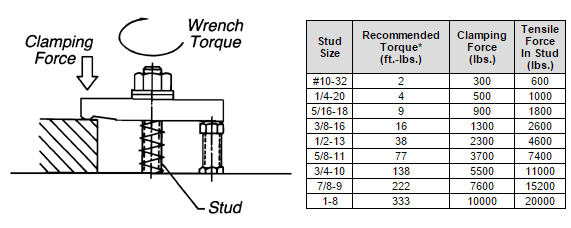
To calculate clamping force in fixture design, you need to consider several factors, including the type of material, the size and shape of the workpiece, and the desired level of precision and accuracy. The clamping force is typically calculated using the following formula: Clamping Force = (Workpiece Weight x Gravity x Safety Factor) / (2 x Friction Coefficient x Fixture geometry). This formula takes into account the weight of the workpiece, the force of gravity, and the safety factor to ensure that the workpiece is held securely in place.
Understanding the Importance of Clamping Force
The clamping force is a critical aspect of fixture design, as it directly affects the quality and accuracy of the final product. A sufficient clamping force is necessary to hold the workpiece in place, while an excessive clamping force can cause damage or deformation. To calculate the clamping force, you need to consider the following factors:
- Workpiece material: The type of material being used can affect the clamping force required. For example, soft materials may require a lower clamping force than hard materials.
- Workpiece size and shape: The size and shape of the workpiece can also impact the clamping force required. Large or complex workpieces may require a higher clamping force than small or simple workpieces.
- Fixture geometry: The design of the fixture itself can also affect the clamping force required. A well-designed fixture can help to distribute the clamping force evenly, reducing the risk of damage or deformation.
Calculating Clamping Force for Different Materials
The clamping force required can vary significantly depending on the type of material being used. For example, metals may require a higher clamping force than plastics or composites. To calculate the clamping force for different materials, you need to consider the following factors:
- Material properties: The strength, stiffness, and density of the material can all impact the clamping force required.
- Material behavior: The way the material responds to stress and strain can also affect the clamping force required. For example, brittle materials may require a lower clamping force than ductile materials.
- Surface finish: The surface finish of the material can also impact the clamping force required. A smooth surface may require a lower clamping force than a rough surface.
Designing Fixtures for Optimal Clamping Force
To ensure that the clamping force is evenly distributed and effective, the fixture must be well-designed. This includes considering the geometry of the fixture, the location of the clamping points, and the type of clamping mechanism used. A good fixture design can help to reduce the risk of damage or deformation, while also improving the overall quality and accuracy of the final product. To design a fixture for optimal clamping force, you need to consider the following factors:
- Fixture geometry: The shape and size of the fixture can affect the clamping force required. A well-designed fixture can help to distribute the clamping force evenly.
- Clamping mechanism: The type of clamping mechanism used can also impact the clamping force required. A pneumatic or hydraulic clamping mechanism may be more effective than a manual clamping mechanism.
- Clamping point location: The location of the clamping points can also affect the clamping force required. Strategically located clamping points can help to distribute the clamping force evenly.
Using Simulation Tools to Optimize Clamping Force
Simulation tools can be used to optimize the clamping force and improve the overall quality and accuracy of the final product. These tools can help to simulate the behavior of the workpiece and the fixture under different loading conditions, allowing designers to optimize the clamping force and fixture design. To use simulation tools to optimize clamping force, you need to consider the following factors:
- Material properties: The strength, stiffness, and density of the material can all impact the clamping force required.
- Fixture geometry: The shape and size of the fixture can affect the clamping force required. A well-designed fixture can help to distribute the clamping force evenly.
- Loading conditions: The loading conditions can also impact the clamping force required. Dynamic or static loading conditions may require different clamping forces.
Testing and Validating Clamping Force
Once the clamping force has been calculated and the fixture has been designed, it is essential to test and validate the clamping force to ensure that it is effective and safe. This can be done using a variety of methods, including experimental testing and finite element analysis. To test and validate clamping force, you need to consider the following factors:
- Test setup: The test setup can affect the accuracy of the results. A well-designed test setup can help to ensure that the results are reliable and accurate.
- Loading conditions: The loading conditions can also impact the clamping force required. Dynamic or static loading conditions may require different clamping forces.
- Measurement techniques: The measurement techniques used can also affect the accuracy of the results. Accurate and reliable measurement techniques are essential for validating the clamping force.
How are toggle clamps measured?
Toggle clamps are measured based on their physical dimensions, capacity, and type. The measurement process typically involves determining the clamping force, holding capacity, and jaw size of the toggle clamp. This information is crucial in selecting the right toggle clamp for a specific application.
Understanding Toggle Clamp Capacity
Toggle clamp capacity refers to the maximum weight or force that a toggle clamp can withstand. Measuring capacity involves considering factors such as the material of the clamp, the size of the jaw, and the type of handle or lever used. The capacity of a toggle clamp is usually measured in pounds or kilograms and is a critical factor in determining the suitability of the clamp for a particular task.
- Material strength: The strength of the materials used to manufacture the toggle clamp affects its overall capacity.
- Jaw size: The size of the jaw determines the surface area that comes into contact with the workpiece, influencing the clamp's capacity.
- Handle or lever type: The design and material of the handle or lever impact the mechanical advantage and, consequently, the clamp's capacity.
Measuring Toggle Clamp Jaw Size
The jaw size of a toggle clamp is another critical measurement. It determines the maximum thickness of the workpiece that can be clamped. Jaw size is usually measured in inches or millimeters and is a key factor in selecting the right toggle clamp for a specific application.
- Workpiece thickness: The thickness of the workpiece must be compatible with the jaw size of the toggle clamp.
- Jaw type: Different jaw types, such as flat, V-shaped, or rounded, are suited for various workpiece shapes and sizes.
- Jaw adjustment: Some toggle clamps feature adjustable jaws, allowing for more flexibility in terms of workpiece size.
Determining Toggle Clamp Type
There are several types of toggle clamps, each designed for specific applications. Measuring the type of toggle clamp involves identifying its mounting style, action type, and special features.
- Mounting style: Toggle clamps can be bolted, welded, or clamped onto a work surface.
- Action type: Horizontal, vertical, or pneumatic toggle clamps are available, each suited for different applications.
- Special features: Some toggle clamps feature quick-release mechanisms, locking devices, or ergonomic handles.
Assessing Toggle Clamp Clamping Force
The clamping force of a toggle clamp is a critical measurement, as it determines the tightness or security of the clamp's grip on the workpiece. Measuring clamping force involves considering factors such as the spring rate, handle length, and lever ratio.
- Spring rate: The stiffness of the spring affects the clamping force of the toggle clamp.
- Handle length: The length of the handle influences the mechanical advantage and, consequently, the clamping force.
- Lever ratio: The ratio of the lever's input to output force affects the overall clamping force.
Calculating Toggle Clamp Holding Capacity
The holding capacity of a toggle clamp refers to its ability to securely hold a workpiece in place. Measuring holding capacity involves considering factors such as the coefficient of friction, workpiece material, and clamp design.
- Coefficient of friction: The friction between the clamp's jaw and the workpiece affects the holding capacity.
- Workpiece material: The density and surface texture of the workpiece influence the holding capacity.
- Clamp design: The geometry and material of the clamp's jaw and handle impact the holding capacity.
What is the structure of a toggle clamp?

The structure of a toggle clamp consists of a mechanical system that uses a combination of levers and links to apply a clamping force to hold an object in place. This design allows for a high clamping pressure to be applied with a relatively low input force, making it a useful tool in various industries. The toggle clamp's structure typically includes a base, a toggle link, and a clamping arm, which work together to provide a secure and reliable hold on the object being clamped.
Components of a Toggle Clamp
The components of a toggle clamp include the base plate, toggle links, clamping arm, and handle. These components work together to provide a smooth and efficient clamping action. Some of the key features of these components include:
- The base plate provides a stable foundation for the clamp
- The toggle links transmit the force from the handle to the clamping arm
- The clamping arm applies the clamping pressure to the object being held
Types of Toggle Clamps
There are several types of toggle clamps available, each with its own unique characteristics and applications. These include horizontal, vertical, and pneumatic toggle clamps, among others. Some of the key features of these types include:
- Horizontal toggle clamps are used for wide and flat objects
- Vertical toggle clamps are used for tall and narrow objects
- Pneumatic toggle clamps are used for high-speed and high-pressure applications
Applications of Toggle Clamps
Toggle clamps have a wide range of applications in various industries, including manufacturing, assembly, and construction. They are used to hold objects in place for welding, machining, and assembly operations. Some of the key benefits of using toggle clamps include:
- High clamping pressure for secure hold
- Low input force for easy operation
- High speed and efficiency for increased productivity
Advantages of Toggle Clamps
Toggle clamps offer several advantages over other types of clamps, including high clamping pressure, low input force, and high speed. They are also compact and lightweight, making them easy to use and convenient to store. Some of the key advantages of toggle clamps include:
- High clamping pressure for secure hold
- Low input force for easy operation
- High speed and efficiency for increased productivity
Maintenance and Repair of Toggle Clamps
Toggle clamps require regular maintenance and repair to ensure they continue to function properly and efficiently. This includes lubricating the moving parts, inspecting the clamping arm and toggle links, and replacing any worn or damaged components. Some of the key maintenance tasks include:
- Lubricating the moving parts to reduce wear and tear
- Inspecting the clamping arm and toggle links for damage or wear
- Replacing any worn or damaged components to ensure proper function
Frequently Asked Questions (FAQs)
What is the Triangular Clamping Toggle Design Formula and Calculator used for?
The Triangular Clamping Toggle Design Formula and Calculator is a tool used to design and calculate the dimensions and forces involved in a triangular clamping toggle mechanism. This mechanism is commonly used in various applications such as machine tools, fixtures, and jigs to securely hold or clamp objects in place. The calculator uses a set of formulas and algorithms to determine the optimal design parameters, including the toggle angle, link length, and clamping force, based on the specific requirements of the application. By using this calculator, designers and engineers can quickly and accurately determine the best design configuration for their specific use case, ensuring a reliable and efficient clamping operation.
How does the Triangular Clamping Toggle Design Formula and Calculator work?
The Triangular Clamping Toggle Design Formula and Calculator works by using a set of mathematical models and equations to analyze the kinematics and dynamics of the toggle mechanism. The calculator takes into account various input parameters, such as the desired clamping force, link length, and toggle angle, and uses these parameters to calculate the required design dimensions and forces involved in the mechanism. The calculator also considers constraints such as space limitations, material properties, and safety factors to ensure that the designed mechanism is feasible and safe to use. By using advanced algorithms and numerical methods, the calculator can quickly and accurately solve the complex equations involved in the design process, providing designers and engineers with a comprehensive and reliable design solution.
What are the benefits of using the Triangular Clamping Toggle Design Formula and Calculator?
The Triangular Clamping Toggle Design Formula and Calculator offers several benefits to designers and engineers, including improved design accuracy, increased efficiency, and reduced development time. By using this calculator, designers can quickly and easily explore different design options and optimize their design parameters to meet specific performance requirements. The calculator also helps to reduce errors and improve reliability by ensuring that the designed mechanism is correctly sized and configured for the intended application. Additionally, the calculator provides a comprehensive and detailed design report, including charts, graphs, and tables, to help designers and engineers visualize and understand the behavior of the toggle mechanism, making it easier to communicate and collaborate with others.
What are the limitations and assumptions of the Triangular Clamping Toggle Design Formula and Calculator?
The Triangular Clamping Toggle Design Formula and Calculator is based on a set of simplifying assumptions and limitations, which must be understood and considered when using the calculator. For example, the calculator assumes a perfectly rigid and frictionless mechanism, and neglects dynamical effects such as inertia and vibration. Additionally, the calculator is limited to specific types of toggle mechanisms and materials, and may not be applicable to more complex or custom designs. The calculator also assumes that the input parameters are accurate and consistent, and that the design requirements are clearly defined. By understanding these limitations and assumptions, designers and engineers can use the calculator effectively and appropriately, and ensure that the designed mechanism meets the required performance and safety standards.
Deja una respuesta
Entradas Relacionadas