
Relative Humidity Calculator

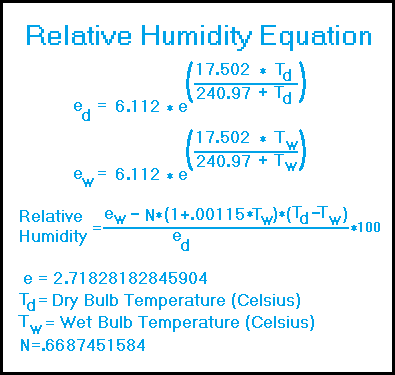
Relative Humidity Calculator is a useful tool for measuring the amount of moisture in the air. It calculates the relative humidity by taking into account the temperature and dew point of a given environment. This calculator is essential in various fields such as meteorology, agriculture, and construction. By using the Relative Humidity Calculator, users can determine the likelihood of precipitation, frost, or heat stress, and make informed decisions accordingly. The calculator provides accurate and reliable results, making it a valuable resource for professionals and individuals alike. Its applications are diverse and widespread, covering many aspects of daily life.
Understanding the Relative Humidity Calculator
The Relative Humidity Calculator is a tool used to calculate the relative humidity in a given environment. Relative humidity is the percentage of water vapor in the air compared to the maximum amount of water vapor the air can hold at a given temperature. This calculator is essential in various fields such as meteorology, agriculture, and industrial processes.
What is Relative Humidity?
Relative humidity is a measure of the amount of water vapor in the air. It is an important factor in determining the comfort level of a person in a given environment. High relative humidity can lead to discomfort, sweating, and heat-related illnesses, while low relative humidity can cause dry skin, nosebleeds, and respiratory problems.
How to Use the Relative Humidity Calculator
To use the Relative Humidity Calculator, you need to input the temperature and dew point of the environment. The dew point is the temperature at which the air becomes saturated with water vapor and dew or frost begins to form. The calculator will then calculate the relative humidity based on these inputs. The formula used to calculate relative humidity is: RH = (e / es) x 100, where RH is the relative humidity, e is the actual vapor pressure, and es is the saturation vapor pressure.
Applications of the Relative Humidity Calculator
The Relative Humidity Calculator has various applications in different fields. In agriculture, it is used to determine the optimal irrigation schedule and to predict crop yields. In meteorology, it is used to predict weather patterns and precipitation. In industrial processes, it is used to control the humidity levels in manufacturing and storage facilities.
Importance of Relative Humidity in Daily Life
Relative humidity plays a crucial role in our daily lives. It affects our comfort level, health, and well-being. For example, high relative humidity can lead to mold growth, dust mites, and allergies, while low relative humidity can cause static electricity, dry skin, and nosebleeds. Therefore, it is essential to maintain a comfortable relative humidity level in our homes and workplaces.
Limitations of the Relative Humidity Calculator
The Relative Humidity Calculator has some limitations. It assumes that the air is saturated with water vapor, which may not always be the case. Additionally, it does not take into account other factors that can affect relative humidity, such as air pressure, wind speed, and temperature gradients. Therefore, the results obtained from the calculator should! be used as a guide only and should be verified with actual measurements.
| Temperature | Dew Point | Relative Humidity |
|---|---|---|
| 20°C | 10°C | 50% |
| 25°C | 15°C | 60% |
| 30°C | 20°C | 70% |
How do I calculate relative humidity?

To calculate relative humidity, you need to know the temperature and dew point of the air. The relative humidity is the ratio of the amount of water vapor in the air to the maximum amount of water vapor that the air can hold at a given temperature. This can be calculated using the following formula: RH = (Pw / Ps) x 100, where RH is! relative humidity, Pw is the partial pressure of water vapor, and Ps is the saturation vapor pressure.
Understanding Relative Humidity
Relative humidity is an important factor in determining the comfort level of a person in a given environment. It is defined as the ratio of the amount of water vapor in the air to the maximum amount of water vapor that the air can hold at a given temperature. To calculate relative humidity, you need to know the temperature and dew point of the air. The formula for calculating relative humidity is: RH = (Pw / Ps) x 100, where RH is relative humidity, Pw is the partial pressure of water vapor, and Ps is the saturation vapor pressure.
- The temperature of the air is an important factor in determining the relative humidity.
- The dew point of the air is also an important factor in determining the relative humidity.
- The partial pressure of water vapor is the amount of water vapor in the air.
Measuring Relative Humidity
There are several ways to measure relative humidity, including using a hygrometer, which is a device that measures the humidity of the air. Another way to measure relative humidity is to use a psychrometer, which is a device that measures the temperature and humidity of the air. To calculate relative humidity, you need to know the temperature and dew point of the air.
- A hygrometer is a device that measures the humidity of the air.
- A psychrometer is a device that measures the temperature and humidity of the air.
- The temperature and dew point of the air are important factors in determining the relative humidity.
Calculating Relative Humidity Using a Formula
To calculate relative humidity, you can use the following formula: RH = (Pw / Ps) x 100, where RH is relative humidity, Pw is the partial pressure of water vapor, and Ps is the saturation vapor pressure. This formula requires knowing the temperature and dew point of the air. The temperature and dew point can be measured using a thermometer and a hygrometer, respectively.
- The formula for calculating relative humidity is: RH = (Pw / Ps) x 100.
- The partial pressure of water vapor is an important factor in determining the relative humidity.
- The saturation vapor pressure is the maximum amount of water vapor that the air can hold at a given temperature.
Importance of Relative Humidity in Daily Life
Relative humidity plays an important role in our daily lives, as it affects our comfort level and the growth of plants and animals. High relative humidity can make us feel hot and uncomfortable, while low relative humidity can make us feel cold and dry. Relative humidity also affects the growth of plants, as most plants require a certain level of humidity to thrive.
- High relative humidity can make us feel hot and uncomfortable.
- Low relative humidity can make us feel cold and dry.
- Relative humidity affects the growth of plants and animals.
Applications of Relative Humidity in Various Fields
Relative humidity has various applications in fields such as agriculture, construction, and weather forecasting. In agriculture, relative humidity is used to determine the optimal conditions for plant growth. In construction, relative humidity is used to determine the moisture content of building materials. In weather forecasting, relative humidity is used to predict weather patterns and precipitation.
- Relative humidity is used in agriculture to determine the optimal conditions for plant growth.
- Relative humidity is used in construction to determine the moisture content of building materials.
- Relative humidity is used in weather forecasting to predict weather patterns and precipitation.
What does 60% relative humidity mean?
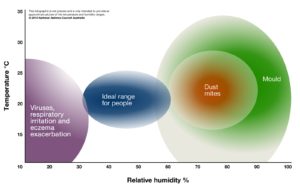
60% relative humidity means that the air is holding 60% of the maximum amount of water vapor it can hold at a given temperature. This is an important factor in determining the comfort level of a person, as high humidity can make people feel hot and sticky, while low humidity can dry out the skin and respiratory system. Relative humidity is a key concept in understanding the relationship between the air and the amount of water vapor it contains.
What is Relative Humidity?
Relative humidity is the ratio of the amount of water vapor in the air to the maximum amount of water vapor the air can hold at a given temperature. This is expressed as a percentage, with 0% being completely dry air and 100% being completely saturated air. Relative humidity is an important factor in many areas, including weather forecasting, indoor climate control, and agricultural management.
- The evaporation rate of water is affected by the relative humidity of the air.
- The condellation point of water vapor is also influenced by the relative humidity.
- Understanding relative humidity is crucial for predicting weather patterns and making informed decisions in various fields.
How is Relative Humidity Measured?
Relative humidity is typically measured using a hygrometer, which is an instrument that measures the moisture content of the air. There are several types of hygrometers, including digital hygrometers, analog hygrometers, and psychrometers. Digital hygrometers are the most common type and provide a quick and accurate reading of the relative humidity.
- The accuracy of the measurement is dependent on the quality of the hygrometer.
- The calibration of the hygrometer is also important to ensure accurate readings.
- Regular maintenance of the hygrometer is necessary to prevent drift and ensure consistent results.
What are the Effects of 60% Relative Humidity?
60% relative humidity is considered a relatively comfortable level of humidity, as it is not too high or too low. At this level, the air is holding a moderate amount of water vapor, which can help to prevent dry skin and respiratory problems. However, if the temperature is high, 60% relative humidity can still make people feel hot and sticky.
- The feeling of comfort is influenced by the temperature and humidity levels.
- The risk of mold growth is also affected by the relative humidity, with higher humidity levels increasing the risk.
- Dust mites and other allergens thrive in environments with high relative humidity.
How Does Temperature Affect Relative Humidity?
Temperature plays a crucial role in determining the relative humidity of the air. As the temperature increases, the air's capacity to hold water vapor also increases, which means that the relative humidity will decrease if the amount of water vapor remains constant. Conversely, as the temperature decreases, the air's capacity to hold water vapor decreases, which can cause the relative humidity to increase.
- The dew point is the temperature at which the air becomes saturated with water vapor and dew begins to form.
- The heat index is a measure of how hot it feels outside, taking into account both the temperature and the relative humidity.
- Temperature control is essential in many applications, including indoor climate control and weather forecasting.
Why is Relative Humidity Important?
Relative humidity is an important factor in many areas, including weather forecasting, indoor climate control, and agricultural management. Understanding relative humidity is crucial for predicting weather patterns, preventing mold growth, and maintaining a healthy indoor environment. Relative humidity also plays a key role in determining the comfort level of a person, making it an essential consideration in various fields.
- The accuracy of weather forecasts is dependent on the accurate measurement of relative humidity.
- The prevention of mold growth is influenced by the relative humidity, with higher humidity levels increasing the risk.
- Agricultural management relies heavily on understanding relative humidity to optimize crop growth and prevent crop damage.
What is relative humidity 90%?
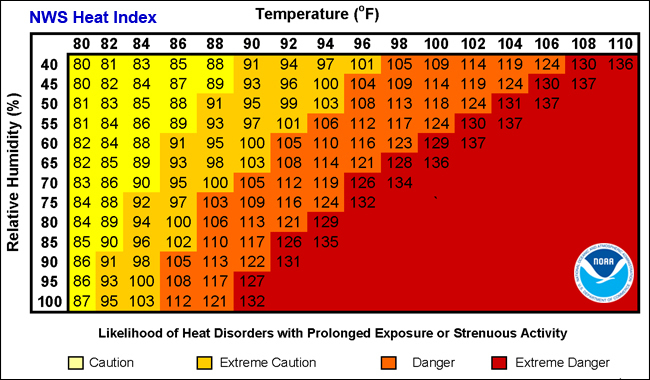
Relative humidity 90% refers to the amount of water vapor present in the air compared to the maximum amount of water vapor the air can hold at a given temperature. When the relative humidity is 90%, it means that the air is 90% saturated with water vapor. This can lead to fog, dew, or precipitation forming, as the air is close to its dew point.
What Causes High Relative Humidity
High relative humidity is often caused by weather patterns that bring warm, moist air from the oceans or other bodies of water. This warm air can hold more water vapor than cold air, leading to high relative humidity levels. Additionally, evaporation from plants, transpiration from animals, and human activities such as agriculture and industry can also contribute to high relative humidity.
- Warm air from the equator can bring high levels of water vapor to an area.
- Mountainous regions can experience high relative humidity due to the orographic effect.
- Urban areas can have higher relative humidity due to the urban heat island effect.
Effects of High Relative Humidity on Humans
High relative humidity can have significant effects on human health and comfort. When the air is saturated with water vapor, it can make people feel hot and sticky, leading to heat exhaustion or heat stroke. Additionally, high relative humidity can exacerbate respiratory problems such as asthma and allergies.
- High relative humidity can lead to heat-related illnesses such as heat exhaustion.
- Respiratory problems can be exacerbated by high relative humidity.
- Skin problems such as acne and eczema can be worsened by high relative humidity.
Impact of High Relative Humidity on Buildings and Infrastructure
High relative humidity can also have significant impacts on buildings and infrastructure. Moisture can seep into buildings, causing water damage, mold, and mildew. Additionally, high relative humidity can corrode metal and degrade other materials, leading to structural damage.
- Water damage can occur when moisture seeps into buildings.
- Mold and mildew can grow in damp environments.
- Corrosion can occur when metal is exposed to high relative humidity.
Measurement and Control of Relative Humidity
Relative humidity can be measured using hygrometers or psychrometers. These devices measure the water vapor content in the air and can provide accurate readings of relative humidity. To control relative humidity, dehumidifiers or humidifiers can be used to regulate the amount of water vapor in the air.
- Hygrometers can measure relative humidity using sensors or thermometers.
- Dehumidifiers can remove excess water vapor from the air.
- Humidifiers can add water vapor to the air to maintain a healthy relative humidity level.
Importance of Relative Humidity in Various Industries
Relative humidity is an important factor in various industries, including agriculture, manufacturing, and construction. In agriculture, relative humidity can affect crop growth and yield. In manufacturing, relative humidity can impact product quality and shelf life. In construction, relative humidity can influence building materials and structural integrity.
- Agriculture relies on optimal relative humidity levels for crop growth.
- Manufacturing requires controlled relative humidity levels to maintain product quality.
- Construction must consider relative humidity when selecting building materials.
Frequently Asked Questions (FAQs)
What is a Relative Humidity Calculator and how does it work?
A Relative Humidity Calculator is a tool used to calculate the relative humidity of a given environment. This calculator takes into account the temperature and dew point of the air to determine the relative humidity level. The relative humidity is the amount of water vapor present in the air compared to the maximum amount of water vapor the air can hold at a given temperature. The calculator uses a psychrometric chart or a formula to calculate the relative humidity based on the input values. This tool is essential in various fields such as meteorology, agriculture, and industrial processes where humidity control is crucial.
What are the benefits of using a Relative Humidity Calculator?
Using a Relative Humidity Calculator has several benefits. One of the primary advantages is that it allows users to quickly and accurately determine the relative humidity of a given environment. This information is crucial in weather forecasting, as humidity plays a significant role in determining weather patterns. Additionally, the calculator is useful in agricultural applications, where humidity control is essential for maintaining optimal crop growth and yields. The calculator is also beneficial in industrial processes, such as food processing and pharmaceutical manufacturing, where humidity control is critical for maintaining product quality and safety. Furthermore, the calculator can be used to determine the comfort level of a given environment, which is essential in indoor air quality management.
How do I choose the right Relative Humidity Calculator for my needs?
Choosing the right Relative Humidity Calculator depends on several factors, including the level of accuracy required, the type of application, and the ease of use. Users should consider the input parameters required, such as temperature and dew point, and the output values needed, such as relative humidity and dew point temperature. Additionally, users should consider the calculator's range and resolution, as well as its compatibility with other devices or software. It is also essential to evaluate the calculator's accuracy and reliability, as well as its maintenance and calibration requirements. Users can choose from a variety of relative humidity calculators, including online calculators, desktop applications, and mobile apps, depending on their specific needs and preferences.
Can I use a Relative Humidity Calculator to measure humidity in extreme environments?
Yes, a Relative Humidity Calculator can be used to measure humidity in extreme environments, but it is essential to choose a calculator that is specifically designed for such applications. Extreme environments can include high-temperature or low-temperature environments, high-humidity or low-humidity environments, and environments with corrosive or hazardous substances. Users should select a calculator that is ruggedized and waterproof, with a wide operating range and high accuracy. Additionally, users should consider the calculator's response time and stability in extreme environments. Some relative humidity calculators are specifically designed for use in industrial processes, laboratory settings, or outdoor environments, and these calculators may have special features such as data logging or wireless connectivity that make them suitable for use in extreme environments.
Deja una respuesta
Entradas Relacionadas