
Interpolation Arcing Current Equations and Calculator

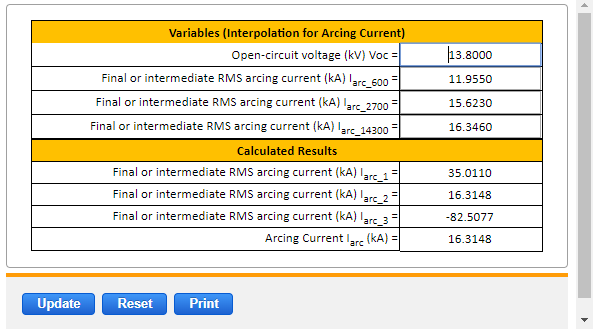
The calculation of arcing currents is crucial in electrical engineering, particularly in the context of power system protection and safety. Interpolation arcing current equations provide a method to estimate these currents, which are vital for designing and operating electrical systems safely and efficiently. These equations take into account various factors, including the magnitude of the short-circuit current, the system voltage, and the duration of the arc. An interpolation arcing current calculator can simplify this process, allowing engineers to quickly and accurately determine arcing currents under various conditions, ensuring the reliability and safety of electrical systems.
- Interpolation Arcing Current Equations and Calculator: A Comprehensive Guide
- What is the formula for arcing current?
- What is an arc flash calculator?
- What is the incident energy calculation based on for arc faults?
- What is the IEEE definition of arc flash?
-
Frequently Asked Questions (FAQs)
- What are Interpolation Arcing Current Equations and how do they relate to electrical engineering?
- How do Interpolation Arcing Current Equations and Calculator tools help in predicting arc flash hazards?
- What are the key factors that influence the accuracy of Interpolation Arcing Current Equations and Calculator tools?
- How can electrical engineers use Interpolation Arcing Current Equations and Calculator tools to optimize electrical system design and minimize arc flash hazards?
Interpolation Arcing Current Equations and Calculator: A Comprehensive Guide
The Interpolation Arcing Current Equations and Calculator is a tool used to calculate the arcing current in electrical systems. This calculator is based on the IEEE 1584 standard, which provides a method for calculating the arcing current in curve-fitting and interpolation. The calculator takes into account various factors such as the system voltage, arcing current, and clearing time to provide an accurate calculation of the arcing current.
Introduction to Arcing Current Equations
The arcing current equations are based on the physics of arcing, which involves the ionization of air and the flow of current through the arc. The IEEE 1584 standard provides a set of equations that can be used to calculate the arcing current. These equations take into account the system voltage, arc length, and clearing time to provide an accurate calculation of the arcing current. The arcing current equations are as follows:
| Parameter | Unit | Description |
|---|---|---|
| System Voltage | V | The voltage of the electrical system |
| Arcing Current | A | The current flowing through the arc |
| Clearing Time | s | The time it takes to clear the fault |
Interpolation Method for Arcing Current Calculation
The interpolation method is used to calculate the arcing current when the system voltage and arc length are known. This method involves curve-fitting the arcing current equations to the known data points. The interpolation method provides a accurate calculation of the arcing current and is widely used in the electrical industry. The interantages of the interpolation method include:
High accuracy
Fast calculation
Easy to use
Calculator for Arcing Current
The calculator for arcing current is a tool that can be used to calculate the arcing current using the IEEE 1584 standard. The calculator takes into account the system voltage, arc length, and clearing time to provide an accurate calculation of the arcing current. The calculator is user-friendly and provides a quick and accurate calculation of the arcing current.
Applications of Arcing Current Equations
The arcing current equations have a wide range of applications in the electrical industry. The applications include:
Arc flash hazard analysis
Electrical system design
Protection system design
Fault current calculation
Limitations of Arcing Current Equations
The arcing current equations have some limitations that need to be considered when using them. The limitations include:
Assumes a single-phase fault
Does not account for multiple arcs
Does not account for non-linear effects
The limitations of the arcing current equations need to be considered when using them to ensure accurate results.
What is the formula for arcing current?
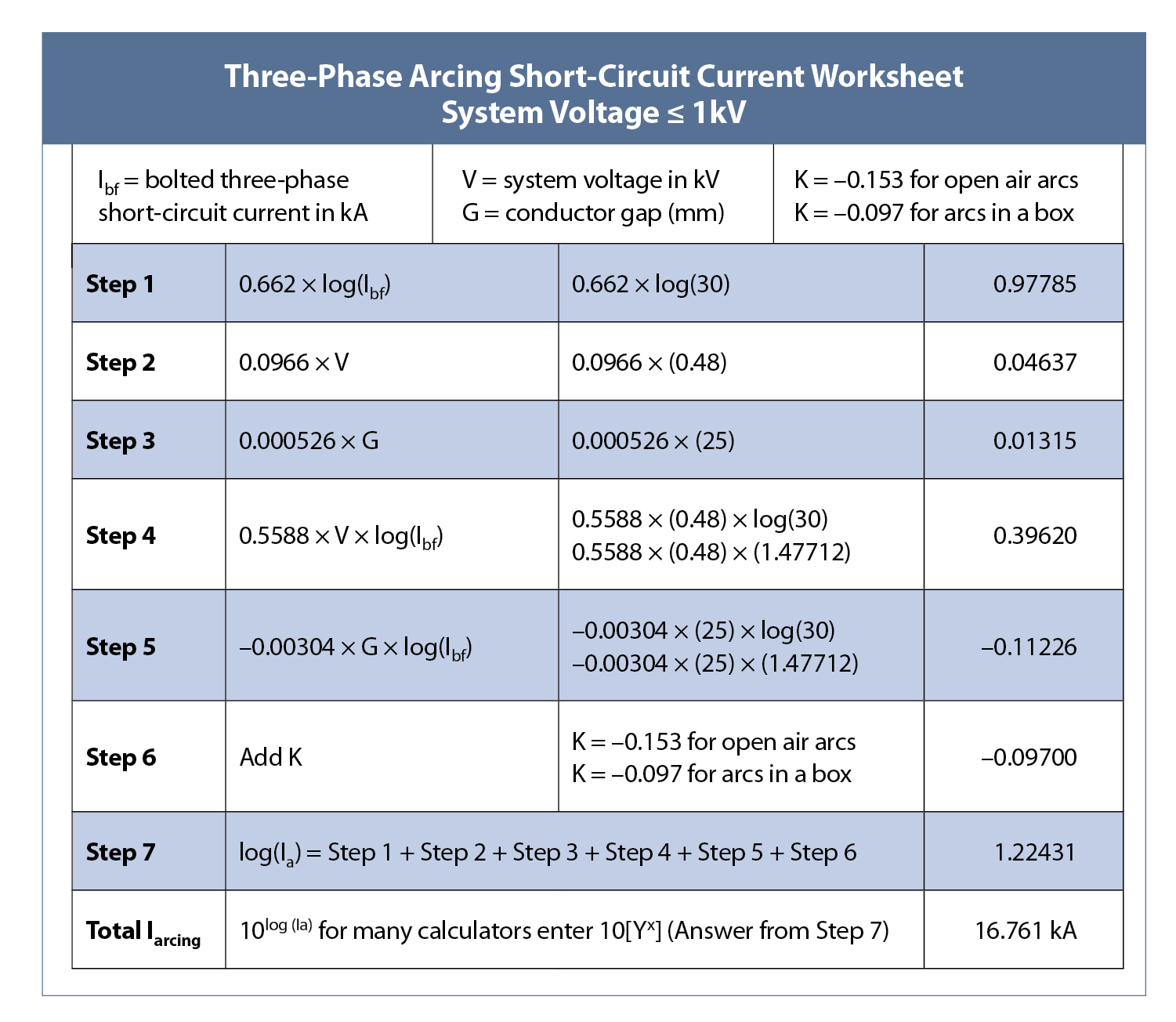
The formula for arcing current is a complex equation that involves several variables, including the voltage and resistance of the circuit, as well as the distance between the electrodes. The arc length and arc voltage are also important factors in determining the arcing current. The formula is typically expressed as a function of these variables, and is used to calculate the current that flows through the arc.
Understanding the Arcing Current Formula
The arcing current formula is based on the principles of electrical engineering and physics. To understand the formula, it is essential to have a good grasp of the underlying concepts, including Ohm's law and the behavior of electrical arcs. The formula takes into account the non-linear relationship between the voltage and current, and is typically expressed as a differential equation. Some key points to consider when understanding the arcing current formula include:
- The voltage applied to the circuit is a critical factor in determining the arcing current.
- The resistance of the circuit, including the resistance of the electrodes and the arc itself, also plays a significant role.
- The distance between the electrodes can affect the arc length and arc voltage, which in turn impact the arcing current.
Key Variables in the Arcing Current Formula
The arcing current formula involves several key variables, including the voltage, resistance, and distance between the electrodes. The arc length and arc voltage are also important factors, as they can affect the current that flows through the arc. To calculate the arcing current, it is essential to understand the relationships between these variables, and how they interact with each other. Some key points to consider include:
- The voltage applied to the circuit can affect the arc length and arc voltage.
- The resistance of the circuit can impact the current that flows through the arc.
- The distance between the electrodes can affect the arc length and arc voltage, which in turn impact the arcing current.
Applications of the Arcing Current Formula
The arcing current formula has several practical applications in fields such as electrical engineering and physics. For example, it can be used to design and optimize electrical systems, including power transmission lines and electrical substations. The formula can also be used to study the behavior of electrical arcs in various contexts, including lightning and electrical discharges. Some key applications of the arcing current formula include:
- Designing electrical systems to minimize the risk of electrical arcs and power outages.
- Studying the behavior of electrical arcs in various contexts, including lightning and electrical discharges.
- Optimizing electrical systems to improve efficiency and reliability.
Limitations of the Arcing Current Formula
The arcing current formula has several limitations, including the assumption of a linear relationship between the voltage and current. In reality, the relationship between these variables can be non-linear, and the formula may not accurately capture the behavior of electrical arcs in all contexts. Additionally, the formula may not account for other factors that can affect the arcing current, such as temperature and humidity. Some key limitations of the arcing current formula include:
- The assumption of a linear relationship between the voltage and current.
- The failure to account for non-linear effects, such as saturation and hysteresis.
- The neglect of other factors that can affect the arcing current, such as temperature and humidity.
Future Developments in Arcing Current Research
Research into the arcing current formula is ongoing, and new developments are being made regularly. For example, computational models are being developed to simulate the behavior of electrical arcs in various contexts, including power transmission lines and electrical substations. Additionally, experimental studies are being conducted to validate the accuracy of the arcing current formula and to identify areas for improvement. Some key areas of future development include:
- Computational modeling of electrical arcs to simulate their behavior in various contexts.
- Experimental studies to validate the accuracy of the arcing current formula and to identify areas for improvement.
- Development of new materials and technologies to reduce the risk of electrical arcs and power outages.
What is an arc flash calculator?
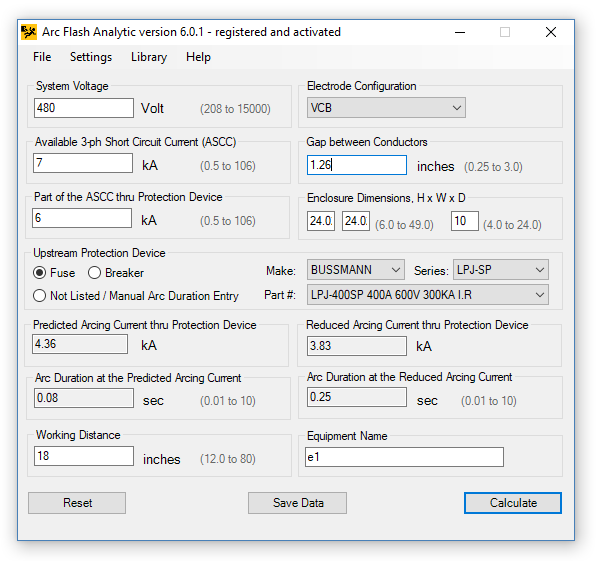
An arc flash calculator is a tool used to determine the incident energy and arc flash boundary in an electrical system. The primary purpose of an arc flash calculator is to help electrical engineers and technicians assess the hazard posed by an arc flash event, which can occur when there is an electrical fault or short circuit. The calculator takes into account various factors such as the system voltage, short circuit current, clearing time, and distance to calculate the incident energy.
What is the purpose of an arc flash calculator?
The main purpose of an arc flash calculator is to provide a safe working distance for electrical workers and to determine the required personal protective equipment (PPE). The calculator helps to identify the hazard level and provides a ranking of the arc flash risk. This information is crucial for electrical workers to take necessary precautions and wear appropriate PPE to prevent injuries or fatalities. Some key considerations for using an arc flash calculator include:
- System voltage: The voltage of the electrical system, which affects the incident energy.
- Short circuit current: The current that flows during a short circuit, which affects the incident energy.
- Clearing time: The time it takes for the circuit breaker or fuse to clear the fault, which affects the incident energy.
How does an arc flash calculator work?
An arc flash calculator uses a complex algorithm to calculate the incident energy and arc flash boundary. The calculator takes into account various factors such as the system voltage, short circuit current, clearing time, and distance. The calculator also considers the type of equipment and configuration of the electrical system. Some key factors that affect the incident energy calculation include:
- Equipment type: The type of electrical equipment, such as switchgear, panelboards, or transformers.
- System configuration: The configuration of the electrical system, including the layout and interconnections.
- Distance: The distance between the worker and the arc flash source.
What are the benefits of using an arc flash calculator?
The benefits of using an arc flash calculator include improved safety, reduced risk, and compliance with regulations. The calculator helps to identify hazards and provides a ranking of the arc flash risk, allowing electrical workers to take necessary precautions. Some key benefits of using an arc flash calculator include:
- Improved safety: The calculator helps to identify hazards and provides a safe working distance.
- Reduced risk: The calculator helps to reduce the risk of injuries or fatalities.
- Compliance: The calculator helps to ensure compliance with regulations, such as NFPA 70E.
What are the limitations of an arc flash calculator?
The limitations of an arc flash calculator include assumptions and simplifications made in the calculation. The calculator assumes a specific scenario and may not account for all variables. Some key limitations of an arc flash calculator include:
- Assumptions: The calculator makes assumptions about the electrical system and equipment.
- Simplifications: The calculator simplifies complex electrical systems and scenarios.
- Variables: The calculator may not account for all variables, such as environmental factors.
How to choose an arc flash calculator?
When choosing an arc flash calculator, consider accuracy, ease of use, and compliance with regulations. The calculator should be user-friendly and provide clear results. Some key considerations when choosing an arc flash calculator include:
- Accuracy: The calculator should provide accurate results and account for all variables.
- Ease of use: The calculator should be user-friendly and provide clear instructions.
- Compliance: The calculator should ensure compliance with regulations, such as NFPA 70E.
What is the incident energy calculation based on for arc faults?
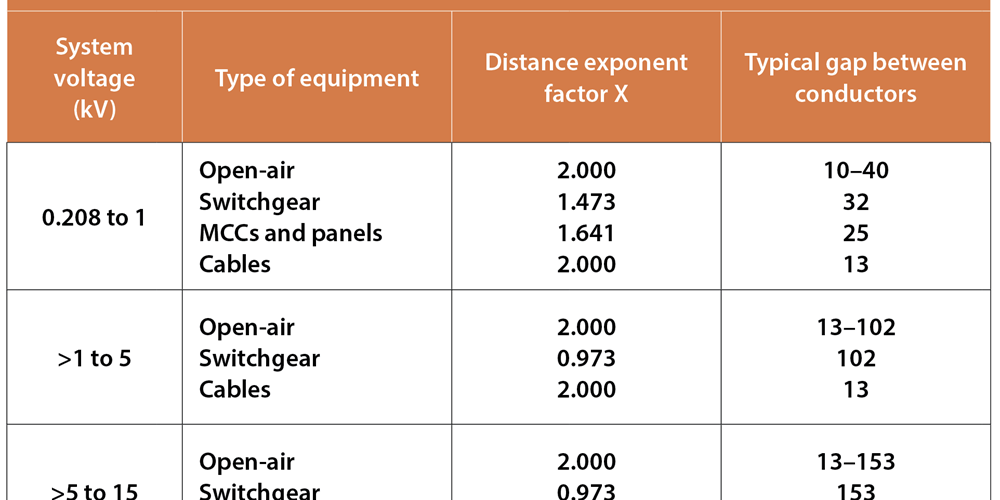
The incident energy calculation for arc faults is based on the arc flash energy released during an electrical arc fault. The calculation takes into account various factors, including the short-circuit current, clearing time, and distance from the arc fault to the person or object. The incident energy calculation is typically performed using specialized software or tables, and the results are used to determine the personal protective equipment (PPE) required for workers to safely perform tasks near electrical equipment.
Understanding Arc Flash Energy
The incident energy calculation for arc faults involves understanding the physics of arc flash energy. Arc flash energy is the amount of energy released during an electrical arc fault, and it is typically measured in calories per square centimeter (cal/cm²). The calculation takes into account the short-circuit current, clearing time, and distance from the arc fault to the person or object. The following factors are considered:
- The short-circuit current available at the fault location
- The clearing time of the circuit breaker or fuse
- The distance from the arc fault to the person or object
Calculation Methods
There are several methods for calculating incident energy for arc faults, including the Institute of Electrical and Electronics Engineers (IEEE) method and the National Fire Protection Association (NFPA) method. The IEEE method uses a complex equation to calculate the incident energy, while the NFPA method uses a simplified equation. The following steps are involved in the calculation:
- Determine the short-circuit current available at the fault location
- Determine the clearing time of the circuit breaker or fuse
- Use the equation or table to calculate the incident energy
Factors Affecting Incident Energy
Several factors can affect the incident energy calculation for arc faults, including the system voltage, short-circuit current, and distance from the arc fault to the person or object. The following factors can increase the incident energy:
- Higher system voltages
- Higher short-circuit currents
- Longer clearing times
Personal Protective Equipment (PPE)
The incident energy calculation is used to determine the personal protective equipment (PPE) required for workers to safely perform tasks near electrical equipment. The PPE required depends on the incident energy level, and the following types of PPE are commonly used:
- Arc-rated clothing
- Face shields
- Hard hats
Industry Standards and Regulations
The incident energy calculation for arc faults is subject to various industry standards and regulations, including the NFPA 70E standard and the OSHA regulation. The following standards and regulations apply:
- NFPA 70E: Standard for Electrical Safety in the Workplace
- OSHA: Occupational Safety and Health Administration regulation
- IEEE: Institute of Electrical and Electronics Engineers standard
What is the IEEE definition of arc flash?

The IEEE definition of arc flash is a complex phenomenon that involves the rapid expansion of gas and the formation of a plasma arc between two conductive surfaces. This occurs when there is a fault current flowing through a circuit, causing a sudden and intense release of energy. The IEEE defines arc flash as a sudden release of energy due to an arc fault, which can cause injury or damage to equipment.
Causes of Arc Flash
The causes of arc flash are varied, but they often involve a combination of factors such as overcurrent, undergrounding, and equipment failure. Some common causes of arc flash include:
- Faulty connections: Loose or corroded connections can cause an arc flash.
- Overloaded systems: Systems that are overloaded or understated can lead to an arc flash.
- Poor maintenance: Failure to maintain equipment properly can increase the risk of an arc flash.
Effects of Arc Flash
The effects of an arc flash can be devastating, causing severe burns, hearing loss, and even death. The intense heat and light emitted during an arc flash can also cause equipment damage and disruption of service. Some of the effects of arc flash include:
- Thermal radiation: The intense heat emitted during an arc flash can cause burns and ignite flammable materials.
- Acoustic shock: The loud noise generated by an arc flash can cause hearing loss and damage to equipment.
- Electromagnetic radiation: The arc flash can also emit electromagnetic radiation, which can interfere with electrical systems.
IEEE Standards for Arc Flash Safety
The IEEE has established standards for arc flash safety, including the IEEE 1588 standard, which provides guidelines for hazard assessment and mitigation. Some of the key requirements of the standard include:
- Risk assessment: Conducting a risk assessment to identify potential arc flash hazards.
- Personal protective equipment: Providing personal protective equipment (PPE) to workers who may be exposed to arc flash hazards.
- Labeling and signage: Labeling and signing equipment to warn workers of potential arc flash hazards.
Arc Flash Hazard Analysis
An arc flash hazard analysis is a critical step in identifying and mitigating arc flash hazards. The analysis involves calculating the incident energy and arc flash boundary to determine the level of risk. Some of the factors considered in an arc flash hazard analysis include:
- System voltage: The voltage of the electrical system.
- Fault current: The amount of current flowing through the system during a fault.
- Clearing time: The time it takes for the system to clear a fault.
Arc Flash Mitigation Strategies
There are several strategies for mitigating arc flash hazards, including arc flash reduction, arc quenching, and remote operation. Some of the benefits of these strategies include:
- Reduced risk: Reducing the risk of injury and damage to equipment.
- Increased efficiency: Increasing the efficiency of electrical systems and reducing downtime.
- Cost savings: Saving costs associated with equipment damage and worker compensation.
Frequently Asked Questions (FAQs)
What are Interpolation Arcing Current Equations and how do they relate to electrical engineering?
Interpolation Arcing Current Equations are a set of mathematical formulas used to calculate the arcing current in electrical systems, particularly in situations where an electrical arc is formed due to a short circuit or other faulty conditions. These equations are essential in electrical engineering as they help designers and engineers to predict and prevent arc flash hazards, which can cause significant damage to equipment and pose a risk to human life. The interpolation technique is used to estimate the arcing current by analyzing the available data and system parameters, such as the voltage, current, and impedance of the electrical system. By using these equations, engineers can optimize their designs to minimize the risk of arc flash and ensure the safe operation of electrical systems.
How do Interpolation Arcing Current Equations and Calculator tools help in predicting arc flash hazards?
The Interpolation Arcing Current Equations and Calculator tools are invaluable resources for predicting arc flash hazards in electrical systems. These tools use complex algorithms and mathematical models to analyze the system parameters and estimate the arcing current. By using these tools, engineers can quickly and accurately calculate the arc flash energy and incident energy levels, which are critical in determining the hazard risk category of the electrical system. The calculator tools also provide detailed reports and visualizations of the arc flash scenario, allowing engineers to identify potential hazards and develop mitigation strategies to minimize the risk of arc flash. Furthermore, these tools can be integrated with other electrical engineering software to provide a comprehensive and integrated approach to arc flash hazard analysis.
What are the key factors that influence the accuracy of Interpolation Arcing Current Equations and Calculator tools?
The accuracy of Interpolation Arcing Current Equations and Calculator tools depends on several key factors, including the quality of input data, system complexity, and algorithmic assumptions. The input data should be accurate and reliable, as small errors can propagate and affect the overall accuracy of the results. The system complexity also plays a crucial role, as simplifying assumptions may not always be valid for complex electrical systems. Additionally, the algorithmic assumptions used in the equations and calculator tools can influence the accuracy of the results, particularly if the assumptions are not valid for the specific electrical system being analyzed. Therefore, it is essential to carefully evaluate the input data, system complexity, and algorithmic assumptions to ensure the accuracy and reliability of the results obtained from Interpolation Arcing Current Equations and Calculator tools.
How can electrical engineers use Interpolation Arcing Current Equations and Calculator tools to optimize electrical system design and minimize arc flash hazards?
Electrical engineers can use Interpolation Arcing Current Equations and Calculator tools to optimize electrical system design and minimize arc flash hazards by iteratively analyzing and refining their designs. By using these tools, engineers can quickly evaluate the arc flash hazard associated with different design configurations and scenarios, allowing them to identify and mitigate potential hazards. The tools can also be used to analyze the sensitivity of the electrical system to different parameters, such as voltage, current, and impedance, which can help engineers to optimize their designs and minimize the risk of arc flash. Furthermore, the calculator tools can be used to develop and evaluate mitigation strategies, such as arc flash relaying and protection schemes, to reduce the risk of arc flash and ensure the safe operation of electrical systems. By using Interpolation Arcing Current Equations and Calculator tools, electrical engineers can create safer and more efficient electrical systems, which can reduce the risk of arc flash and electrical accidents.
Deja una respuesta
Entradas Relacionadas