
Bolt Multiple Diameters Change of Length Under Axial Force Formula and Calculator

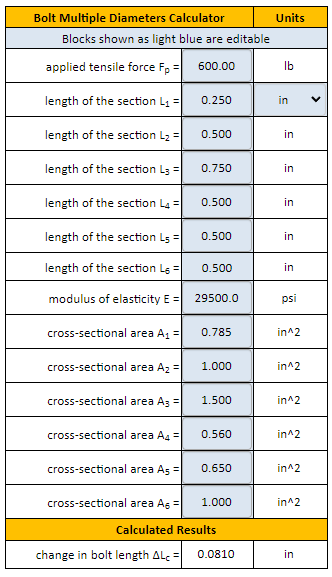
When a bolt is subjected to an axial force, its length changes due to the resulting tension or compression. Calculating this change in length is crucial in engineering applications to ensure proper fitting and functionality. The formula for calculating the change in length of a bolt under axial force takes into account the bolt's material properties, diameter, and the applied force. This article provides a comprehensive guide to the formula and offers a calculator to simplify the calculation process for bolts with multiple diameters. Accurate calculations are essential for safe and efficient design.
- Bolt Multiple Diameters Change of Length Under Axial Force Formula and Calculator
- What is the formula for the axial force of a bolt?
- What is the equation for bolt force?
- What is the formula for calculating the length of a bolt?
- How do you calculate the axial load of a bolt torque?
-
Frequently Asked Questions (FAQs)
- What is the Bolt Multiple Diameters Change of Length Under Axial Force Formula and how is it used in engineering applications?
- How does the Bolt Multiple Diameters Change of Length Under Axial Force Calculator work and what are its limitations?
- What are the key factors that affect the change in length of a bolt under axial force, and how can they be optimized for specific engineering applications?
- How can the Bolt Multiple Diameters Change of Length Under Axial Force Formula and Calculator be used in conjunction with other engineering tools and techniques to analyze and design bolted joints?
Bolt Multiple Diameters Change of Length Under Axial Force Formula and Calculator
The Bolt Multiple Diameters Change of Length Under Axial Force Formula and Calculator is a tool used to calculate the change in length of a bolt under axial force. This formula takes into account the diameter of the bolt, the material properties, and the axial force applied to the bolt. The calculator is useful for engineers and designers who need to determine the change in length of a bolt under various loading conditions.
Introduction to Bolt Multiple Diameters Change of Length Formula
The Bolt Multiple Diameters Change of Length Formula is based on the Hooke's Law, which states that the stress and strain of a material are proportional to each other. The formula uses the Young's Modulus of the material, which is a measure of the stiffness of the material. The formula is as follows: ΔL = (F L) / (A E), where ΔL is the change in length, F is the axial force, L is the original length, A is the cross-sectional area, and E is the Young's Modulus.
Calculation of Cross-Sectional Area of Bolt
The cross-sectional area of the bolt is an important parameter in the Bolt Multiple Diameters Change of Length Formula. The cross-sectional area can be calculated using the diameter of the bolt. The formula for the cross-sectional area is A = π (d/2)^2, where d is the diameter of the bolt.
Axial Force and Its Effect on Bolt Length
The axial force applied to the bolt has a significant effect on the change in length of the bolt. The axial force causes the bolt to stretch or compress, depending on the direction of the force. The Bolt Multiple Diameters Change of Length Formula takes into account the axial force and calculates the change in length of the bolt accordingly.
Material Properties and Their Effect on Bolt Length
The material properties of the bolt, such as the Young's Modulus, have a significant effect on the change in length of the bolt. The Young's Modulus is a measure of the stiffness of the material, and it determines how much the bolt will stretch or compress under a given axial force. The Bolt Multiple Diameters Change of Length Formula uses the Young's Modulus to calculate the change in length of the bolt.
Calculator for Bolt Multiple Diameters Change of Length
The Calculator for Bolt Multiple Diameters Change of Length is a tool that uses the Bolt Multiple Diameters Change of Length Formula to calculate the change in length of a bolt under axial force. The calculator takes into account the diameter of the bolt, the material properties, and the axial force applied to the bolt. The calculator provides a simple and easy-to-use interface for engineers and designers to calculate the change in length of a bolt.
| Parameter | Unit | Description |
|---|---|---|
| Diameter | mm | The diameter of the bolt |
| Axial Force | N | The axial force applied to the bolt |
| Young's Modulus | Pa | The Young's Modulus of the material |
| Change in Length | mm | The change in length of the bolt |
What is the formula for the axial force of a bolt?
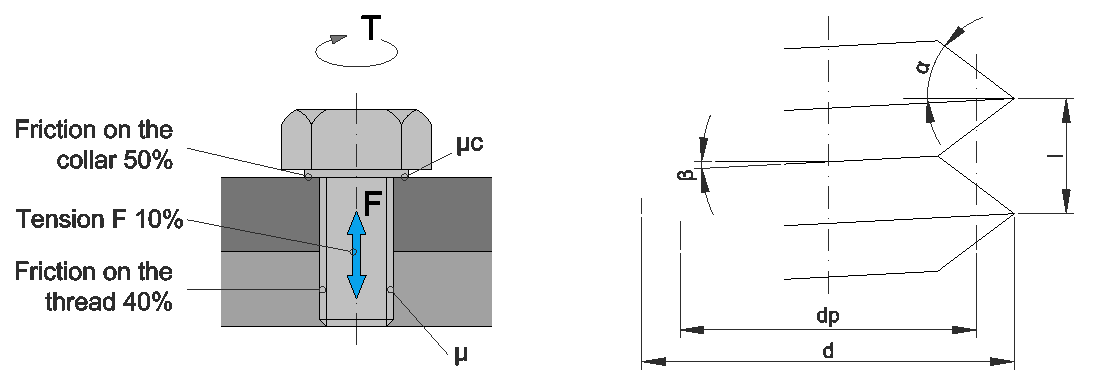
The formula for the axial force of a bolt is given by the equation: F = (π d^2 σ) / 4, where F is the axial نیروی, d is the diameter of the bolt, and σ is the stress in the bolt. This formula is used to calculate the force required to tighten or loosen a bolt.
Understanding the Variables
To understand the formula, it's essential to know the variables involved. The diameter of the bolt is a critical factor, as it determines the cross-sectional area of the bolt. The stress in the bolt is also crucial, as it affects the strength of the bolt. The formula can be broken down into the following components:
- The pi (π) is a mathematical constant approximately equal to 3.14.
- The diameter (d) of the bolt is measured in units of length, such as meters or inches.
- The stress (σ) in the bolt is measured in units of force per unit area, such as pascals or pounds per square inch.
Calculating the Axial Force
To calculate the axial force of a bolt, you need to plug in the values of the diameter and stress into the formula. For example, if the diameter of the bolt is 10 millimeters and the stress is 500 megapascals, the axial force can be calculated as follows:
- First, convert the diameter from millimeters to meters: 10 mm = 0.01 m.
- Next, plug in the values into the formula: F = (π (0.01 m)^2 500 MPa) / 4.
- Finally, calculate the axial force: F = (3.14 0.0001 m^2 500,000,000 Pa) / 4 = 39,250 newtons.
Importance of Axial Force
The axial force of a bolt is a critical factor in determining its strength and durability. A bolt with a high axial force can withstand greater loads and stresses without failing. In contrast, a bolt with a low axial force may be more prone to failure under tensile or compressive loads. The axial force of a bolt can be affected by various factors, including the material used, the diameter, and the thread pitch.
- The material used for the bolt can affect its strength and durability.
- The diameter of the bolt can affect its cross-sectional area and axial force.
- The thread pitch of the bolt can affect its grip and holding power.
Applications of Axial Force
The axial force of a bolt has numerous applications in various fields, including engineering, construction, and manufacturing. For example, in bridge construction, bolts with high axial forces are used to connect steel beams and girders. In automotive engineering, bolts with high axial forces are used to connect engine components and suspension systems.
- In bridge construction, bolts with high axial forces are used to connect steel beams and girders.
- In automotive engineering, bolts with high axial forces are used to connect engine components and suspension systems.
- In aerospace engineering, bolts with high axial forces are used to connect aircraft components and structures.
Factors Affecting Axial Force
Several factors can affect the axial force of a bolt, including the material, diameter, thread pitch, and surface finish. The material used for the bolt can affect its strength and durability, while the diameter and thread pitch can affect its cross-sectional area and grip. The surface finish of the bolt can also affect its friction and holding power.
- The material used for the bolt can affect its strength and durability.
- The diameter and thread pitch of the bolt can affect its cross-sectional area and grip.
- The surface finish of the bolt can affect its friction and holding power.
What is the equation for bolt force?

The equation for bolt force is given by the formula: F = (τ / (d π / 16)) (1 / (1 - (d / D)^2)), where F is the bolt force, τ is the torque, d is the diameter of the bolt, and D is the diameter of the nut or the thread.
Understanding Bolt Force and Its Importance
Bolt force is a critical component in the design and analysis of mechanical systems, as it affects the stability and reliability of the system. The equation for bolt force takes into account the torque applied to the bolt, as well as the diameter of the bolt and the nut or thread. To calculate bolt force, the following steps can be taken:
- Determine the torque applied to the bolt
- Measure the diameter of the bolt and the nut or thread
- Apply the equation for bolt force to calculate the force exerted by the bolt
Factors Affecting Bolt Force
Several factors can influence the bolt force, including the type of material used for the bolt and nut, the thread pitch, and the coefficient of friction. The equation for bolt force assumes a constant coefficient of friction, but in reality, this value can vary depending on the surface roughness and lubrication. To account for these factors, the following considerations can be taken:
- Use high-strength materials for the bolt and nut to minimize deformation
- Select a thread pitch that provides the required bolt force while minimizing stress concentrations
- Apply a lubricant to reduce the coefficient of friction and prevent galling
Design Considerations for Bolted Joints
When designing bolted joints, it is essential to consider the bolt force and its effects on the joint. The equation for bolt force can be used to determine the required bolt size and torque to ensure a safe and reliable joint. To design a bolted joint, the following steps can be taken:
- Determine the required bolt force based on the load and stress requirements
- Select a bolt size and type that meets the strength and durability requirements
- Apply the torque required to achieve the desired bolt force
Applications of Bolt Force in Engineering
Bolt force is a critical parameter in various engineering applications, including mechanical design, aerospace engineering, and civil engineering. The equation for bolt force is used to design and analyze bolted joints in structures, machines, and vehicles. To apply the equation for bolt force in engineering, the following considerations can be taken:
- Use finite element analysis to model the bolted joint and predict the bolt force
- Conduct experimental testing to validate the bolt force predictions and ensure reliability
- Apply safety factors to account for uncertainties and variabilities in the bolt force calculation
Challenges and Limitations in Calculating Bolt Force
Calculating bolt force can be challenging due to the complexity of the equation and the uncertainty in the input parameters. The equation for bolt force assumes a simplified model of the bolted joint, but in reality, the behavior of the joint can be nonlinear and dynamic. To address these challenges, the following approaches can be taken:
- Use advanced numerical methods to model the bolted joint and predict the bolt force
- Conduct sensitivity analysis to identify the key parameters that affect the bolt force calculation
- Apply probabilistic methods to account for the uncertainty in the input parameters and predict the reliability of the bolted joint
What is the formula for calculating the length of a bolt?
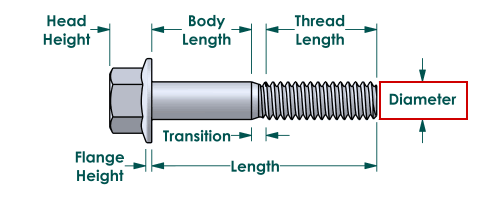
The formula for calculating the length of a bolt is determined by adding the thickness of the materials being joined, the thread engagement, and the nut or head height. The length of the bolt is calculated as follows: Length = thickness of materials + thread engagement + nut or head height.
Understanding Bolt Length Calculation
The calculation of bolt length is crucial in ensuring the structural integrity of the joint. To calculate the length of a bolt, one must consider the thickness of the materials being joined, the thread engagement, and the nut or head height. The following steps can be taken to calculate the length of a bolt:
- Determine the thickness of the materials being joined.
- Calculate the thread engagement based on the type of bolt and nut being used.
- Add the nut or head height to the calculation.
Importance of Thread Engagement
The thread engagement is a critical factor in determining the length of a bolt. Thread engagement refers to the distance that the threads of the bolt engage with the threads of the nut. The thread engagement is typically calculated based on the type of bolt and nut being used, as well as the material properties. The following factors can affect the thread engagement:
- Material properties, such as strength and ductility.
- Type of bolt and nut, such as coarse or fine threads.
- Torque and preload requirements of the joint.
Factors Affecting Bolt Length Calculation
Several factors can affect the calculation of bolt length, including the type of bolt and nut, the thickness of the materials being joined, and the thread engagement. The following factors should be considered when calculating the length of a bolt:
- Type of bolt and nut, such as coarse or fine threads.
- Thickness of the materials being joined.
- Thread engagement and torque requirements.
Common Mistakes in Bolt Length Calculation
Common mistakes in bolt length calculation can result in a joint that is not structurally sound. The following mistakes should be avoided:
- Insufficient thread engagement.
- Inadequate nut or head height.
- Incorrect material properties or type of bolt and nut.
Best Practices for Bolt Length Calculation
Best practices for bolt length calculation include using reliable sources for material properties and thread engagement data, and double-checking calculations to ensure accuracy. The following best practices should be followed:
- Use reliable sources for material properties and thread engagement data.
- Double-check calculations to ensure accuracy.
- Consider torque and preload requirements when determining bolt length.
How do you calculate the axial load of a bolt torque?
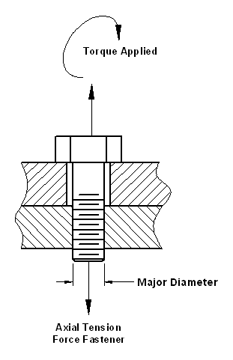
To calculate the axial load of a bolt torque, you need to understand the relationship between torque and tension. The axial load, also known as the clamping force, is the force exerted by the bolt on the joint when it is tightened. The torque applied to the bolt is converted into a rotational force that stretches the bolt and creates a tensile force. The axial load can be calculated using the torque-tension relationship, which is influenced by factors such as the bolt material, diameter, and thread pitch.
Understanding Bolt Torque and Axial Load Relationship
The relationship between bolt torque and axial load is complex and depends on various factors, including the friction coefficient between the bolt and the joint, the bolt diameter, and the thread pitch. To calculate the axial load, you need to know the torque applied to the bolt and the coefficient of friction between the bolt and the joint. The axial load can be calculated using the following formula: Axial Load = (Torque x 12) / (Diameter x Coefficient of Friction x Thread Pitch). Here are some key factors to consider:
- The bolt material and its yield strength affect the axial load calculation.
- The diameter and thread pitch of the bolt also influence the axial load.
- The coefficient of friction between the bolt and the joint is crucial in determining the axial load.
Calculating Axial Load Using the Torque-Tension Relationship
The torque-tension relationship is a critical factor in calculating the axial load of a bolt. The relationship is influenced by the bolt diameter, thread pitch, and coefficient of friction. To calculate the axial load, you need to know the torque applied to the bolt and the coefficient of friction between the bolt and the joint. The axial load can be calculated using the following formula: Axial Load = (Torque x 12) / (Diameter x Coefficient of Friction x Thread Pitch). Here are some key considerations:
- The bolt material and its yield strength affect the axial load calculation.
- The diameter and thread pitch of the bolt also influence the axial load.
- The coefficient of friction between the bolt and the joint is crucial in determining the axial load.
Factors Influencing Axial Load Calculation
Several factors influence the axial load calculation, including the bolt material, diameter, thread pitch, and coefficient of friction. The friction coefficient between the bolt and the joint is particularly important, as it affects the torque-tension relationship. Other factors, such as the joint material and surface roughness, can also impact the axial load calculation. Here are some key factors to consider:
- The bolt material and its yield strength affect the axial load calculation.
- The diameter and thread pitch of the bolt also influence the axial load.
- The coefficient of friction between the bolt and the joint is crucial in determining the axial load.
Importance of Coefficient of Friction in Axial Load Calculation
The coefficient of friction between the bolt and the joint is a critical factor in calculating the axial load. The coefficient of friction affects the torque-tension relationship and can significantly impact the axial load calculation. A high coefficient of friction can result in a higher axial load, while a low coefficient of friction can result in a lower axial load. Here are some key considerations:
- The coefficient of friction between the bolt and the joint is crucial in determining the axial load.
- The bolt material and its yield strength affect the axial load calculation.
- The coefficient of friction can be influenced by factors such as surface roughness and joint material.
Applications of Axial Load Calculation in Engineering
The calculation of axial load is crucial in various engineering applications, including mechanical engineering, civil engineering, and aerospace engineering. The axial load calculation is used to determine the clamping force required to secure a joint, and it is influenced by factors such as the bolt material, diameter, and thread pitch. Here are some key applications:
- Mechanical engineering: Axial load calculation is used to design and analyze mechanical systems, such as engines and transmissions.
- Civil engineering: Axial load calculation is used to design and analyze structures, such as bridges and buildings.
- Aerospace engineering: Axial load calculation is used to design and analyze aircraft and spacecraft components, such as fasteners and joints.
Frequently Asked Questions (FAQs)
What is the Bolt Multiple Diameters Change of Length Under Axial Force Formula and how is it used in engineering applications?
The Bolt Multiple Diameters Change of Length Under Axial Force Formula is a mathematical equation used to calculate the change in length of a bolt when it is subjected to an axial force. This formula is commonly used in engineering applications where bolts are used to join two or more components together. The formula takes into account the diameter of the bolt, the material properties of the bolt, and the axial force applied to the bolt. By using this formula, engineers can predict the change in length of the bolt and ensure that it is within the acceptable limits for the specific application. The formula is particularly useful in designing and analyzing bolted joints, where the change in length of the bolt can affect the overall performance and safety of the system.
How does the Bolt Multiple Diameters Change of Length Under Axial Force Calculator work and what are its limitations?
The Bolt Multiple Diameters Change of Length Under Axial Force Calculator is a tool used to calculate the change in length of a bolt when it is subjected to an axial force. The calculator uses the formula mentioned earlier and requires the user to input the diameter of the bolt, the material properties of the bolt, and the axial force applied to the bolt. The calculator then uses this information to calculate the change in length of the bolt and provides the result to the user. However, the calculator has some limitations, such as assuming a simple bolt geometry and not taking into account complex factors such as friction and non-linear material behavior. Additionally, the calculator is only applicable to specific types of bolts and materials, and the user must ensure that the inputs are accurate and relevant to the specific application.
What are the key factors that affect the change in length of a bolt under axial force, and how can they be optimized for specific engineering applications?
The key factors that affect the change in length of a bolt under axial force include the diameter of the bolt, the material properties of the bolt, and the axial force applied to the bolt. The diameter of the bolt affects the stiffness of the bolt, with larger diameters resulting in a stiffer bolt. The material properties of the bolt, such as the elastic modulus and Poisson's ratio, also affect the change in length of the bolt. The axial force applied to the bolt is the primary driver of the change in length, and optimizing this force is critical in engineering applications. To optimize the change in length of a bolt, engineers can use finite element analysis and experimental testing to validate their designs and ensure that the bolt is operating within the acceptable limits. Additionally, engineers can use material selection and geometry optimization to minimize the change in length of the bolt and ensure that it meets the requirements of the specific application.
How can the Bolt Multiple Diameters Change of Length Under Axial Force Formula and Calculator be used in conjunction with other engineering tools and techniques to analyze and design bolted joints?
The Bolt Multiple Diameters Change of Length Under Axial Force Formula and Calculator can be used in conjunction with other engineering tools and techniques to analyze and design bolted joints. For example, engineers can use finite element analysis to model the behavior of the bolted joint and validate the results of the formula and calculator. Additionally, engineers can use experimental testing to validate the material properties and behavior of the bolt and the surrounding components. The formula and calculator can also be used in conjunction with computer-aided design (CAD) software to design and optimize the geometry of the bolted joint. By using these tools and techniques in conjunction with the formula and calculator, engineers can ensure that the bolted joint is safe, reliable, and efficient, and meets the requirements of the specific application. Furthermore, the formula and calculator can be used to investigate the effects of different materials, geometries, and loading conditions on the behavior of the bolted joint, allowing engineers to optimize their designs and improve the overall performance of the system.
Deja una respuesta
Entradas Relacionadas