
Babcock Steam Flow Rate Calculator


The Babcock Steam Flow Rate Calculator is a valuable tool for engineers and technicians in the steam industry. This calculator helps determine the mass flow rate of steam through a pipeline, taking into account factors such as pressure, temperature, and pipe size. Accurate calculation of steam flow rate is crucial for efficient system operation, energy conservation, and safety. The Babcock calculator provides a reliable and efficient method for calculating steam flow rates, making it an essential resource for professionals in the field of steam engineering and thermodynamics. It simplifies complex calculations and ensures precise results.
- Babcock Steam Flow Rate Calculator: A Comprehensive Guide
- How do you calculate steam flow rate?
- What is a good steam flow rate?
- What is the steam rate formula?
-
Frequently Asked Questions (FAQs)
- What is the Babcock Steam Flow Rate Calculator and how does it work?
- What are the advantages of using the Babcock Steam Flow Rate Calculator?
- How does the Babcock Steam Flow Rate Calculator account for different steam properties?
- Can the Babcock Steam Flow Rate Calculator be used for other types of fluid flow calculations?
Babcock Steam Flow Rate Calculator: A Comprehensive Guide
The Babcock Steam Flow Rate Calculator is a widely used tool in the industry to calculate the flow rate of steam in a pipeline. It is an essential calculation for designing and operating steam systems, as it helps to determine the required pipe size, valve size, and other equipment. The calculator takes into account various factors such as the steam pressure, temperature, and density to provide an accurate calculation of the steam flow rate.
Introduction to Babcock Steam Flow Rate Calculator
The Babcock Steam Flow Rate Calculator is based on the isentropic expansion of steam, which assumes that the expansion of steam is reversible and adiabatic. The calculator uses the steam tables to determine the enthalpy and entropy of the steam at different pressures and temperatures. This information is then used to calculate the mass flow rate of the steam.
Key Factors Affecting Steam Flow Rate Calculation
Several factors can affect the accuracy of the steam flow rate calculation, including pipe size, pipe material, and steam quality. The calculator assumes that the pipe is smooth and horizontal, and that the steam is saturated. Any deviations from these assumptions can affect the accuracy of the calculation.
How to Use the Babcock Steam Flow Rate Calculator
To use the Babcock Steam Flow Rate Calculator, the user needs to input the steam pressure, temperature, and pipe size. The calculator then uses these inputs to calculate the steam flow rate. The user can also input additional parameters such as valve size and pipe material to refine the calculation.
Advantages and Limitations of the Babcock Steam Flow Rate Calculator
The Babcock Steam Flow Rate Calculator has several advantages, including its simplicity and ease of use. It is also a cost-effective solution for calculating steam flow rates. However, the calculator has some limitations, including its assumption of isentropic expansion and its reliance on steam tables. These limitations can affect the accuracy of the calculation, especially at high pressures and temperatures.
Applications of the Babcock Steam Flow Rate Calculator
The Babcock Steam Flow Rate Calculator has a wide range of applications in the industry, including power generation, chemical processing, and oil and gas production. It is also used in research and development to study the behavior of steam in different systems.
| Parameter | Unit | Description |
|---|---|---|
| Steam Pressure | psig | The pressure of the steam in the pipeline |
| Temperature | F | The temperature of the steam in the pipeline |
| Pipe Size | in | The diameter of the pipe |
| Steam Flow Rate | lb/h | The calculated flow rate of the steam |
| Valve Size | in | The diameter of the valve |
How do you calculate steam flow rate?
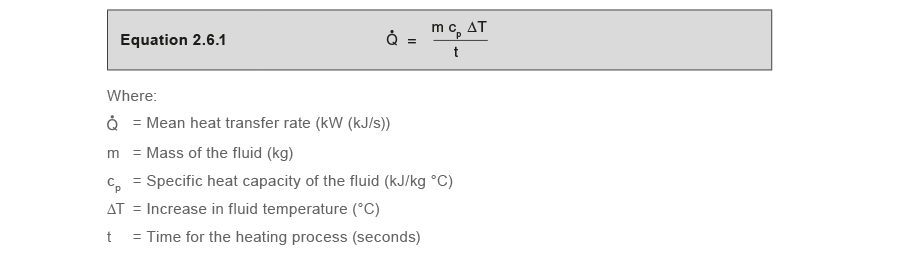
To calculate the steam flow rate, you need to consider several factors, including the pressure and temperature of the steam, as well as the diameter and length of the pipe through which it is flowing. The steam flow rate can be calculated using the following formula: Q = (π d^2 v) / 4, where Q is the steam flow rate, π is a constant (approximately 3.14), d is the diameter of the pipe, and v is the velocity of the steam.
Understanding Steam Flow Rate Calculations
The calculation of steam flow rate is crucial in various industrial applications, including power generation and process heating. To calculate the steam flow rate, you need to know the mass flow rate and the specific volume of the steam. The mass flow rate can be calculated using the following formula: m = Q ρ, where m is the mass flow rate, Q is the volumetric flow rate, and ρ is the density of the steam. Some key factors to consider when calculating steam flow rate include:
- Steam pressure: The pressure of the steam has a significant impact on its flow rate.
- Steam temperature: The temperature of the steam also affects its flow rate.
- Pipe diameter: The diameter of the pipe through which the steam is flowing affects the flow rate.
Steam Flow Rate Measurement Methods
There are several methods for measuring steam flow rate, including orifice plates, venturi tubes, and ultrasonic flow meters. Each of these methods has its own advantages and disadvantages, and the choice of method depends on the specific application and the accuracy required. Some key considerations when selecting a steam flow rate measurement method include:
- Accuracy: The accuracy of the measurement method is critical in many industrial applications.
- Reliability: The reliability of the measurement method is also important, as it can affect the overall efficiency of the system.
- Cost: The cost of the measurement method is another factor to consider, as it can affect the overall economics of the system.
Factors Affecting Steam Flow Rate
Several factors can affect the steam flow rate, including friction and heat transfer. Friction can cause a pressure drop in the pipe, which can reduce the steam flow rate. Heat transfer can also affect the steam flow rate, as it can cause the steam to condense or expand. Some key factors to consider when evaluating the impact of friction and heat transfer on steam flow rate include:
- Pipe material: The material of the pipe can affect the friction factor and the heat transfer coefficient.
- Pipe roughness: The roughness of the pipe can also affect the friction factor and the heat transfer coefficient.
- Flow regime: The flow regime (e.g., laminar or turbulent) can also affect the friction factor and the heat transfer coefficient.
Steam Flow Rate Calculation Tools
There are several tools available for calculating steam flow rate, including software programs and online calculators. These tools can be useful for designing and optimizing steam systems, as they can help to predict the steam flow rate and identify potential bottlenecks. Some key features to consider when selecting a steam flow rate calculation tool include:
- Accuracy: The accuracy of the calculation tool is critical in many industrial applications.
- Ease of use: The ease of use of the calculation tool is also important, as it can affect the overall efficiency of the design process.
- Flexibility: The flexibility of the calculation tool is another factor to consider, as it can affect the ability to model different scenarios and what-if analyses.
Applications of Steam Flow Rate Calculations
Steam flow rate calculations have a wide range of industrial applications, including power generation, process heating, and chemical processing. In these applications, accurate steam flow rate calculations are critical for designing and optimizing systems, as well as for troubleshooting and maintaining existing systems. Some key applications of steam flow rate calculations include:
- Boiler design: Steam flow rate calculations are used to design and size boilers for power generation and process heating applications.
- Pipe sizing: Steam flow rate calculations are used to size pipes for steam distribution systems.
- System optimization: Steam flow rate calculations are used to optimize existing steam systems, including identifying potential bottlenecks and opportunities for energy savings.
What is a good steam flow rate?
A good steam flow rate is crucial for various industrial applications, including power generation, heating, and cooling. The ideal steam flow rate depends on several factors, such as the type of equipment, the temperature and pressure of the steam, and the desired outcome. For instance, in a power plant, a high steam flow rate is necessary to generate a significant amount of electricity, while in a heating system, a lower steam flow rate may be sufficient to provide heat to a building.
Factors Affecting Steam Flow Rate
The steam flow rate is influenced by several factors, including the pipe size and material, the steam pressure and temperature, and the presence of any obstructions or restrictions in the steam pipeline. A good steam flow rate can be achieved by ensuring that the pipe is properly sized and insulated, and that the steam is generated at the optimal pressure and temperature. The following factors can affect the steam flow rate:
- Pipe size and material: A larger pipe diameter can accommodate a higher steam flow rate, while a smaller pipe may restrict the flow.
- Steam pressure and temperature: Higher steam pressure and temperature can result in a higher steam flow rate.
- Obstructions or restrictions: Any blockages or restrictions in the steam pipeline can reduce the steam flow rate.
Measuring Steam Flow Rate
Measuring the steam flow rate is essential to ensure that it is within the desired range. There are several methods to measure the steam flow rate, including the use of steam flow meters, orifice plates, and venturi tubes. These devices can provide accurate measurements of the steam flow rate, which can be used to adjust the steam generation and distribution systems. The following methods can be used to measure the steam flow rate:
- Steam flow meters: These devices use a variety of techniques, such as differential pressure and velocity, to measure the steam flow rate.
- Orifice plates: These devices use a restrictive orifice to measure the steam flow rate based on the pressure drop across the orifice.
- Venturi tubes: These devices use a converging and diverging section to measure the steam flow rate based on the pressure drop across the venturi.
Applications of Steam Flow Rate
Steam flow rate has various applications in different industries, including power generation, heating, and cooling. In power generation, a high steam flow rate is necessary to generate a significant amount of electricity, while in heating systems, a lower steam flow rate may be sufficient to provide heat to a building. The following applications use steam flow rate:
- Power generation: High steam flow rates are used to generate electricity in power plants.
- Heating: Lower steam flow rates! are used to provide heat to buildings and industrial processes.
- Cooling: Steam flow rate is used in absorption chillers to provide cooling to buildings and industrial processes.
Importance of Steam Flow Rate
A good steam flow rate is essential to ensure the efficient and safe operation of various industrial processes. A high steam flow rate can result in increased productivity and reduced energy costs, while a low steam flow rate can lead to reduced efficiency and increased energy costs. The following points highlight the importance of steam flow rate:
- Efficient operation: A good steam flow rate ensures the efficient operation of industrial processes, resulting in increased productivity and reduced energy costs.
- Safety: A good steam flow rate ensures the safe operation of industrial processes, reducing the risk of accidents and injuries.
- Energy costs: A good steam flow rate can result in reduced energy costs, as it ensures that the steam is used efficiently and effectively.
Optimizing Steam Flow Rate
Optimizing the steam flow rate is crucial to ensure the efficient and safe operation of various industrial processes. This can be achieved by monitoring the steam flow rate, adjusting the steam generation and distribution systems, and maintaining the steam pipeline and equipment. The following steps can be taken to optimize the steam flow rate:
- Monitor the steam flow rate: Regular monitoring of the steam flow rate can help identify any issues or inefficiencies in the system.
- Adjust the steam generation and distribution systems: Adjusting the steam generation and distribution systems can help optimize the steam flow rate and ensure efficient operation.
- Maintain the steam pipeline and equipment: Regular maintenance of the steam pipeline and equipment can help prevent obstructions and restrictions and ensure optimal steam flow rate.
What is the steam rate formula?

The steam rate formula is a mathematical expression used to calculate the amount of steam required to produce a certain amount of work or energy. It is commonly used in power plants and industrial processes to determine the steam consumption rate.
Introduction to Steam Rate Formula
The steam rate formula is based on the first law of thermodynamics, which states that energy cannot be created or destroyed, only converted from one form to another. The formula takes into account the heat input, work output, and steam properties to calculate the steam rate. The key factors that affect the steam rate include:
- The type of fuel used to generate steam
- The efficiency of the steam generator
- The pressure and temperature of the steam
Steam Rate Formula Calculation
The steam rate formula is calculated using the following equation: steam rate = heat input / (work output x steam efficiency). The heat input is the amount of energy required to generate the steam, while the work output is the amount of energy produced by the steam. The steam efficiency is a measure of the efficiency of the steam generator. The key components of the steam rate formula include:
- The heat input from the fuel or energy source
- The work output from the steam turbine or engine
- The steam efficiency of the steam generator
Factors Affecting Steam Rate Formula
The steam rate formula is affected by several factors, including the type of fuel used, the efficiency of the steam generator, and the pressure and temperature of the steam. The steam rate can also be affected by external factors such as ambient temperature and humidity. The key factors that affect the steam rate include:
- The type of fuel used to generate steam
- The efficiency of the steam generator
- The pressure and temperature of the steam
Applications of Steam Rate Formula
The steam rate formula has several practical applications in power plants and industrial processes. It is used to calculate the steam consumption rate, which is essential for energy management and cost optimization. The steam rate formula is also used to design and optimize steam systems. The key applications of the steam rate formula include:
- Energy management and cost optimization
- Design and optimization of steam systems
- Performance evaluation of steam generators
Importance of Steam Rate Formula
The steam rate formula is important because it helps to optimize energy consumption and reduce costs. It also helps to improve the efficiency of steam generators and reduce emissions. The steam rate formula is a valuable tool for engineers and operators of power plants and industrial processes. The key benefits of the steam rate formula include:
- Optimization of energy consumption
- Reduction of costs and emissions
- Improvement of steam generator efficiency
Frequently Asked Questions (FAQs)
What is the Babcock Steam Flow Rate Calculator and how does it work?
The Babcock Steam Flow Rate Calculator is a tool used to calculate the steam flow rate in a system. It is based on the Babcock formula, which takes into account the pressure, temperature, and density of the steam. To use the calculator, you need to input the known values of the system, such as the pressure and temperature of the steam, as well as the diameter and length of the pipe. The calculator then uses these values to calculate the steam flow rate in pounds per hour or kilograms per hour. The Babcock Steam Flow Rate Calculator is a useful tool for engineers and technicians who need to calculate the steam flow rate in a system, as it provides a quick and accurate way to determine the flow rate.
What are the advantages of using the Babcock Steam Flow Rate Calculator?
The Babcock Steam Flow Rate Calculator has several advantages that make it a popular choice among engineers and technicians. One of the main advantages is its ease of use, as it is a simple and straightforward tool that requires minimal input values. Another advantage is its accuracy, as the calculator uses the Babcock formula, which is a well-established and reliable method for calculating steam flow rates. Additionally, the calculator is a time-saving tool, as it provides a quick and accurate way to determine the steam flow rate, eliminating the need for manual calculations. The Babcock Steam Flow Rate Calculator is also a cost-effective tool, as it is a free online resource that can be accessed from anywhere with an internet connection.
How does the Babcock Steam Flow Rate Calculator account for different steam properties?
The Babcock Steam Flow Rate Calculator accounts for different steam properties, such as superheated steam and saturated steam, by using different formulas and correction factors. For example, when calculating the steam flow rate for superheated steam, the calculator uses a correction factor to account for the increased temperature and reduced density of the steam. Similarly, when calculating the steam flow rate for saturated steam, the calculator uses a different formula that takes into account the constant temperature and variable density of the steam. The calculator also accounts for other steam properties, such as pressure and density, by using tables and charts to determine the correction factors and formula coefficients. By accounting for these different steam properties, the Babcock Steam Flow Rate Calculator provides a high degree of accuracy and reliability.
Can the Babcock Steam Flow Rate Calculator be used for other types of fluid flow calculations?
The Babcock Steam Flow Rate Calculator is specifically designed for calculating steam flow rates, and it is not suitable for other types of fluid flow calculations. However, there are other online resources and calculators available that can be used for calculating fluid flow rates for other types of fluids, such as gases and liquids. These calculators use different formulas and correction factors that are specific to the type of fluid being calculated. For example, gas flow calculators use formulas that take into account the compressibility and viscosity of the gas, while liquid flow calculators use formulas that take into account the density and viscosity of the liquid. Therefore, while the Babcock Steam Flow Rate Calculator is a useful tool for calculating steam flow rates, it is not a universal tool that can be used for all types of fluid flow calculations.
Deja una respuesta
Entradas Relacionadas