
What positions should an org chart at a Saas startup have?

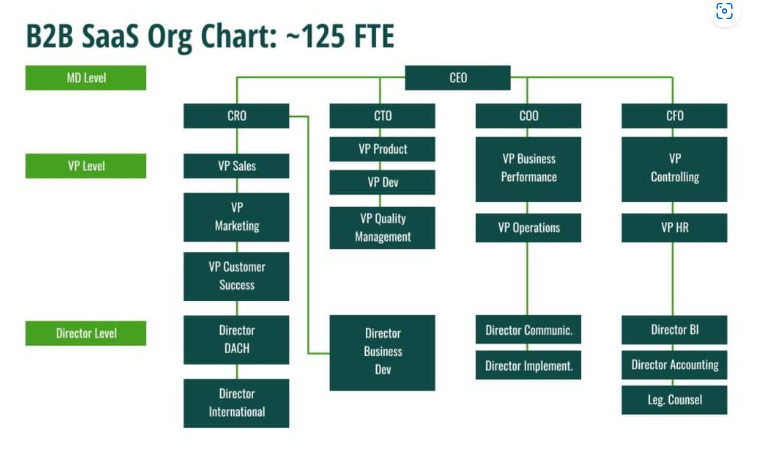
Building an effective organizational chart is crucial for any SaaS startup aiming to scale efficiently. A well-structured org chart not only clarifies roles and responsibilities but also fosters collaboration and accountability. In the fast-paced world of SaaS, where agility and innovation are key, defining the right positions early on can set the foundation for sustainable growth. From product development and engineering to sales, marketing, and customer success, each role plays a vital part in driving the company forward. This article explores the essential positions a SaaS startup should include in its org chart, ensuring alignment with business goals and operational needs.
What Positions Should an Org Chart at a SaaS Startup Have?
A well-structured org chart is crucial for the success of a SaaS startup. It ensures that all critical functions are covered, roles are clearly defined, and the team can scale efficiently. Below, we break down the essential positions and their roles in a SaaS startup.
1. Leadership and Executive Roles
The leadership team sets the vision, strategy, and direction of the company. Key roles include:
- CEO (Chief Executive Officer): Oversees the entire organization and drives the company’s vision.
- CTO (Chief Technology Officer): Leads product development and technology strategy.
- COO (Chief Operating Officer): Manages day-to-day operations and ensures efficiency.
- CMO (Chief Marketing Officer): Handles marketing, branding, and customer acquisition.
| Role | Responsibilities |
|---|---|
| CEO | Vision, strategy, and overall leadership |
| CTO | Product development and tech innovation |
| COO | Operational efficiency and execution |
| CMO | Marketing and customer acquisition |
2. Product Development Team
The product team is responsible for building and improving the SaaS product. Key roles include:
- Product Manager: Defines the product roadmap and prioritizes features.
- Software Engineers: Develop and maintain the product’s codebase.
- UX/UI Designers: Ensure the product is user-friendly and visually appealing.
- QA Engineers: Test the product to ensure quality and reliability.
| Role | Responsibilities |
|---|---|
| Product Manager | Roadmap planning and feature prioritization |
| Software Engineers | Code development and maintenance |
| UX/UI Designers | User experience and interface design |
| QA Engineers | Quality assurance and testing |
3. Sales and Customer Success
The sales and customer success teams are vital for revenue generation and customer retention. Key roles include:
- Sales Representatives: Close deals and bring in new customers.
- Account Managers: Manage relationships with existing clients.
- Customer Support Specialists: Provide technical support and resolve issues.
- Customer Success Managers: Ensure customers achieve their goals with the product.
| Role | Responsibilities |
|---|---|
| Sales Representatives | Closing deals and acquiring new customers |
| Account Managers | Managing client relationships |
| Customer Support Specialists | Providing technical support |
| Customer Success Managers | Ensuring customer satisfaction and retention |
4. Marketing and Growth
The marketing team drives brand awareness and customer acquisition. Key roles include:
- Content Marketers: Create blogs, whitepapers, and other content.
- Growth Hackers: Experiment with strategies to accelerate growth.
- SEO Specialists: Optimize content for search engines.
- Social Media Managers: Manage the company’s social media presence.
| Role | Responsibilities |
|---|---|
| Content Marketers | Creating engaging content |
| Growth Hackers | Experimenting with growth strategies |
| SEO Specialists | Optimizing for search engines |
| Social Media Managers | Managing social media channels |
5. Operations and Support
The operations team ensures the company runs smoothly. Key roles include:
- HR Manager: Handles recruitment, onboarding, and employee relations.
- Finance Manager: Manages budgets, payroll, and financial planning.
- IT Support: Maintains the company’s internal tech infrastructure.
- Office Manager: Oversees administrative tasks and office logistics.
| Role | Responsibilities |
|---|---|
| HR Manager | Recruitment and employee management |
| Finance Manager | Budgeting and financial planning |
| IT Support | Maintaining internal tech systems |
| Office Manager | Administrative and logistical support |
What is the 3 3 2 2 2 rule of SaaS?

What is the 3 3 2 2 2 Rule of SaaS?
The 3 3 2 2 2 rule is a framework used in SaaS (Software as a Service) businesses to structure and prioritize key metrics and goals. It helps companies focus on critical areas such as customer acquisition, retention, and revenue growth. The rule is divided into three main components: 3 months, 3 months, 2 years, 2 years, and 2 years, each representing a specific timeframe and objective.
Understanding the First 3 Months
In the first 3 months, the focus is on customer acquisition and onboarding. This period is crucial for establishing a strong foundation. Key activities include:
- Identifying target customers and creating a clear value proposition.
- Optimizing marketing channels to attract high-quality leads.
- Streamlining the onboarding process to ensure customers can quickly derive value from the product.
Focusing on the Second 3 Months
The second 3 months emphasize customer retention and engagement. During this phase, the goal is to reduce churn and build long-term relationships. Key strategies include:
- Monitoring customer usage to identify potential issues early.
- Providing proactive support to address customer concerns.
- Offering personalized experiences to increase satisfaction and loyalty.
Planning for the First 2 Years
The first 2 years are dedicated to scaling the business and expanding the customer base. This phase involves:
- Investing in product development to meet evolving customer needs.
- Expanding into new markets or verticals to increase reach.
- Building a strong brand presence to differentiate from competitors.
Strategizing for the Second 2 Years
In the second 2 years, the focus shifts to optimizing operations and improving profitability. Key initiatives include:
- Automating repetitive tasks to reduce operational costs.
- Enhancing customer success programs to drive upsells and cross-sells.
- Analyzing data to make informed decisions and improve efficiency.
Preparing for the Final 2 Years
The final 2 years are about sustaining growth and ensuring long-term success. This phase involves:
- Maintaining a competitive edge through continuous innovation.
- Strengthening partnerships and alliances to expand opportunities.
- Focusing on customer advocacy to drive organic growth and referrals.
What is the best organizational structure for a startup?

What is the Best Organizational Structure for a Startup?
The best organizational structure for a startup typically depends on its size, goals, and industry. However, a flat or matrix structure is often recommended for startups due to its flexibility and ability to foster collaboration. Startups need to adapt quickly, and these structures allow for faster decision-making and innovation.
- Flat Structure: Reduces hierarchy, enabling open communication and quicker responses to challenges.
- Matrix Structure: Combines functional and project-based teams, promoting cross-functional collaboration.
- Flexibility: Allows startups to pivot and adapt as they grow or face market changes.
Why is a Flat Structure Ideal for Startups?
A flat organizational structure is ideal for startups because it minimizes layers of management, fostering a culture of transparency and innovation. This structure encourages employees to take initiative and contribute directly to the company's success.
- Enhanced Communication: Fewer hierarchical barriers mean faster and clearer communication.
- Employee Empowerment: Team members feel more valued and motivated to contribute ideas.
- Cost-Effective: Reduces overhead costs associated with multiple management layers.
How Does a Matrix Structure Benefit Startups?
A matrix structure benefits startups by combining the expertise of functional teams with the agility of project-based teams. This dual approach ensures that resources are utilized efficiently and that projects align with the company's strategic goals.
- Cross-Functional Collaboration: Encourages teamwork across departments, leading to innovative solutions.
- Resource Optimization: Allocates talent and resources effectively across multiple projects.
- Adaptability: Allows startups to respond swiftly to market demands and internal changes.
What Role Does Flexibility Play in Startup Structures?
Flexibility is crucial in startup organizational structures because it enables the company to adapt to rapid changes in the market, technology, or customer needs. A flexible structure ensures that the startup remains agile and competitive.
- Rapid Decision-Making: Enables quick responses to opportunities or threats.
- Scalability: Allows the structure to evolve as the startup grows.
- Innovation: Encourages experimentation and creative problem-solving.
What Challenges Do Startups Face with Organizational Structures?
Startups often face challenges such as maintaining clarity in roles, managing rapid growth, and ensuring effective communication. Choosing the right structure can help mitigate these issues.
- Role Ambiguity: Clear job descriptions are essential to avoid confusion.
- Growth Management: Structures must scale with the company to prevent inefficiencies.
- Communication Gaps: Regular updates and open channels are vital to keep everyone aligned.
What is the org chart for startups?
Understanding the Basics of a Startup Org Chart
An org chart for startups is a visual representation of the company's structure, showing the hierarchy and relationships between different roles and departments. It typically includes:
- Founders: The individuals who started the company, often holding key leadership positions.
- Executive Team: Includes roles like CEO, CTO, and CFO, responsible for high-level decision-making.
- Departments: Such as Product Development, Marketing, Sales, and Operations, each with their own teams.
Key Roles in a Startup Org Chart
In a startup, the key roles often include:
- CEO (Chief Executive Officer): Oversees the entire company and makes major corporate decisions.
- CTO (Chief Technology Officer): Manages the technological direction and product development.
- CFO (Chief Financial Officer): Handles financial planning, risk management, and financial reporting.
How Startups Differ from Established Companies in Org Structure
Startups often have a more fluid and flexible org structure compared to established companies. Key differences include:
- Flat Hierarchy: Fewer layers of management, promoting quicker decision-making.
- Cross-functional Teams: Employees often wear multiple hats and collaborate across departments.
- Rapid Scaling: The org chart can change frequently as the company grows and evolves.
Importance of an Org Chart in Startups
An org chart is crucial for startups for several reasons:
- Clarity: It provides clear roles and responsibilities, reducing confusion.
- Efficiency: Helps streamline communication and workflow.
- Scalability: Acts as a blueprint for future growth and hiring needs.
Common Challenges in Creating a Startup Org Chart
Creating an org chart for a startup can be challenging due to:
- Resource Constraints: Limited staff may require individuals to take on multiple roles.
- Rapid Changes: Frequent pivots and scaling can make the org chart outdated quickly.
- Cultural Fit: Ensuring that the structure aligns with the company's culture and values.
What should an Organisational chart list?

Key Elements of an Organisational Chart
An organisational chart should list the key elements that define the structure of an organization. These elements include:
- Job Titles: Clearly defined roles and responsibilities within the organization.
- Departments: The various divisions or units within the organization, such as Marketing, Finance, and Human Resources.
- Hierarchy Levels: The levels of authority and reporting lines, from top management to entry-level positions.
Reporting Relationships
The organisational chart should clearly illustrate the reporting relationships within the organization. This includes:
- Direct Reports: Employees who report directly to a specific manager or supervisor.
- Indirect Reports: Employees who report to a manager through another intermediary.
- Cross-Functional Teams: Teams that involve members from different departments working together on specific projects.
Roles and Responsibilities
An effective organisational chart should detail the roles and responsibilities of each position. This includes:
- Primary Duties: The main tasks and functions associated with each role.
- Secondary Duties: Additional tasks that may be required as part of the role.
- Decision-Making Authority: The level of authority each role has in making decisions.
Communication Channels
The chart should also outline the communication channels within the organization. This involves:
- Formal Communication: Official lines of communication, such as memos and reports.
- Informal Communication: Unofficial channels, such as team meetings and casual conversations.
- Feedback Mechanisms: Systems in place for employees to provide feedback and suggestions.
Future Growth and Development
An organisational chart should also consider future growth and development within the organization. This includes:
- Succession Planning: Identifying and developing future leaders within the organization.
- Career Paths: Clear pathways for employee advancement and career progression.
- Training and Development: Programs and opportunities for employee skill enhancement and professional growth.
Frequently Asked Questions (FAQ)
What are the key leadership roles in a SaaS startup org chart?
In a SaaS startup, the key leadership roles typically include a Chief Executive Officer (CEO), who oversees the overall vision and strategy, and a Chief Technology Officer (CTO), responsible for the technical direction and product development. Additionally, a Chief Revenue Officer (CRO) or Chief Sales Officer (CSO) is crucial for driving sales and revenue growth. A Chief Marketing Officer (CMO) focuses on branding, customer acquisition, and marketing strategies. These roles form the foundation of the leadership team, ensuring the company's growth and alignment with its goals.
What technical roles are essential in a SaaS startup?
Technical roles are critical in a SaaS startup to ensure the product is robust and scalable. A Software Engineering Team, led by a VP of Engineering or Engineering Manager, is responsible for building and maintaining the product. DevOps Engineers handle infrastructure and deployment, while Quality Assurance (QA) Engineers ensure the product meets quality standards. Additionally, a Product Manager bridges the gap between technical teams and business objectives, ensuring the product aligns with customer needs and market demands.
What customer-facing roles should a SaaS startup prioritize?
Customer-facing roles are vital for a SaaS startup to build strong relationships and ensure customer satisfaction. A Customer Success Manager (CSM) helps clients achieve their goals using the product, reducing churn and increasing retention. A Support Team provides timely assistance to resolve customer issues. Additionally, a Sales Team, including Account Executives and Sales Development Representatives (SDRs), focuses on acquiring new customers. These roles ensure the company delivers value and maintains a positive reputation in the market.
What operational and administrative roles are needed in a SaaS startup?
Operational and administrative roles are essential for the smooth functioning of a SaaS startup. A Chief Financial Officer (CFO) or Finance Manager manages budgets, financial planning, and fundraising. A Human Resources (HR) Manager handles recruitment, employee relations, and compliance. An Operations Manager ensures efficient internal processes, while an Office Manager or Administrative Assistant supports day-to-day activities. These roles provide the backbone for the company, enabling other teams to focus on their core responsibilities.
Deja una respuesta
Entradas Relacionadas