
What is a SaaS application?


A SaaS application, or Software as a Service application, is a cloud-based software delivery model that allows users to access and use software over the internet without the need for installation or maintenance on local devices. Unlike traditional software, SaaS applications are hosted on remote servers and provided on a subscription basis, offering flexibility, scalability, and cost-effectiveness. This model has revolutionized how businesses and individuals interact with software, enabling seamless updates, collaboration, and accessibility from any device with an internet connection. From productivity tools to customer relationship management systems, SaaS applications have become integral to modern workflows, driving efficiency and innovation across industries.
What is a SaaS Application?
A SaaS (Software as a Service) application is a cloud-based software delivery model where applications are hosted by a third-party provider and made available to customers over the internet. Unlike traditional software that requires installation on individual devices, SaaS applications are accessed through web browsers, offering flexibility, scalability, and cost-effectiveness. This model eliminates the need for users to manage hardware or software maintenance, as the provider handles updates, security, and infrastructure.
How Does SaaS Work?
SaaS applications operate on a subscription basis, where users pay a recurring fee to access the software. The provider hosts the application on their servers, and users can access it via the internet. This model allows for automatic updates, scalability, and remote access, making it ideal for businesses of all sizes. The provider manages all backend processes, including data storage, security, and performance optimization.
Key Features of SaaS Applications
SaaS applications are known for their accessibility, scalability, and cost-efficiency. They are accessible from any device with an internet connection, making them highly flexible. Users can scale their usage up or down based on their needs, and the subscription-based pricing model eliminates large upfront costs. Additionally, SaaS applications often include collaboration tools, automatic backups, and integration capabilities with other software.
Advantages of SaaS Applications
The primary advantages of SaaS applications include reduced IT costs, ease of use, and rapid deployment. Since the provider handles maintenance and updates, businesses can focus on their core operations. SaaS applications also offer real-time collaboration and data accessibility, enabling teams to work efficiently from anywhere. Furthermore, the subscription model allows for predictable budgeting and lower initial investment.
Disadvantages of SaaS Applications
Despite their benefits, SaaS applications have some drawbacks. Dependence on internet connectivity is a significant limitation, as users cannot access the software offline. Data security and privacy concerns may arise, as sensitive information is stored on third-party servers. Additionally, users have limited control over customization and updates, as these are managed by the provider.
Examples of Popular SaaS Applications
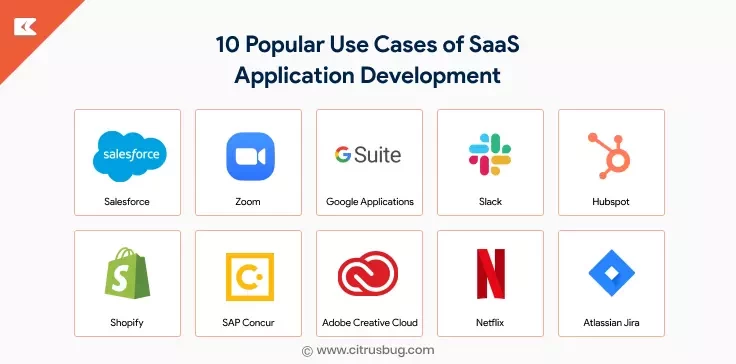
There are numerous SaaS applications available across various industries. Some popular examples include Salesforce for customer relationship management, Slack for team communication, Zoom for video conferencing, Dropbox for file storage, and Google Workspace for productivity tools. These applications demonstrate the versatility and widespread adoption of the SaaS model.
| Feature | Description |
|---|---|
| Accessibility | Accessible from any device with an internet connection. |
| Scalability | Easily scale usage up or down based on needs. |
| Cost-Efficiency | Subscription-based pricing eliminates large upfront costs. |
| Automatic Updates | Providers handle software updates and maintenance. |
| Collaboration Tools | Enables real-time collaboration among users. |
Which is an example of a SaaS application?
What is a SaaS Application?
A SaaS (Software as a Service) application is a cloud-based software delivery model where applications are hosted by a service provider and made available to customers over the internet. Users can access these applications through a web browser without needing to install or maintain any software locally. Examples include tools for project management, customer relationship management (CRM), and collaboration.
Examples of Popular SaaS Applications
Here are some well-known examples of SaaS applications:
- Salesforce: A leading CRM platform that helps businesses manage customer relationships, sales, and marketing.
- Google Workspace: A suite of productivity tools including Gmail, Google Docs, and Google Drive.
- Slack: A collaboration tool for team communication and file sharing.
- Zoom: A video conferencing platform widely used for virtual meetings and webinars.
- Dropbox: A cloud storage service for file sharing and collaboration.
Key Features of SaaS Applications
SaaS applications offer several distinctive features that make them highly efficient and user-friendly:
- Accessibility: Available from any device with an internet connection.
- Scalability: Easily scalable to accommodate growing business needs.
- Automatic Updates: Regular updates and maintenance are handled by the provider.
- Cost-Effectiveness: Typically offered on a subscription basis, reducing upfront costs.
- Collaboration: Enables real-time collaboration among users.
Advantages of Using SaaS Applications
Using SaaS applications provides numerous benefits for businesses and individuals:
- Reduced IT Burden: No need for in-house infrastructure or maintenance.
- Flexibility: Users can access applications from anywhere, at any time.
- Quick Deployment: Applications can be deployed rapidly compared to traditional software.
- Integration: Easily integrates with other tools and platforms.
- Security: Providers often offer robust security measures to protect data.
Industries That Benefit from SaaS Applications
SaaS applications are widely used across various industries due to their versatility and efficiency:
- Healthcare: Tools for patient management and telemedicine.
- Education: Platforms for online learning and classroom management.
- Finance: Software for accounting, payroll, and financial planning.
- Retail: Solutions for inventory management and e-commerce.
- Technology: Development and collaboration tools for IT teams.
Is Netflix a SaaS?
What is SaaS?
Software as a Service (SaaS) is a cloud-based software delivery model where applications are hosted by a service provider and made available to customers over the internet. Unlike traditional software, SaaS eliminates the need for installation and maintenance on local devices. Key characteristics of SaaS include:
- Subscription-based pricing: Users pay a recurring fee to access the service.
- Centralized hosting: The software is hosted on remote servers, ensuring accessibility from any device with an internet connection.
- Automatic updates: The provider handles updates and maintenance, ensuring users always have the latest version.
Is Netflix a SaaS Platform?
Yes, Netflix can be considered a SaaS platform because it aligns with the core principles of the SaaS model. Netflix delivers its streaming service over the internet, eliminating the need for physical media or local software installation. Key points supporting this classification include:
- Subscription-based model: Users pay a monthly fee to access Netflix's content library.
- Cloud-based infrastructure: Netflix's content is hosted on remote servers and streamed to users' devices.
- No local installation required: Users can access Netflix through web browsers or apps without needing to install software on their devices.
How Does Netflix Operate as a SaaS?
Netflix operates as a SaaS platform by leveraging cloud computing and internet-based delivery. Its operational model includes:
- Content delivery: Netflix uses a global network of servers to stream movies and TV shows to users in real-time.
- User management: Subscribers create accounts, manage profiles, and access personalized recommendations.
- Continuous updates: Netflix regularly updates its platform with new features, content, and improvements without requiring user intervention.
Key Features of Netflix as a SaaS
Netflix exhibits several features that are typical of SaaS platforms, including:
- Scalability: Netflix can handle millions of users simultaneously, thanks to its robust cloud infrastructure.
- Accessibility: Users can access Netflix on various devices, including smartphones, tablets, smart TVs, and computers.
- Personalization: Netflix uses algorithms to recommend content based on user preferences and viewing history.
Benefits of Netflix Being a SaaS
The SaaS model provides Netflix with several advantages, such as:
- Cost efficiency: Netflix avoids the costs associated with physical media distribution and local software maintenance.
- Global reach: The internet-based delivery allows Netflix to serve users worldwide without geographical limitations.
- Flexibility: Users can access Netflix anytime, anywhere, as long as they have an internet connection.
Is Zoom a SaaS application?
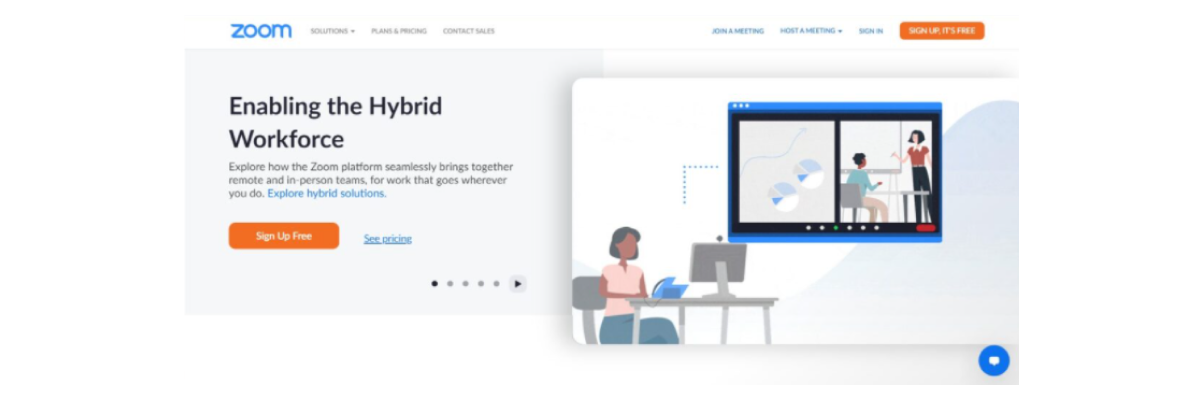
Yes, Zoom is a SaaS (Software as a Service) application. It is a cloud-based platform that provides video conferencing, online meetings, and collaboration tools. Users can access Zoom's services through a web browser or app without needing to install or maintain any software locally. The platform operates on a subscription-based model, offering various tiers to cater to individual, business, and enterprise needs.
What Makes Zoom a SaaS Application?
Zoom qualifies as a SaaS application due to the following characteristics:
- Cloud-based infrastructure: Zoom operates entirely in the cloud, allowing users to access its services from anywhere with an internet connection.
- Subscription model: Users pay for Zoom on a recurring basis, either monthly or annually, depending on their chosen plan.
- Automatic updates: Zoom's features and security updates are managed by the provider, ensuring users always have access to the latest version without manual intervention.
How Does Zoom's SaaS Model Benefit Users?
The SaaS model of Zoom offers several advantages to its users:
- Scalability: Users can easily upgrade or downgrade their plans based on their needs, making it suitable for individuals, small teams, or large enterprises.
- Accessibility: Since Zoom is cloud-based, it can be accessed from any device, including desktops, laptops, tablets, and smartphones.
- Cost-effectiveness: The subscription-based pricing eliminates the need for significant upfront investments in hardware or software.
Key Features of Zoom as a SaaS Platform
Zoom's SaaS platform includes a variety of features designed to enhance user experience:
- Video conferencing: High-quality video and audio capabilities for virtual meetings.
- Screen sharing: Allows participants to share their screens for presentations or collaboration.
- Recording and transcription: Meetings can be recorded and transcribed for future reference.
Zoom's Integration with Other SaaS Tools
Zoom integrates seamlessly with other SaaS applications, enhancing its functionality:
- Calendar integrations: Works with Google Calendar, Outlook, and other scheduling tools to streamline meeting setups.
- CRM integrations: Connects with platforms like Salesforce to enhance customer relationship management.
- Collaboration tools: Integrates with Slack, Microsoft Teams, and other communication platforms for seamless workflows.
Security and Compliance in Zoom's SaaS Model
Zoom prioritizes security and compliance as part of its SaaS offering:
- End-to-end encryption: Ensures that all communications are secure and private.
- GDPR compliance: Adheres to global data protection regulations to safeguard user data.
- Authentication features: Includes password protection, waiting rooms, and two-factor authentication to prevent unauthorized access.
Is Amazon a SaaS application?
What is SaaS?
Software as a Service (SaaS) is a cloud-based software delivery model where applications are hosted by a service provider and made available to customers over the internet. Unlike traditional software, SaaS applications do not require installation on individual devices and are typically accessed through a web browser. Key characteristics of SaaS include:
- Subscription-based pricing: Customers pay a recurring fee, often monthly or annually.
- Centralized hosting: The software is hosted on the provider's servers, reducing the need for on-premise infrastructure.
- Automatic updates: The provider handles maintenance, updates, and security patches.
Is Amazon a SaaS Application?
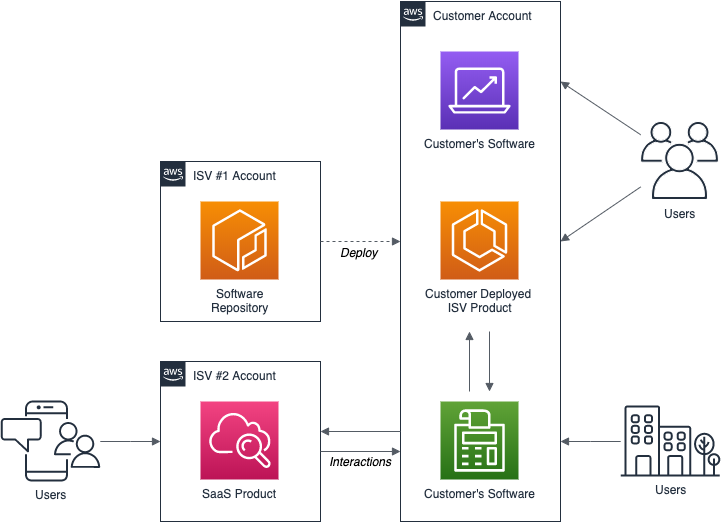
Amazon as a whole is not a SaaS application, but it offers several SaaS-based services under its AWS (Amazon Web Services) umbrella. While Amazon is primarily known as an e-commerce platform, its AWS division provides cloud-based solutions, including SaaS offerings like:
- Amazon WorkSpaces: A virtual desktop service.
- Amazon Chime: A communication and collaboration tool.
- AWS SaaS Factory: A program to help businesses build SaaS applications.
Amazon Web Services (AWS) and SaaS
AWS is a leading cloud computing platform that provides a wide range of services, including Infrastructure as a Service (IaaS), Platform as a Service (PaaS), and SaaS. While AWS itself is not a SaaS application, it enables businesses to build, deploy, and manage SaaS applications. Key SaaS-related services within AWS include:
- AWS SaaS Factory: Offers tools and resources for SaaS development.
- AWS Marketplace: A platform for discovering and deploying third-party SaaS applications.
- AWS Lambda: Enables serverless computing for SaaS applications.
Amazon's Role in the SaaS Ecosystem
Amazon plays a significant role in the SaaS ecosystem through its AWS platform, which supports the development and deployment of SaaS applications. While Amazon is not a SaaS provider in the traditional sense, it provides the infrastructure and tools necessary for SaaS companies to thrive. Examples of Amazon's contributions include:
- Scalable infrastructure: AWS offers scalable cloud resources for SaaS applications.
- Developer tools: AWS provides tools like AWS Amplify and AWS CodePipeline for SaaS development.
- Global reach: AWS's global data centers ensure low latency and high availability for SaaS applications.
Key Differences Between Amazon and SaaS Applications
While Amazon offers SaaS-related services, it is important to distinguish between Amazon as a company and traditional SaaS applications. Key differences include:
- Business model: Amazon operates primarily as an e-commerce and cloud services provider, whereas SaaS companies focus solely on software delivery.
- Service offerings: Amazon provides a wide range of services, including retail, logistics, and entertainment, while SaaS companies specialize in software solutions.
- Target audience: Amazon serves both consumers and businesses, whereas SaaS applications are typically aimed at businesses and enterprises.
Frequently Asked Questions (FAQ)
What is a SaaS application?
A SaaS application, or Software as a Service application, is a type of cloud-based software that is hosted and maintained by a third-party provider. Instead of installing software on individual devices, users access the application via the internet, typically through a web browser. This model allows for scalability, automatic updates, and remote accessibility, making it a popular choice for businesses and individuals alike.
How does a SaaS application work?
A SaaS application operates on a subscription-based model, where users pay a recurring fee to access the software. The application is hosted on the provider's servers, and all data processing and storage occur in the cloud. Users can access the software from any device with an internet connection, eliminating the need for local installations. The provider handles maintenance, security, and updates, ensuring that the software is always up-to-date and secure.
What are the benefits of using a SaaS application?
Using a SaaS application offers numerous benefits, including cost efficiency, as there is no need for expensive hardware or software installations. It also provides flexibility, allowing users to access the software from anywhere and on any device. Additionally, SaaS applications are typically scalable, meaning they can easily accommodate growing business needs. The automatic updates and maintenance provided by the vendor ensure that the software is always current and secure, reducing the burden on internal IT teams.
What are some examples of SaaS applications?
There are many well-known SaaS applications across various industries. Examples include Google Workspace for productivity and collaboration, Salesforce for customer relationship management, and Slack for team communication. Other popular SaaS applications include Zoom for video conferencing, Dropbox for file storage, and HubSpot for marketing automation. These applications demonstrate the versatility and widespread adoption of the SaaS model in today's digital landscape.
Deja una respuesta
Entradas Relacionadas