
Straight Labyrinth Seal Flow Equation and Calculator

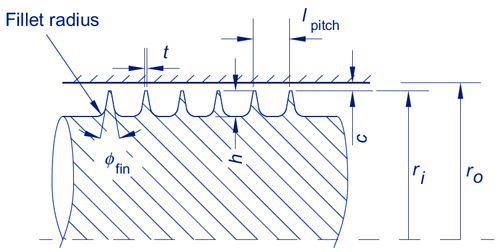
The Straight Labyrinth Seal Flow Equation is a mathematical formula used to calculate the leakage flow rate through a labyrinth seal. Labyrinth seals are commonly used in turbomachinery to minimize leakage and maximize efficiency. The equation takes into account various parameters such as seal clearance, tooth length, and fluid properties. An online calculator can be utilized to simplify the calculation process, providing a quick and accurate estimate of the flow rate. This equation and calculator are essential tools for engineers designing and optimizing turbomachinery systems, allowing for precise predictions and improved seal performance. Accurate calculations are crucial.
- Straight Labyrinth Seal Flow Equation and Calculator
- How do you calculate clearance for labyrinth seals?
- What is a straight through labyrinth seal?
- What are the disadvantages of labyrinth seals?
- How to check labyrinth seal clearance?
-
Frequently Asked Questions (FAQs)
- What is the Straight Labyrinth Seal Flow Equation and how does it work?
- How is the Straight Labyrinth Seal Flow Equation used in calculator tools?
- What are the limitations and assumptions of the Straight Labyrinth Seal Flow Equation?
- How can the Straight Labyrinth Seal Flow Equation be applied in real-world engineering applications?
Straight Labyrinth Seal Flow Equation and Calculator
The Straight Labyrinth Seal Flow Equation and Calculator is a crucial tool in the field of fluid dynamics and mechanical engineering. It is used to calculate the flow rate and pressure drop of fluids through straight labyrinth seals, which are commonly used in turbomachinery and pump applications. The equation takes into account various parameters such as the seal geometry, fluid properties, and operating conditions.
Introduction to Labyrinth Seals
Labyrinth seals are a type of sealing technology used to minimize fluid leakage between two rotating shafts or between a rotating shaft and a stationary housing. They consist of a series of tightly spaced and interlocking teeth that create a tortuous path for the fluid to follow, thereby reducing fluid leakage. The Straight Labyrinth Seal Flow Equation and Calculator is specifically designed for straight labyrinth seals, which are characterized by their straight and parallel teeth.
Mathematical Formulation of the Equation
The Straight Labyrinth Seal Flow Equation is based on the Navier-Stokes equations and the continuity equation, which govern the behavior of fluid flow. The equation takes into account the inlet and outlet pressures, the fluid density, and the seal geometry. The calculator uses numerical methods to solve the equation and provide accurate results.
Applications of the Calculator
The Straight Labyrinth Seal Flow Equation and Calculator has numerous applications in industry, including:
| Application | Description |
|---|---|
| Turbomachinery | Used to calculate the flow rate and pressure drop of fluids through labyrinth seals in turbines and compressors. |
| Pump Design | Used to optimize the design of pumps and seals to minimize fluid leakage and maximize efficiency. |
| Fluid Power Systems | Used to calculate the flow rate and pressure drop of fluids through labyrinth seals in fluid power systems. |
Accuracy and Validation of the Calculator
The Straight Labyrinth Seal Flow Equation and Calculator has been validated against experimental data and computational fluid dynamics (CFD) simulations. The calculator uses advanced numerical methods to provide accurate and reliable results. The accuracy of the calculator is critical in ensuring the safe and efficient operation of fluid systems.
Limitations and Future Developments
The Straight Labyrinth Seal Flow Equation and Calculator has some limitations, including the assumption of laminar flow and the neglect of turbulence and viscous effects. Future developments will focus on improving the accuracy of the calculator by incorporating more advanced models and numerical methods. Additionally, the calculator will be expanded to include new features and applications, such as the calculation of heat transfer and mass transport through labyrinth seals. Researchers and engineers will continue to develop and improve the calculator to meet the growing demands of industry.
How do you calculate clearance for labyrinth seals?
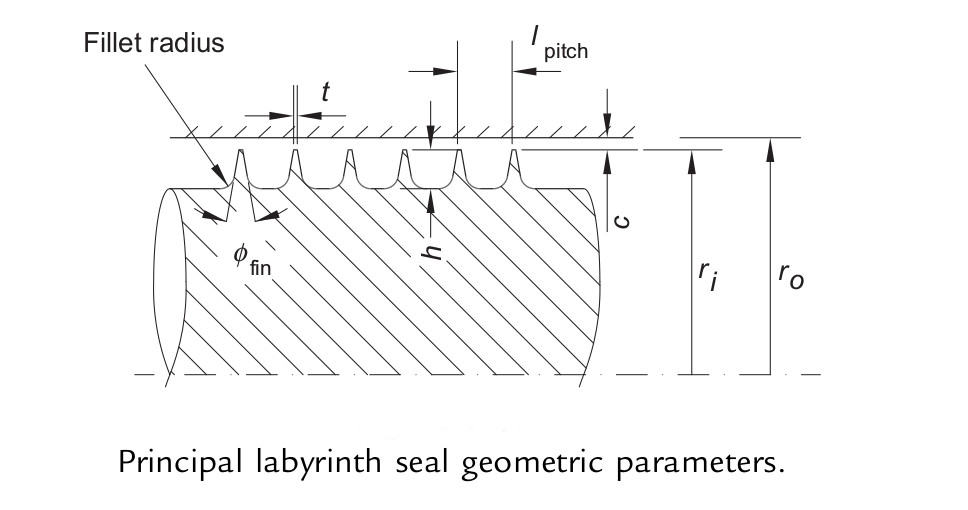
To calculate clearance for labyrinth seals, you need to consider the geometry of the seal and the rotating shaft. The clearance is typically measured between the seal teeth and the shaft, and it's critical to ensure that it's within the recommended range to prevent leakage and maintain efficiency. The calculation involves determining the radial clearance, which is the difference between the radius of the shaft and the radius of the seal teeth.
Understanding Labyrinth Seal Geometry
The geometry of the labyrinth seal is critical in calculating the clearance. The seal consists of a series of teeth and glands that create a tortuous path for the fluid to escape. The clearance is calculated based on the pitch and depth of the teeth, as well as the diameter of the shaft. To calculate the clearance, you need to consider the following factors:
- Shaft diameter: The diameter of the shaft is a critical factor in calculating the clearance.
- Teeth pitch: The pitch of the teeth affects the clearance and must be taken into account.
- Teeth depth: The depth of the teeth also affects the clearance and must be considered.
Calculating Radial Clearance
The radial clearance is calculated using the formula: radial clearance = (shaft diameter - seal diameter) / 2. The seal diameter is the diameter of the seal teeth, and the shaft diameter is the diameter of the rotating shaft. To calculate the radial clearance, you need to consider the following factors:
- Shaft diameter: The diameter of the shaft is a critical factor in calculating the radial clearance.
- Seal diameter: The diameter of the seal teeth is also a critical factor.
- Tolerance: The tolerance of the seal and shaft must be taken into account to ensure accurate calculation.
Effects of Clearance on Labyrinth Seal Performance
The clearance of the labyrinth seal has a significant impact on its performance. A small clearance can lead to high friction and heat generation, while a large clearance can lead to leakage and inefficiency. To optimize the performance of the labyrinth seal, you need to consider the following factors:
- Friction: The clearance affects the friction between the seal and the shaft.
- Heat generation: The clearance also affects the heat generation due to friction.
- Leakage: The clearance must be optimized to prevent leakage and maintain efficiency.
Design Considerations for Labyrinth Seals
When designing a labyrinth seal, you need to consider several factors, including the geometry of the seal, the material of construction, and the operating conditions. The design must take into account the clearance and tolerance of the seal and shaft to ensure optimal performance. To design a labyrinth seal, you need to consider the following factors:
- Geometry: The geometry of the seal is critical in determining the clearance and performance.
- Material: The material of construction affects the performance and durability of the seal.
- Operating conditions: The operating conditions, such as temperature and pressure, must be taken into account.
Best Practices for Maintaining Labyrinth Seals
To maintain the performance and efficiency of labyrinth seals, you need to follow best practices, including regular inspection and maintenance. The clearance of the seal must be checked regularly to ensure that it's within the recommended range. To maintain labyrinth seals, you need to consider the following factors:
- Inspection: Regular inspection is critical in detecting any issues with the seal.
- Maintenance: Regular maintenance, such as cleaning and lubrication, is essential.
- Replacement: The seal must be replaced if it's damaged or worn out to maintain optimal performance.
What is a straight through labyrinth seal?
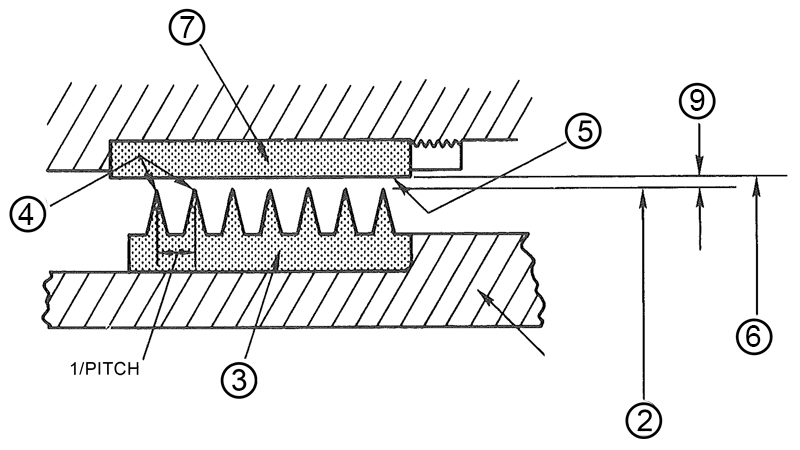
A straight through labyrinth seal is a type of seal used to prevent the escape of fluids, such as gases or liquids, from a system or container. It is designed to provide a high level of sealing performance and is commonly used in applications where high pressure and high temperature conditions are present.
Design and Construction
The design and construction of a straight through labyrinth seal is critical to its performance. The seal consists of a series of tightly spaced partitions that create a tortuous path for the fluid to follow, making it difficult for the fluid to escape. The partitions are typically made of a durable material, such as metal or ceramic, and are designed to withstand high pressure and high temperature conditions. Some key features of the design and construction of a straight through labyrinth seal include:
- Tightly spaced partitions to create a tortuous path for the fluid
- Durable materials to withstand high pressure and high temperature conditions
- Precise machining to ensure a smooth surface finish and accurate dimensions
Applications and Uses
Straight through labyrinth seals are used in a variety of applications, including aerospace, chemical processing, and power generation. They are particularly useful in situations where high pressure and high temperature conditions are present, and where high sealing performance is required. Some examples of applications and uses of straight through labyrinth seals include:
- Gas turbines to prevent the escape of hot gases
- Chemical reactors to prevent the escape of hazardous chemicals
- Pumps and compressors to prevent the escape of fluids and gases
Advantages and Benefits
Straight through labyrinth seals offer several advantages and benefits, including high sealing performance, low maintenance, and long service life. They are also easy to install and simple to operate, making them a popular choice for many applications. Some key advantages and benefits of straight through labyrinth seals include:
- High sealing performance to prevent the escape of fluids and gases
- Low maintenance requirements to reduce downtime and costs
- Long service life to reduce the need for replacement and repair
Challenges and Limitations
Despite their many advantages and benefits, straight through labyrinth seals also have some challenges and limitations. One of the main challenges is the complexity of the design, which can make them difficult to manufacture and expensive to produce. Additionally, the tightly spaced partitions can be prone to clogging if the fluid being sealed is viscous or contains particles. Some key challenges and limitations of straight through labyrinth seals include:
- Complex design that can make them difficult to manufacture
- High cost due to the complexity of the design and the materials used
- Prone to clogging if the fluid being sealed is viscous or contains particles
Future Developments and Trends
The development of straight through labyrinth seals is an ongoing process, with researchers and manufacturers continually working to improve their performance and expand their applications. Some potential future developments and trends include the use of new materials and advanced manufacturing techniques to improve the sealing performance and reduce the cost of straight through labyrinth seals. Some key future developments and trends include:
- Use of new materials such as nanomaterials and advanced composites
- Advanced manufacturing techniques such as 3D printing and laser machining
- Increased use of simulation and modeling to optimize the design and improve the performance of straight through labyrinth seals
What are the disadvantages of labyrinth seals?

The disadvantages of labyrinth seals include their complexity, high cost, and limited effectiveness in certain applications. Labyrinth seals are designed to provide a barrier between two environments, but they can be prone to leakage and failure if not properly maintained. One of the main disadvantages of labyrinth seals is their sensitivity to temperature and pressure fluctuations, which can cause them to malfunction.
Design Complexity
The design of labyrinth seals can be complex, requiring precise engineering and manufacturing techniques. This complexity can lead to higher costs and longer lead times for production. Some of the key challenges in designing labyrinth seals include:
- Ensuring proper sealing between the seal and the shaft or housing
- Minimizing friction and wear on the seal and surrounding components
- Providing adequate cooling and lubrication to the seal
High Maintenance Requirements
Labyrinth seals require regular maintenance to ensure they continue to function properly. This can include cleaning, inspecting, and replacing worn or damaged components. Some of the key maintenance tasks for labyrinth seals include:
- Inspecting the seal for signs of wear or damage
- Cleaning the seal and surrounding components to prevent contamination
- Lubricating the seal and surrounding components to reduce friction
Limited Effectiveness
Labyrinth seals may not be effective in all applications, particularly those involving high-pressure or high-temperature environments. In these cases, alternative sealing solutions may be required. Some of the limitations of labyrinth seals include:
- Limited pressure and temperature ranges
- Sensitivity to vibration and movement
- Potential for leakage or failure if not properly installed or maintained
Cost and Availability
Labyrinth seals can be expensive and may not be readily available for all applications. This can make them a less attractive option for some users. Some of the key cost and availability considerations for labyrinth seals include:
- High upfront costs for design, engineering, and manufacturing
- Limited availability of standardized or off-the-shelf solutions
- Long lead times for production and delivery
Alternatives and Future Developments
There are alternative sealing solutions available that may offer improved performance and reduced costs compared to labyrinth seals. Some of the key alternatives and future developments include:
- Advanced materials and coatings that provide improved sealing and durability
- New seal designs that offer simplified installation and reduced maintenance
- Integrated sealing systems that combine multiple sealing technologies for enhanced performance
How to check labyrinth seal clearance?
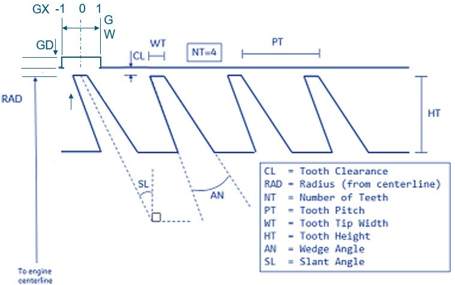
To check labyrinth seal clearance, it is essential to follow a series of steps to ensure accurate measurements. The process involves removing the labyrinth seal from the equipment and inspecting it for any damage or wear. The clearance between the seal and the shaft or housing is critical, as it can affect the performance and efficiency of the equipment. A micrometer or caliper can be used to measure the clearance, and it is essential to follow the manufacturer's guidelines for the recommended clearance.
Preparation for Measurement
To check the labyrinth seal clearance, preparation is key. The equipment must be shut down, and the labyrinth seal must be removed. The seal and the surrounding area must be cleaned to ensure accurate measurements. The following steps can be taken:
- Remove the labyrinth seal from the equipment, taking care not to damage the surrounding components.
- Clean the seal and the surrounding area to remove any debris or dirt.
- Inspect the seal for any damage or wear, and replace it if necessary.
Measuring the Clearance
Measuring the labyrinth seal clearance requires careful attention to detail. A micrometer or caliper can be used to measure the clearance, and it is essential to follow the manufacturer's guidelines for the recommended clearance. The measurement should be taken at multiple points to ensure accuracy. The following steps can be taken:
- Use a micrometer or caliper to measure the clearance between the seal and the shaft or housing.
- Take multiple measurements at different points to ensure accuracy.
- Record the measurements and compare them to the manufacturer's guidelines.
Interpreting the Results
Interpreting the results of the labyrinth seal clearance measurement is crucial. If the clearance is too large, it can lead to leakage and reduced efficiency. If the clearance is too small, it can lead to friction and increased wear. The following steps can be taken:
- Compare the measured clearance to the manufacturer's guidelines.
- Adjust the seal or the surrounding components to achieve the recommended clearance.
- Re-measure the clearance to ensure it is within the recommended range.
Common Issues with Labyrinth Seals
Labyrinth seals can be prone to certain issues, such as wear and tear, which can affect the clearance. The seal can also be damaged by corrosion or erosion, which can lead to leakage. The following steps can be taken:
- Inspect the seal for any signs of wear or tear.
- Check for any corrosion or erosion on the seal or surrounding components.
- Replace the seal or the surrounding components if necessary.
Maintenance and Replacement
Regular maintenance and replacement of the labyrinth seal is essential to ensure optimal performance and efficiency. The seal should be inspected regularly for any signs of wear or damage, and replaced if necessary. The following steps can be taken:
- Inspect the seal regularly for any signs of wear or damage.
- Replace the seal if it is damaged or worn.
- Follow the manufacturer's guidelines for maintenance and replacement schedules.
Frequently Asked Questions (FAQs)
What is the Straight Labyrinth Seal Flow Equation and how does it work?
The Straight Labyrinth Seal Flow Equation is a mathematical model used to calculate the flow rate of fluids through a labyrinth seal. A labyrinth seal is a type of sealing device that uses a series of interconnected passages to create a tortuous path for the fluid to follow, thereby reducing the leakage rate. The equation takes into account various parameters such as the seal geometry, fluid properties, and operating conditions to predict the flow rate and pressure drop across the seal. The Straight Labyrinth Seal Flow Equation is commonly used in the design and analysis of turbomachinery, pumps, and other fluid-handling equipment where sealing is a critical aspect of performance and reliability.
How is the Straight Labyrinth Seal Flow Equation used in calculator tools?
The Straight Labyrinth Seal Flow Equation is often implemented in calculator tools and software programs to provide a user-friendly interface for engineers and designers to quickly and easily calculate the flow rate and other relevant parameters for a given labyrinth seal design. These calculator tools typically require the user to input various input parameters such as the seal geometry, fluid properties, and operating conditions, and then use the Straight Labyrinth Seal Flow Equation to calculate the flow rate and other output parameters. The calculator tools can also be used to optimize the labyrinth seal design by iterating on different design variables and evaluating the resulting performance metrics. By using a calculator tool, engineers and designers can save time and reduce errors associated with manual calculations, and instead focus on high-level design decisions and optimization strategies.
What are the limitations and assumptions of the Straight Labyrinth Seal Flow Equation?
The Straight Labyrinth Seal Flow Equation is a simplified model that assumes a steady-state flow and isothermal conditions. It also assumes that the fluid is incompressible and that the seal geometry is symmetric and uniform. In reality, the flow through a labyrinth seal can be complex and turbulent, and the equation may not capture all the non-linear effects and interactions that occur in the seal. Additionally, the equation is typically validated for a specific range of operating conditions and seal geometries, and may not be applicable to all possible scenarios. Therefore, engineers and designers should be aware of the limitations and assumptions of the Straight Labyrinth Seal Flow Equation and use it in conjunction with other analysis tools and validation methods to ensure the accuracy and reliability of their designs.
How can the Straight Labyrinth Seal Flow Equation be applied in real-world engineering applications?
The Straight Labyrinth Seal Flow Equation has a wide range of real-world applications in the design and analysis of turbomachinery, pumps, and other fluid-handling equipment. For example, it can be used to optimize the design of labyrinth seals in gas turbines and compressors to minimize leakage rates and maximize efficiency. It can also be used to design and analyze sealing systems for pumps and other fluid-handling equipment to ensure reliable operation and long service life. Additionally, the equation can be used to investigate and mitigate seal-related problems such as leakage, vibration, and cavitation. By applying the Straight Labyrinth Seal Flow Equation in real-world engineering applications, engineers and designers can improve the performance, reliability, and efficiency of their designs, and reduce the cost and environmental impact of their products.
Deja una respuesta
Entradas Relacionadas