
Spans Units Conversion Calculator

The Spans Units Conversion Calculator is a valuable tool designed to simplify the process of converting between various units of measurement. Whether you are working with length, width, or height, this calculator provides an efficient way to switch between different units, such as inches, feet, yards, and meters. With its user-friendly interface and accurate calculations, the Spans Units Conversion Calculator is an essential resource for architects, engineers, and contractors, as well as anyone who needs to convert units quickly and easily. It saves time and reduces errors in measurement conversions. It is a reliable calculation companion.
Understanding the Spans Units Conversion Calculator
The Spans Units Conversion Calculator is a valuable tool designed to simplify the process of converting between different units of measurement, particularly in the context of length, area, and volume. This calculator is essential in various fields, including architecture, engineering, and construction, where accurate conversions are crucial for project success. By utilizing the Spans Units Conversion Calculator, users can efficiently convert between units such as feet, inches, yards, and meters, ensuring that their calculations are precise and reliable.
Benefits of Using the Spans Units Conversion Calculator
The primary advantage of the Spans Units Conversion Calculator is its ability to perform accurate and efficient conversions between different units. This calculator eliminates the need for manual calculations, which can be time-consuming and prone to errors. By using the Spans Units Conversion Calculator, users can save time and reduce the risk of errors, allowing them to focus on other aspects of their project. Additionally, the calculator is user-friendly and intuitive, making it accessible to users with varying levels of experience.
Key Features of the Spans Units Conversion Calculator
The Spans Units Conversion Calculator boasts several key features that make it an indispensable tool for professionals and individuals alike. Some of these features include:
| Feature | Description |
|---|---|
| Unit Conversion | Converts between different units of measurement, including length, area, and volume |
| Calculation History | Stores a record of previous calculations, allowing users to reference and build upon previous work |
| Customizable Units | Permits users to add and customize units to suit their specific needs and preferences |
Applications of the Spans Units Conversion Calculator
The Spans Units Conversion Calculator has a wide range of applications across various industries, including:
| Industry | Application |
|---|---|
| Architecture | Designing and planning buildings, bridges, and other structures |
| Engineering | Calculating stress, strain, and load capacities for various materials and structures |
| Construction | Estimating materials, labor, and equipment requirements for construction projects |
Advantages of Online Spans Units Conversion Calculators
Online Spans Units Conversion Calculators offer several advantages over traditional calculators, including convenience, accessibility, and cost-effectiveness. These online tools can be accessed from anywhere with an internet connection, eliminating the need for physical calculators or software installations. Additionally, online calculators often provide real-time updates and automatic conversions, ensuring that users have the most accurate and up-to-date information available.
Best Practices for Using the Spans Units Conversion Calculator
To get the most out of the Spans Units Conversion Calculator, users should follow best practices such as:
Always double-checking calculations for accuracy
Using consistent units throughout calculations
Documenting calculations and results for future reference
Regularly updating the calculator with new units and features
By following these best practices, users can ensure that they are making the most of the Spans Units Conversion Calculator and achieving precise and reliable results.
How do you calculate conversion units?
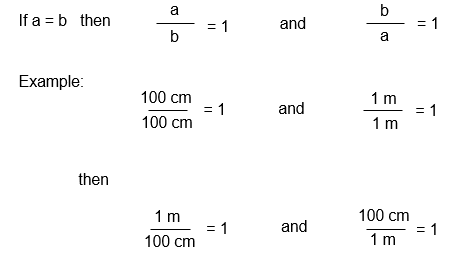
To calculate conversion units, you need to understand the relationship between different units of measurement. This involves multiplication or division by a conversion factor, which is a numerical value that represents the ratio of one unit to another. For example, to convert length from meters to feet, you can use the conversion factor of 1 meter = 3.2808 feet.
Understanding Conversion Factors
To calculate conversion units, it's essential to understand the concept of conversion factors. A conversion factor is a ratio of two units that are equivalent to each other. For instance, 1 inch is equal to 2.54 centimeters. You can use this conversion factor to convert length from inches to centimeters or vice versa. Here are the steps to apply conversion factors:
- Identify the conversion factor between the two units.
- Determine whether to multiply or divide by the conversion factor.
- Apply the conversion factor to the given values.
Calculating Conversion Units for Length
When converting length units, it's crucial to understand the relationship between different units, such as meters, feet, inches, and centimeters. To convert length from one unit to another, you can use the following conversion factors: 1 meter = 100 centimeters, 1 foot = 12 inches, and 1 inch = 2.54 centimeters. Here are the steps to calculate conversion units for length:
- Identify the given length unit and the desired unit.
- Choose the correct conversion factor between the two units.
- Apply the conversion factor to the given length value.
Converting Units for Mass and Weight
Converting mass and weight units involves understanding the relationship between grams, kilograms, pounds, and ounces. To convert mass or weight from one unit to another, you can use the following conversion factors: 1 kilogram = 1000 grams, 1 pound = 16 ounces, and 1 kilogram = 2.20462 pounds. Here are the steps to calculate conversion units for mass and weight:
- Identify the given mass or weight unit and the desired unit.
- Choose the correct conversion factor between the two units.
- Apply the conversion factor to the given mass or weight value.
Calculating Conversion Units for Time
Converting time units involves understanding the relationship between seconds, minutes, hours, and days. To convert time from one unit to another, you can use the following conversion factors: 1 minute = 60 seconds, 1 hour = 60 minutes, and 1 day = 24 hours. Here are the steps to calculate conversion units for time:
- Identify the given time unit and the desired unit.
- Choose the correct conversion factor between the two units.
- Apply the conversion factor to the given time value.
Understanding the Importance of Conversion Units in Real-World Applications
Conversion units are essential in various real-world applications, such as science, engineering, medicine, and trade. In science, conversion units are used to express physical quantities, such as length, mass, and time, in a standardized way. In engineering, conversion units are used to design and build structures, machines, and electrical systems. Here are some examples of the importance of conversion units:
- Scientific research relies heavily on conversion units to express data and results.
- Engineers use conversion units to design and build safe and efficient systems.
- International trade requires conversion units to facilitate commerce and communication.
What is the standard formula for unit conversion?
The standard formula for unit conversion is based on the conversion factor, which is a ratio of two units that are equivalent to each other. This formula can be expressed as: new unit = (original value) x (conversion factor). The conversion factor is typically a fraction with the old unit in the denominator and the new unit in the numerator.
Understanding Conversion Factors
To apply the standard formula for unit conversion, it's essential to understand conversion factors. A conversion factor is a ratio of two units that represents the relationship between them. For example, if you want to convert meters to feet, you can use the conversion factor 1 meter = 3.2808 feet. The formula would be: feet = (meters) x (3.2808 feet/1 meter). This can be broken down into steps:
- Identify the original unit and the new unit.
- Find the conversion factor that relates the two units.
- Apply the conversion factor to the original value to get the new value.
Applying the Formula to Different Units
The standard formula for unit conversion can be applied to various units, including length, mass, volume, and time. For instance, to convert kilograms to pounds, you would use the conversion factor 1 kilogram = 2.20462 pounds. The formula would be: pounds = (kilograms) x (2.20462 pounds/1 kilogram). This formula is widely used in science, engineering, and daily life. The steps to apply the formula are:
- Choose the correct conversion factor for the units involved.
- Plug the original value into the formula.
- Perform the calculation to get the new value.
Using Conversion Factors for Complex Conversions
In some cases, multiple conversion factors are needed to convert between units. For example, to convert kilometers per hour to miles per second, you would need to use two conversion factors: 1 kilometer = 0.621371 miles and 1 hour = 3600 seconds. The formula would be: miles/second = (kilometers/hour) x (0.621371 miles/1 kilometer) x (1 hour/3600 seconds). This can be simplified into steps:
- Break down the conversion into smaller steps.
- Apply each conversion factor in sequence.
- Simplify the expression to get the final answer.
Common Mistakes in Unit Conversion
When using the standard formula for unit conversion, it's essential to avoid common mistakes, such as inconsistent units or incorrect conversion factors. For instance, if you're converting centimeters to inches, make sure to use the correct conversion factor: 1 inch = 2.54 centimeters. The formula would be: inches = (centimeters) x (1 inch/2.54 centimeters). This can be avoided by:
- Double-checking the units involved.
- Verifying the conversion factor.
- Performing the calculation carefully.
Real-World Applications of Unit Conversion
The standard formula for unit conversion has numerous real-world applications, including international trade, scientific research, and engineering design. For example, in aviation, unit conversion is crucial for calculating fuel efficiency, flight times, and navigation distances. The formula is used to convert between metric and imperial units, such as kilometers to miles or liters to gallons. This can be broken down into steps:
- Identifying the units involved in the problem.
- Applying the correct conversion factor.
- Performing the calculation to get the desired result.
Frequently Asked Questions (FAQs)
What is the purpose of the Spans Units Conversion Calculator?
The Spans Units Conversion Calculator is a tool designed to facilitate the conversion of different units of measurement, particularly in the context of engineering and architecture. This calculator is useful for professionals and individuals who need to convert between various units of measurement, such as length, area, volume, and weight. The calculator provides a straightforward and efficient way to perform these conversions, saving time and reducing the risk of errors. With the Spans Units Conversion Calculator, users can easily convert between different units, including metric and imperial systems, and perform calculations with precision and accuracy.
How does the Spans Units Conversion Calculator work?
The Spans Units Conversion Calculator works by using a database of predefined conversion factors to convert between different units of measurement. The calculator is designed to be user-friendly, allowing users to select the units they want to convert from and to, and then enter the value they want to convert. The calculator then performs the conversion using the predefined conversion factors and displays the result. The calculator also includes advanced features, such as the ability to perform multiple conversions at once and to save frequently used conversions for later use. Additionally, the calculator includes a help section that provides instructions and examples of how to use the calculator, making it easy for users to get started and perform conversions with confidence.
What are the benefits of using the Spans Units Conversion Calculator?
The Spans Units Conversion Calculator offers several benefits to users, including convenience, accuracy, and efficiency. By using the calculator, users can quickly and easily convert between different units of measurement, without having to manually look up conversion factors or perform complex calculations. The calculator also reduces the risk of errors, which can be costly and time-consuming to correct. Additionally, the calculator is accessible from anywhere with an internet connection, making it a valuable tool for professionals and individuals who need to perform conversions on the go. The calculator also includes features such as history and favorites, which allow users to track their conversions and save frequently used conversions for later use, making it a powerful tool for anyone who needs to perform conversions regularly.
Can the Spans Units Conversion Calculator be used for complex conversions?
Yes, the Spans Units Conversion Calculator can be used for complex conversions, including conversions that involve multiple units and advanced calculations. The calculator includes a range of functions and features that allow users to perform sophisticated conversions, including the ability to convert between different systems of measurement, such as metric and imperial. The calculator also includes support for custom units and conversions, allowing users to define their own units and conversion factors. Additionally, the calculator includes a library of predefined conversions, which can be used as a starting point for more complex conversions. The calculator's advanced features and flexibility make it a valuable tool for anyone who needs to perform complex conversions, including engineers, architects, and scientists.
Deja una respuesta
Entradas Relacionadas