
Single-Pane Window Heat Loss Equation and Calculator

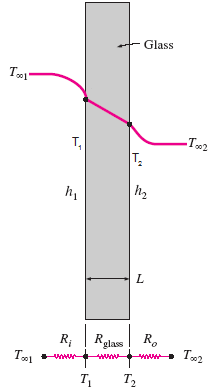
Heat loss through single-pane windows is a significant concern for buildings, as it can lead to increased energy consumption and higher heating costs. The Single-Pane Window Heat Loss Equation is a mathematical formula used to calculate the amount of heat transferred through a single-pane window. This equation takes into account factors such as temperature difference, window size, and thermal conductivity. By using the equation and a calculator, building owners and designers can estimate heat loss and make informed decisions about window upgrades or replacements to improve energy efficiency. This can help reduce energy consumption and costs.
- Understanding Single-Pane Window Heat Loss Equation and Calculator
- How much heat is lost through single pane windows?
- How do you calculate heat loss through a window?
- What is the thermal conductivity of a single pane window?
- What is the BTU formula for heat loss?
-
Frequently Asked Questions (FAQs)
- What is the Single-Pane Window Heat Loss Equation and how does it work?
- How is the Single-Pane Window Heat Loss Equation used in building design and construction?
- What are the limitations and assumptions of the Single-Pane Window Heat Loss Equation?
- How can the Single-Pane Window Heat Loss Calculator be used to reduce energy consumption and costs?
Understanding Single-Pane Window Heat Loss Equation and Calculator
The single-pane window heat loss equation and calculator is a tool used to determine the amount of heat lost through a single-pane window. This equation takes into account various factors such as the window's size, orientation, and climate. The calculator is essential in energy efficiency and building design, as it helps architects and engineers to design windows that minimize heat loss and reduce energy consumption.
Introduction to Single-Pane Window Heat Loss
Single-pane windows are known to be poor insulators, allowing heat to escape easily. The heat loss equation for single-pane windows is based on the conduction and convection of heat through the window. The equation considers the window's U-factor, which is a measure of its ability to conduct heat. A lower U-factor indicates a more energy-efficient window.
Factors Affecting Single-Pane Window Heat Loss
Several factors affect the heat loss through a single-pane window, including:
- Window size: Larger windows tend to lose more heat.
- Window orientation: Windows facing north tend to lose less heat than those facing south.
- Climate: Colder climates result in more heat loss.
- Window frame material: Different materials have varying thermal conductivity.
Single-Pane Window Heat Loss Equation
The heat loss equation for single-pane windows is given by:
Q = U A ΔT
Where:
- Q is the heat loss
- U is the window's U-factor
- A is the window's area
- ΔT is the temperature difference between inside and outside
Using a Single-Pane Window Heat Loss Calculator
A single-pane window heat loss calculator is a useful tool for determining the amount of heat lost through a window. The calculator typically requires input of the window's size, orientation, and climate, as well as the desired indoor temperature. The calculator then outputs the estimated heat loss, allowing users to compare different window designs and optimize energy efficiency.
Applications of Single-Pane Window Heat Loss Calculator
The single-pane window heat loss calculator has various applications, including:
| Application | Description |
|---|---|
| Building design | Optimizing window design for energy efficiency |
| Energy auditing | Identifying areas of heat loss in existing buildings |
| Window replacement | Comparing the energy efficiency of different window types |
| Energy efficiency retrofits | Upgrading existing windows to reduce heat loss |
| Research and development | Investigating new window materials and designs |
The calculator is an essential tool for anyone looking to reduce energy consumption and improve building performance. By understanding the factors that affect heat loss and using a single-pane window heat loss calculator, individuals can make informed decisions about window design and energy efficiency. Single-pane windows can be a significant source of heat loss, but with the right tools and knowledge, it is possible to minimize this loss and create more energy-efficient buildings. The single-pane window heat loss equation and calculator is a valuable resource for achieving this goal.
How much heat is lost through single pane windows?
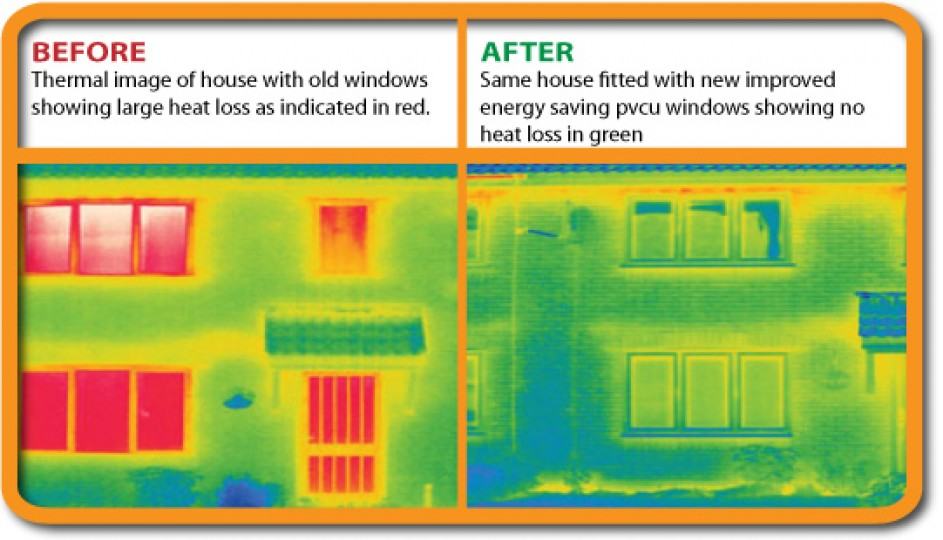
The amount of heat lost through single pane windows can be significant, especially in colder climates. According to the U.S. Department of Energy, single pane windows can account for up to 30% of a home's total heat loss. This is because single pane windows provide little insulation, allowing warm air to escape and cold air to enter.
Factors Affecting Heat Loss Through Single Pane Windows
The amount of heat lost through single pane windows depends on several factors, including the window size, window orientation, and climate. For example, larger windows will typically lose more heat than smaller ones, while windows facing north will lose more heat than those facing south. Additionally, homes in colder climates will experience more heat loss than those in warmer climates. Some key factors to consider include:
- Window size and orientation
- Climate and temperature differences
- Air leakage and drafts around the window
Comparison to Double Pane Windows
Double pane windows are significantly more energy efficient than single pane windows, with some studies suggesting that they can reduce heat loss by up to 50%. This is because double pane windows have a gap between the two panes, which provides additional insulation and reduces heat transfer. In contrast, single pane windows have only a single layer of glass, which provides little insulation. Some key benefits of double pane windows include:
- Improved energy efficiency and reduced heat loss
- Increased comfort and reduced drafts
- Reduced noise pollution and outside noise
Effects of Heat Loss on Energy Bills
The heat loss through single pane windows can have a significant impact on energy bills, especially during the winter months. According to the U.S. Department of Energy, homes with single pane windows can experience energy bills that are up to 30% higher than those with double pane windows. This is because the heating system must work harder to compensate for the heat loss, resulting in increased energy consumption. Some key effects of heat loss on energy bills include:
- Increased energy consumption and energy bills
- Reduced energy efficiency and savings
- Increased wear and tear on heating systems
Solutions to Reduce Heat Loss Through Single Pane Windows
There are several solutions to reduce heat loss through single pane windows, short of replacing them with double pane windows. These include applying window film, installing storm windows, and using window treatments such as curtains and blinds. Additionally, sealing air leaks and drafts around the window can also help to reduce heat loss. Some key solutions to consider include:
- Applying window film to reduce heat transfer
- Installing storm windows to provide additional insulation
- Using window treatments to reduce heat loss and drafts
Benefits of Upgrading to Double Pane Windows
Upgrading to double pane windows can have numerous benefits, including reduced heat loss, improved energy efficiency, and increased comfort. Additionally, double pane windows can also reduce noise pollution and outside noise, and provide increased security and safety. Some key benefits of upgrading to double pane windows include:
- Reduced heat loss and improved energy efficiency
- Increased comfort and reduced drafts
- Reduced noise pollution and outside noise
How do you calculate heat loss through a window?

To calculate heat loss through a window, you need to consider several factors, including the window's U-factor, solar heat gain coefficient, and air leakage. The U-factor measures the window's ability to conduct heat, with lower values indicating better insulation. You can use online calculators or consult with a professional to determine the U-factor of your window. Additionally, you need to consider the temperature difference between the inside and outside of the window, as well as the window's size and orientation.
Understanding Window U-Factor
The U-factor is a crucial parameter in calculating heat loss through a window. It measures the rate of heat transfer through the window, with lower values indicating better insulation. To understand the U-factor, you need to consider the following factors:
- The type of glass used in the window, with low-e glass being more energy-efficient than regular glass.
- The frame material, with vinyl and fiberglass frames being more energy-efficient than wood and aluminum frames.
- The gas fill, with argon and krypton gases being more effective at reducing heat transfer than air.
Calculating Solar Heat Gain
Solar heat gain is another important factor to consider when calculating heat loss through a window. This refers to the amount of heat that enters the building through the window due to solar radiation. To calculate solar heat gain, you need to consider the following factors:
- The window's orientation, with south-facing windows receiving more solar radiation than north-facing windows.
- The window's size, with larger windows allowing more solar radiation to enter the building.
- The shading provided by overhangs and awnings, which can reduce solar heat gain.
Measuring Air Leakage
Air leakage is a significant contributor to heat loss through windows. To measure air leakage, you can use a blower door test or a smoke pencil test. These tests can help you identify gaps and cracks in the window frame and seal them to reduce heat loss. You should also consider the following factors:
- The window's seal, with weatherstripping and caulking being effective at reducing air leakage.
- The frame's material, with vinyl and fiberglass frames being more airtight than wood and aluminum frames.
- The installation of the window, with proper flashing and sealing being crucial to preventing air leakage.
Using Online Calculators
There are several online calculators available that can help you calculate heat loss through a window. These calculators typically require input of the window's U-factor, solar heat gain coefficient, and air leakage rate, as well as the temperature difference between the inside and outside of the window. You should consider the following factors when using online calculators:
- The accuracy of the calculator, with some calculators being more sophisticated than others.
- The input values, with accurate input values being necessary to obtain a reliable calculation.
- The units used by the calculator, with some calculators using metric units and others using imperial units.
Consulting with a Professional
If you are unsure about how to calculate heat loss through a window, it is recommended that you consult with a professional. A professional can assess your window and provide a detailed calculation of heat loss, taking into account all the relevant factors, including the window's U-factor, solar heat gain coefficient, and air leakage rate. You should consider the following factors when consulting with a professional:
- The professional's experience, with more experienced professionals being better equipped to provide accurate calculations.
- The professional's qualifications, with professionals holding degrees in engineering or architecture being more knowledgeable about window heat loss.
- The professional's equipment, with professionals using specialized equipment to measure air leakage and heat transfer being more accurate in their calculations.
What is the thermal conductivity of a single pane window?
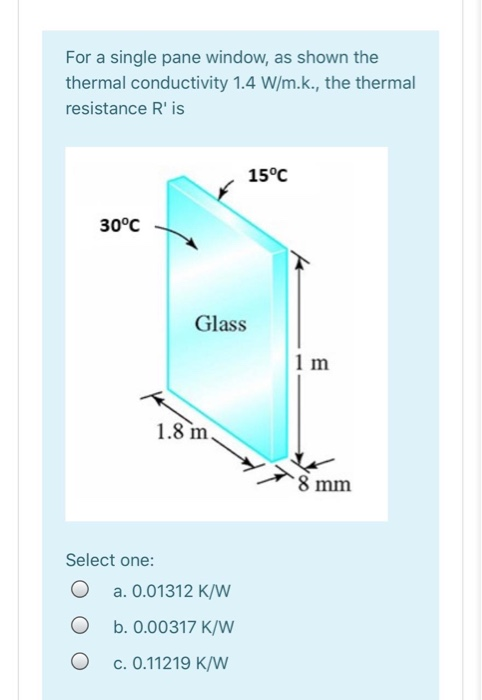
The thermal conductivity of a single pane window is a measure of how easily heat can pass through the glass. The thermal conductivity of a single pane window is typically around 0.96-1.05 W/m-K, which is relatively high compared to other building materials. This means that single pane windows can lose a significant amount of heat during the winter months, and gain heat during the summer months, which can lead to increased energy consumption and costs.
Factors Affecting Thermal Conductivity
The thermal conductivity of a single pane window can be affected by several factors, including the type of glass used, the thickness of the glass, and the frame material. The type of glass used can significantly impact the thermal conductivity, with low-iron glass having a lower thermal conductivity than regular glass. Additionally, the thickness of the glass can also affect the thermal conductivity, with thicker glass having a lower thermal conductivity than thinner glass. Other factors that can affect the thermal conductivity include the frame material, with wooden frames having a lower thermal conductivity than metal frames.
- The type of glass used can affect the thermal conductivity, with low-iron glass having a lower thermal conductivity than regular glass.
- The thickness of the glass can also affect the thermal conductivity, with thicker glass having a lower thermal conductivity than thinner glass.
- The frame material can also impact the thermal conductivity, with wooden frames having a lower thermal conductivity than metal frames.
Comparison to Other Window Types
The thermal conductivity of a single pane window is generally higher than that of other types of windows, such as double pane windows or triple pane windows. Double pane windows have a thermal conductivity of around 0.2-0.3 W/m-K, while triple pane windows have a thermal conductivity of around 0.1-0.2 W/m-K. This is because double and triple pane windows have gas-filled gaps between the panes, which reduce the thermal conductivity.
- Double pane windows have a thermal conductivity of around 0.2-0.3 W/m-K.
- Triple pane windows have a thermal conductivity of around 0.1-0.2 W/m-K.
- The gas-filled gaps between the panes of double and triple pane windows reduce the thermal conductivity.
Impact on Energy Efficiency
The high thermal conductivity of single pane windows can have a significant impact on energy efficiency. During the winter months, single pane windows can lose a significant amount of heat, which can lead to increased heating costs. During the summer months, single pane windows can gain heat, which can lead to increased cooling costs. Replacing single pane windows with more energy-efficient windows, such as double or triple pane windows, can help to reduce energy consumption and costs.
- Single pane windows can lose a significant amount of heat during the winter months, leading to increased heating costs.
- Single pane windows can gain heat during the summer months, leading to increased cooling costs.
- Replacing single pane windows with more energy-efficient windows can help to reduce energy consumption and costs.
Upgrading Single Pane Windows
There are several ways to upgrade single pane windows to improve their thermal conductivity. One option is to replace the single pane window with a double pane window or triple pane window. Another option is to add a window film or window coating to the single pane window, which can help to reduce heat transfer. Additionally, storm windows can be installed over the single pane window to provide an additional layer of insulation.
- Replacing the single pane window with a double pane window or triple pane window can improve thermal conductivity.
- Adding a window film or window coating to the single pane window can help to reduce heat transfer.
- Installing storm windows over the single pane window can provide an additional layer of insulation.
Benefits of Low Thermal Conductivity
The benefits of low thermal conductivity in windows include reduced energy consumption, lower energy costs, and improved comfort. Windows with low thermal conductivity can help to reduce heat loss during the winter months and heat gain during the summer months, which can lead to a more comfortable indoor environment. Additionally, low thermal conductivity windows can help to reduce the carbon footprint of a building, which can contribute to a more sustainable future.
- Low thermal conductivity windows can help to reduce energy consumption and lower energy costs.
- Low thermal conductivity windows can improve comfort by reducing heat loss and heat gain.
- Low thermal conductivity windows can help to reduce the carbon footprint of a building and contribute to a more sustainable future.
What is the BTU formula for heat loss?
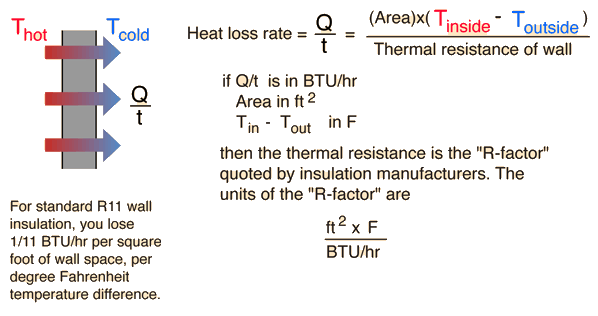
The BTU formula for heat loss is a calculation used to determine the amount of heat that is lost through a building's envelope, including walls, windows, doors, and roof. This calculation is typically used to size heating and cooling systems, and to determine the overall energy efficiency of a building. The formula takes into account factors such as the surface area of the building, the thermal resistance of the building materials, and the temperature difference between the inside and outside of the building.
Understanding the BTU Formula
The BTU formula for heat loss is a complex calculation that involves several variables, including the surface area of the building, the thermal conductivity of the building materials, and the temperature difference between the inside and outside of the building. To calculate the heat loss, you need to know the following factors:
- The surface area of the building, including walls, windows, doors, and roof
- The thermal resistance of the building materials, including the R-value of insulation and the U-factor of windows
- The temperature difference between the inside and outside of the building, including the indoor temperature and the outdoor temperature
Calculating Heat Loss through Walls
Calculating heat loss through walls is a critical part of the BTU formula. This involves determining the thermal conductivity of the wall materials, including the R-value of insulation, and the surface area of the wall. To calculate the heat loss through walls, you need to know the following factors:
- The surface area of the wall, including the length and height
- The thermal conductivity of the wall materials, including the R-value of insulation
- The temperature difference between the inside and outside of the building, including the indoor temperature and the outdoor temperature
Calculating Heat Loss through Windows
Calculating heat loss through windows is also an important part of the BTU formula. This involves determining the U-factor of the windows, which is a measure of the window's ability to conduct heat. To calculate the heat loss through windows, you need to know the following factors:
- The surface area of the window, including the length and width
- The U-factor of the window, which is a measure of the window's ability to conduct heat
- The temperature difference between the inside and outside of the building, including the indoor temperature and the outdoor temperature
Factors Affecting Heat Loss
There are several factors that can affect heat loss, including the orientation of the building, the climate of the location, and the building design. For example, a building that is oriented towards the south will receive more solar radiation than a building that is oriented towards the north. To minimize heat loss, it is essential to consider these factors when designing and building a structure. Some of the key factors that can affect heat loss include:
- The orientation of the building, including the direction of the sun and the wind
- The climate of the location, including the temperature and humidity
- The building design, including the insulation and window placement
Improving Energy Efficiency
Improving energy efficiency is essential for reducing heat loss and minimizing the carbon footprint of a building. This can be achieved by using high-performance insulation, energy-efficient windows, and renewable energy sources. To improve energy efficiency, it is essential to consider the following factors:
- The use of high-performance insulation to reduce heat loss through walls and ceilings
- The installation of energy-efficient windows to reduce heat loss through windows
- The use of renewable energy sources, such as solar power and wind power, to reduce dependence on fossil fuels
Frequently Asked Questions (FAQs)
What is the Single-Pane Window Heat Loss Equation and how does it work?
The Single-Pane Window Heat Loss Equation is a mathematical formula used to calculate the amount of heat energy lost through a single-pane window. This equation takes into account various factors such as the temperature difference between the inside and outside of the window, the window size, and the thermal conductivity of the window material. The equation is based on the principle of convection and conduction, which are the two main mechanisms of heat transfer through a window. By using this equation, architects, engineers, and builders can estimate the amount of heat energy lost through a single-pane window and design more energy-efficient buildings. The equation is also useful for evaluating the performance of different window materials and designs, such as double-pane or triple-pane windows, which can provide better insulation and reduce heat loss.
How is the Single-Pane Window Heat Loss Equation used in building design and construction?
The Single-Pane Window Heat Loss Equation is a valuable tool in building design and construction, as it helps architects and engineers to optimize the design of windows and minimize heat loss. By using this equation, designers can simulate different scenarios and evaluate the impact of various factors, such as window orientation, window size, and window material, on the overall energy efficiency of a building. This information can be used to make informed decisions about window selection, insulation, and heating and cooling systems, which can significantly impact the energy consumption and cost of a building. Additionally, the equation can be used to compare the performance of different window types and materials, such as low-e coatings or gas-filled windows, which can provide better thermal insulation and reduce heat transfer.
What are the limitations and assumptions of the Single-Pane Window Heat Loss Equation?
The Single-Pane Window Heat Loss Equation is a simplified model that makes several assumptions and has some limitations. One of the main assumptions is that the window is a single-pane window, which means that it only has one layer of glazing. This assumption can lead to inaccuracies if the window has multiple panes or if the panes are not identical. Another limitation is that the equation does not take into account other factors that can affect heat loss, such as air infiltration, radiation, and convection currents. Additionally, the equation assumes that the temperature difference between the inside and outside of the window is constant, which may not always be the case. Despite these limitations, the Single-Pane Window Heat Loss Equation is still a useful tool for estimating heat loss and energy efficiency in building design and construction, as long as the assumptions and limitations are taken into account.
How can the Single-Pane Window Heat Loss Calculator be used to reduce energy consumption and costs?
The Single-Pane Window Heat Loss Calculator is a practical tool that can be used to evaluate the energy efficiency of single-pane windows and identify opportunities for energy savings. By using this calculator, building owners and managers can estimate the amount of heat energy lost through single-pane windows and compare the results with other window types and materials. This information can be used to make informed decisions about window replacement or upgrades, such as installing double-pane or triple-pane windows, which can provide better insulation and reduce heat loss. Additionally, the calculator can be used to evaluate the cost-effectiveness of energy-efficient window treatments, such as low-e coatings or window films, which can help to reduce heat transfer and minimize energy consumption. By using the Single-Pane Window Heat Loss Calculator, building owners and managers can optimize their window systems and reduce energy costs, which can lead to significant savings over time.
Deja una respuesta
Entradas Relacionadas