
Lifting Boom, Davits Application and Design Equations and Calculator

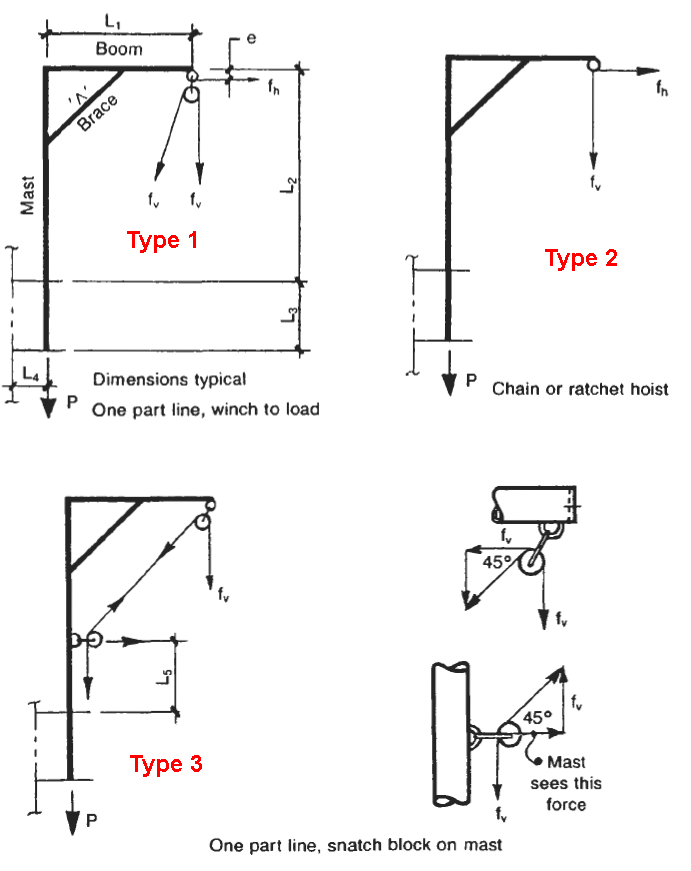
The application of lifting booms and davits is crucial in various industries, including maritime, construction, and offshore operations. These devices enable the safe and efficient lifting of heavy loads, personnel, and equipment. The design and calculation of lifting booms and davits involve complex equations and considerations, such as load weight, radius, and boom angle. This article provides an overview of the design equations and calculator used to determine the optimal specification and configuration of lifting booms and davits, ensuring safe and reliable operation. Proper design is essential to prevent accidents and ensure successful lifting operations.
- Lifting Boom, Davits Application and Design Equations and Calculator
- Understanding the Fundamentals of Lifting Boom and Davits Design
-
Frequently Asked Questions (FAQs)
- What are the key considerations for designing and applying lifting boom and davits in various industries?
- How do design equations and calculations impact the application and performance of lifting boom and davits?
- What role do safety factors play in the design and application of lifting boom and davits?
- How can a lifting boom and davits calculator be used to streamline the design and application process?
Lifting Boom, Davits Application and Design Equations and Calculator
The Lifting Boom and Davits are crucial components in various industries, including construction, shipping, and offshore operations. The Lifting Boom is a type of crane or hoist that is used to lift and move heavy loads, while Davits are used to lift and lower loads, particularly in marine environments. The Design Equations and Calculator are essential tools used to ensure the safe and efficient operation of these systems.
Introduction to Lifting Boom and Davits
The Lifting Boom and Davits are designed to provide a safe and efficient means of lifting and moving heavy loads. The Lifting Boom is typically used in construction and industrial settings, while Davits are commonly used in marine environments, such as on ships and offshore platforms. The Design Equations and Calculator are used to determine the load capacity, boom length, and davit size required for a specific application.
Design Equations for Lifting Boom and Davits
The Design Equations for Lifting Boom and Davits take into account various factors, including the load weight, boom length, and davit size. The equations are used to determine the stress and strain on the boom and davit, as well as the load capacity and safety factor. The Calculator is used to simplify the calculation process and provide accurate results.
Calculator for Lifting Boom and Davits
The Calculator for Lifting Boom and Davits is a software tool that is used to calculate the load capacity, boom length, and davit size required for a specific application. The Calculator takes into account various factors, including the load weight, boom length, and davit size, and provides accurate results based on the Design Equations.
Application of Lifting Boom and Davits
The Lifting Boom and Davits have a wide range of applications, including construction, shipping, and offshore operations. The Lifting Boom is used to lift and move heavy loads, such as building materials and equipment, while Davits are used to lift and lower loads, particularly in marine environments. The Design Equations and Calculator are essential tools used to ensure the safe and efficient operation of these systems.
Safety Considerations for Lifting Boom and Davits
The Safety Considerations for Lifting Boom and Davits are critical to ensuring the safe and efficient operation of these systems. The Design Equations and Calculator are used to determine the load capacity, boom length, and davit size required for a specific application, and to ensure that the system is designed and operated safely. The following table highlights some of the key Safety Considerations:
| Safety Consideration | Description |
|---|---|
| Load Capacity | The maximum weight that the Lifting Boom or Davit can safely lift and move. |
| Boom Length | The length of the Lifting Boom, which affects the load capacity and stability of the system. |
| Davit Size | The size of the Davit, which affects the load capacity and stability of the system. |
| Stress and Strain | The stress and strain on the Lifting Boom and Davit, which can affect the safety and efficiency of the system. |
| Safety Factor | The factor of safety that is applied to the load capacity and design of the Lifting Boom and Davit, to ensure safe operation. |
Understanding the Fundamentals of Lifting Boom and Davits Design
The design and application of lifting boom and davits are crucial in various industries, including construction, maritime, and offshore operations. A lifting boom is a structural component that is used to lift and move heavy loads, while davits are devices that are used to lift and lower loads, particularly in maritime and offshore applications. The design of these systems requires a thorough understanding of the mechanical and structural principles that govern their behavior. The application of design equations and calculators is essential in determining the stress and strain on the system, as well as the safety factors that must be considered to ensure the integrity of the system.
Introduction to Lifting Boom and Davits
The lifting boom and davits are critical components in various industrial applications, including construction, maritime, and offshore operations. The lifting boom is a structural component that is used to lift and move heavy loads, while davits are devices that are used to lift and lower loads, particularly in maritime and offshore applications. The design of these systems requires a thorough understanding of the mechanical and structural principles that govern their behavior. The material selection and fabrication processes are also critical factors that must be considered in the design of lifting boom and davits. The safety and efficiency of the system are directly related to the quality of the design and the materials used.
Design Equations and Calculators for Lifting Boom and Davits
The design equations and calculators are essential tools in the design of lifting boom and davits. These equations and calculators are used to determine the stress and strain on the system, as well as the safety factors that must be considered to ensure the integrity of the system. The design equations take into account various factors, including the weight and size of the load, the length and angle of the lifting boom, and the type and rating of the davits. The calculators are used to perform the necessary calculations and to determine the optimal design parameters for the system. The results of these calculations are critical in ensuring the safety and efficiency of the system.
Application of Lifting Boom and Davits in Various Industries
The lifting boom and davits have a wide range of applications in various industries, including construction, maritime, and offshore operations. In the construction industry, lifting boom and davits are used to lift and move heavy construction materials, such as steel beams and concrete. In the maritime industry, davits are used to lift and lower boats and cargo, while lifting boom are used to lift and move heavy ship components. In offshore operations, lifting boom and davits are used to lift and move heavy equipment and materials. The application of these systems requires a thorough understanding of the industry-specific requirements and regulations.
Materials and Fabrication Processes for Lifting Boom and Davits
The materials and fabrication processes used in the construction of lifting boom and davits are critical factors that must be considered in the design of these systems. The materials used must be able to withstand the stress and strain imposed by the load, as well as the environmental conditions in which the system will be operating. The fabrication processes used must be able to produce a high-quality product that meets the design specifications. The welding and machining processes are commonly used in the fabrication of lifting boom and davits. The quality control processes are also essential in ensuring that the final product meets the required standards.
Safety Considerations and Regulations for Lifting Boom and Davits
The safety considerations and regulations are critical factors that must be considered in the design and application of lifting boom and davits. The safety of the system is directly related to the design and materials used, as well as the operation and maintenance of the system. The regulations governing the use of lifting boom and davits vary by industry and location, but generally include requirements for design, testing, and inspection. The operators of these systems must also be trained and certified to ensure that they are able to operate the system safely and efficiently. The regular maintenance and inspection of the system are also essential in ensuring the safety and integrity of the system.
Frequently Asked Questions (FAQs)
What are the key considerations for designing and applying lifting boom and davits in various industries?
When it comes to designing and applying lifting boom and davits in various industries, there are several key considerations that must be taken into account. First and foremost, the structural integrity of the lifting boom and davits must be ensured, as they will be subject to various loads and stresses during operation. This includes considering factors such as the weight and size of the loads being lifted, as well as the environmental conditions in which the lifting boom and davits will be operating. Additionally, the design equations used to calculate the stresses and strains on the lifting boom and davits must be carefully selected and applied, taking into account factors such as material properties and safety factors. By carefully considering these factors, designers and engineers can ensure that their lifting boom and davits designs are safe, reliable, and efficient.
How do design equations and calculations impact the application and performance of lifting boom and davits?
The design equations and calculations used in the design of lifting boom and davits have a significant impact on their application and performance. These equations and calculations are used to determine the stress and strain on the lifting boom and davits, as well as to ensure that they can withstand the loads and forces that will be applied to them. By using accurate and reliable design equations and calculations, designers and engineers can ensure that their lifting boom and davits designs are optimal and efficient, and that they will perform safely and reliably in operation. Furthermore, the use of advanced calculation tools and software can help to streamline the design process and reduce the risk of errors or inaccuracies. By carefully applying these design equations and calculations, designers and engineers can create lifting boom and davits designs that are tailored to the specific needs of their application, and that will provide years of reliable service.
What role do safety factors play in the design and application of lifting boom and davits?
Safety factors play a critical role in the design and application of lifting boom and davits, as they help to ensure that these devices are safe and reliable in operation. A safety factor is a margin of safety that is built into the design of the lifting boom and davits, to account for any uncertainties or variabilities in the loads and forces that will be applied to them. By incorporating a safety factor into the design, designers and engineers can help to ensure that the lifting boom and davits will be able to withstand any unexpected or unforeseen loads or forces, and that they will not fail or malfunction in operation. The selection of an appropriate safety factor is critical, as a safety factor that is too low may not provide sufficient protection against failure, while a safety factor that is too high may result in a design that is overly conservative and inefficient. By carefully selecting and applying a safety factor, designers and engineers can help to ensure that their lifting boom and davits designs are safe, reliable, and efficient.
How can a lifting boom and davits calculator be used to streamline the design and application process?
A lifting boom and davits calculator can be a valuable tool in the design and application process, as it can help to streamline and simplify the calculation of stresses and strains on the lifting boom and davits. By inputting the relevant parameters and variables into the calculator, designers and engineers can quickly and accurately calculate the loads and forces that will be applied to the lifting boom and davits, and ensure that their design is safe and reliable. The calculator can also help to identify any potential problems or issues with the design, and provide recommendations for improvement. Furthermore, the use of a lifting boom and davits calculator can help to reduce the risk of errors or inaccuracies in the design process, and ensure that the lifting boom and davits are designed and applied in a safe and efficient manner. By using a lifting boom and davits calculator, designers and engineers can create optimal designs that meet the specific needs of their application, and provide years of reliable service.
Deja una respuesta
Entradas Relacionadas