
Geneva Internal Mechanism Design Equation and Calculator

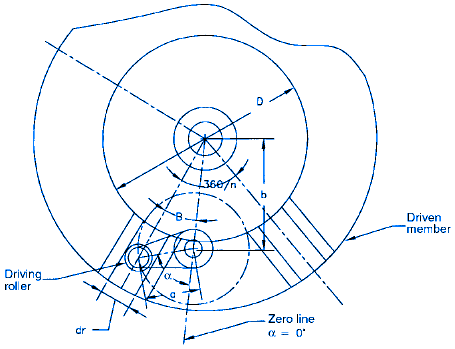
The Geneva internal mechanism is a type of mechanical linkage used to transmit rotational motion in a precise and controlled manner. It is commonly used in watches, instruments, and other devices that require accurate and stable motion. The design equation for the Geneva mechanism is crucial in determining its performance and efficiency. This article provides an overview of the design equation and calculator for the Geneva internal mechanism, enabling engineers and designers to optimize their designs and achieve precise motion control. The calculator allows for quick and accurate calculation of key parameters.
- Understanding the Geneva Internal Mechanism Design Equation and Calculator
- Understanding the Geneva Mechanism Design Equation and Calculator
-
Frequently Asked Questions (FAQs)
- What is the Geneva Internal Mechanism Design Equation and Calculator?
- How does the Geneva Internal Mechanism Design Equation and Calculator work?
- What are the advantages of using the Geneva Internal Mechanism Design Equation and Calculator?
- What are the applications of the Geneva Internal Mechanism Design Equation and Calculator?
Understanding the Geneva Internal Mechanism Design Equation and Calculator
The Geneva mechanism is a type of intermittent motion mechanism that is widely used in various applications, including watches, clocks, and other precision instruments. The Geneva internal mechanism design equation and calculator are essential tools for designing and analyzing these mechanisms. The design equation is a mathematical formula that relates the various parameters of the mechanism, such as the diameter of the wheel, the number of teeth, and the angle of rotation. The calculator is a software tool that uses the design equation to calculate the optimal parameters for a given application.
Introduction to the Geneva Mechanism
The Geneva mechanism is a type of mechanical linkage that converts continuous motion into intermittent motion. It consists of a wheel with a pins or rollers that engage with a slot or groove in a rotating disk. The wheel is driven by a motor or other power source, and the disk is connected to a load or output shaft. The Geneva mechanism is widely used in applications where a precise and controlled motion is required, such as in watches, clocks, and other precision instruments.
Geneva Mechanism Design Parameters
The design of a Geneva mechanism involves several key parameters, including the diameter of the wheel, the number of teeth, and the angle of rotation. The diameter of the wheel determines the overall size of the mechanism, while the number of teeth determines the precision and accuracy of the motion. The angle of rotation determines the amount of motion that is produced by the mechanism. These parameters are related by the design equation, which is used to calculate the optimal values for a given application.
Geneva Mechanism Design Equation
The Geneva mechanism design equation is a mathematical formula that relates the various parameters of the mechanism. The equation is as follows:
| Parameter | Symbol | Unit |
|---|---|---|
| Diameter of wheel | d | mm |
| Number of teeth | n | - |
| Angle of rotation | θ | degrees |
| Output speed | ω | rpm |
The design equation is: ω = (n θ) / (d π)
Geneva Mechanism Calculator
The Geneva mechanism calculator is a software tool that uses the design equation to calculate the optimal parameters for a given application. The calculator takes into account the various parameters of the mechanism, including the diameter of the wheel, the number of teeth, and the angle of rotation. It then uses the design equation to calculate the output speed and other performance characteristics of the mechanism. The calculator is an essential tool for designing and analyzing Geneva mechanisms, as it allows engineers to quickly and easily optimize the performance of the mechanism.
Applications of the Geneva Mechanism
The Geneva mechanism has a wide range of applications, including watches, clocks, and other precision instruments. It is also used in various industrial applications, such as packaging machines, printing presses, and other machinery. The mechanism is particularly useful in applications where a precise and controlled motion is required, such as in the manufacture of pharmaceuticals, food products, and other precision products. The Geneva mechanism is also used in various automated systems, including robotics and computer numerical control (CNC) machines.
Understanding the Geneva Mechanism Design Equation and Calculator
The Geneva mechanism is a type of intermittent motion mechanism that is commonly used in machinery and mechanical systems. It is designed to convert continuous motion into intermittent motion, and is often used in applications such as indexing, packaging, and assembly. The Geneva mechanism design equation and calculator are used to determine the optimal design parameters for a Geneva mechanism, including the diameter of the driving wheel, the number of slots in the driven wheel, and the angle of rotation.
Introduction to Geneva Mechanism Design Equation
The Geneva mechanism design equation is a mathematical formula that is used to determine the relationship between the input and output parameters of a Geneva mechanism. The equation takes into account factors such as the speed of the input shaft, the torque required to drive the mechanism, and the efficiency of the mechanism. The design equation is typically used in conjunction with a calculator or computer program to determine the optimal design parameters for a Geneva mechanism. The Geneva mechanism design equation is a complex formula that involves a number of variables, including the diameter of the driving wheel, the number of slots in the driven wheel, and the angle of rotation. By using this equation, designers can determine the optimal design parameters for a Geneva mechanism and ensure that it operates efficiently and effectively.
Key Components of Geneva Mechanism Design
The Geneva mechanism consists of several key components, including the driving wheel, the driven wheel, and the geneva wheel. The driving wheel is the input component of the mechanism, and is typically connected to a motor or other power source. The driven wheel is the output component of the mechanism, and is typically connected to a load or other device. The geneva wheel is a critical component of the mechanism, and is designed to engage and disengage with the driven wheel to produce the intermittent motion. The geneva wheel is typically designed with a specific profile and diameter to ensure that it engages and disengages smoothly with the driven wheel. By carefully designing these components, engineers can create a Geneva mechanism that operates efficiently and effectively.
Geneva Mechanism Design Calculator
The Geneva mechanism design calculator is a tool that is used to determine the optimal design parameters for a Geneva mechanism. The calculator takes into account factors such as the speed of the input shaft, the torque required to drive the mechanism, and the efficiency of the mechanism. The calculator is typically used in conjunction with the Geneva mechanism design equation to determine the optimal design parameters for a Geneva mechanism. The calculator can be used to determine a range of parameters, including the diameter of the driving wheel, the number of slots in the driven wheel, and the angle of rotation. By using the calculator, designers can quickly and easily determine the optimal design parameters for a Geneva mechanism, and can ensure that it operates efficiently and effectively.
Applications of Geneva Mechanism Design Equation and Calculator
The Geneva mechanism design equation and calculator have a range of applications in industry and engineering. They are commonly used in the design of machinery and mechanical systems, and are particularly useful in applications where intermittent motion is required. The Geneva mechanism is often used in indexing and packaging applications, where it is used to move objects or components in a precise and controlled manner. The geneva mechanism is also used in assembly applications, where it is used to assemble components or products in a precise and controlled manner. By using the Geneva mechanism design equation and calculator, designers can create mechanisms that operate efficiently and effectively, and that meet the specific requirements of the application.
Benefits of Using Geneva Mechanism Design Equation and Calculator
The Geneva mechanism design equation and calculator offer a range of benefits to designers and engineers. They allow designers to optimize the design of a Geneva mechanism, and to ensure that it operates efficiently and effectively. The calculator can be used to save time and reduce costs, by quickly and easily determining the optimal design parameters for a Geneva mechanism. The geneva mechanism design equation and calculator also allow designers to improve the performance of a Geneva mechanism, by optimizing the design parameters to meet the specific requirements of the application. By using these tools, designers can create Geneva mechanisms that are reliable, efficient, and cost-effective, and that meet the specific requirements of the application. The use of the geneva mechanism design equation and calculator can also help to reduce the risk of errors or failures, by ensuring that the mechanism is designed and optimized correctly.
Frequently Asked Questions (FAQs)
What is the Geneva Internal Mechanism Design Equation and Calculator?
The Geneva internal mechanism design equation and calculator is a mathematical model used to design and analyze Geneva mechanisms, which are a type of intermittent motion mechanism used in various applications, including robotics, automation, and mechanical engineering. The Geneva mechanism is a precision mechanism that converts continuous rotary motion into intermittent rotary motion, and the design equation and calculator are used to determine the optimal design parameters for a specific application. The calculator takes into account various input parameters, such as the rotation speed, torque, and load requirements, and outputs the design specifications for the Geneva mechanism, including the diameter and width of the driving wheel, the number of slots, and the pitch circle diameter.
How does the Geneva Internal Mechanism Design Equation and Calculator work?
The Geneva internal mechanism design equation and calculator work by using a set of complex algorithms and mathematical formulas to analyze the kinematics and dynamics of the Geneva mechanism. The calculator takes into account the input parameters and uses them to calculate the output parameters, such as the angular velocity, acceleration, and deceleration of the output shaft. The calculator also uses optimization techniques, such as genetic algorithms and simulated annealing, to minimize the weight and size of the Geneva mechanism while maximizing its performance and efficiency. The design equation and calculator are highly accurate and can be used to design Geneva mechanisms for a wide range of applications, from high-speed industrial automation to low-speed medical devices.
What are the advantages of using the Geneva Internal Mechanism Design Equation and Calculator?
The Geneva internal mechanism design equation and calculator offer several advantages over traditional design methods, including increased accuracy, reduced design time, and improved performance. The calculator can quickly and easily analyze different design scenarios and provide optimal design solutions, reducing the need for prototyping and physical testing. The calculator also allows designers to optimize their designs for specific performance criteria, such as speed, torque, and efficiency, and to compare different design options. Additionally, the calculator can be used to analyze and simulate the dynamic behavior of the Geneva mechanism, allowing designers to identify and address potential problems before they become major issues.
What are the applications of the Geneva Internal Mechanism Design Equation and Calculator?
The Geneva internal mechanism design equation and calculator have a wide range of applications in various fields, including mechanical engineering, robotics, automation, and medical devices. The calculator can be used to design Geneva mechanisms for high-speed industrial automation applications, such as picking and placing and assembly, as well as for low-speed medical devices, such as surgical robots and prosthetic limbs. The calculator can also be used to design Geneva mechanisms for aerospace and defense applications, such as satellite and missile systems. Additionally, the calculator can be used to design Geneva mechanisms for consumer products, such as cameras and printers, and for renewable energy systems, such as wind turbines and solar panels. The calculator is a versatile and powerful tool that can be used to design Geneva mechanisms! for a wide range of applications, and its accuracy and reliability make it an essential tool for any designer or engineer working with Geneva mechanisms.
Deja una respuesta
Entradas Relacionadas