
Cubits Units Conversion Calculator

The Cubits Units Conversion Calculator is a valuable tool for individuals working with ancient units of measurement. In ancient times, cubits were used to measure length, and its value varied across different cultures and regions. This calculator provides a convenient way to convert cubits to other units, such as inches, feet, and meters, and vice versa. With its user-friendly interface, users can easily perform conversions and calculate equivalent values, making it an essential resource for historians, architects, and researchers studying ancient civilizations and their measurement systems. It offers a simple and accurate conversion process.
- Cubits Units Conversion Calculator: Understanding the Basics
- How many feet are in 1 cubit?
- How many inches is 1 cubit?
- How tall is 6 cubits in inches?
-
Frequently Asked Questions (FAQs)
- What is the Cubits Units Conversion Calculator and how does it work?
- What are the benefits of using the Cubits Units Conversion Calculator?
- How can I use the Cubits Units Conversion Calculator for historical research?
- Can I use the Cubits Units Conversion Calculator for architectural and engineering applications?
Cubits Units Conversion Calculator: Understanding the Basics
The Cubits Units Conversion Calculator is a tool used to convert between different units of measurement, specifically in the context of cubits, which is an ancient unit of length. The calculator is designed to simplify the process of converting between various units, making it easier for users to understand and work with different measurement systems. The calculator typically supports a range of units, including cubits, feet, inches, meters, and centimeters. By using the calculator, users can easily convert between these units and perform calculations with ease.
What is a Cubit and How is it Used?
A cubit is an ancient unit of length that was used in many cultures, including the Egyptians, Greeks, and Romans. It is typically defined as the length of the forearm from the elbow to the tip of the middle finger, which is approximately 18 inches or 45.7 centimeters. The cubit was used as a standard unit of measurement for building and construction, and it is still used today in some contexts, such as in the measurement of architectural and historical structures.
How Does the Cubits Units Conversion Calculator Work?
The Cubits Units Conversion Calculator works by allowing users to input a value in one unit of measurement and then converting it to another unit. The calculator uses a set of predefined conversion factors to perform the calculations, ensuring that the results are accurate and reliable. Users can select the unit they want to convert from and the unit they want to convert to, and the calculator will perform the conversion automatically. The calculator also supports decimal and fractional inputs, making it easy to work with different types of measurements.
Supported Units and Conversion Factors
The Cubits Units Conversion Calculator supports a range of units, including cubits, feet, inches, meters, and centimeters. The calculator uses the following conversion factors:
| Unit | Conversion Factor |
|---|---|
| Cubits | 1 cubit = 18 inches |
| Feet | 1 foot = 12 inches |
| Inches | 1 inch = 2.54 centimeters |
| Meters | 1 meter = 100 centimeters |
| Centimeters | 1 centimeter = 0.01 meters |
By using these conversion factors, the calculator can accurately convert between different units of measurement.
Advantages of Using the Cubits Units Conversion Calculator
The Cubits Units Conversion Calculator has several advantages, including its ease of use, accuracy, and versatility. The calculator is designed to be user-friendly, making it easy for anyone to use, regardless of their level of mathematical expertise. The calculator also supports a range of units, making it a convenient tool for anyone working with different measurement systems. Additionally, the calculator is free and web-based, making it accessible to anyone with an internet connection.
Common Applications of the Cubits Units Conversion Calculator
The Cubits Units Conversion Calculator has several common applications, including architectural and historical research, building and construction, and engineering and design. The calculator can be used to convert between different units of measurement, making it easier to work with technical drawings and blueprints. The calculator can also be used to calculate area and volume, making it a useful tool for anyone working with spatial measurements. By using the calculator, users can ensure that their measurements are accurate and reliable, which is critical in many fields.
How many feet are in 1 cubit?
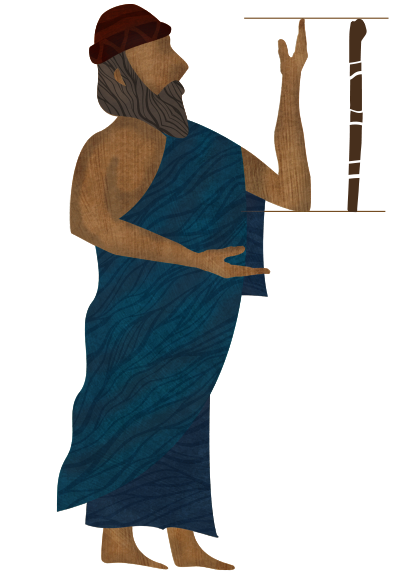
The number of feet in 1 cubit can vary depending on the definition of a cubit. In ancient times, a cubit was a unit of length that was equal to the length of a person's forearm from the elbow to the tip of the middle finger, which is approximately 18 inches or 1.5 feet. However, in different cultures and historical periods, the length of a cubit can differ.
Definition of a Cubit
The definition of a cubit is crucial in determining the number of feet it contains. A cubit can be defined as the length of a person's forearm, which is approximately 18 inches or 1.5 feet. The variations in the length of a cubit can be attributed to the different methods of measurement used in ancient times. Some of the key points to consider when defining a cubit are:
- The length of a person's forearm can vary from person to person, which can affect the definition of a cubit.
- The method of measurement used can also impact the length of a cubit, with some methods being more precise than others.
- The cultural and historical context in which the cubit is being used can influence its definition and length.
Measurement of a Cubit
Measuring a cubit can be a complex task, especially when considering the different methods of measurement. The most common method of measuring a cubit is by using a ruler or a measuring tape. However, in ancient times, people used various objects such as sticks, stones, or rods to measure lengths. Some key points to consider when measuring a cubit are:
- The type of measuring device used can affect the accuracy of the measurement.
- The unit of measurement used can also impact the length of a cubit, with some units being more precise than others.
- The person performing the measurement can also influence the result, as their technique and skill level can vary.
Conversion of a Cubit to Feet
Converting a cubit to feet requires a clear understanding of the definition and measurement of a cubit. As mentioned earlier, a cubit is approximately equal to 1.5 feet. However, this conversion can vary depending on the specific definition and measurement of a cubit being used. Some key points to consider when converting a cubit to feet are:
- The definition and measurement of a cubit can impact the conversion to feet.
- The unit of measurement used can also affect the conversion, with some units being more precise than others.
- The context in which the conversion is being performed can also influence the result, as different applications may require different levels of precision.
Historical Use of Cubits
The cubit has been used as a unit of length throughout history, with evidence of its use dating back to ancient civilizations such as the Egyptians, Greeks, and Romans. The cubit was used for a variety of purposes, including building construction, trade, and surveying. Some key points to consider when examining the historical use of cubits are:
- The cubit was used in different cultures and historical periods, with varying definitions and measurements.
- The cubit was used for a range of applications, from building construction to trade and commerce.
- The use of cubits has had a lasting impact on the development of modern systems of measurement.
Modern Use of Cubits
Although the cubit is no longer a widely used unit of length in modern times, it still has some practical applications. For example, architects and historians may use cubits to understand and interpret ancient building designs and measurements. Some key points to consider when examining the modern use of cubits are:
- The cubit is still used in some contexts, such as architecture and historical research.
- The use of cubits can provide a unique perspective on ancient cultures and historical periods.
- The cubit can also be used as a teaching tool to help students understand the development of modern systems of measurement.
How many inches is 1 cubit?
1 cubit is approximately equal to 18 inches. The cubit was an ancient unit of measurement that was used by various cultures, including the Egyptians, Greeks, and Hebrews. The length of a cubit varied depending on the culture and the time period, but it was typically around 18 inches.
History of the Cubit Measurement
The cubit was used as a unit of measurement for thousands of years, with evidence of its use dating back to ancient civilizations in Egypt and Mesopotamia. The cubit was used to measure the length of objects, the size of buildings, and even the height of people. The cubit was also used as a unit of measurement for agricultural purposes, such as measuring the size of fields and the amount of crops that could be grown. Some key points about the history of the cubit include:
- The cubit was first used in ancient Egypt around 3000 BC.
- The cubit was also used in ancient Greece and Rome.
- The cubit was replaced by the metric system in the 19th century.
Variations of the Cubit Measurement
There were several variations of the cubit measurement, each with its own length. The most common variations were the royal cubit, the common cubit, and the sacred cubit. The royal cubit was used for official purposes, such as measuring the size of buildings and the length of roads. The common cubit was used for everyday transactions, such as measuring the length of objects and the size of fields. Some key points about the variations of the cubit include:
- The royal cubit was approximately 20.6 inches long.
- The common cubit was approximately 17.5 inches long.
- The sacred cubit was approximately 22 inches long.
Conversion of Cubit to Other Units
The cubit can be converted to other units of measurement, such as feet, inches, and centimeters. To convert a cubit to feet, you can divide the length of the cubit by 2, since there are 2 feet in a cubit. To convert a cubit to inches, you can multiply the length of the cubit by 12, since there are 12 inches in a foot. Some key points about converting cubits to other units include:
- 1 cubit is equal to 2 feet.
- 1 cubit is equal to 18 inches.
- 1 cubit is equal to 45.72 centimeters.
Use of the Cubit Measurement in Ancient Times
The cubit was used in ancient times for a variety of purposes, including architecture, engineering, and trade. The cubit was used to measure the length and width of buildings, as well as the height of walls and the size of doors and windows. The cubit was also used to measure the length and width of fields, as well as the amount of crops that could be grown. Some key points about the use of the cubit in ancient times include:
- The cubit was used to measure the size of the Great Pyramid of Giza.
- The cubit was used to measure the length of the Great Wall of China.
- The cubit was used to measure the size of agricultural fields in ancient Mesopotamia.
Modern Use of the Cubit Measurement
Although the cubit is no longer used as a standard unit of measurement, it is still used in some traditional and cultural contexts. For example, some biblical scholars use the cubit to measure the size of buildings and objects described in the Bible. Some archaeologists also use the cubit to measure the size of ancient buildings and objects. Some key points about the modern use of the cubit include:
- The cubit is still used in some traditional Jewish and Islamic contexts.
- The cubit is used by some biblical scholars to measure the size of buildings and objects described in the Bible.
- The cubit is used by some archaeologists to measure the size of ancient buildings and objects.
How tall is 6 cubits in inches?
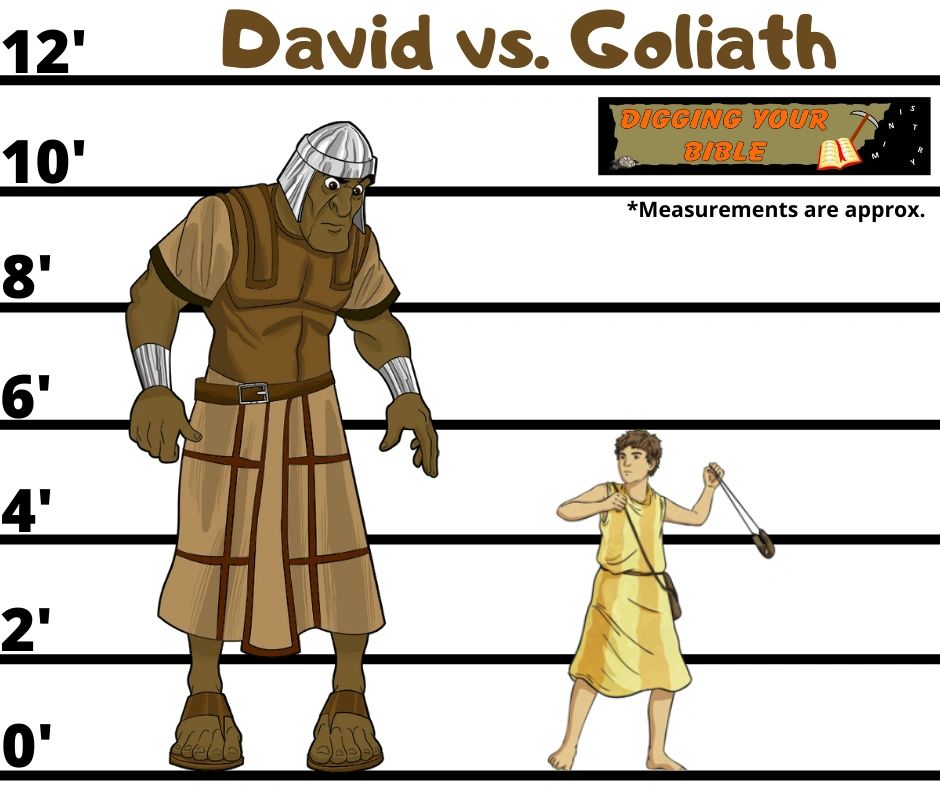
To convert 6 cubits to inches, we need to know the length of a cubit. A cubit is an ancient unit of length, and its length varied in different cultures and time periods. However, a commonly used length for a cubit is about 18 inches. Therefore, 6 cubits would be equal to 6 x 18 = 108 inches. This is equivalent to about 9 feet.
What is a Cubit?
A cubit is an ancient unit of length that was used by many cultures, including the Egyptians, Babylonians, and Hebrews. The length of a cubit varied, but it was typically around 18 inches. The cubit was often used to build structures, such as temples and palaces, and to measure the size of objects. The cubit was also used as a unit of measurement for trade and commerce.
- The cubit was a fundamental unit of length in ancient times.
- The length of a cubit varied, but it was typically around 18 inches.
- The cubit was used to build structures, such as temples and palaces.
How to Convert Cubits to Inches?
To convert cubits to inches, we need to know the length of a cubit. Once we know the length of a cubit, we can simply multiply the number of cubits by the length of a cubit to get the total length in inches. For example, if we want to convert 6 cubits to inches, and we know that a cubit is 18 inches long, we can calculate the total length as 6 x 18 = 108 inches.
- Know the length of a cubit.
- Multiply the number of cubits by the length of a cubit.
- Calculate the total length in inches.
Uses of Cubits in Ancient Times
Cubits were used in ancient times for a variety of purposes, including building structures, measuring the size of objects, and trade and commerce. The cubit was a fundamental unit of length, and it was used to build many famous structures, such as the Great Pyramid of Giza. The cubit was also used to measure the size of objects, such as furniture and other household items.
- Cubits were used to build structures, such as temples and palaces.
- Cubits were used to measure the size of objects.
- Cubits were used for trade and commerce.
Relationship Between Cubits and Feet
Since there are 12 inches in a foot, we can convert 108 inches to feet by dividing by 12. Therefore, 6 cubits is equal to 108 inches, which is equal to 9 feet. This shows that the cubit is a unit of length that is related to both inches and feet.
- There are 12 inches in a foot.
- 6 cubits is equal to 108 inches.
- 6 cubits is equal to 9 feet.
Importance of Understanding Cubits
Understanding cubits is important for several reasons. First, it helps us to appreciate the history and culture of ancient civilizations. Second, it helps us to understand the architecture and engineering of ancient structures. Finally, it helps us to convert between different units of length, such as inches and feet.
- Understanding cubits helps us to appreciate the history and culture of ancient civilizations.
- Understanding cubits helps us to understand the architecture and engineering of ancient structures.
- Understanding cubits helps us to convert between different units of length.
Frequently Asked Questions (FAQs)
What is the Cubits Units Conversion Calculator and how does it work?
The Cubits Units Conversion Calculator is a powerful online tool designed to simplify the process of converting between different units of measurement, specifically focusing on cubits, an ancient unit of length. This calculator is user-friendly and provides a straightforward way to convert cubits to other units such as inches, feet, yards, and meters, among others. By entering the value in cubits and selecting the desired unit to convert to, the calculator instantly performs the conversion, providing the result in the chosen unit. The calculator's accuracy and reliability make it a valuable resource for individuals who need to work with different units of measurement, including historians, architects, and engineers.
What are the benefits of using the Cubits Units Conversion Calculator?
Using the Cubits Units Conversion Calculator offers several significant benefits, including convenience and speed. The calculator eliminates the need to manually perform complex conversions, which can be time-consuming and prone to errors. By providing instant results, the calculator saves users a considerable amount of time and effort, allowing them to focus on other important tasks. Additionally, the calculator's accuracy ensures that the results are reliable, which is crucial in various fields such as construction, engineering, and history. The calculator is also accessible from anywhere with an internet connection, making it a valuable resource for students, professionals, and enthusiasts alike.
How can I use the Cubits Units Conversion Calculator for historical research?
The Cubits Units Conversion Calculator is a useful tool for historical research, particularly when studying ancient civilizations that used cubits as a unit of measurement. By using the calculator, researchers can easily convert cubits to other units, allowing them to better understand the dimensions and proportions of ancient structures, such as buildings, monuments, and artifacts. This can provide valuable insights into the culture, technology, and society of ancient civilizations. The calculator can also be used to compare different units of measurement used in various ancient cultures, highlighting the differences and similarities between them. By facilitating these conversions, the calculator supports a more accurate and comprehensive understanding of historical events and cultural practices.
Can I use the Cubits Units Conversion Calculator for architectural and engineering applications?
Yes, the Cubits Units Conversion Calculator can be usefully applied in architectural and engineering contexts, where precise measurements and conversions are critical. The calculator can be used to convert cubits to other units of measurement, such as feet, inches, or meters, which are commonly used in building design, construction, and project planning. This can help ensure that dimensions and specifications are accurate, which is essential for safety, functionality, and compliance with building codes and regulations. Additionally, the calculator can be used to verify calculations and double-check conversions, providing an added layer of quality control and assurance in the design and construction process. By streamlining the conversion process, the calculator can save architects and engineers time and reduce the risk of errors, allowing them to focus on other critical aspects of their work.
Deja una respuesta
Entradas Relacionadas