
Condensation Resistance Factor Calculator

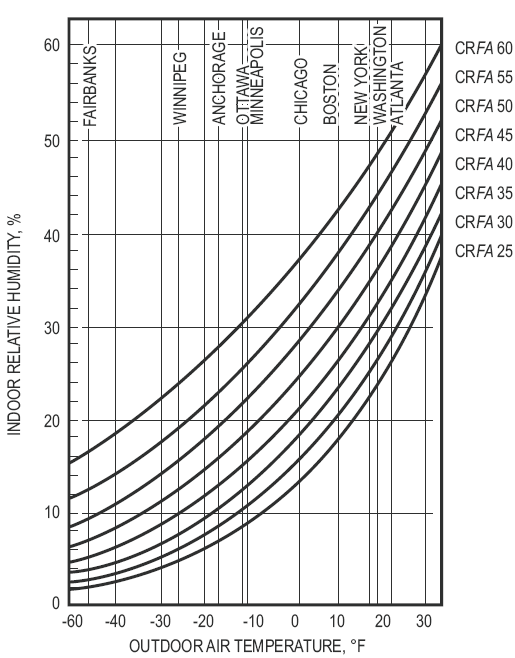
The Condensation Resistance Factor Calculator is a valuable tool for architects, builders, and engineers to determine the resistance of building materials to condensation. Condensation occurs when warm, moist air meets a cool surface, leading to water droplet formation. This calculator helps assess the risk of condensation in various building components, such as walls, roofs, and windows, ensuring that buildings are designed and constructed to minimize moisture-related issues and maintain a healthy indoor environment. By using this calculator, professionals can make informed decisions about material selection and building design. Accurate calculations are crucial for preventing condensation problems.
Understanding the Condensation Resistance Factor Calculator
The Condensation Resistance Factor Calculator is a tool used to determine the condensation resistance of a building envelope, which is a critical factor in preventing moisture accumulation and potential mold growth. This calculator takes into account various factors such as the climate, building orientation, and insulation levels to provide an accurate assessment of the condensation resistance.
What is Condensation Resistance Factor?
The Condensation Resistance Factor (CRF) is a measure of a building's ability to resist condensation on its surfaces. It is calculated based on the thermal and vapor transmission properties of the building envelope, including the walls, ceilings, and windows. A higher CRF value indicates a lower risk of condensation and water accumulation.
Importance of Condensation Resistance Factor Calculator
The Condensation Resistance Factor Calculator is essential in building design and construction to ensure that the building envelope is designed to withstand the local climate conditions and prevent moisture-related problems. By using this calculator, architects and builders can optimize their designs to minimize the risk of condensation and mold growth, which can lead to health problems and structural damage.
Factors Affecting Condensation Resistance Factor
Several factors can affect the Condensation Resistance Factor, including:
| Factor | Description |
|---|---|
| Climate | The local climate conditions, including temperature and humidity levels |
| Building Orientation | The direction and angle of the building's surfaces |
| Insulation | The type and level of insulation used in the building envelope |
| Window Type | The type and quality of windows used in the building |
| Air Tightness | The level of air leakage through the building envelope |
How to Use the Condensation Resistance Factor Calculator
To use the Condensation Resistance Factor Calculator, users need to input various parameters, including the building's location, orientation, and envelope characteristics. The calculator then uses advanced algorithms to calculate the CRF value, which can be used to evaluate the building's condensation resistance.
Benefits of Using the Condensation Resistance Factor Calculator
The Condensation Resistance Factor Calculator offers several benefits, including:
Improved building design: By optimizing the building envelope to resist condensation, architects and builders can create healthier and more energy-efficient buildings.
Reduced maintenance costs: By minimizing the risk of moisture-related problems, building owners can reduce maintenance costs and extend the lifespan of their buildings.
Enhanced occupant health: By preventing mold growth and moisture accumulation, the calculator can help create a healthier indoor environment for occupants.
How to calculate condensation resistance factor?

To calculate the condensation resistance factor, you need to understand the concept of condensation and how it affects the performance of building materials. The condensation resistance factor is a measure of a material's ability to resist the flow of water vapor through it, which is essential in preventing condensation and subsequent damage to buildings. This factor is typically calculated using specialized software or by consulting technical datasheets provided by the manufacturer.
Understanding Condensation Resistance Factor
The condensation resistance factor is a critical parameter in building design, as it helps architects and engineers select materials that can effectively prevent moisture accumulation and reduce the risk of mold growth and structural damage. To calculate this factor, you need to consider the thermal conductivity, density, and permeability of the material. The calculation involves complex formulas that take into account the temperature and humidity gradients across the material.
- The thermal conductivity of the material affects its ability to transfer heat and therefore influences the condensation resistance factor.
- The density of the material also plays a role, as it affects the material's ability to absorb and retain moisture.
- The permeability of the material is another crucial factor, as it determines how easily water vapor can pass through the material.
Factors Affecting Condensation Resistance Factor
Several factors can affect the condensation resistance factor, including the climate, building orientation, and material properties. For example, a material with a high condensation resistance factor may perform well in a dry climate but poorly in a humid climate. Additionally, the orientation of the building can also impact the condensation resistance factor, as it affects the amount of solar radiation and wind-driven rain that the material is exposed to.
- The climate in which the building is located can significantly impact the condensation resistance factor, as it affects the temperature and humidity gradients across the material.
- The building orientation can also affect the condensation resistance factor, as it influences the amount of solar radiation and wind-driven rain that the material is exposed to.
- The material properties, such as thermal conductivity, density, and permeability, also play a crucial role in determining the condensation resistance factor.
Calculating Condensation Resistance Factor
Calculating the condensation resistance factor involves using specialized software or consulting technical datasheets provided by the manufacturer. The calculation typically requires inputting values for the material properties, such as thermal conductivity, density, and permeability, as well as the climate and building orientation. The resulting value represents the material's ability to resist the flow of water vapor and prevent condensation.
- The material properties, such as thermal conductivity, density, and permeability, are essential inputs for calculating the condensation resistance factor.
- The climate and building orientation are also critical factors that must be considered when calculating the condensation resistance factor.
- The resulting value represents the material's ability to resist the flow of water vapor and prevent condensation, and can be used to select materials for building design.
Importance of Condensation Resistance Factor
The condensation resistance factor is a critical parameter in building design, as it helps architects and engineers select materials that can effectively prevent moisture accumulation and reduce the risk of mold growth and structural damage. A high condensation resistance factor indicates that a material is well-suited for use in humid climates or in applications where moisture resistance is essential.
- A high condensation resistance factor indicates that a material is well-suited for use in humid climates or in applications where moisture resistance is essential.
- The condensation resistance factor is a critical parameter in building design, as it helps architects and engineers select materials that can effectively prevent moisture accumulation and reduce the risk of mold growth and structural damage.
- Selecting materials with a high condensation resistance factor can help reduce the risk of building damage and improve occupant health and comfort.
Applications of Condensation Resistance Factor
The condensation resistance factor has a wide range of applications in building design, including wall insulation, roofing, and window selection. By selecting materials with a high condensation resistance factor, architects and engineers can design buildings that are more energy-efficient, durable, and healthy.
- The condensation resistance factor is used in wall insulation to select materials that can effectively prevent moisture accumulation and reduce the risk of mold growth.
- In roofing, the condensation resistance factor is used to select materials that can withstand wind-driven rain and snow load.
- In window selection, the condensation resistance factor is used to select materials that can minimize fogging and condensation on the glass surface.
What is a good condensation resistance factor?
A good condensation resistance factor is a measure of a material's ability to resist the formation of condensation on its surface. This factor is crucial in various industries, including construction, where it helps prevent moisture accumulation and subsequent damage to buildings. The condensation resistance factor is often determined through laboratory testing, where a material's thermal conductivity, heat transfer coefficient, and surface emissivity are evaluated. These properties are essential in determining a material's ability to resist condensation, which can lead to energy losses, mold growth, and structural damage.
Understanding Condensation Resistance
The condensation resistance factor is a critical parameter in designing energy-efficient buildings and systems. To achieve a good condensation resistance factor, materials must be carefully selected based on their thermal properties. A high condensation resistance factor indicates that a material can effectively resist moisture condensation, while a low factor suggests that the material is more prone to condensation-related issues. The following factors contribute to a good condensation resistance factor:
- Low thermal conductivity to minimize heat transfer and reduce the likelihood of condensation
- Optimized heat transfer coefficient to balance convective heat transfer and conductivity
-li> High surface emissivity to facilitate radiative heat transfer and reduce surface temperature
Factors Affecting Condensation Resistance
Several factors can influence a material's condensation resistance factor, including temperature, humidity, air movement, and surface roughness. These factors can either enhance or diminish a material's ability to resist condensation. For instance, high temperatures and low humidity can reduce the likelihood of condensation, while high humidity and low temperatures can increase the risk of condensation formation. Understanding these factors is crucial in selecting materials with optimal condensation resistance factors for specific applications. The key factors affecting condensation resistance include:
- Temperature gradients that influence heat transfer and condensation
- Humidity levels that affect moisture accumulation and condensation
- Air movement that impacts convective heat transfer and condensation
Measuring Condensation Resistance
Measuring a material's condensation resistance factor involves evaluating its thermal properties and surface characteristics. This can be achieved through various laboratory tests, including thermal conductivity measurements, heat transfer coefficient evaluations, and surface emissivity assessments. These tests provide valuable insights into a material's ability to resist condensation and help identify areas for improvement. The following tests are commonly used to measure condensation resistance:
- Thermal conductivity tests to evaluate a material's heat transfer properties
- Heat transfer coefficient measurements to assess a material's convective heat transfer characteristics
- Surface emissivity evaluations to determine a material's radiative heat transfer properties
Applications of Condensation Resistance
The condensation resistance factor has numerous applications in various industries, including building construction, refrigeration, and HVAC systems. In these applications, materials with high condensation resistance factors are essential for preventing energy losses, moisture accumulation, and structural damage. The following applications rely heavily on materials with good condensation resistance factors:
- Building insulation to minimize heat transfer and prevent condensation-related issues
- Refrigeration systems to maintain optimal temperatures and prevent condensation formation
- HVAC systems to ensure efficient heat transfer and prevent condensation-related problems
Improving Condensation Resistance
Improving a material's condensation resistance factor can be achieved through various means, including surface treatments, coatings, and material selection. These methods can enhance a material's thermal properties and surface characteristics, leading to improved condensation resistance. The following techniques can be used to improve condensation resistance:
- Surface coatings to enhance surface emissivity and reduce condensation formation
- Material selection to optimize thermal conductivity and heat transfer coefficient
- Surface treatments to modify surface roughness and improve condensation resistance
What is the condensation factor?

The condensation factor refers to the process by which water vapor in the air is converted into liquid water, resulting in the formation of dew, fog, or precipitation. This phenomenon occurs when the air reaches its dew point, where the air becomes saturated with water vapor and can no longer hold any more moisture, causing the water vapor to condense into droplets.
Introduction to Condensation Factor
The condensation factor is an important concept in meteorology and climatology, as it plays a crucial role in shaping our weather and climate. The process of condensation is influenced by various factors, including temperature, humidity, and air pressure. The following are some key points to consider:
- The condensation factor is affected by the temperature of the air, with cooler air having a higher dew point.
- The humidity of the air also plays a significant role, with higher humidity levels leading to more condensation.
- Air pressure can also influence the condensation factor, with changes in pressure affecting the dew point of the air.
Factors Affecting Condensation Factor
Several factors can influence the condensation factor, including topography, vegetation, and human activity. These factors can either enhance or reduce the condensation process, leading to variations in weather and climate patterns. Some key points to consider:
- Topography can affect the condensation factor by forcing warm, moist air to rise and cool, resulting in condensation.
- Vegetation can also influence the condensation factor by releasing water vapor into the air through transpiration.
- Human activity, such as deforestation and urbanization, can alter the condensation factor by changing the land use and land cover patterns.
Condensation Factor and Weather Patterns
The condensation factor plays a crucial role in shaping weather patterns, including cloud formation, precipitation, and storms. The following are some key points to consider:
- The condensation factor can influence the formation of clouds, with cumulus clouds forming when warm, moist air rises and cools.
- The condensation factor can also affect the type and intensity of precipitation, with heavy rainfall occurring when the air is highly saturated.
- Storms can also be influenced by the condensation factor, with thunderstorms forming when there is a high level of instability in the atmosphere.
Condensation Factor and Climate Change
The condensation factor is also an important consideration in the context of climate change, as changes in temperature and humidity can affect the condensation process. Some key points to consider:
- Global warming can alter the condensation factor by increasing the temperature of the air, leading to changes in precipitation patterns.
- Changes in humidity levels can also affect the condensation factor, with drier conditions leading to reduced condensation.
- The condensation factor can also influence the formation of extreme weather events, such as heatwaves and droughts.
Measuring Condensation Factor
Measuring the condensation factor is important for understanding and predicting weather and climate patterns. The following are some key points to consider:
- Satellite imagery can be used to measure the condensation factor by observing cloud formation and precipitation patterns.
- Weather stations can also be used to measure the condensation factor by recording temperature, humidity, and precipitation data.
- Computer models can be used to simulate the condensation factor and predict weather and climate patterns.
Frequently Asked Questions (FAQs)
What is the purpose of a Condensation Resistance Factor Calculator?
The Condensation Resistance Factor Calculator is a tool used to calculate the condensation resistance of a building component or assembly, such as a wall, roof, or window. This calculator is essential in determining the thermal performance of a building envelope and ensuring that it meets the required energy efficiency standards. By using this calculator, architects, engineers, and builders can optimize the design of their building components to minimize the risk of condensation and moisture damage. The calculator takes into account various parameters, including the thermal conductivity, density, and specific heat capacity of the materials used in the building component, as well as the ambient temperature and humidity conditions.
How does the Condensation Resistance Factor Calculator work?
The Condensation Resistance Factor Calculator uses a complex algorithm to calculate the condensation resistance factor of a building component or assembly. This algorithm takes into account the physical properties of the materials used in the building component, such as their thermal resistance, water vapor permeability, and air permeability. The calculator also considers the boundary conditions, including the indoor and outdoor temperature and humidity levels, as well as the wind speed and direction. By inputting these parameters into the calculator, users can obtain a condensation resistance factor that indicates the likelihood of condensation occurring within the building component. A higher condensation resistance factor indicates a lower risk of condensation, while a lower factor indicates a higher risk.
What are the benefits of using a Condensation Resistance Factor Calculator?
Using a Condensation Resistance Factor Calculator offers several benefits to architects, engineers, and builders. One of the primary benefits is the ability to predict the risk of condensation in a building component or assembly, allowing for informed design decisions to be made. This can help to prevent moisture damage and mold growth, which can lead to structural problems and indoor air quality issues. Additionally, the calculator can help to optimize the design of building components, reducing the need for rework and repair. By using the calculator, users can also compare the performance of different building components and assemblies, making it easier to select the most energy-efficient and cost-effective options. Furthermore, the calculator can help to ensure compliance with building codes and regulations, reducing the risk of non-compliance and associated penalties.
What are the limitations of a Condensation Resistance Factor Calculator?
While the Condensation Resistance Factor Calculator is a valuable tool, it is not without limitations. One of the primary limitations is the assumption that the building component or assembly is homogeneous and isotropic, meaning that its properties are uniform and consistent in all directions. In reality, building components and assemblies can be heterogeneous and anisotropic, with varying properties that can affect their thermal and moisture performance. Additionally, the calculator simplifies the complex physical phenomena involved in condensation, which can lead to inaccuracies and uncertainties. Furthermore, the calculator is only as accurate as the input data, and errors or inaccuracies in the input data can lead to incorrect results. Therefore, users must be aware of these limitations and use the calculator in conjunction with other tools and methods to ensure reliable and accurate results.
Deja una respuesta
Entradas Relacionadas