
Pinned End Column Different Face Temperatures Calculator and Equations

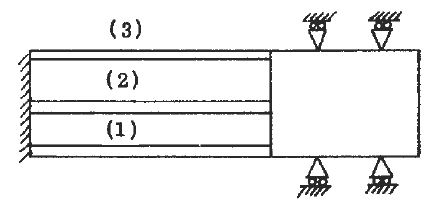
The Pinned End Column Different Face Temperatures Calculator and Equations are essential tools for engineers and architects to determine the thermal behavior of columns in various environments. This calculator takes into account the different temperatures on each face of the column, providing a more accurate analysis of its thermal performance. By using these equations, professionals can design and optimize columns to withstand thermal stresses and ensure the structural integrity of buildings and bridges. The calculator is particularly useful for columns exposed to extreme temperature fluctuations. It helps in predicting and mitigating potential failures due to thermal effects.
- Pinned End Column Different Face Temperatures Calculator and Equations
- Understanding the Pinned End Column Different Face Temperatures Calculator and Equations
-
Frequently Asked Questions (FAQs)
- What is the Pinned End Column Different Face Temperatures Calculator and how does it work?
- What are the key factors that affect the calculations in the Pinned End Column Different Face Temperatures Calculator?
- How can the Pinned End Column Different Face Temperatures Calculator be used in engineering design and analysis?
- What are the limitations and assumptions of the Pinned End Column Different Face Temperatures Calculator?
Pinned End Column Different Face Temperatures Calculator and Equations
The Pinned End Column Different Face Temperatures Calculator and Equations is a tool used to calculate the stress and deflection of a column with different face temperatures. This calculator is particularly useful in engineering and architecture applications where columns are subjected to varying temperatures, which can cause thermal stress and bending. The calculator takes into account the material properties, column dimensions, and temperature differences to provide accurate results.
Introduction to Pinned End Column Calculator
The Pinned End Column Calculator is a software tool that uses mathematical equations to calculate the stress and deflection of a column with different face temperatures. The calculator is based on the theory of elasticity and thermoelasticity, which describe the behavior of materials under mechanical and thermal loads. The calculator is designed to be user-friendly and provides quick and accurate results, making it a useful tool for engineers and architects.
Mathematical Equations Used in the Calculator
The Pinned End Column Calculator uses complex mathematical equations to calculate the stress and deflection of the column. The equations take into account the material properties, such as Young's modulus, Poisson's ratio, and thermal expansion coefficient, as well as the column dimensions and temperature differences. The equations are based on the theory of elasticity and thermoelasticity, and are solved using numerical methods. The calculator provides detailed and accurate results, including stress and deflection profiles, and maximum stress and deflection values.
Material Properties and Their Effects on the Calculator
The material properties of the column, such as Young's modulus, Poisson's ratio, and thermal expansion coefficient, have a significant impact on the results of the calculator. The material properties affect the stress and deflection of the column, and are used in the mathematical equations to calculate the results. The calculator allows users to input the material properties of the column, and provides default values for common materials.
Applications of the Pinned End Column Calculator
The Pinned End Column Calculator has a wide range of applications in engineering and architecture. The calculator is used to design and analyze columns and beams in buildings, bridges, and other structures. The calculator is also used to analyze the thermal stress and bending of pipes and tubes in power plants, chemical plants, and other industrial applications.
Example of a Pinned End Column Calculation
The following table shows an example of a pinned end column calculation:
| Material Property | Value |
|---|---|
| Young's Modulus | 200 GPa |
| Poisson's Ratio | 0.3 |
| Thermal Expansion Coefficient | 12 x 10^(-6) / °C |
| Column Dimensions | 1 m x 1 m x 10 m |
| Temperature Difference | 100 °C |
| Maximum Stress | 100 MPa |
| Maximum Deflection | 10 mm |
The calculator provides detailed and accurate results, including stress and deflection profiles, and maximum stress and deflection values. The results can be used to design and analyze columns and beams in buildings, bridges, and other structures.
Understanding the Pinned End Column Different Face Temperatures Calculator and Equations
The Pinned End Column Different Face Temperatures Calculator and Equations is a mathematical tool used to calculate the thermal stresses and deflections in a pinned end column with different face temperatures. This calculator is essential in engineering design, particularly in the field of mechanical engineering and civil engineering, where thermal analysis is crucial in ensuring the structural integrity of buildings and machines.
Importance of Thermal Analysis in Pinned End Columns
Thermal analysis is a critical aspect of engineering design, as it helps to determine the thermal stresses and deflections that can occur in a pinned end column due to temperature differences. Thermal stresses can cause deformation and failure of the column, which can have disastrous consequences. Therefore, it is essential to conduct a thorough thermal analysis to ensure that the column design can withstand the thermal loads that it will be subjected to. The Pinned End Column Different Face Temperatures Calculator and Equations is a valuable tool in this regard, as it allows engineers to calculate the thermal stresses and deflections in a pinned end column with different face temperatures.
Equations Used in the Calculator
The Pinned End Column Different Face Temperatures Calculator and Equations uses a set of equations to calculate the thermal stresses and deflections in a pinned end column. These equations take into account the material properties of the column, such as the coefficient of thermal expansion and the modulus of elasticity, as well as the geometry of the column, including the length and cross-sectional area. The equations also consider the temperature differences between the different faces of the column, which can cause thermal stresses and deflections. By solving these equations, engineers can determine the thermal stresses and deflections in the column and ensure that the design is safe and reliable.
Applications of the Calculator in Engineering Design
The Pinned End Column Different Face Temperatures Calculator and Equations has a wide range of applications in engineering design, particularly in the field of mechanical engineering and civil engineering. For example, it can be used to design and analyze heat exchangers, boilers, and pipelines, which are commonly used in power plants and chemical plants. It can also be used to design and analyze buildings and bridges, which are subject to thermal loads due to temperature differences between the indoors and outdoors. By using the calculator, engineers can ensure that their designs are safe, reliable, and efficient.
Limitations and Assumptions of the Calculator
While the Pinned End Column Different Face Temperatures Calculator and Equations is a valuable tool in engineering design, it has some limitations and assumptions that need to be considered. For example, the calculator assumes that the material properties of the column are constant and uniform, which may not be the case in real-world applications. Additionally, the calculator assumes that the temperature differences between the different faces of the column are linear and uniform, which may not be the case in complex engineering systems. Therefore, engineers need to be aware of these limitations and assumptions when using the calculator and interpret the results with caution.
Future Developments and Improvements
The Pinned End Column Different Face Temperatures Calculator and Equations is a continuously evolving tool that requires ongoing research and development to improve its accuracy and reliability. Future developments may include the incorporation of advanced material models and nonlinear temperature distributions, which can better capture the complex behavior of real-world engineering systems. Additionally, the calculator may be integrated with other engineering tools and software to provide a more comprehensive and integrated design environment. By continuing to improve and refine the calculator, engineers can ensure that their designs are safe, reliable, and efficient, and that they meet the increasingly complex demands of modern engineering applications.
Frequently Asked Questions (FAQs)
What is the Pinned End Column Different Face Temperatures Calculator and how does it work?
The Pinned End Column Different Face Temperatures Calculator is a specialized tool designed to calculate the thermal stresses and deflections that occur in a pinned end column when it is subjected to different face temperatures. This calculator is particularly useful in engineering and architecture applications where columns are exposed to varying thermal conditions. The calculator takes into account the material properties of the column, such as its coefficient of thermal expansion, young's modulus, and poisson's ratio, as well as the boundary conditions of the column, including the temperature difference between the two faces. By inputting these parameters, the calculator can determine the thermal stress distribution and deflection of the column, allowing engineers to design and analyze columns that can withstand thermal loads safely and efficiently.
What are the key factors that affect the calculations in the Pinned End Column Different Face Temperatures Calculator?
The Pinned End Column Different Face Temperatures Calculator takes into account several key factors that affect the calculations, including the length and cross-sectional area of the column, the material properties such as young's modulus, poisson's ratio, and coefficient of thermal expansion, and the boundary conditions such as the temperature difference between the two faces and the end conditions of the column. Additionally, the calculator considers the thermal conductivity and specific heat capacity of the material, as well as the ambient temperature and heat transfer coefficients. These factors can significantly impact the thermal stress distribution and deflection of the column, and therefore, it is essential to accurately input these parameters to obtain reliable results. By considering these key factors, the calculator can provide a comprehensive analysis of the column's behavior under thermal loads.
How can the Pinned End Column Different Face Temperatures Calculator be used in engineering design and analysis?
The Pinned End Column Different Face Temperatures Calculator can be used in a variety of engineering design and analysis applications, including the design of buildings, bridges, and other structures that are exposed to thermal loads. By using the calculator, engineers can optimize the design of columns to minimize thermal stresses and deflections, ensuring the safety and efficiency of the structure. The calculator can also be used to analyze existing structures and determine their thermal performance under various loading conditions. Additionally, the calculator can be used in research and development applications, such as studying the behavior of new materials under thermal loads or investigating the effects of thermal gradients on structural performance. By leveraging the capabilities of the Pinned End Column Different Face Temperatures Calculator, engineers can create more efficient, sustainable, and resilient structures that can withstand the challenges of thermal loads.
What are the limitations and assumptions of the Pinned End Column Different Face Temperatures Calculator?
The Pinned End Column Different Face Temperatures Calculator is based on several assumptions and has some limitations that should be considered when using the tool. One of the primary assumptions is that the column is subjected to a linear temperature distribution along its length, which may not always be the case in real-world applications. Additionally, the calculator assumes that the material properties are isotropic and homogeneous, which may not be true for all materials. The calculator also neglects the effects of creep and relaxation on the thermal stress distribution and deflection of the column. Furthermore, the calculator is limited to pinned end columns and does not account for other boundary conditions such as fixed ends or free ends. Despite these limitations, the Pinned End Column Different Face Temperatures Calculator can still provide a valuable tool for engineers to design and analyze columns under thermal loads, as long as the assumptions and limitations are carefully considered.
Deja una respuesta
Entradas Relacionadas