
Torsion Spring Force Calculator and Formula


The torsion spring force calculator is a valuable tool for engineers and designers, providing a rapid and accurate method for determining the force exerted by a torsion spring. Torsion springs are widely used in various applications, including door handles, garage doors, and industrial machinery. Understanding the force calculations is crucial for ensuring the spring's effectiveness and safety. The calculator utilizes a specific formula to calculate the force, taking into account the spring's dimensions and material properties. This article will delve into the formula and calculator, exploring their application and significance in engineering design. Accurate calculations are essential for optimal performance.
Torsion Spring Force Calculator and Formula
The Torsion Spring Force Calculator is a tool used to calculate the force exerted by a torsion spring, which is a type of spring that stores energy when twisted. The calculator uses the formula for torsion spring force, which is based on the spring's physical properties, such as its wire diameter, coil diameter, and number of coils. The formula for torsion spring force is: F = (K θ) / (2 π), where F is the force, K is the spring constant, θ is the angle of twist, and π is a constant.
Understanding the Torsion Spring Force Formula
The torsion spring force formula is based on the principle of torsion, which is the twisting of a spring around its central axis. The spring constant (K) is a measure of the spring's stiffness, and is calculated using the formula: K = (G d^4) / (8 n D^3), where G is the modulus of rigidity, d is the wire diameter, n is the number of coils, and D is the coil diameter. The angle of twist (θ) is the angle through which the spring is twisted, and is typically measured in radians.
Using the Torsion Spring Force Calculator
To use the Torsion Spring Force Calculator, you need to input the physical properties of the spring, such as its wire diameter, coil diameter, and number of coils. You also need to input the angle of twist, which can be measured using a protractor or other angle-measuring device. The calculator then uses the formula to calculate the force exerted by the spring, which is displayed in units of Newtons or pounds-force.
Applications of Torsion Spring Force Calculators
Torsion spring force calculators have a range of applications in engineering and design, including the design of mechanisms and machines that use torsion springs. They are also used in the manufacturing industry to test and validate the performance of torsion springs. Additionally, torsion spring force calculators are used in research and development to study the behavior of torsion springs under different conditions.
Limitations of Torsion Spring Force Calculators
There are several limitations to using torsion spring force calculators, including the assumption that the spring is ideal and that the material properties are constant. In reality, torsion springs can be subject to non-linear behavior, which can affect their performance. Additionally, the calculators assume that the spring is symmetric, which may not always be the case.
Tables and Formulas for Torsion Spring Force Calculators
The following table summarizes the key formulas and variables used in torsion spring force calculators:
| Variable | Formula | Units |
|---|---|---|
| Force (F) | F = (K θ) / (2 π) | Newtons (N) |
| Spring Constant (K) | K = (G d^4) / (8 n D^3) | Newton-meters per radian (Nm/rad) |
| Angle of Twist (θ) | θ = radians | Radians (rad) |
What is the formula for the force of a torsion spring?
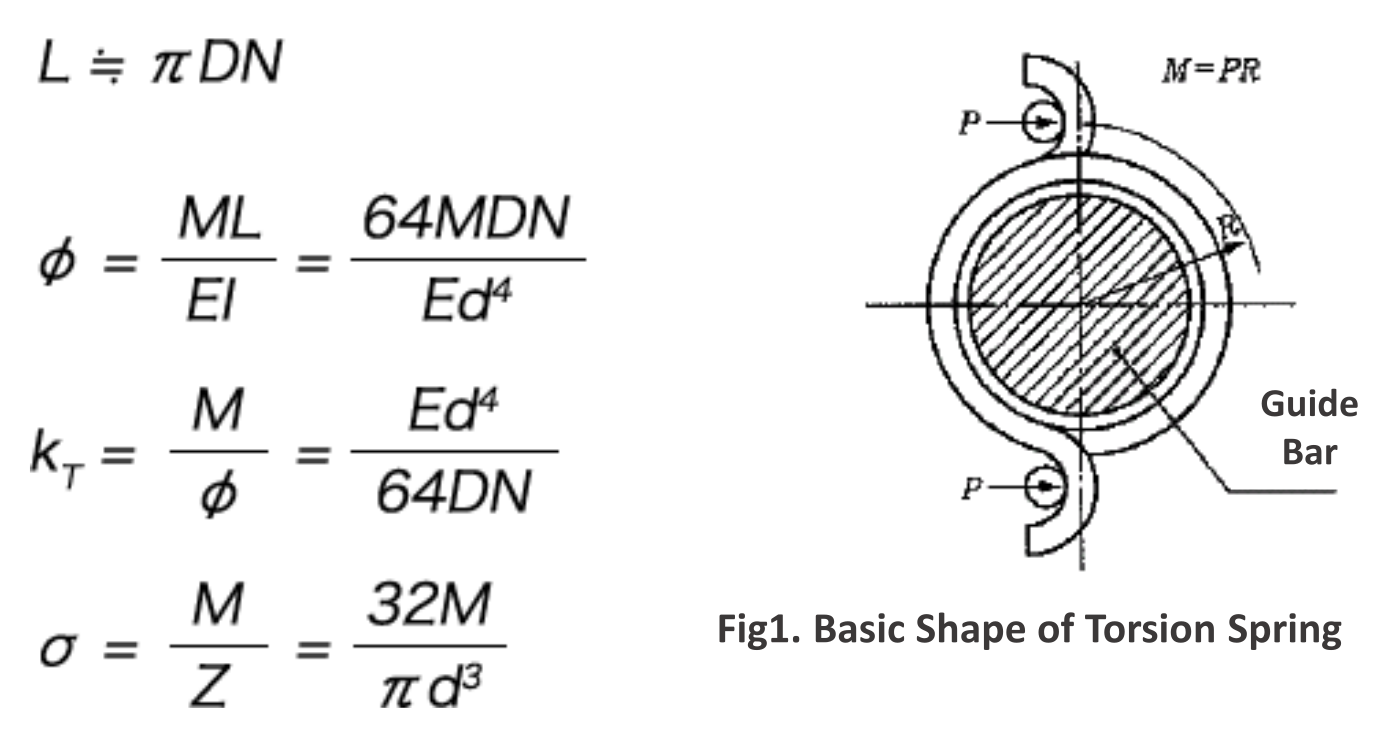
The formula for the force of a torsion spring is F = (k θ) / r, where F is the force, k is the spring constant, θ is the angle of rotation, and r is the radius of the spring. This formula calculates the force exerted by the spring as it rotates, taking into account the spring's stiffness and the distance from the axis of rotation.
Understanding Torsion Spring Forces
The force of a torsion spring is a critical factor in designing and engineering applications that involve rotational motion. To calculate this force, engineers use the formula F = (k θ) / r, which requires knowledge of the spring constant, the angle of rotation, and the radius of the spring. The following key points are essential to understanding torsion spring forces:
- The spring constant (k) is a measure of the spring's stiffness, which determines how much force is required to rotate the spring by a given angle.
- The angle of rotation (θ) is the amount of rotation of the spring from its equilibrium position, typically measured in radians.
- The radius of the spring (r) is the distance from the axis of rotation to the point where the force is applied.
Calculating Torsion Spring Constants
To determine the spring constant of a torsion spring, engineers often use the formula k = (G J) / L, where G is the shear modulus of the spring material, J is! the polar moment of inertia of the spring, and L is the length of the spring. This formula requires knowledge of the spring's material properties and geometry. The following factors are crucial in calculating torsion spring constants:
- The shear modulus (G) is a measure of the spring material's resistance to shear stress.
- The polar moment of inertia (J) is a measure of the spring's resistance to torsion, which depends on its cross-sectional shape and size.
- The length of the spring (L) affects the spring's stiffness, with longer springs typically being less stiff than shorter springs.
Torsion Spring Design Considerations
When designing a torsion spring, engineers must consider several factors, including the spring constant, the angle of rotation, and the maximum torque that the spring can withstand. The following design considerations are essential:
- The spring constant must be chosen to provide the desired level of stiffness and resistance to rotation.
- The angle of rotation must be limited to prevent over-rotation and potential damage to the spring.
- The maximum torque that the spring can withstand must be calculated to ensure that the spring does not fail under load.
Applications of Torsion Springs
Torsion springs have a wide range of applications, including automotive, aerospace, and industrial uses. The following applications are typical examples:
- Automotive applications, such as steering and suspension systems, rely on torsion springs to provide damping and stability.
- Aerospace applications, such as aircraft and spacecraft, use torsion springs to provide vibration isolation and structural support.
- Industrial applications, such as machinery and equipment, often employ torsion springs to provide flexibility and motion control.
Testing and Validation of Torsion Springs
To ensure that a torsion spring functions as designed, engineers must perform testing and validation procedures. The following steps are critical:
- Static testing involves measuring the spring's force and displacement under static loads to verify its spring constant and maximum torque.
- Dynamic testing involves measuring the spring's response to dynamic loads, such as vibration and impact, to verify its damping and stability.
- Fatigue testing involves subjecting the spring to repeated loading and unloading cycles to verify its endurance and reliability.
How do you calculate torsion force?
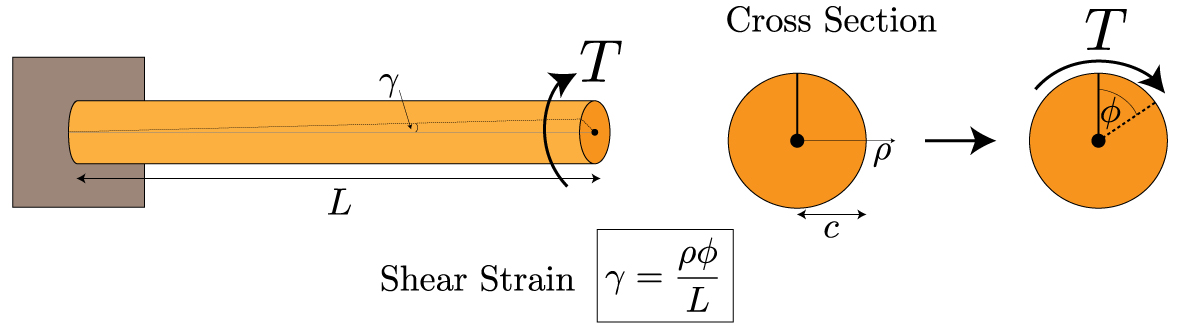
To calculate torsion force, you need to understand the concept of torque and how it affects an object. Torsion force, also known as torque, is a measure of the rotational force that causes an object to twist or rotate around a fixed axis. The calculation of torsion force involves the use of formulas and equations that take into account the moment of inertia, angular acceleration, and radius of the object.
Understanding Torsion Force
Torsion force is a vector quantity that depends on the magnitude and direction of the force applied to an object. To calculate torsion force, you need to consider the torque generated by the force, which is measured in newton-meters (N·m). The formula for calculating torsion force is: T = r x F, where T is the torsion force, r is the radius of the object, and F is the force applied. Here are some key points to consider:
- The moment of inertia of the object affects the torsion force, with a higher moment of inertia resulting in a lower torsion force.
- The angular acceleration of the object also affects the torsion force, with a higher angular acceleration resulting in a higher torsion force.
- The radius of the object is a critical factor in calculating torsion force, as it determines the lever arm of the force applied.
Calculating Torsion Force with Formulas
To calculate torsion force, you can use the formula: T = (F x r) / (2 x π), where T is the torsion force, F is the force applied, and r is the radius of the object. This formula assumes a circular cross-section and a constant force applied. Here are some key points to consider:
- The unit of measurement for torsion force is newton-meters (N·m).
- The formula for calculating torsion force assumes a static system, where the force is applied slowly and uniformly.
- The moment of inertia of the object can be calculated using the formula: I = (1/2) x m x r^2, where I is the moment of inertia, m is the mass of the object, and r is the radius of the object.
Factors Affecting Torsion Force
Several factors can affect the torsion force, including the material properties of the object, the geometry of the object, and the environmental conditions. Here are some key points to consider:
- The material properties, such as elastic modulus and shear modulus, can affect the torsion force.
- The geometry of the object, including the shape and size, can also affect the torsion force.
- The environmental conditions, such as temperature and humidity, can affect the torsion force by changing the material properties.
Applications of Torsion Force
Torsion force has many practical applications in engineering and physics, including the design of shafts, gears, and springs. Here are some key points to consider:
- The design of shafts and gears requires a deep understanding of torsion force and its effects on materials.
- The calculation of torsion force is critical in the design of springs, which are used to absorb and store energy.
- The measurement of torsion force is also important in quality control and testing of materials and components.
Measuring Torsion Force
Measuring torsion force requires the use of specialized instruments, such as torque meters and torsion testers. Here are some key points to consider:
- The accuracy of the measurement is critical in engineering and physics applications.
- The type of instrument used can affect the accuracy and reliability of the measurement.
- The calibration of the instrument is also important to ensure accurate and reliable measurements.
How do you calculate spring force?

To calculate spring force, we use Hooke's Law, which states that the force exerted by a spring is directly proportional to its displacement from its equilibrium position. The formula for calculating spring force is F = kx, where F is the force exerted by the spring, k is the spring constant, and x is the displacement of the spring from its equilibrium position.
Understanding Hooke's Law
Hooke's Law is a fundamental concept in physics that describes the relationship between the force exerted by a spring and its displacement. The law states that the force is directly proportional to the displacement, meaning that as the displacement increases, the force also increases. This can be expressed mathematically as F = kx, where k is the spring constant. The spring constant is a measure of the stiffness of the spring, with higher values indicating a stiffer spring.
- The spring constant is typically measured in units of Newtons per meter (N/m)
- The displacement is measured in units of meters (m)
- The force is measured in units of Newtons (N)
Factors Affecting Spring Force
There are several factors that can affect the spring force, including the spring constant, displacement, and mass. The spring constant is the most important factor, as it determines the stiffness of the spring. The displacement is also important, as it determines the amount of force exerted by the spring. The mass of the object attached to the spring can also affect the spring force, as it can change the equilibrium position of the spring.
- The spring constant is affected by the material and geometry of the spring
- The displacement is affected by the mass and velocity of the object
- The mass is affected by the density and volume of the object
Calculating Spring Constant
The spring constant can be calculated using the formula k = F/x, where F is the force exerted by the spring and x is the displacement. This formula can be rearranged to solve for the spring constant, given the force and displacement. The spring constant is an important parameter in determining the behavior of the spring, and is often used in engineering and physics applications.
- The spring constant is typically measured using a tensile test
- The force and displacement are measured using sensors and data acquisition systems
- The spring constant is calculated using software and algorithms
Real-World Applications of Spring Force
The spring force has many real-world applications, including in engineering, physics, and materials science. The spring force is used in designing and optimizing systems, such as suspension systems and vibration isolators. The spring force is also used in analyzing and modeling the behavior of materials and structures.
- The spring force is used in designing shock absorbers and vibration dampers
- The spring force is used in analyzing the behavior of materials under tensile and compressive loading
- The spring force is used in modeling the response of structures to dynamic and static loading
Common Mistakes in Calculating Spring Force
There are several common mistakes that can be made when calculating the spring force, including assuming a linear relationship between the force and displacement, and ignoring the effects of friction and damping. The spring force can also be affected by non-linear effects, such as hysteresis and plasticity.
- The linear assumption can lead to errors in calculating the spring force
- The friction and damping effects can reduce the accuracy of the calculation
- The non-linear effects can affect the behavior of the spring and alter the calculation
What is the torque of a torsion spring?
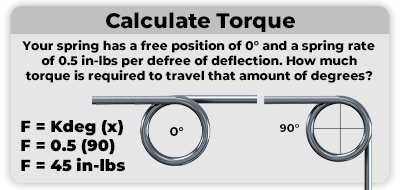
The torque of a torsion spring is a measure of the rotational force that causes the spring to twist or rotate around its axis. It is typically measured in units of newton-meters or inch-pounds. The torque of a torsion spring is dependent on several factors, including the spring's material, wire diameter, and number of coils. As the spring is twisted, the torque increases, and the spring stores energy. When the torque is removed, the spring returns to its original position, releasing the stored energy.
Understanding Torsion Spring Torque
The torque of a torsion spring can be calculated using the spring constant, which is a measure of the spring's stiffness. The spring constant is typically provided by the manufacturer or can be calculated using the spring's dimensions and material properties. The torque of a torsion spring can be calculated using the following formula: Torque = Spring Constant x Angle of Rotation. Some key factors to consider when understanding torsion spring torque include:
- The spring's material and its mechanical properties, such as yield strength and ultimate tensile strength.
- The wire diameter and coil diameter, which affect the spring's stiffness and torque.
- The number of coils, which affects the spring's overall stiffness and torque.
Calculating Torsion Spring Torque
To calculate the torque of a torsion spring, you need to know the spring constant, angle of rotation, and wire diameter. The spring constant can be calculated using the spring's dimensions and material properties. The angle of rotation is the amount of twist applied to the spring. Some key steps to calculate torsion spring torque include:
- Determine the spring constant using the spring's dimensions and material properties.
- Measure the angle of rotation applied to the spring.
- Use the formula: Torque = Spring Constant x Angle of Rotation to calculate the torque.
Factors Affecting Torsion Spring Torque
Several factors can affect the torque of a torsion spring, including the spring's material, wire diameter, and number of coils. The spring's material can affect the spring's stiffness and torque, with stiffer materials producing higher torque values. Some key factors to consider when evaluating torsion spring torque include:
- The spring's material and its mechanical properties, such as yield strength and ultimate tensile strength.
- The wire diameter and coil diameter, which affect the spring's stiffness and torque.
- The number of coils, which affects the spring's overall stiffness and torque.
Applications of Torsion Spring Torque
Torsion spring torque is used in a variety of applications, including machine design, mechanical engineering, and product design. The torque of a torsion spring can be used to measure rotational force, store energy, and provide resistance to rotation. Some key applications of torsion spring torque include:
- Machine design, where torsion springs are used to measure torque and control rotation.
- Mechanical engineering, where torsion springs are used to store energy and provide resistance to rotation.
- Product design, where torsion springs are used to measure rotational force and provide a smooth rotation.
Design Considerations for Torsion Spring Torque
When designing a torsion spring, several factors must be considered to ensure the spring meets the required torque specifications. The spring's material, wire diameter, and number of coils must be carefully selected to achieve the desired torque. Some key design considerations for torsion spring torque include:
- Selecting the right material for the spring, based on the required mechanical properties.
- Calculating the optimal wire diameter and coil diameter to achieve the desired torque.
- Determining the number of coils required to achieve the desired torque and stiffness.
Frequently Asked Questions (FAQs)
What is the purpose of a Torsion Spring Force Calculator and Formula?
The Torsion Spring Force Calculator and Formula are used to determine the force and torque required to rotate a torsion spring by a certain angle. This calculation is crucial in the design and engineering of various mechanical systems, including mechanisms, gears, and linkages. By using the calculator and formula, engineers can ensure that their designs are safe, efficient, and reliable. The calculator takes into account the spring constant, wire diameter, and number of coils to calculate the force and torque required. This information is essential for selecting the appropriate materials and dimensions for the spring, as well as for predicting its behavior under different loads and conditions.
How does the Torsion Spring Force Calculator and Formula work?
The Torsion Spring Force Calculator and Formula work by using the fundamental principles of mechanics and materials science to model the behavior of a torsion spring. The calculator uses a set of inputs, including the spring constant, wire diameter, number of coils, and angle of rotation, to calculate the force and torque required. The formula is based on the equations of motion for a torsion spring, which take into account the stiffness, damping, and inertia of the spring. By solving these equations, the calculator can provide an accurate prediction of the force and torque required to rotate the spring by a certain angle. This information is essential for designing and optimizing mechanical systems that use torsion springs, such as gears, linkages, and mechanisms.
What are the key factors that affect the Torsion Spring Force Calculator and Formula?
There are several key factors that affect the Torsion Spring Force Calculator and Formula, including the spring constant, wire diameter, number of coils, and angle of rotation. The spring constant is a measure of the stiffness of the spring, and it plays a crucial role in determining the force and torque required. The wire diameter and number of coils also have a significant impact on the behavior of the spring, as they affect its stiffness, damping, and inertia. Additionally, the angle of rotation is an important factor, as it determines the amount of twist that the spring undergoes. Other factors, such as the material properties of the spring, including its elastic modulus and poisson's ratio, can also affect the calculation. By taking these factors into account, the calculator and formula can provide an accurate prediction of the force and torque required to rotate the spring.
What are the applications of the Torsion Spring Force Calculator and Formula?
The Torsion Spring Force Calculator and Formula have a wide range of applications in various fields, including mechanical engineering, aerospace engineering, and automotive engineering. They are used to design and optimize mechanical systems, such as gears, linkages, and mechanisms, that use torsion springs. The calculator and formula are also used in the design and development of new products, such as robots, machines, and devices, that require precise control and reliable performance. Additionally, they are used in research and development to study the behavior of torsion springs and to improve their design and performance. By using the calculator and formula, engineers and researchers can save time and reduce costs associated with trial and error methods, and improve the safety and reliability of their designs.
Deja una respuesta
Entradas Relacionadas