
Plastic Spur Gearing Design Hp and Operating Stress Equations and Calculator

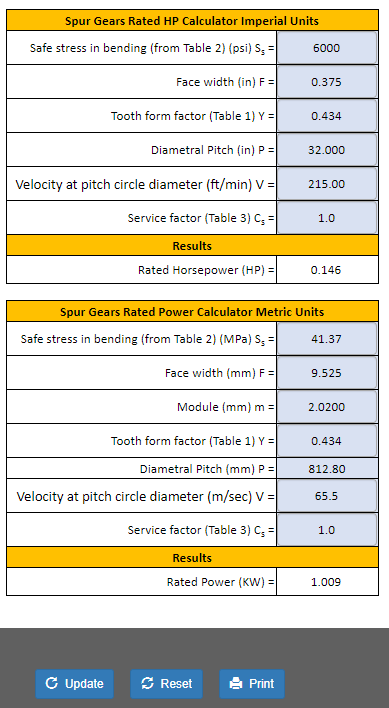
The design of plastic spur gears requires careful consideration of various factors to ensure reliable and efficient operation. One crucial aspect is determining the horsepower (Hp) and operating stress that the gears can withstand. This involves complex calculations, taking into account the gear's material properties, tooth profile, and operating conditions. By using specific equations and calculators, engineers can accurately predict the performance of plastic spur gears and optimize their design for various applications, ultimately leading to improved durability, reduced wear, and increased overall system efficiency. This article provides a comprehensive overview of these equations and calculator tools.
- Design and Calculation of Plastic Spur Gearing: A Comprehensive Overview
- Design Considerations for Plastic Spur Gearing
-
Frequently Asked Questions (FAQs)
- What is Plastic Spur Gearing Design and its importance in mechanical systems?
- How do HP and Operating Stress Equations impact the design of Plastic Spur Gears?
- What are the key factors to consider when designing Plastic Spur Gears using HP and Operating Stress Equations?
- How can a calculator be used to simplify the design process of Plastic Spur Gears using HP and Operating Stress Equations?
Design and Calculation of Plastic Spur Gearing: A Comprehensive Overview
The design and calculation of plastic spur gearing is a complex process that requires careful consideration of various factors, including gear geometry, material selection, and operating conditions. Plastic spur gears are widely used in various industries, such as automotive, aerospace, and industrial equipment, due to their lightweight, corrosion resistance, and low noise characteristics. However, plastic gears are more prone to wear and fatigue than metal gears, which requires careful design and calculation to ensure reliable operation.
Introduction to Plastic Spur Gearing Design
Plastic spur gearing design involves the selection of gear geometry, including pitch diameter, tooth width, and tooth profile, to achieve the desired transmission ratio and torque capacity. The design process also involves the selection of plastic materials, such as polyamide, polypropylene, or polyetheretherketone (PEEK), which offer high strength-to-weight ratios and good wear resistance. The design of plastic spur gears requires careful consideration of stress concentrations, thermal expansion, and moisture absorption, which can affect the gear performance and lifetime.
Gear Geometry and Tooth Profile
The gear geometry and tooth profile of plastic spur gears are critical factors that affect the gear performance and lifetime. The tooth profile should be designed to minimize stress concentrations and wear, while also providing smooth engagement and disengagement. The pitch diameter and tooth width should be selected to achieve the desired transmission ratio and torque capacity, while also minimizing gear noise and vibration. The following table summarizes the key factors that affect the gear geometry and tooth profile of plastic spur gears:
| Factor | Description |
|---|---|
| Pitch Diameter | The diameter of the gear pitch circle, which affects the transmission ratio and torque capacity. |
| Tooth Width | The width of the gear tooth, which affects the gear strength and wear resistance. |
| Tooth Profile | The shape of the gear tooth, which affects the gear performance and lifetime. |
Material Selection and Properties
The selection of plastic materials for spur gears is critical, as it affects the gear performance and lifetime. Plastic materials, such as polyamide, polypropylene, or PEEK, offer high strength-to-weight ratios and good wear resistance, but may be prone to creep and thermal expansion. The material properties, such as tensile strength, flexural strength, and impact resistance, should be carefully evaluated to ensure that the gear meets the required performance and lifetime standards.
Operating Stress Equations and Calculator
The operating stress equations and calculator are used to predict the stress and strain on the gear teeth during operation. The stress equations take into account the gear geometry, material properties, and operating conditions, such as torque, speed, and temperature. The calculator can be used to evaluate the gear performance and lifetime under various operating conditions, and to optimize the gear design for improved reliability and efficiency.
Design Verification and Testing
The design verification and testing of plastic spur gears involve the use of finite element analysis (FEA) and experimental testing to validate the gear design and performance. The FEA can be used to evaluate the stress and strain on the gear teeth, while the experimental testing can be used to evaluate the gear performance and lifetime under various operating conditions. The design verification and testing are critical steps in the gear design process, as they ensure that the gear meets the required performance and lifetime standards.
Design Considerations for Plastic Spur Gearing
When designing plastic spur gears, it's essential to consider various factors that affect their performance, durability, and overall efficiency. One of the primary concerns is the stress that the gears will be subjected to during operation. The design horsepower and operating stress equations play a crucial role in determining the suitability of the gear material and the design's overall feasibility. The calculator used to determine these values must be accurate and reliable to ensure that the gears can withstand the expected loads and torques. By carefully evaluating these factors, designers can create plastic spur gears that meet the required performance and reliability standards.
Materials Selection for Plastic Spur Gearing
Selecting the right material for plastic spur gears is critical to their performance and longevity. The chosen material must possess the necessary mechanical properties, such as tensile strength, impact resistance, and wear resistance, to withstand the stresses and loads imposed on the gears. Thermoplastics, such as polyamide and polypropylene, are commonly used for plastic spur gears due to their excellent mechanical properties and chemical resistance. However, other materials like thermosets and composites may also be suitable depending on the specific application and operating conditions. The designer must carefully evaluate the material's properties and choose the most suitable one for the intended application.
Design Horsepower and Operating Stress Equations
The design horsepower and operating stress equations are used to determine the maximum allowable stress that the plastic spur gears can withstand. These equations take into account various factors, including the gear tooth profile, pitch diameter, face width, and material properties. The design horsepower equation calculates the maximum power that the gears can transmit, while the operating stress equation determines the maximum stress that the gears will experience during operation. By using these equations, designers can ensure that the plastic spur gears are designed to withstand the expected loads and torques, minimizing the risk of failure and ensuring reliable operation.
Gear Tooth Profile and Pitch Diameter Considerations
The gear tooth profile and pitch diameter play a significant role in determining the performance and efficiency of plastic spur gears. The gear tooth profile affects the contact ratio, tooth deflection, and stress concentration, while the pitch diameter influences the gear ratio, torque, and speed. A well-designed gear tooth profile can help reduce wear and noise, while an optimal pitch diameter can minimize stress and deflection. By carefully considering these factors, designers can create plastic spur gears that exhibit smooth operation, high efficiency, and long lifespan.
Calculator for Plastic Spur Gearing Design
A calculator is an essential tool for designing plastic spur gears. It enables designers to quickly and accurately calculate the design horsepower, operating stress, and other critical parameters. The calculator should be based on reliable equations and material properties to ensure that the results are accurate and trustworthy. By using a calculator, designers can optimize their designs, reduce the risk of failure, and improve the overall performance and reliability of the plastic spur gears. Additionally, the calculator can help designers to compare different design options, evaluate the effects of various parameters, and refine their designs to meet the required specifications.
Operating Conditions and Reliability Considerations
The operating conditions and reliability of plastic spur gears are critical factors that must be considered during the design process. The operating conditions, including temperature, humidity, and contamination, can significantly affect the performance and longevity of the gears. The designer must ensure that the plastic spur gears are designed to withstand the expected operating conditions, and that they will reliably transmit the required power and torque. By carefully evaluating the operating conditions and reliability considerations, designers can create plastic spur gears that meet the required performance and reliability standards, and that will withstand the rigors of real-world operation. The designer must also consider the failure modes and effects of the gears, and implement reliability-enhancing features, such as redundancy and condition monitoring, to ensure high reliability and availability.
Frequently Asked Questions (FAQs)
What is Plastic Spur Gearing Design and its importance in mechanical systems?
Plastic spur gearing design is a crucial aspect of mechanical engineering that involves the creation of gear systems using plastic materials. The importance of plastic spur gearing design lies in its ability to provide a cost-effective and lightweight alternative to traditional metal gear systems. Plastic gears are widely used in various industries, including automotive, aerospace, and medical devices, due to their high strength-to-weight ratio, corrosion resistance, and low friction properties. The design of plastic spur gears requires careful consideration of factors such as tooth profile, pitch diameter, and material selection to ensure optimal performance and durability. By using advanced computer-aided design (CAD) software and finite element analysis (FEA), engineers can optimize the design of plastic spur gears to meet specific application requirements and performance criteria.
How do HP and Operating Stress Equations impact the design of Plastic Spur Gears?
The design of plastic spur gears is heavily influenced by horsepower (HP) and operating stress equations, which play a critical role in determining the structural integrity and performance of the gear system. The HP equation is used to calculate the power transmission capacity of the gear system, taking into account factors such as torque, speed, and efficiency. The operating stress equation, on the other hand, is used to calculate the stress and strain on the gear teeth, which is essential for determining the fatigue life and failure risk of the gear system. By using complex mathematical models and simulation software, engineers can analyze the HP and operating stress equations to optimize the design of plastic spur gears and ensure that they can withstand the expected loads and operating conditions. The use of advanced materials and manufacturing techniques can also help to reduce the weight and cost of the gear system while maintaining its performance and reliability.
What are the key factors to consider when designing Plastic Spur Gears using HP and Operating Stress Equations?
When designing plastic spur gears using HP and operating stress equations, there are several key factors to consider, including material properties, gear geometry, and operating conditions. The material properties, such as tensile strength, flexural modulus, and impact resistance, play a crucial role in determining the structural integrity and performance of the gear system. The gear geometry, including tooth profile, pitch diameter, and face width, must be carefully designed to ensure optimal engagement and minimal wear. The operating conditions, such as temperature, humidity, and vibration, can also impact the performance and reliability of the gear system. By using sensitivity analysis and optimization techniques, engineers can identify the most critical factors and optimize the design of plastic spur gears to meet specific application requirements and performance criteria. The use of computer-aided engineering (CAE) software and testing protocols can also help to validate the design and ensure that the gear system meets the required safety and regulatory standards.
How can a calculator be used to simplify the design process of Plastic Spur Gears using HP and Operating Stress Equations?
A calculator can be a valuable tool in simplifying the design process of plastic spur gears using HP and operating stress equations. By using a calculator software, engineers can quickly and easily perform complex calculations and simulations, saving time and reducing the risk of human error. The calculator can be used to input design parameters, such as gear geometry, material properties, and operating conditions, and then calculate the HP and operating stress values. The calculator can also be used to optimize the design of plastic spur gears by iterating on different design parameters and evaluating the resulting performance and reliability. Additionally, the calculator can be used to generate reports and visualizations, providing a clear and concise representation of the design results. By using a calculator, engineers can streamline the design process, reduce costs, and improve the overall quality and reliability of the plastic spur gear system. The use of cloud-based calculator software can also enable collaboration and knowledge sharing among engineers, facilitating the development of best practices and industry standards for plastic spur gear design.
Deja una respuesta
Entradas Relacionadas