
Percent Difference Calculator Engineering Calculators

The Percent Difference Calculator is a crucial tool in engineering, enabling users to calculate the difference between two values as a percentage. This calculator is essential in various fields, including physics, chemistry, and mathematics, where comparing and analyzing data is vital. By inputting the initial and final values, users can quickly determine the percentage change, which is useful in assessing the impact of changes, measuring performance, and making informed decisions. The calculator provides accurate results, making it a reliable resource for engineers and students alike, saving time and reducing errors in calculations. It's easy to use and understand.
- Introduction to Percent Difference Calculator in Engineering Calculators
- How to calculate percentage difference in calculator?
- How to calculate 10% difference between two numbers?
-
Frequently Asked Questions (FAQs)
- What is the purpose of a Percent Difference Calculator in engineering?
- How does the Percent Difference Calculator work in engineering calculations?
- What are the benefits of using a Percent Difference Calculator in engineering?
- How can engineers apply the Percent Difference Calculator in real-world engineering problems?
Introduction to Percent Difference Calculator in Engineering Calculators
The Percent Difference Calculator is a valuable tool in engineering calculators that enables users to calculate the percentage difference between two values. This calculator is widely used in various fields of engineering, such as mechanical, electrical, and civil engineering, to determine the percentage change or difference between two quantities. The percent difference calculator is essential in engineering design, analysis, and optimization, where small changes in parameters can significantly impact the overall performance of a system.
What is Percent Difference Calculator?
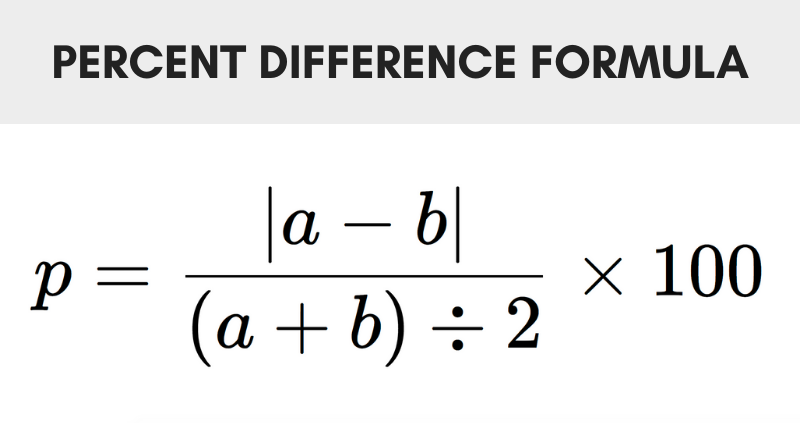
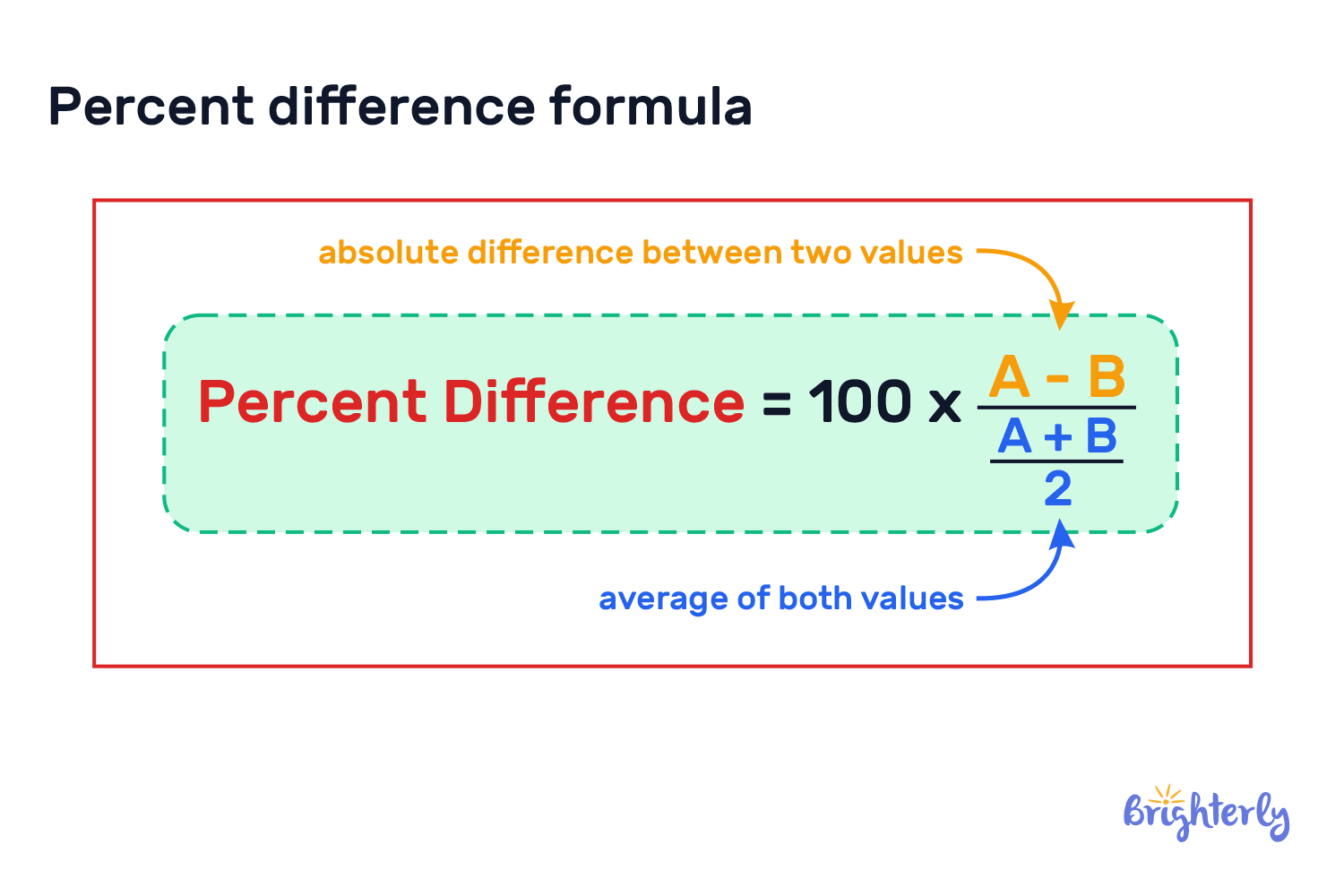
The Percent Difference Calculator is an online tool that calculates the percentage difference between two values. It is commonly used to compare two quantities and determine the percentage change or difference between them. The calculator takes two input values and returns the percentage difference between them. The percent difference is calculated using the formula: ((|value1 - value2|) / ((value1 + value2) / 2)) 100.
How to Use Percent Difference Calculator in Engineering
To use the Percent Difference Calculator in engineering, simply enter the two values you want to compare, and the calculator will return the percentage difference between them. For example, if you want to calculate the percentage difference between the theoretical and actual values of a mechanical component, you can enter the two values into the calculator, and it will return the percentage difference. The calculator is useful in engineering design, where small changes in parameters can significantly impact the overall performance of a system.
Applications of Percent Difference Calculator in Engineering
The Percent Difference Calculator has numerous applications in engineering, including:
| Application | Description |
|---|---|
| Mechanical Engineering | Calculating percentage difference between theoretical and actual values of mechanical components |
| Electrical Engineering | Calculating percentage difference between theoretical and actual values of electrical circuits |
| Civil Engineering | Calculating percentage difference between theoretical and actual values of structural components |
Benefits of Using Percent Difference Calculator
The Percent Difference Calculator offers several benefits, including:
Easy to use: The calculator is simple to use and requires minimal input from the user.
Accurate results: The calculator provides accurate results, which is essential in engineering design and analysis.
Time-saving: The calculator saves time and effort, as it eliminates the need for manual calculations.
Limitations of Percent Difference Calculator
While the Percent Difference Calculator is a valuable tool in engineering, it has some limitations, including:
Assumes linear relationship: The calculator assumes a linear relationship between the two values, which may not always be the case.
Does not account for uncertainty: The calculator does not account for uncertainty or errors in the input values, which can impact the accuracy of the results. The accuracy of the calculator depends on the quality of the input data.
How to calculate percentage difference in calculator?
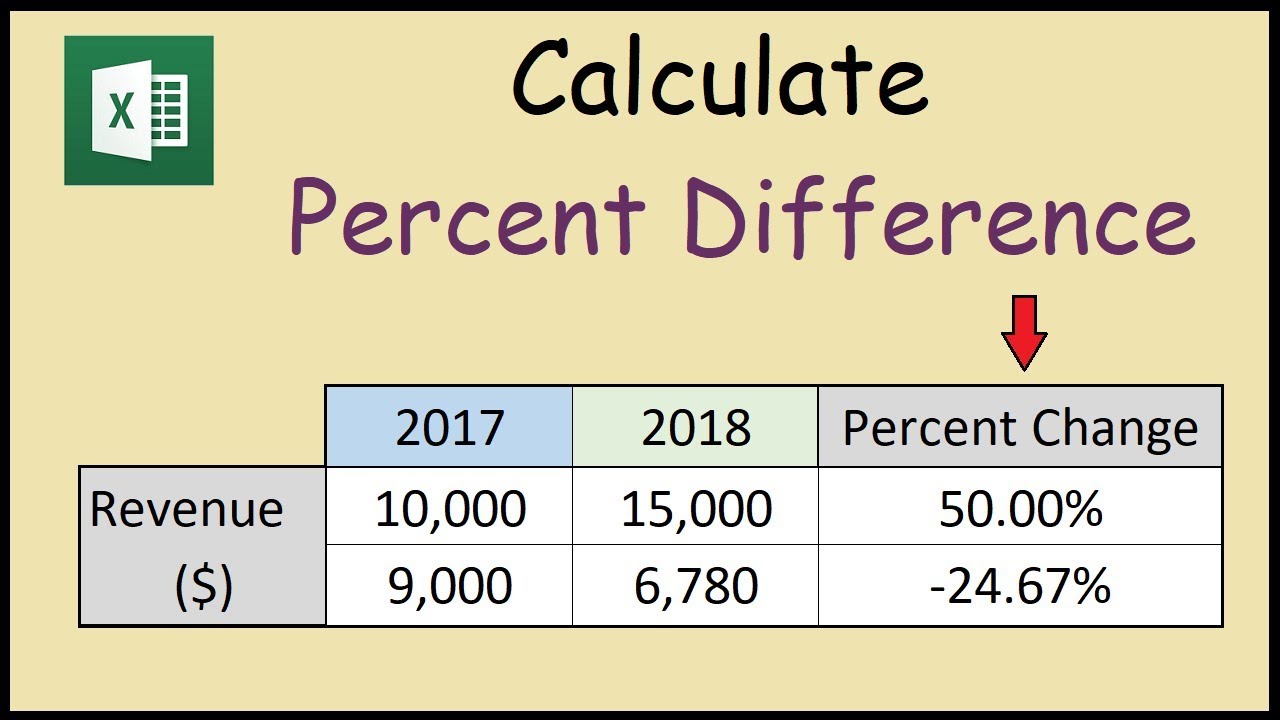
To calculate the percentage difference in a calculator, you can use the following formula: ((New Value - Old Value) / Old Value) x 100. This will give you the percentage change between the two values. For example, if you want to calculate the percentage difference between 20 and 30, you would plug in the values into the formula and get: ((30 - 20) / 20) x 100 = 50%. This means that the new value (30) is 50% greater than the old value (20).
Understanding the Formula
The formula for calculating percentage difference is quite simple. It involves subtracting the old value from the new value, dividing the result by the old value, and then multiplying by 100. This gives you the percentage change between the two values. Here are the steps to follow:
- Subtract the old value from the new value to get the difference.
- Divide the difference by the old value to get the percentage change.
- Multiply the result by 100 to get the percentage difference.
Using a Calculator
To calculate the percentage difference using a calculator, you can simply plug in the values into the formula. For example, if you want to calculate the percentage difference between 25 and 35, you would enter the following into your calculator: ((35 - 25) / 25) x 100. The calculator will then give you the percentage difference, which in this case would be 40%. Here are the steps to follow:
- Enter the new value into the calculator.
- Subtract the old value from the new value using the calculator.
- Divide the result by the old value and multiply by 100.
Real-World Applications
Calculating percentage difference has many real-world applications. For example, it can be used to calculate the percentage increase in sales or the percentage decrease in costs. It can also be used to calculate the percentage change in stock prices or the percentage return on investments. Here are some examples:
- Calculating the percentage increase in sales from one quarter to the next.
- Calculating the percentage decrease in costs after implementing cost-cutting measures.
- Calculating the percentage change in stock prices over a given period.
Common Mistakes
When calculating percentage difference, there are several common mistakes to watch out for. One of the most common mistakes is forgetting to divide by the old value before multiplying by 100. Another mistake is using the wrong values in the formula. Here are some tips to avoid these mistakes:
- Double-check that you are using the correct values in the formula.
- Make sure to divide by the old value before multiplying by 100.
- Use a calculator to perform the calculations to avoid math errors.
Alternative Methods
There are also alternative methods for calculating percentage difference. One method is to use a percentage change calculator or a spreadsheet program that can perform the calculations for you. Another method is to use a mathematical formula that can simplify the calculations. Here are some examples:
- Using a percentage change calculator to perform the calculations.
- Using a spreadsheet program to perform the calculations.
- Using a mathematical formula to simplify the calculations, such as the percentage change formula: (New Value - Old Value) / Old Value x 100.
How to calculate 10% difference between two numbers?
To calculate the 10% difference between two numbers, you need to first find the absolute difference between the two numbers and then determine if this difference is 10% of either of the numbers. The formula for finding the percentage difference is: ((|number1 - number2| / (number1 + number2) / 2) 100). However, to specifically check for a 10% difference, you compare the absolute difference to 10% of the average of the two numbers or to 10% of either number, depending on the context of your calculation.
Understanding Percentage Difference
Calculating the percentage difference involves understanding what percentage means - it's a fraction with the denominator being 100. The percentage difference between two numbers shows how much one number has increased or decreased compared to the other. To calculate the 10% difference, you need to understand that 10% of a number is 0.1 times that number. You can calculate the percentage difference by finding 10% of one of the numbers and comparing it to the absolute difference between the two numbers.
- Calculate the absolute difference between the two numbers.
- Find 10% of one of the numbers by multiplying it by 0.1.
- Compare the absolute difference to the 10% value to see if it matches the criteria for a 10% difference.
Calculating Absolute Difference
The absolute difference between two numbers is found by subtracting one number from the other and taking the absolute value of the result. This can be represented as |number1 - number2|. The absolute value ensures the result is always positive, regardless of the order of subtraction.
- Determine the two numbers you are comparing.
- Subtract one number from the other.
- Take the absolute value of the result.
Assessing the Relevance of Percentage Difference
When assessing if there's a 10% difference, consider what the difference means in the context of your data. A 10% difference might be significant in some analyses, while in others, it might not be.
- Consider the scale of the numbers involved.
- Evaluate what a 10% change means for your specific analysis or application.
- Determine if other factors could influence the perceived significance of the difference.
Using Percentage Difference in Real-World Applications
The calculation of percentage difference, including checking for a 10% difference, is crucial in many real-world applications, such as finance, engineering, and scientific research. It helps in understanding changes, growth, or decline over time or between different groups.
- Identify areas where percentage differences can provide valuable insights.
- Apply the percentage difference formula to relevant data sets.
- Analyze the results to draw meaningful conclusions.
Software Tools for Calculating Percentage Differences
There are many software tools and spreadsheet programs like Microsoft Excel or Google Sheets that can easily calculate percentage differences, including a 10% difference, between two numbers. These tools often have built-in functions that simplify the calculation process, making it more efficient to analyze data and draw conclusions.
- Familiarize yourself with the software's percentage calculation functions.
- Input your data into the software.
- Use the appropriate function to calculate and compare percentage differences.
Frequently Asked Questions (FAQs)
What is the purpose of a Percent Difference Calculator in engineering?
The Percent Difference Calculator is a valuable tool in engineering that allows users to calculate the percentage difference between two values. This is particularly useful in engineering applications where precision and accuracy are crucial. By using the calculator, engineers can quickly determine the percentage change between an initial and final value, which is essential in various fields such as mechanical engineering, electrical engineering, and civil engineering. The calculator takes into account the absolute difference between the two values and expresses it as a percentage of the initial value, providing a clear and concise way to compare and analyze data. This tool is especially useful when dealing with experimental data, measurement errors, and optimization problems.
How does the Percent Difference Calculator work in engineering calculations?
The Percent Difference Calculator works by using a simple formula to calculate the percentage difference between two values. The formula is: ((final value - initial value) / initial value) x 100. This formula takes into account the difference between the two values and expresses it as a percentage of the initial value. The calculator can be used in a variety of engineering applications, such as calculating the percentage change in temperature, pressure, or flow rate. The calculator is also useful for calculating the percentage error in measurements and experimental data, allowing engineers to evaluate and improve their designs and systems. By using the calculator, engineers can quickly and easily perform complex calculations and gain a deeper understanding of their data, which is essential in fields such as aerospace engineering, chemical engineering, and biomedical engineering.
What are the benefits of using a Percent Difference Calculator in engineering?
The Percent Difference Calculator offers several benefits to engineers, including increased accuracy, improved precision, and enhanced decision-making. By using the calculator, engineers can quickly and easily calculate the percentage difference between two values, which is essential in many engineering applications. The calculator also helps engineers to identify trends and patterns in their data, which can inform design decisions and optimization strategies. Additionally, the calculator can be used to evaluate and compare different design options, allowing engineers to select the most effective and efficient solution. The calculator is also a valuable tool for communicating results and presenting data to stakeholders, as it provides a clear and concise way to express complex data and trends. Overall, the Percent Difference Calculator is a valuable resource for engineers, providing a quick and easy way to perform complex calculations and gain a deeper understanding of their data.
How can engineers apply the Percent Difference Calculator in real-world engineering problems?
The Percent Difference Calculator can be applied to a wide range of real-world engineering problems, including design optimization, performance evaluation, and troubleshooting. Engineers can use the calculator to calculate the percentage change in system performance after implementing a new design or optimization strategy. The calculator can also be used to evaluate the effectiveness of different materials or components in a system, by calculating the percentage difference in performance or efficiency. Additionally, the calculator can be used to identify and diagnose problems in a system, by calculating the percentage error in measurements or experimental data. The calculator is also useful for predicting and preventing failures in a system, by calculating the percentage change in stress, strain, or other critical parameters. Overall, the Percent Difference Calculator is a powerful tool that can be used to inform and improve engineering design and decision-making, leading to more efficient, effective, and reliable systems and solutions.
Deja una respuesta
Entradas Relacionadas