
Helical Gear and Pinion Calculator and Equations

The design and calculation of helical gears and pinions are crucial components in mechanical engineering, particularly in the transmission of power and motion. To accurately determine the dimensions and properties of these components, a thorough understanding of the underlying equations and calculations is necessary. The Helical Gear and Pinion Calculator is a tool that simplifies this process by providing a straightforward and efficient method for calculating key parameters such as pitch, tooth thickness, and contact ratio. This calculator utilizes fundamental equations to ensure precise results.
- Helical Gear and Pinion Calculator and Equations: Understanding the Basics
- What is the formula for helical gear?
- What is the formula for helical calculation?
- What is the formula for pitch diameter of a helical gear?
-
Frequently Asked Questions (FAQs)
- What is the purpose of a Helical Gear and Pinion Calculator and how does it work?
- What are the key equations used in the Helical Gear and Pinion Calculator?
- How does the Helical Gear and Pinion Calculator account for different materials and manufacturing processes?
- Can the Helical Gear and Pinion Calculator be used for other types of gear systems, such as spur or bevel gears?
Helical Gear and Pinion Calculator and Equations: Understanding the Basics
The Helical Gear and Pinion Calculator is a tool used to calculate the dimensions and parameters of helical gears and pinions. This calculator uses various equations to determine the pitch diameter, addendum, and dedendum of the gear and pinion. The calculator also takes into account the helix angle, pressure angle, and module of the gear and pinion.
Introduction to Helical Gears and Pinions
Helical gears and pinions are a type of gear that has a helical shape, meaning that the teeth are angled at a certain degree. This allows for a smoother and quieter operation compared to spur gears. The helical gear and pinion calculator is used to design and optimize these gears for various applications, including automotive, aerospace, and industrial.
Key Parameters and Equations
The helical gear and pinion calculator uses various equations to determine the key parameters of the gear and pinion. These equations include the pitch diameter equation, which calculates the pitch diameter of the gear and pinion based on the module, number of teeth, and helix angle. Another important equation is the addendum equation, which calculates the addendum of the gear and pinion based on the module and pressure angle.
Helical Gear and Pinion Calculator Inputs
The helical gear and pinion calculator requires various inputs to calculate the dimensions and parameters of the gear and pinion. These inputs include the number of teeth, module, helix angle, pressure angle, and pitch diameter. The calculator also allows for the input of optional parameters, such as the addendum and dedendum.
Understanding the Output
The output of the helical gear and pinion calculator includes various parameters, such as the pitch diameter, addendum, and dedendum of the gear and pinion. The calculator also provides the helix angle, pressure angle, and module of the gear and pinion. This information can be used to design and optimize the gear and pinion for the specific application.
Applications of Helical Gears and Pinions
Helical gears and pinions have various applications in industry, including automotive, aerospace, and industrial. They are used in transmissions, gearboxes, and pumps, among other applications. The helical gear and pinion calculator can be used to design and optimize these gears for specific applications, taking into account the load, speed, and efficiency requirements.
| Parameter | Equation | Unit |
|---|---|---|
| Pitch Diameter | P = (N x M) / (cos(H) x sin(P)) | |
| Addendum | Ad = (M x sin(P)) / (2 x cos(H)) | |
| Dedendum | De = (M x sin(P)) / (2 x cos(H)) | |
| Helix Angle | H = arctan(M x sin(P) / (N x cos(P))) | degrees |
| Pressure Angle | P = arctan(M x sin(P) / (N x cos(P))) | degrees |
What is the formula for helical gear?

The formula for helical gear involves several parameters that need to be considered, including the pitch diameter, helix angle, and number of teeth. The pitch diameter is the diameter of the gear at the pitch circle, which is the circle that passes through the centers of the teeth. The helix angle is the angle between the teeth and the axis of the gear, and it affects the tooth profile and the contact ratio. The number of teeth is also an important factor, as it determines the gear ratio and the torque that can be transmitted.
Helical Gear Design
The design of a helical gear involves several steps, including calculating the pitch diameter, helix angle, and number of teeth. The design process typically starts with determining the gear ratio and the torque that needs to be transmitted. The pitch diameter can be calculated using the formula: pitch diameter = (2 x torque) / (gear ratio x pressure angle). The helix angle can be calculated using the formula: helix angle = arctan (pitch diameter / (number of teeth x module)). Some key considerations in helical gear design include:
- Tooth profile: The tooth profile of a helical gear is typically an involute curve, which provides a smooth and efficient transfer of torque.
- Contact ratio: The contact ratio of a helical gear is the ratio of the length of the contact area to the pitch diameter. A higher contact ratio generally results in a smoother and more efficient transfer of torque.
- Pitch line velocity: The pitch line velocity of a helical gear is the velocity at which the teeth move along the pitch circle. It is an important factor in determining the gear ratio and the torque that can be transmitted.
Helical Gear Manufacture
The manufacture of helical gears involves several processes, including machining, grinding, and inspection. The machining process typically involves cutting the teeth using a hob or a gear shaper. The grinding process involves grinding the teeth to the desired accuracy and surface finish. Some key considerations in helical gear manufacture include:
- Material selection: The material used to manufacture a helical gear is critical, as it affects the strength, durability, and corrosion resistance of the gear.
- Heat treatment: The heat treatment process can be used to harden or soften the material, depending on the requirements of the application.
- Surface finish: The surface finish of a helical gear is important, as it affects the efficiency and noise of the gear.
Helical Gear Applications
Helical gears are used in a wide range of applications, including automotive, aerospace, and industrial. They are often used in transmissions, gearboxes, and pumps, where they provide a smooth and efficient transfer of torque. Some key advantages of helical gears include:
- High efficiency: Helical gears are generally more efficient than spur gears, as they provide a smoother transfer of torque.
- Low noise: Helical gears are typically quieter than spur gears, as the teeth engage and disengage more smoothly.
- High load capacity: Helical gears can transmit high torques and loads, making them suitable for heavy-duty applications.
Helical Gear Types
There are several types of helical gears, including single helical, double helical, and herringbone. Single helical gears have a single helix, while double helical gears have two helices that are opposite to each other. Herringbone gears have two helices that are adjacent to each other. Some key characteristics of each type include:
- Single helical: Single helical gears are the most common type of helical gear, and are often used in transmissions and gearboxes.
- Double helical: Double helical gears are used in applications where a high torque and load capacity is required, such as in heavy-duty transmissions.
- Herringbone: Herringbone gears are used in applications where a smooth and quiet operation is required, such as in precision instruments.
Helical Gear Calculation
The calculation of helical gear parameters involves several formulas, including the pitch diameter, helix angle, and number of teeth. The pitch diameter can be calculated using the formula: pitch diameter = (2 x torque) / (gear ratio x pressure angle). The helix angle can be calculated using the formula: helix angle = arctan (pitch diameter / (number of teeth x module)). Some key considerations in helical gear calculation include:
- Tooth profile: The tooth profile of a helical gear is typically an involute curve, which provides a smooth and efficient transfer of torque.
- Contact ratio: The contact ratio of a helical gear is the ratio of the length of the contact area to the pitch diameter. A higher contact ratio generally results in a smoother and more efficient transfer of torque.
- Pitch line velocity: The pitch line velocity of a helical gear is the velocity at which the teeth move along the pitch circle. It is an important factor in determining the gear ratio and the torque that can be transmitted.

The formula for helical calculation is a mathematical equation used to determine the helical pitch, helical diameter, and helical length of a helix. The formula is:
P = (π x D) / T
Where:
P = helical pitch
D = helical diameter
T = number of turns
Understanding Helical Pitch
The helical pitch is the distance between two consecutive points on a helix. To calculate the helical pitch, you need to know the helical diameter and the number of turns. The formula can be rearranged to solve for the helical pitch:
- The helical diameter is the diameter of the helix, which is the distance from one point on the helix to the corresponding point on the next turn.
- The number of turns is the total number of turns in the helix.
- The helical pitch is calculated by dividing the product of π and the helical diameter by the number of turns.
Calculating Helical Diameter
The helical diameter is an important parameter in helical calculation. To calculate the helical diameter, you need to know the helical pitch and the number of turns. The formula can be rearranged to solve for the helical diameter:
- The helical pitch is the distance between two consecutive points on a helix.
- The number of turns is the total number of turns in the helix.
- The helical diameter is calculated by multiplying the helical pitch by the number of turns and dividing by π.
Determining Helical Length
The helical length is the total length of the helix. To calculate the helical length, you need to know the helical pitch and the number of turns. The formula is:
L = P x T
Where:
L = helical length
P = helical pitch
T = number of turns
- The helical pitch is the distance between two consecutive points on a helix.
- The number of turns is the total number of turns in the helix.
- The helical length is calculated by multiplying the helical pitch by the number of turns.
Applications of Helical Calculation
Helical calculation has numerous applications in various fields, including:
- Mechanical engineering: Helical calculation is used to design and optimize helical gears, springs, and other mechanical components.
- Aerospace engineering: Helical calculation is used to design and analyze helical antennas and other aerospace components.
- Biomedical engineering: Helical calculation is used to design and optimize medical implants and other biomedical devices.
Common Mistakes in Helical Calculation
There are several common mistakes that can occur when performing helical calculation:
- Incorrect units: Using incorrect units for the helical diameter, helical pitch, or number of turns can result in incorrect calculations.
- Rounding errors: Rounding errors can occur when using π or other mathematical constants in the calculations.
- Insufficient precision: Insufficient precision in the calculations can result in incorrect results, especially when dealing with large helical diameters or small helical pitches.
What is the formula for pitch diameter of a helical gear?
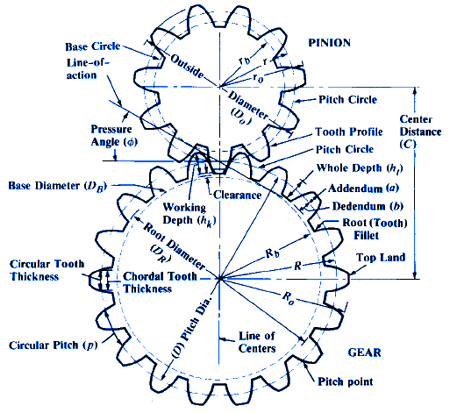
The formula for the pitch diameter of a helical gear is given by the equation: D = N / P, where D is the pitch diameter, N is the number of teeth, and P is the diametral pitch. This formula is used to calculate the pitch diameter of a helical gear, which is the distance between the centers of two adjacent teeth.
Introduction to Helical Gears
Helical gears are a type of gear that has angled teeth, which provides a smoother and quieter operation compared to spur gears. The pitch diameter of a helical gear is an important parameter in designing and manufacturing these gears. The formula for pitch diameter is widely used in the industry to ensure that the gears are properly sized and meshed. Some key points to consider when working with helical gears include:
- Helix angle: The angle between the teeth and the axis of the gear, which affects the pitch diameter and the overall performance of the gear.
- Normal diametral pitch: The diametral pitch of the gear in the normal plane, which is used to calculate the pitch diameter.
- Transverse diametral pitch: The diametral pitch of the gear in the transverse plane, which is used to calculate the pitch diameter in the transverse direction.
Factors Affecting Pitch Diameter
The pitch diameter of a helical gear is affected by several factors, including the number of teeth, the diametral pitch, and the helix angle. The formula for pitch diameter takes into account these factors to provide an accurate calculation. Some important considerations when calculating the pitch diameter include:
- Tooth profile: The shape and size of the teeth, which affects the pitch diameter and the overall performance of the gear.
- Gear ratio: The ratio of the number of teeth on the two gears, which affects the pitch diameter and the overall performance of the gear train.
- Material properties: The properties of the material used to manufacture the gear, such as the density and strength, which affect the pitch diameter and the overall performance of the gear.
Design Considerations for Helical Gears
When designing helical gears, there are several considerations that must be taken into account, including the pitch diameter, the helix angle, and the tooth width. The formula for pitch diameter is an important tool in the design process, as it allows engineers to calculate the pitch diameter and ensure that the gears are properly sized and meshed. Some key design considerations include:
- Bending stress: The stress that occurs in the teeth due to bending, which affects the pitch diameter and the overall performance of the gear.
- Contact stress: The stress that occurs between the teeth, which affects the pitch diameter and the overall performance of the gear.
- Friction: The force that opposes motion between the teeth, which affects the pitch diameter and the overall performance of the gear.
Manufacturing Considerations for Helical Gears
The manufacturing process for helical gears involves several steps, including cutting, grinding, and finishing. The formula for pitch diameter is an important tool in the manufacturing process, as it allows manufacturers to calculate the pitch diameter and ensure that the gears are properly sized and meshed. Some key manufacturing considerations include:
- Tooling: The tools used to manufacture the gear, such as cutting tools and grinding tools, which affect the pitch diameter and the overall quality of the gear.
- Machine settings: The settings on the machine used to manufacture the gear, such as the speed and feed rate, which affect the pitch diameter and the overall quality of the gear.
- Quality control: The process of inspecting and testing the gear to ensure that it meets the required specifications, which affects the pitch diameter and the overall performance of the gear.
Applications of Helical Gears
Helical gears have a wide range of applications, including industrial machinery, automotive systems, and aerospace systems. The formula for pitch diameter is an important tool in these applications, as it allows engineers to calculate the pitch diameter and ensure that the gears are properly sized and meshed. Some key applications of helical gears include:
- Gearboxes: The housing that contains the gears and other components, which affects the pitch diameter and the overall performance of the system.
- Transmission systems: The system that transmits power from the engine to the wheels, which affects the pitch diameter and the overall performance of the system.
- Robotics: The use of gears in robotic systems, which affects the pitch diameter and the overall performance of the system.
Frequently Asked Questions (FAQs)
What is the purpose of a Helical Gear and Pinion Calculator and how does it work?
The Helical Gear and Pinion Calculator is a tool used to calculate the dimensions and parameters of helical gears and pinions. It is an essential instrument for mechanical engineers and designers who need to design and manufacture helical gear systems. The calculator takes into account various input parameters such as the pitch diameter, number of teeth, helix angle, and pressure angle to calculate the output parameters like the gear ratio, tooth thickness, and pitch line velocity. By using the calculator, users can ensure that their helical gear system is designed accurately and efficiently, which is crucial for optimal performance and reliability. The calculator also helps to reduce errors and trial-and-error methods, saving time and resources. Additionally, it provides a comprehensive understanding of the helical gear and pinion design process, allowing users to make informed decisions about their design.
What are the key equations used in the Helical Gear and Pinion Calculator?
The Helical Gear and Pinion Calculator uses a set of complex equations to calculate the dimensions and parameters of helical gears and pinions. These equations are based on the geometry and kinematics of helical gear systems and take into account various factors such as the helix angle, pressure angle, and tooth profile. Some of the key equations used in the calculator include the gear ratio equation, which calculates the ratio of the input and output speeds, and the tooth thickness equation, which calculates the thickness of the teeth. The calculator also uses equations to calculate the pitch line velocity, torque, and power of the helical gear system. These equations are crucial for ensuring that the helical gear system is designed to meet the required performance and efficiency standards. By using these equations, users can optimize their helical gear system design and minimize the risk of errors and failures.
How does the Helical Gear and Pinion Calculator account for different materials and manufacturing processes?
The Helical Gear and Pinion Calculator accounts for different materials and manufacturing processes by incorporating various factors and coefficients into the calculations. For example, the calculator takes into account the material properties such as the density, young's modulus, and poisson's ratio to calculate the strength and stiffness of the helical gear system. Additionally, the calculator considers the manufacturing process used to produce the gears, such as machining, casting, or forging, to determine the surface finish and tolerances. The calculator also includes coefficients to account for friction, wear, and tear of the gears, which can vary depending on the material and manufacturing process used. By considering these factors, the calculator provides a realistic and accurate representation of the helical gear system's performance and behavior, allowing users to optimize their design and select the most suitable material and manufacturing process.
Can the Helical Gear and Pinion Calculator be used for other types of gear systems, such as spur or bevel gears?
While the Helical Gear and Pinion Calculator is specifically designed for helical gear systems, it can also be used as a starting point for designing other types of gear systems, such as spur or bevel gears. However, it is important to note that the calculator's equations and coefficients are tailored to the unique characteristics of helical gear systems, and may not be directly applicable to other types of gear systems. For example, spur gears have a different tooth profile and contact ratio than helical gears, and bevel gears have a different geometry and kinematics. To use the calculator for other types of gear systems, users would need to modify the input parameters and equations to account for the specific characteristics of the gear system being designed. Additionally, users may need to consult other references or resources to ensure that their design meets the required standards and specifications. Nevertheless, the calculator can still be a useful tool for designing other types of gear systems, as it provides a comprehensive understanding of the gear design process and the factors that affect gear performance.
Deja una respuesta
Entradas Relacionadas