
Effective Thermal Conductivity Formula and Calculator

The effective thermal conductivity of a material is a critical parameter in various engineering applications, including heat transfer and thermal management. It represents the ability of a material to conduct heat, taking into account its composition, structure, and other factors. The effective thermal conductivity formula provides a mathematical representation of this property, allowing engineers to predict and analyze the thermal behavior of materials. This article will discuss the effective thermal conductivity formula and provide a calculator to simplify the calculation process for engineers and researchers. Accurate calculations are essential for efficient design and optimization.
- Understanding Effective Thermal Conductivity Formula and Calculator
- How to find effective conductivity?
- How to convert w mk to R-Value?
-
Frequently Asked Questions (FAQs)
- What is the Effective Thermal Conductivity Formula and how does it work?
- How do I use the Effective Thermal Conductivity Calculator to determine the thermal conductivity of a material?
- What are the key factors that affect the Effective Thermal Conductivity of a material or system?
- How can I apply the Effective Thermal Conductivity Formula and Calculator to real-world engineering problems?
Understanding Effective Thermal Conductivity Formula and Calculator
The effective thermal conductivity is a measure of a material's ability to conduct heat. It is an important property in various fields, including engineering, physics, and materials science. The effective thermal conductivity formula is used to calculate the thermal conductivity of a material, taking into account its composition, structure, and other factors. A calculator is a tool used to simplify the calculation process, allowing users to input the necessary parameters and obtain the result.
What is Thermal Conductivity?
Thermal conductivity is the ability of a material to conduct heat. It is measured in Watts per meter-Kelvin (W/m-K). The thermal conductivity of a material depends on its composition, structure, and temperature. Metals generally have high thermal conductivity, while insulators have low thermal conductivity.
Effective Thermal Conductivity Formula
The effective thermal conductivity formula is a mathematical equation used to calculate the thermal conductivity of a material. The formula is: k = (k1 k2) / (k1 + k2), where k is the effective thermal conductivity, k1 and k2 are the thermal conductivities of the two components, and x is the volume fraction of the second component. This formula is commonly used to calculate the thermal conductivity of composites and alloys.
Thermal Conductivity Calculator
A thermal conductivity calculator is a tool used to simplify the calculation process. It allows users to input the necessary parameters, such as the thermal conductivities of the components and the volume fraction, and obtain the result. The calculator can be used to calculate the thermal conductivity of various materials, including metals, insulators, and composites.
Applications of Effective Thermal Conductivity
The effective thermal conductivity has various applications in fields such as engineering, physics, and materials science. It is used to design and optimize heat exchangers, electronic devices, and thermal insulation systems. The effective thermal conductivity is also used to predict the thermal behavior of composites and alloys.
Factors Affecting Thermal Conductivity
Several factors affect the thermal conductivity of a material, including composition, structure, temperature, and pressure. The thermal conductivity of a material can be improved by increasing the density of the material, reducing the porosity, and adding thermal conductive fillers. The following table summarizes the factors that affect thermal conductivity:
| Factor | Description |
|---|---|
| Composition | The thermal conductivity of a material depends on its composition. |
| Structure | The thermal conductivity of a material depends on its structure. |
| Temperature | The thermal conductivity of a material depends on the temperature. |
| Pressure | The thermal conductivity of a material depends on the pressure. |
The effective thermal conductivity is a critical property in various fields, and understanding its formula and calculator is essential for designing and optimizing thermal systems.
How to find effective conductivity?

To find effective conductivity, it is essential to understand the concept of conductivity and how it applies to different materials and situations. Conductivity refers to the ability of a material to conduct heat, electricity, or sound. Effective conductivity is a measure of how well a material can conduct these forms of energy.
Understanding the Concept of Conductivity
The concept of conductivity is crucial in understanding how to find effective conductivity. Conductivity is a property of materials that describes their ability to conduct energy. To determine the effective conductivity of a material, it is essential to consider the material's composition, structure, and the type of energy being conducted. The following steps can be taken to understand the concept of conductivity:
- Research the material's composition and structure to determine its intrinsic conductivity.
- Consider the type of energy being conducted, such as thermal, electrical, or acoustic.
- Understand the factors that affect conductivity, such as temperature, density, and moisture.
Measuring Conductivity
Measuring conductivity is a critical! step in finding effective conductivity. Various methods can be used to measure conductivity, depending on the type of material and the type of energy being conducted. For example, thermal conductivity can be measured using a heat flux meter, while electrical conductivity can be measured using a multimeter. The following methods can be used to measure conductivity:
- Use a conductivity meter to measure the material's ability to conduct electricity.
- Employ a thermal conductivity test to measure the material's ability to conduct heat.
- Utilize a sound transmission test to measure the material's ability to conduct sound.
Calculating Effective Conductivity
Calculating effective conductivity is a crucial step in understanding how well a material can conduct energy. The effective conductivity can be calculated using various formulas, depending on the type of material and the type of energy being conducted. For example, the thermal conductivity of a composite material can be calculated using the Series Contribution Model. The following steps can be taken to calculate effective conductivity:
- Determine the material's intrinsic conductivity and the volume fraction of each component.
- Use a mixing rule to calculate the effective conductivity of the composite material.
- Consider the interface thermal resistance and constriction resistance when calculating the effective conductivity.
Factors Affecting Effective Conductivity
Several factors can affect the effective conductivity of a material, including temperature, density, and moisture. Understanding these factors is essential in determining the effective conductivity of a material. The following factors can affect effective conductivity:
- Temperature can affect the material's intrinsic conductivity and thermal expansion.
- Density can affect the material's thermal conductivity and electrical conductivity.
- Moisture can affect the material's electrical conductivity and thermal conductivity.
Applications of Effective Conductivity
The effective conductivity of a material has various applications in different fields, including engineering, physics, and materials science. Understanding the effective conductivity of a material is essential in designing and optimizing systems that involve heat transfer, electrical conduction, or sound transmission. The following applications can benefit from understanding effective conductivity:
- Thermal management systems can be designed using materials with high thermal conductivity.
- Electrical systems can be optimized using materials with high electrical conductivity.
- Acoustic systems can be designed using materials with high acoustic conductivity.
How to convert w mk to R-Value?
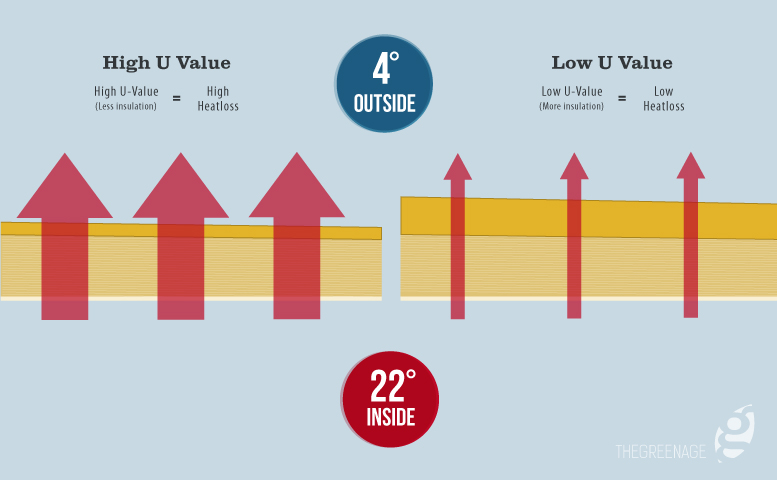
To convert W/mK to R-Value, we need to understand the relationship between these two units. The W/mK is a measure of thermal conductivity, while the R-Value is a measure of thermal resistance. The conversion between these two units involves the thickness of the material.
Understanding Thermal Conductivity
Thermal conductivity is a measure of a material's ability to conduct heat. It is typically denoted by the symbol λ (lambda) and is measured in W/mK. The higher the thermal conductivity, the more easily heat can flow through the material. To convert W/mK to R-Value, we need to know the thermal conductivity of the material and its thickness. Here are the steps:
- Determine the thermal conductivity of the material in W/mK
- Measure the thickness of the material in meters
- Use the formula R-Value = thickness / thermal conductivity to calculate the R-Value
Understanding Thermal Resistance
Thermal resistance is a measure of a material's ability to resist the flow of heat. It is typically denoted by the symbol R and is measured in m²K/W. The higher the thermal resistance, the more difficult it is for heat to flow through the material. Thermal resistance is an important factor in building insulation, as it determines how well a material can reduce heat transfer. To calculate thermal resistance, we need to know the thermal conductivity and thickness of the material.
Conversion Formula
The conversion formula from W/mK to R-Value is R-Value = thickness / thermal conductivity. This formula can be used to calculate the R-Value of a material if we know its thermal conductivity and thickness. For example, if we have a material with a thermal conductivity of 0.1 W/mK and a thickness of 0.1 meters, its R-Value would be 1 m²K/W. Here are the steps to use the formula:
- Write down the thermal conductivity of the material in W/mK
- Write down the thickness of the material in meters
- Plug the values into the formula R-Value = thickness / thermal conductivity
Importance of Material Thickness
The thickness of the material is a critical factor in converting W/mK to R-Value. The thicker the material, the higher its thermal resistance. This is because the heat has to travel a longer distance through the material, which increases the resistance to heat flow. Therefore, when converting W/mK to R-Value, it is essential to know the thickness of the material accurately. Here are the factors to consider:
- Measure the thickness of the material accurately
- Use the correct units for thickness (meters)
- Be aware of the potential for errors in measurement
Applications of R-Value
The R-Value is a crucial factor in various applications, including building insulation, refrigeration, and heating systems. In building insulation, the R-Value determines how well a material can reduce heat transfer. In refrigeration, the R-Value is used to calculate the amount of heat that needs to be removed from a system. Here are the applications of R-Value:
- Building insulation: R-Value is used to determine the effectiveness of insulation materials
- Refrigeration: R-Value is used to calculate the heat removal requirements
- Heating systems: R-Value is used to determine the heat transfer requirements
Frequently Asked Questions (FAQs)
What is the Effective Thermal Conductivity Formula and how does it work?
The Effective Thermal Conductivity Formula is a mathematical equation used to calculate the thermal conductivity of a material or a system. It takes into account the thermal conductivity of the individual components, as well as their geometric configuration and interface resistance. The formula is commonly used in heat transfer applications, such as designing heat exchangers, insulation systems, and electronic cooling systems. The formula is based on the Fourier's law of heat conduction, which states that the heat flux is proportional to the temperature gradient and the thermal conductivity of the material. By using the Effective Thermal Conductivity Formula, engineers can predict the thermal performance of a system and optimize its design for efficient heat transfer.
How do I use the Effective Thermal Conductivity Calculator to determine the thermal conductivity of a material?
The Effective Thermal Conductivity Calculator is a tool used to calculate the thermal conductivity of a material or a system using the Effective Thermal Conductivity Formula. To use the calculator, you need to input the thermal conductivity of the individual components, as well as their geometric configuration! and interface resistance. The calculator will then use the formula to calculate the effective thermal conductivity of the system. The calculator can be used for a variety of materials, including metals, plastics, and composites. It is also useful for calculating the thermal conductivity of complex systems, such as heat exchangers and insulation systems. By using the calculator, engineers can quickly and easily determine the thermal conductivity of a material or system, and use this information to design efficient heat transfer systems.
What are the key factors that affect the Effective Thermal Conductivity of a material or system?
The Effective Thermal Conductivity of a material or system is affected by several key factors, including the thermal conductivity of the individual components, their geometric configuration, and interface resistance. The thermal conductivity of the components is a measure of their ability to conduct heat, and is typically measured in units of Watts per meter-Kelvin (W/m-K). The geometric configuration of the components can also affect the Effective Thermal Conductivity, as it can influence the heat transfer pathway and interface resistance. Additionally, the interface resistance between the components can also impact the Effective Thermal Conductivity, as it can reduce the heat transfer rate. Other factors that can affect the Effective Thermal Conductivity include the temperature and pressure of the system, as well as the presence of defects or impurities in the material.
How can I apply the Effective Thermal Conductivity Formula and Calculator to real-world engineering problems?
The Effective Thermal Conductivity Formula and Calculator can be applied to a wide range of real-world engineering problems, including the design of heat exchangers, insulation systems, and electronic cooling systems. For example, an engineer designing a heat exchanger might use the formula and calculator to determine the thermal conductivity of the heat exchanger materials, and optimize the design for efficient heat transfer. Similarly, an engineer designing an insulation system might use the formula and calculator to determine the thermal conductivity of the insulation materials, and optimize the design for minimum heat transfer. The formula and calculator can also be used to analyze the thermal performance of existing systems, and identify opportunities for improvement. By applying the Effective Thermal Conductivity Formula and Calculator to real-world engineering problems, engineers can create more efficient, more reliable, and more cost-effective systems.
Deja una respuesta
Entradas Relacionadas