
How does finance as a service help SaaS companies to grow?

Finance as a Service (FaaS) is revolutionizing the way SaaS companies manage their financial operations, enabling them to focus on growth and innovation. By outsourcing complex financial tasks such as accounting, payroll, and compliance to specialized providers, SaaS businesses can streamline their operations and reduce overhead costs. FaaS offers scalable solutions tailored to the unique needs of subscription-based models, ensuring accurate revenue recognition and cash flow management. Additionally, it provides real-time financial insights, empowering decision-makers to make data-driven strategies. As SaaS companies navigate competitive markets, FaaS emerges as a critical tool to enhance efficiency, improve scalability, and drive sustainable growth in an increasingly digital economy.
How Does Finance as a Service Help SaaS Companies to Grow?
Finance as a Service (FaaS) is a transformative solution for SaaS companies, enabling them to streamline financial operations, reduce costs, and focus on core business growth. By outsourcing financial functions to specialized providers, SaaS companies can access expert services, advanced tools, and scalable solutions tailored to their needs. This approach not only enhances efficiency but also provides actionable insights to drive strategic decision-making.
1. Streamlining Financial Operations
Finance as a Service simplifies complex financial processes for SaaS companies. By leveraging automation and cloud-based tools, FaaS providers handle tasks like bookkeeping, payroll, and tax compliance efficiently. This allows SaaS companies to focus on product development and customer acquisition, reducing the burden of managing in-house financial teams.
| Benefit | Impact |
|---|---|
| Automated bookkeeping | Reduces manual errors and saves time |
| Cloud-based tools | Enables real-time financial tracking |
| Tax compliance | Ensures adherence to regulations |
2. Enhancing Cash Flow Management
Effective cash flow management is critical for SaaS companies, especially those with subscription-based models. FaaS providers offer cash flow forecasting, invoice management, and collections services to ensure steady revenue streams. This helps SaaS companies maintain liquidity and invest in growth opportunities.
| Service | Outcome |
|---|---|
| Cash flow forecasting | Predicts future financial needs |
| Invoice management | Speeds up payment cycles |
| Collections services | Reduces overdue payments |
3. Providing Scalable Solutions
As SaaS companies grow, their financial needs become more complex. FaaS offers scalable solutions that adapt to changing business requirements. Whether it’s expanding into new markets or managing increased transaction volumes, FaaS ensures financial operations remain efficient and cost-effective.
| Feature | Advantage |
|---|---|
| Scalable infrastructure | Supports business growth |
| Customizable services | Tailored to specific needs |
| Global compliance | Facilitates international expansion |
4. Offering Data-Driven Insights
FaaS providers use advanced analytics to deliver actionable insights into a SaaS company’s financial performance. These insights help identify trends, optimize pricing strategies, and improve customer retention. By leveraging data, SaaS companies can make informed decisions that drive growth.
| Insight | Benefit |
|---|---|
| Revenue trends | Identifies growth opportunities |
| Customer churn analysis | Improves retention strategies |
| Pricing optimization | Maximizes profitability |
5. Reducing Operational Costs
Outsourcing financial functions through FaaS eliminates the need for in-house teams and expensive software. This cost-effective approach allows SaaS companies to allocate resources to innovation and marketing, fostering faster growth.
| Cost-Saving Measure | Impact |
|---|---|
| No in-house team | Reduces payroll expenses |
| No software purchases | Lowers upfront costs |
| Pay-as-you-go model | Aligns costs with usage |
What is the rule of 40 for SaaS companies?

What is the Rule of 40 for SaaS Companies?
The Rule of 40 is a financial metric used to evaluate the health and growth potential of SaaS (Software as a Service) companies. It states that a company's revenue growth rate and profit margin should add up to at least 40%. For example, if a SaaS company is growing at 30% annually, it should have a profit margin of at least 10% to meet the Rule of 40. This rule helps balance growth and profitability, ensuring that companies are not sacrificing long-term sustainability for short-term expansion.
Why is the Rule of 40 Important for SaaS Companies?
The Rule of 40 is crucial for SaaS companies because it provides a benchmark for evaluating their performance. Here’s why it matters:
- Balances Growth and Profitability: It ensures companies are not overly focused on growth at the expense of profitability or vice versa.
- Investor Confidence: Meeting or exceeding the Rule of 40 often signals to investors that the company is well-managed and has sustainable growth potential.
- Strategic Decision-Making: It helps companies prioritize investments, whether in scaling operations or improving margins.
How to Calculate the Rule of 40
Calculating the Rule of 40 is straightforward. Follow these steps:
- Determine Revenue Growth Rate: Calculate the percentage increase in revenue over a specific period (e.g., year-over-year).
- Calculate Profit Margin: Divide net profit by total revenue and multiply by 100 to get the profit margin percentage.
- Add the Two Metrics: If the sum of the revenue growth rate and profit margin is 40% or higher, the company meets the Rule of 40.
Examples of SaaS Companies Meeting the Rule of 40
Several successful SaaS companies have demonstrated adherence to the Rule of 40. Here are a few examples:
- Salesforce: Known for balancing strong revenue growth with improving profitability.
- HubSpot: Achieves high growth rates while maintaining healthy margins.
- Zoom: During its rapid expansion, it maintained profitability, meeting the Rule of 40 criteria.
Challenges in Achieving the Rule of 40
While the Rule of 40 is a valuable metric, achieving it can be challenging for SaaS companies. Common obstacles include:
- High Customer Acquisition Costs (CAC): Spending too much on acquiring customers can reduce profitability.
- Churn Rates: High customer churn can negatively impact revenue growth.
- Market Competition: Intense competition may force companies to lower prices, affecting margins.
Strategies to Improve Compliance with the Rule of 40
SaaS companies can adopt several strategies to improve their chances of meeting the Rule of 40:
- Optimize Pricing Models: Implement tiered pricing or usage-based models to maximize revenue.
- Reduce Churn: Focus on customer success and retention to minimize revenue loss.
- Control Costs: Streamline operations and reduce unnecessary expenses to improve profit margins.
What is SaaS in finance?
What is SaaS in Finance?
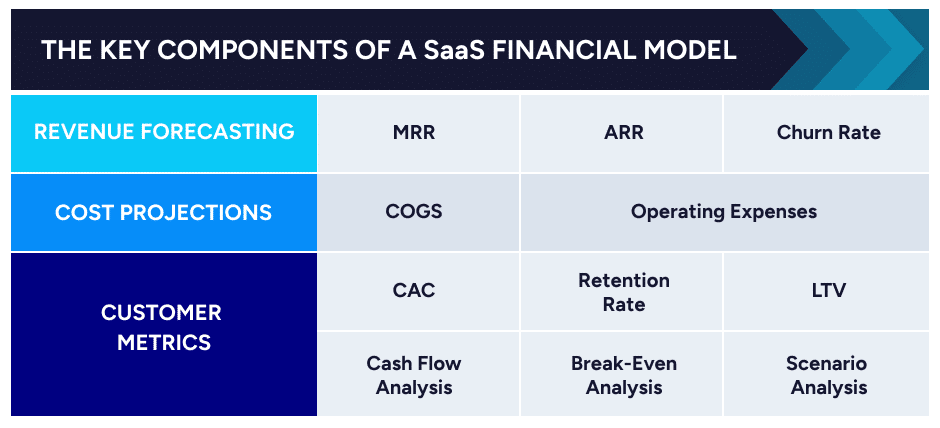
SaaS (Software as a Service) in finance refers to cloud-based software solutions that provide financial services, tools, and applications to businesses and individuals. These platforms are hosted remotely and accessed via the internet, eliminating the need for on-premise installations. SaaS in finance is widely used for tasks such as accounting, payroll, expense management, and financial analytics, offering scalability, cost-efficiency, and real-time data access.
Key Features of SaaS in Finance
SaaS platforms in finance are known for their unique features that cater to the needs of modern businesses. Below are some of the most important features:
- Cloud-Based Access: Users can access financial tools from anywhere with an internet connection.
- Scalability: Businesses can easily scale their usage up or down based on their needs.
- Automation: Many SaaS platforms automate repetitive tasks like invoicing, payroll, and reporting.
- Real-Time Data: Provides up-to-date financial insights and analytics for better decision-making.
- Cost-Effectiveness: Reduces the need for expensive hardware and IT infrastructure.
Benefits of SaaS in Finance
Adopting SaaS solutions in finance offers numerous advantages for businesses of all sizes. Here are the key benefits:
- Lower Initial Costs: No need for significant upfront investments in software or hardware.
- Enhanced Collaboration: Teams can work together seamlessly, even remotely, using shared platforms.
- Regular Updates: Providers frequently update the software to ensure compliance and security.
- Improved Security: Data is stored securely in the cloud with advanced encryption and backup systems.
- Flexibility: Users can choose from a variety of subscription plans tailored to their needs.
Common SaaS Applications in Finance
SaaS is widely used across various financial functions. Below are some of the most common applications:
- Accounting Software: Tools like QuickBooks and Xero streamline bookkeeping and financial reporting.
- Payroll Management: Platforms such as Gusto and ADP simplify payroll processing and tax compliance.
- Expense Tracking: Solutions like Expensify help businesses manage and monitor expenses efficiently.
- Financial Planning: Tools like Adaptive Insights assist in budgeting and forecasting.
- Investment Management: Platforms like eFront provide analytics for investment portfolios.
Challenges of SaaS in Finance
While SaaS offers many benefits, there are also challenges that businesses may face. Here are some of the key challenges:
- Data Privacy Concerns: Storing sensitive financial data in the cloud can raise security and compliance issues.
- Dependence on Internet Connectivity: A stable internet connection is essential for accessing SaaS platforms.
- Vendor Lock-In: Switching providers can be difficult due to data migration complexities.
- Customization Limitations: Some SaaS platforms may not offer the level of customization required by certain businesses.
- Subscription Costs: Over time, subscription fees can add up, especially for larger organizations.
Future Trends in SaaS for Finance
The SaaS industry in finance is evolving rapidly, with several trends shaping its future. Below are some of the most notable trends:
- AI and Machine Learning: Integration of AI for predictive analytics and fraud detection.
- Blockchain Technology: Enhancing transparency and security in financial transactions.
- Mobile-First Solutions: Increasing focus on mobile-friendly platforms for on-the-go access.
- RegTech: Using SaaS to ensure compliance with ever-changing financial regulations.
- Personalization: Tailoring financial tools to meet the specific needs of individual users or businesses.
What is the 3 3 2 2 2 rule of SaaS?

What is the 3 3 2 2 2 Rule of SaaS?
The 3 3 2 2 2 rule of SaaS is a framework designed to help SaaS companies achieve sustainable growth by focusing on key metrics and strategies. It emphasizes balancing customer acquisition, retention, and revenue growth. The rule is broken down into specific targets for different aspects of the business, ensuring a holistic approach to scaling.
Understanding the 3 3 2 2 2 Rule Components
The rule consists of five key components, each represented by a number:
- 3x Customer Acquisition: Focus on acquiring three times the number of customers compared to the previous period.
- 3x Revenue Growth: Aim for three times the revenue growth, ensuring that customer acquisition translates into financial success.
- 2x Customer Retention: Double efforts to retain existing customers, as retention is often more cost-effective than acquisition.
- 2x Product Engagement: Increase product usage or engagement by two times to ensure customers derive maximum value.
- 2x Team Efficiency: Improve team productivity and efficiency by two times to support scaling efforts without overextending resources.
Why is the 3 3 2 2 2 Rule Important for SaaS Companies?
The 3 3 2 2 2 rule is crucial for SaaS companies because it provides a structured approach to growth. By focusing on these metrics, companies can:
- Avoid Overemphasis on Acquisition: Ensures that growth is not solely dependent on new customers but also on retaining and engaging existing ones.
- Balance Short-Term and Long-Term Goals: Encourages sustainable growth by addressing both immediate revenue needs and long-term customer satisfaction.
- Optimize Resource Allocation: Helps teams prioritize efforts and allocate resources effectively across acquisition, retention, and product development.
How to Implement the 3 3 2 2 2 Rule in Your SaaS Business
Implementing the 3 3 2 2 2 rule requires a strategic approach:
- Set Clear Targets: Define specific goals for customer acquisition, revenue growth, retention, engagement, and team efficiency.
- Track Metrics Regularly: Use analytics tools to monitor progress and adjust strategies as needed.
- Align Teams: Ensure all departments, from sales to product development, are aligned with the rule’s objectives.
Common Challenges in Applying the 3 3 2 2 2 Rule
While the 3 3 2 2 2 rule is effective, SaaS companies may face challenges in its implementation:
- Resource Constraints: Limited budgets or team capacity can hinder efforts to achieve the rule’s targets.
- Data Accuracy: Inaccurate or incomplete data can make it difficult to measure progress effectively.
- Balancing Priorities: Striking the right balance between acquisition, retention, and engagement can be complex.
Examples of SaaS Companies Using the 3 3 2 2 2 Rule
Several successful SaaS companies have adopted the 3 3 2 2 2 rule to drive growth:
- Company A: Achieved 3x customer acquisition by leveraging targeted marketing campaigns.
- Company B: Doubled customer retention through personalized onboarding and support.
- Company C: Improved team efficiency by implementing automation tools and streamlined workflows.
What is the LBO model of SaaS?

What is the LBO Model of SaaS?
The LBO (Leveraged Buyout) model of SaaS is a financial framework used to evaluate the acquisition of a SaaS (Software as a Service) company using a significant amount of borrowed funds. This model focuses on assessing the target company's ability to generate sufficient cash flow to service the debt while providing a return on equity for the investors. Key components include analyzing recurring revenue, customer acquisition costs, churn rates, and EBITDA margins to determine the feasibility of the buyout.
Key Components of the LBO Model for SaaS
The LBO model for SaaS companies relies on several critical components:
- Recurring Revenue: SaaS businesses typically have predictable, subscription-based revenue streams, which are crucial for debt repayment.
- Customer Acquisition Cost (CAC): The cost to acquire new customers must be balanced against the lifetime value (LTV) of those customers.
- Churn Rate: A low churn rate ensures stable revenue, making the company more attractive for leveraged buyouts.
- EBITDA Margins: High EBITDA margins indicate strong operational efficiency and cash flow generation.
- Debt Capacity: The ability of the SaaS company to support debt without compromising growth or operations.
Why SaaS Companies Are Attractive for LBOs
SaaS companies are often prime candidates for leveraged buyouts due to their unique characteristics:
- Predictable Revenue: Subscription models provide steady cash flow, reducing risk for lenders.
- Scalability: SaaS businesses can scale rapidly with minimal incremental costs.
- High Margins: Software products typically have high gross margins, enhancing profitability.
- Recurring Customer Base: Long-term customer contracts ensure stable revenue streams.
- Low Capital Expenditure: SaaS companies require less physical infrastructure, freeing up cash for debt repayment.
Steps to Build an LBO Model for a SaaS Company
Building an LBO model for a SaaS company involves several steps:
- Project Revenue: Forecast future revenue based on historical growth rates, customer acquisition, and churn.
- Estimate Costs: Include operational expenses, CAC, and other costs to determine EBITDA.
- Calculate Debt Capacity: Assess how much debt the company can support based on cash flow projections.
- Model Debt Repayment: Create a schedule for repaying the borrowed funds, including interest payments.
- Evaluate Returns: Determine the potential return on equity for investors after debt repayment.
Challenges in Applying the LBO Model to SaaS
While SaaS companies are attractive for LBOs, there are challenges to consider:
- High Valuation Multiples: SaaS companies often trade at high multiples, making acquisitions expensive.
- Dependence on Growth: Investors rely on continued growth to justify high valuations and repay debt.
- Churn Risk: A sudden increase in churn can destabilize cash flow and jeopardize debt repayment.
- Market Competition: Intense competition can erode margins and reduce profitability.
- Regulatory Risks: Changes in data privacy laws or other regulations can impact operations.
Frequently Asked Questions (FAQ)
What is Finance as a Service (FaaS) and how does it benefit SaaS companies?
Finance as a Service (FaaS) is a model where companies outsource their financial operations to specialized providers. For SaaS companies, this means gaining access to expert financial management without the need to build an in-house team. FaaS providers handle tasks like bookkeeping, financial reporting, tax compliance, and cash flow management. This allows SaaS companies to focus on their core competencies, such as product development and customer acquisition, while ensuring their financial operations are efficient and scalable. By leveraging FaaS, SaaS companies can reduce costs, improve accuracy, and make data-driven decisions to fuel growth.
How does FaaS improve financial scalability for SaaS businesses?
Financial scalability is critical for SaaS companies, especially during periods of rapid growth. FaaS providers offer flexible and scalable solutions that adapt to the changing needs of a SaaS business. Whether it's managing increased transaction volumes, expanding into new markets, or handling complex revenue recognition under ASC 606, FaaS ensures that financial processes remain streamlined. This scalability eliminates the need for SaaS companies to constantly hire and train new staff or invest in expensive financial software, allowing them to allocate resources more effectively toward growth initiatives.
Can FaaS help SaaS companies with revenue recognition and compliance?
Yes, FaaS plays a crucial role in helping SaaS companies navigate the complexities of revenue recognition and compliance. SaaS businesses often deal with subscription-based revenue models, which require adherence to standards like ASC 606. FaaS providers have the expertise to ensure accurate revenue recognition, deferred revenue tracking, and compliance with regulatory requirements. This not only reduces the risk of errors but also provides SaaS companies with clear financial insights to support strategic decision-making. By outsourcing these tasks, SaaS companies can avoid costly penalties and maintain investor confidence.
How does FaaS support SaaS companies in making data-driven decisions?
FaaS providers offer advanced financial tools and analytics that enable SaaS companies to make data-driven decisions. By consolidating financial data and generating real-time reports, FaaS gives SaaS businesses a clear view of their financial health. This includes insights into cash flow, customer acquisition costs (CAC), lifetime value (LTV), and churn rates. With this information, SaaS companies can identify growth opportunities, optimize pricing strategies, and allocate resources more effectively. FaaS also provides predictive analytics, helping SaaS businesses forecast future performance and plan for sustainable growth.
Deja una respuesta
Entradas Relacionadas