
What is SaaS security and why is it important?


Software as a Service (SaaS) has revolutionized the way businesses operate by offering scalable, cloud-based solutions accessible from anywhere. However, as organizations increasingly rely on SaaS platforms to store and manage sensitive data, ensuring robust SaaS security has become a critical priority. SaaS security refers to the measures and protocols designed to protect cloud-based applications, data, and user access from cyber threats, breaches, and unauthorized access. With the rise of remote work and digital transformation, the importance of SaaS security cannot be overstated. This article explores what SaaS security entails, its key components, and why it is essential for safeguarding business operations in today’s interconnected world.
What is SaaS Security and Why is it Important?
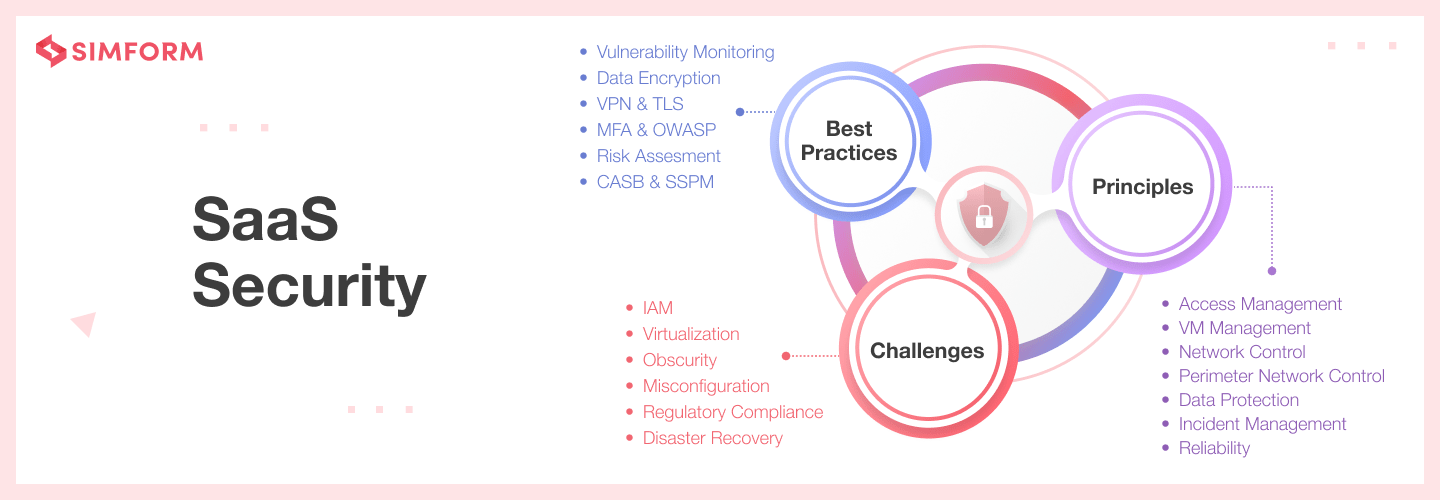
SaaS (Software as a Service) security refers to the measures and protocols implemented to protect data, applications, and infrastructure associated with cloud-based software services. As businesses increasingly rely on SaaS platforms for critical operations, ensuring robust security is essential to safeguard sensitive information, maintain compliance, and prevent cyber threats. SaaS security is important because it helps organizations protect their data from breaches, ensures business continuity, and builds trust with customers and stakeholders.
Understanding SaaS Security
SaaS security involves a combination of technologies, policies, and practices designed to secure cloud-based applications and the data they handle. Unlike traditional software, SaaS applications are hosted remotely, making them vulnerable to unique risks such as unauthorized access, data leaks, and account hijacking. A comprehensive SaaS security strategy includes encryption, access controls, regular audits, and monitoring to mitigate these risks.
Key Challenges in SaaS Security
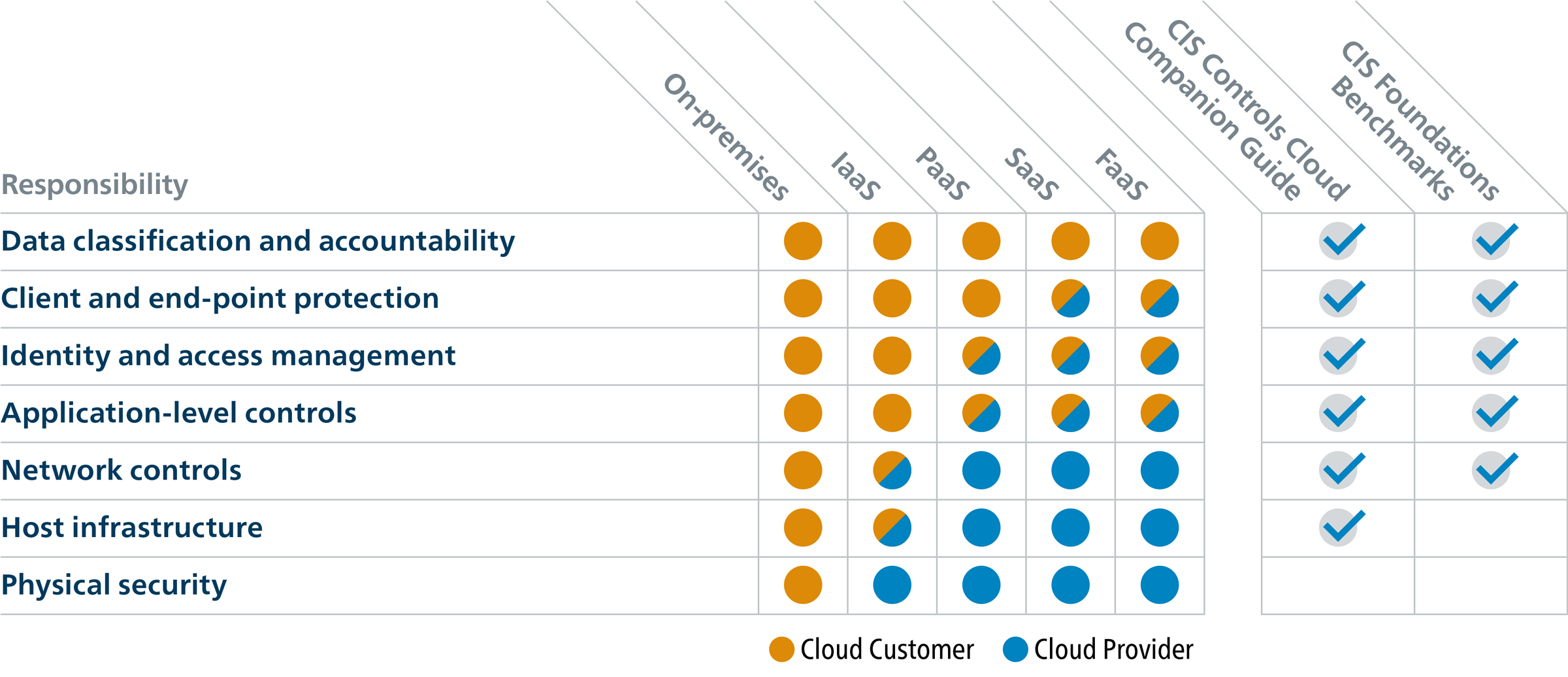
One of the primary challenges in SaaS security is the shared responsibility model. While SaaS providers are responsible for securing the infrastructure, customers must ensure proper configuration and management of their accounts. Other challenges include compliance with regulations like GDPR or HIPAA, managing third-party integrations, and addressing insider threats. Organizations must stay vigilant to address these challenges effectively.
Benefits of Strong SaaS Security
Implementing strong SaaS security measures offers numerous benefits. It helps prevent data breaches, which can lead to financial losses and reputational damage. Additionally, robust security ensures compliance with industry regulations, reduces downtime caused by cyberattacks, and enhances customer trust. By prioritizing SaaS security, businesses can operate more confidently in the cloud environment.
Best Practices for SaaS Security
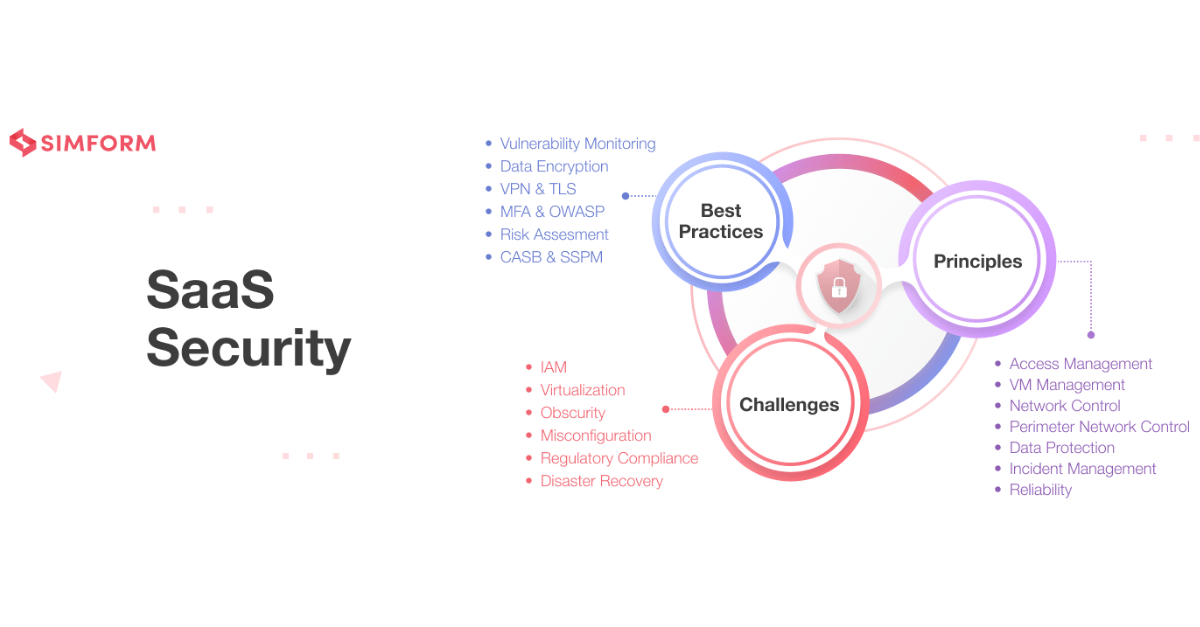
To enhance SaaS security, organizations should adopt best practices such as:
- Enforcing strong password policies and multi-factor authentication (MFA).
- Regularly updating and patching software.
- Conducting employee training on cybersecurity awareness.
- Monitoring user activity and access logs.
- Using encryption for data at rest and in transit.
Common SaaS Security Threats
SaaS platforms are often targeted by cybercriminals due to their widespread use. Common threats include phishing attacks, malware, misconfigured settings, and insecure APIs. Understanding these threats is crucial for implementing effective countermeasures and minimizing risks.
| Threat | Description | Prevention |
|---|---|---|
| Phishing | Attackers trick users into revealing sensitive information. | Educate employees and use email filtering tools. |
| Malware | Malicious software designed to disrupt or damage systems. | Install antivirus software and avoid suspicious downloads. |
| Misconfigurations | Improper settings that expose data to unauthorized users. | Conduct regular security audits and follow best practices. |
| Insecure APIs | Weak APIs that can be exploited by attackers. | Use strong authentication and monitor API activity. |
What are the 5 key security elements of the SaaS model?
1. Data Encryption
Data encryption is a fundamental security element in the SaaS model, ensuring that sensitive information is protected both in transit and at rest. This involves converting data into a coded format that can only be accessed with the correct decryption key. Key aspects include:
- End-to-end encryption to secure data as it moves between the user and the SaaS provider.
- At-rest encryption to protect stored data from unauthorized access.
- Use of advanced encryption standards (AES) to ensure robust security.
2. Identity and Access Management (IAM)
Identity and Access Management (IAM) is crucial for controlling who has access to the SaaS application and its data. This involves verifying user identities and managing permissions to ensure only authorized users can access specific resources. Key components include:
- Multi-factor authentication (MFA) to add an extra layer of security.
- Role-based access control (RBAC) to limit access based on user roles.
- Single sign-on (SSO) to streamline access while maintaining security.
3. Regular Security Audits and Compliance
Regular security audits and compliance checks are essential to ensure that the SaaS provider adheres to industry standards and regulations. This helps identify vulnerabilities and ensures continuous improvement in security practices. Key elements include:
- Third-party audits to provide an unbiased assessment of security measures.
- Compliance with standards such as GDPR, HIPAA, and SOC 2.
- Penetration testing to identify and fix potential security gaps.
4. Data Backup and Recovery
Data backup and recovery are critical for ensuring business continuity in the event of data loss or a security breach. SaaS providers must have robust mechanisms in place to back up data and restore it quickly. Key practices include:
- Automated backups to ensure data is regularly saved without manual intervention.
- Geographically distributed backups to protect against regional disasters.
- Disaster recovery plans to minimize downtime and data loss.
5. Network Security
Network security is vital for protecting the infrastructure that supports the SaaS application. This involves safeguarding the network from unauthorized access, attacks, and other threats. Key measures include:
- Firewalls to monitor and control incoming and outgoing network traffic.
- Intrusion detection and prevention systems (IDPS) to identify and block potential threats.
- Virtual private networks (VPNs) to secure remote access to the SaaS application.
What is SaaS and why is IT important?

What is SaaS?
SaaS, or Software as a Service, is a cloud-based software delivery model where applications are hosted by a third-party provider and made available to customers over the internet. Instead of installing and maintaining software on local servers or devices, users access the software via a web browser. This model eliminates the need for complex hardware and software management, offering a more streamlined and scalable solution for businesses.
- Cloud-based delivery: SaaS applications are hosted in the cloud, ensuring accessibility from anywhere with an internet connection.
- Subscription-based pricing: Users typically pay a recurring fee, often monthly or annually, rather than a large upfront cost.
- Automatic updates: Providers handle updates and maintenance, ensuring users always have access to the latest features and security patches.
Why is SaaS Important for Businesses?
SaaS is important for businesses because it offers cost-efficiency, scalability, and flexibility. Companies can reduce upfront costs by avoiding expensive hardware and software licenses, while also scaling their usage up or down based on demand. Additionally, SaaS enables remote work and collaboration, which is increasingly vital in today’s digital economy.
- Cost savings: No need for significant capital investment in infrastructure or software licenses.
- Scalability: Easily adjust the number of users or features as business needs change.
- Remote accessibility: Employees can access tools and data from anywhere, enhancing productivity.
Key Features of SaaS
SaaS platforms are known for their user-friendly interfaces, integration capabilities, and security measures. These features make SaaS applications highly adaptable to various business needs, ensuring seamless operation and data protection.
- User-friendly design: Intuitive interfaces reduce the learning curve for new users.
- Integration with other tools: SaaS applications often integrate with existing systems, enhancing workflow efficiency.
- Robust security: Providers implement advanced security protocols to protect sensitive data.
Advantages of SaaS Over Traditional Software
SaaS offers several advantages over traditional software, including lower upfront costs, easier maintenance, and faster deployment. These benefits make SaaS a preferred choice for businesses looking to modernize their operations.
- No installation required: Users can start using the software immediately after subscription.
- Automatic updates: Providers handle all updates, ensuring the software is always up-to-date.
- Pay-as-you-go model: Businesses only pay for what they use, reducing unnecessary expenses.
Challenges of SaaS Adoption
While SaaS offers numerous benefits, there are challenges such as data security concerns, dependence on internet connectivity, and vendor lock-in. Businesses must carefully evaluate these factors when adopting SaaS solutions.
- Data security: Storing sensitive data off-site can raise concerns about privacy and compliance.
- Internet dependency: SaaS applications require a stable internet connection, which can be a limitation in some areas.
- Vendor lock-in: Switching providers can be difficult due to data migration and integration challenges.
Who is responsible for security in SaaS?
1. The Role of the SaaS Provider in Security
The SaaS provider is primarily responsible for securing the infrastructure, platform, and application layers of their service. This includes:
- Data encryption to protect sensitive information both in transit and at rest.
- Implementing access controls and authentication mechanisms to prevent unauthorized access.
- Regularly updating and patching software to address security vulnerabilities.
2. The Customer's Responsibility in SaaS Security
While the SaaS provider handles the underlying infrastructure, the customer also plays a critical role in ensuring security. This involves:
- Managing user access and permissions to limit exposure to sensitive data.
- Ensuring compliance with data protection regulations relevant to their industry.
- Educating employees on security best practices to prevent phishing and other attacks.
The shared responsibility model defines how security tasks are divided between the SaaS provider and the customer. Key aspects include:
- The provider secures the cloud infrastructure, while the customer protects their data and applications.
- Both parties must collaborate to ensure incident response plans are effective.
- Clear communication is essential to define security boundaries and responsibilities.
4. Importance of Third-Party Audits and Certifications
Third-party audits and certifications are crucial for verifying the security posture of a SaaS provider. These include:
- ISO 27001 certification, which demonstrates adherence to international security standards.
- SOC 2 reports, which assess the provider's controls over data security and privacy.
- Regular penetration testing to identify and mitigate potential vulnerabilities.
5. Legal and Compliance Responsibilities in SaaS Security
Both SaaS providers and customers must adhere to legal and compliance requirements to ensure security. This involves:
- Complying with regulations like GDPR or HIPAA, depending on the data being handled.
- Ensuring data sovereignty by storing data in compliance with regional laws.
- Maintaining detailed audit logs to demonstrate compliance during inspections.
How to ensure SaaS security?
Implement Strong Authentication Mechanisms
To ensure SaaS security, it is crucial to implement strong authentication mechanisms. This includes:
- Using multi-factor authentication (MFA) to add an extra layer of security beyond just passwords.
- Enforcing password policies that require complex and unique passwords.
- Regularly updating and rotating credentials to minimize the risk of unauthorized access.
Encrypt Data Both at Rest and in Transit
Data encryption is essential for protecting sensitive information. Ensure that:
- All data stored in the SaaS application is encrypted at rest using strong encryption algorithms.
- Data transmitted between the user and the SaaS platform is encrypted in transit using protocols like TLS (Transport Layer Security).
- Encryption keys are managed securely and regularly rotated to prevent breaches.
Regularly Update and Patch Software
Keeping the SaaS platform updated is vital for security. This involves:
- Applying security patches as soon as they are released by the vendor.
- Conducting regular vulnerability assessments to identify and address potential weaknesses.
- Ensuring that third-party integrations and plugins are also kept up-to-date to avoid vulnerabilities.
Monitor and Audit Access Logs
Continuous monitoring and auditing of access logs can help detect and prevent unauthorized access. Key steps include:
- Implementing real-time monitoring of user activities and access patterns.
- Conducting regular audits of access logs to identify any suspicious behavior.
- Setting up alerts and notifications for unusual login attempts or access from unfamiliar locations.
Educate and Train Users
User awareness is a critical component of SaaS security. Focus on:
- Providing regular training on security best practices, such as recognizing phishing attempts.
- Encouraging users to report suspicious activities immediately.
- Creating a culture of security where users understand their role in maintaining the safety of the SaaS environment.
Frequently Asked Questions (FAQ)
What is SaaS security?
SaaS security refers to the measures and protocols implemented to protect data, applications, and infrastructure associated with Software as a Service (SaaS) platforms. It involves safeguarding sensitive information from unauthorized access, data breaches, and other cyber threats. SaaS security is crucial because these platforms are often cloud-based, making them accessible from anywhere, which increases the risk of vulnerabilities. Effective SaaS security ensures that both the provider and the user maintain control over data integrity, confidentiality, and availability.
Why is SaaS security important for businesses?
SaaS security is vital for businesses because it protects critical data and ensures compliance with regulatory standards. Many organizations rely on SaaS applications for daily operations, storing sensitive information such as customer data, financial records, and intellectual property. A breach in SaaS security can lead to significant financial losses, reputational damage, and legal consequences. By prioritizing SaaS security, businesses can mitigate risks, maintain customer trust, and ensure uninterrupted operations.
What are the common threats to SaaS security?
Common threats to SaaS security include phishing attacks, malware, insider threats, and misconfigurations. Phishing attacks often target users to steal login credentials, while malware can exploit vulnerabilities in the SaaS platform. Insider threats, whether intentional or accidental, can lead to data leaks. Misconfigurations, such as improper access controls, can expose sensitive data to unauthorized users. Understanding these threats is essential for implementing robust security measures to protect SaaS environments.
How can organizations improve SaaS security?
Organizations can improve SaaS security by adopting a multi-layered approach. This includes implementing strong authentication methods like multi-factor authentication (MFA), encrypting data both in transit and at rest, and regularly updating software to patch vulnerabilities. Additionally, organizations should conduct regular security audits, train employees on cybersecurity best practices, and ensure compliance with industry standards. Partnering with SaaS providers that prioritize security and offer advanced protection features is also crucial for maintaining a secure environment.
Deja una respuesta
Entradas Relacionadas