
What are SaaS marketing channels?

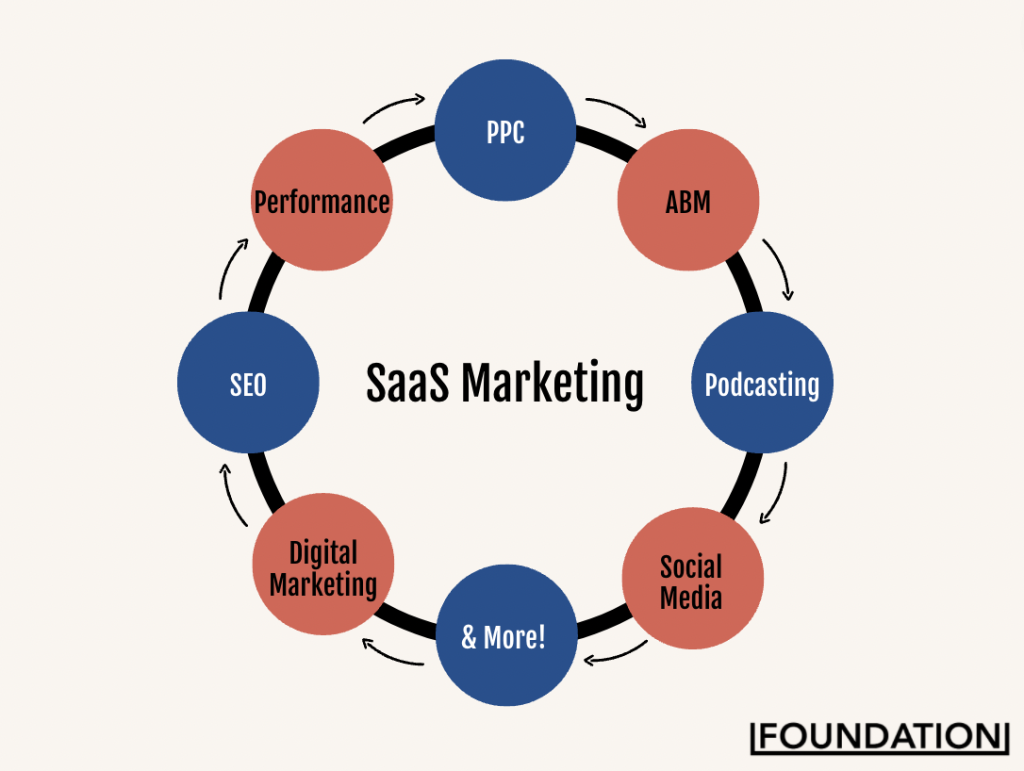
SaaS marketing channels are the various platforms and strategies used by Software as a Service (SaaS) companies to promote their products, attract potential customers, and drive business growth. In a highly competitive digital landscape, selecting the right marketing channels is crucial for reaching target audiences effectively. These channels can range from organic search and content marketing to paid advertising, email campaigns, and social media outreach. Each channel serves a unique purpose, helping SaaS businesses build brand awareness, generate leads, and convert prospects into loyal customers. Understanding and optimizing these channels is essential for SaaS companies to maximize their marketing efforts and achieve long-term success.
What are SaaS Marketing Channels?
SaaS (Software as a Service) marketing channels are the various platforms and strategies used to promote and sell SaaS products. These channels are essential for reaching potential customers, building brand awareness, and driving conversions. Unlike traditional marketing, SaaS marketing often focuses on digital strategies due to the nature of the product being online-based. Effective SaaS marketing channels include content marketing, email marketing, social media, paid advertising, and SEO. Each channel serves a unique purpose and can be tailored to target specific audiences, making them crucial for the growth and success of SaaS companies.
1. Content Marketing
Content marketing is one of the most effective SaaS marketing channels. It involves creating and sharing valuable, relevant, and consistent content to attract and engage a target audience. This can include blog posts, eBooks, webinars, and case studies. The goal is to educate potential customers about the SaaS product and its benefits, positioning the company as an industry leader. High-quality content not only drives organic traffic but also builds trust with potential customers, making them more likely to convert.
2. Email Marketing
Email marketing remains a powerful tool for SaaS companies. It allows businesses to nurture leads, onboard new users, and retain existing customers. Personalized email campaigns can be used to send targeted messages, such as product updates, special offers, or educational content. Automated email sequences, like welcome emails or abandoned cart reminders, help maintain engagement and drive conversions. Email marketing is cost-effective and provides measurable results, making it a staple in SaaS marketing strategies.
Social media platforms like LinkedIn, Twitter, and Facebook are essential SaaS marketing channels. They provide a space for companies to engage with their audience, share updates, and promote content. Social media marketing helps build brand awareness and fosters a community around the product. Paid social media ads can also be used to target specific demographics, increasing the reach and effectiveness of campaigns. Regular interaction and consistent posting are key to success in this channel.
4. Paid Advertising
Paid advertising, including Google Ads and social media ads, is a quick way to drive traffic and generate leads for SaaS products. These ads can be highly targeted based on factors like location, interests, and behavior, ensuring that the right audience sees them. Pay-per-click (PPC) campaigns are particularly effective for SaaS companies, as they allow for precise budget control and measurable ROI. Paid advertising is ideal for promoting new features, special offers, or limited-time deals.
5. Search Engine Optimization (SEO)
SEO is a long-term SaaS marketing channel that focuses on improving a website's visibility in search engine results. By optimizing for relevant keywords, creating high-quality content, and building backlinks, SaaS companies can attract organic traffic. SEO is crucial for driving sustainable growth, as it ensures that the website ranks well for terms potential customers are searching for. A strong SEO strategy also enhances user experience, making it easier for visitors to navigate the site and find the information they need.
| Channel | Purpose | Key Benefits |
|---|---|---|
| Content Marketing | Educate and engage the audience | Builds trust, drives organic traffic |
| Email Marketing | Nurture leads and retain customers | Cost-effective, measurable results |
| Social Media Marketing | Build brand awareness and community | Engages audience, promotes content |
| Paid Advertising | Drive traffic and generate leads | Targeted, quick results |
| SEO | Improve website visibility | Sustainable growth, enhances user experience |
What is the SaaS channel?
What is the SaaS Channel?
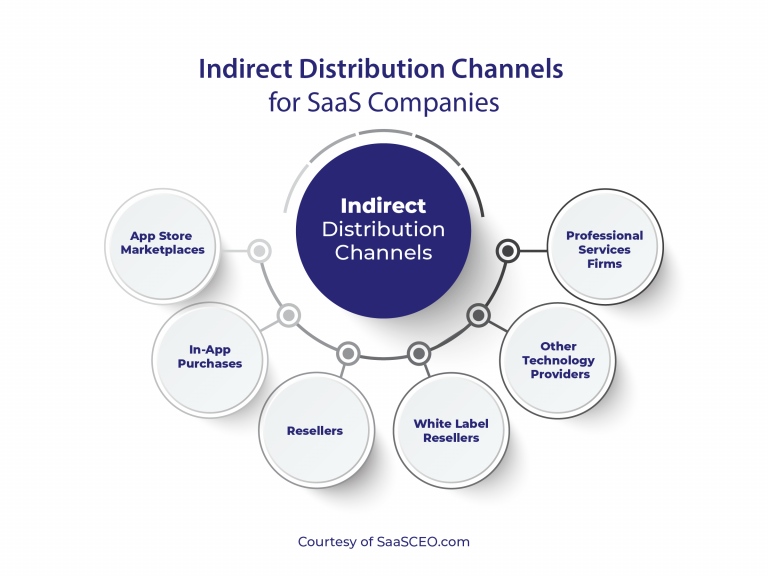
The SaaS channel refers to the network of partners, distributors, and resellers that help deliver Software as a Service (SaaS) solutions to end customers. This channel is crucial for SaaS companies to scale their reach, improve customer acquisition, and enhance service delivery. It includes various stakeholders such as value-added resellers (VARs), managed service providers (MSPs), and system integrators (SIs) who work together to market, sell, and support SaaS products.
Key Components of the SaaS Channel
The SaaS channel is built on several key components that ensure its effectiveness:
- Partners and Resellers: These entities help SaaS companies expand their market presence by selling and promoting their products to a broader audience.
- Distribution Networks: These networks facilitate the delivery of SaaS solutions to customers, often through cloud marketplaces or direct integrations.
- Support and Training: Channel partners often provide technical support and training to customers, ensuring smooth adoption and usage of SaaS products.
Benefits of the SaaS Channel
Utilizing the SaaS channel offers numerous advantages for both providers and customers:
- Scalability: SaaS companies can scale their operations more efficiently by leveraging the resources and expertise of channel partners.
- Market Reach: Channel partners help SaaS providers access new markets and customer segments that may be difficult to reach independently.
- Customer Satisfaction: With localized support and tailored solutions, customers often experience higher satisfaction levels.
Challenges in the SaaS Channel
While the SaaS channel offers many benefits, it also comes with its own set of challenges:
- Partner Alignment: Ensuring that channel partners align with the SaaS provider's goals and values can be difficult.
- Revenue Sharing: Managing revenue-sharing agreements and ensuring fair compensation for all parties can be complex.
- Quality Control: Maintaining consistent service quality across different partners and regions requires robust oversight.
How to Build a Successful SaaS Channel
Building a successful SaaS channel requires strategic planning and execution:
- Identify the Right Partners: Choose partners who have a strong market presence and align with your business objectives.
- Provide Comprehensive Training: Equip your partners with the knowledge and tools they need to effectively sell and support your SaaS product.
- Establish Clear Communication: Maintain open and transparent communication channels to ensure alignment and address any issues promptly.
What is the SaaS marketing?
What is SaaS Marketing?
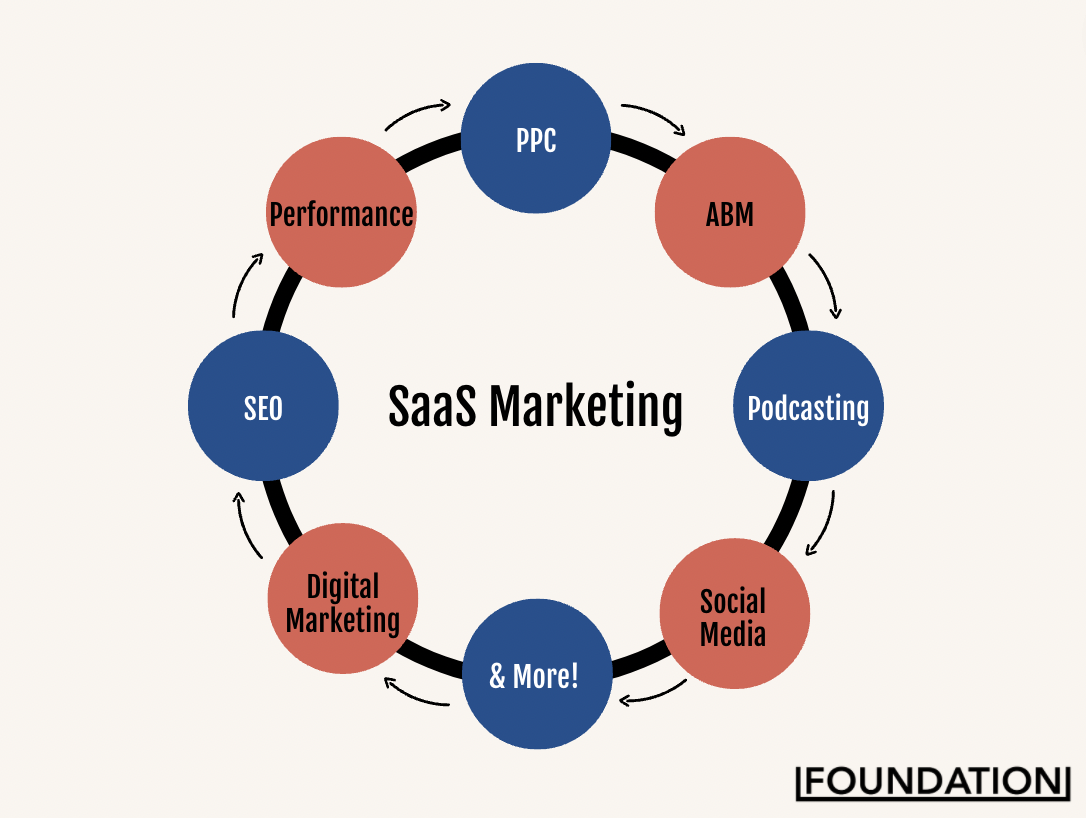
SaaS marketing refers to the strategies and tactics used to promote and sell Software as a Service (SaaS) products. Unlike traditional software, SaaS products are cloud-based and typically offered on a subscription model. SaaS marketing focuses on attracting, engaging, and retaining customers by highlighting the unique value propositions of the software, such as scalability, cost-effectiveness, and ease of use. It involves a combination of digital marketing techniques, including content marketing, email campaigns, SEO, and paid advertising, tailored to the SaaS business model.
Key Components of SaaS Marketing
Effective SaaS marketing relies on several key components to drive growth and customer retention. These include:
- Customer Acquisition: Strategies like paid ads, SEO, and content marketing to attract potential users.
- Onboarding: Helping new users understand and adopt the software through tutorials, demos, and support.
- Retention: Ensuring customers continue using the product through regular updates, customer support, and engagement.
- Upselling and Cross-Selling: Encouraging existing customers to upgrade or purchase additional features.
- Analytics: Using data to measure performance and optimize marketing efforts.
Why SaaS Marketing is Unique
SaaS marketing differs from traditional marketing due to the nature of the product and its business model. Key reasons include:
- Subscription-Based Model: Focuses on long-term customer relationships rather than one-time sales.
- High Competition: Requires differentiation through unique features, pricing, or customer experience.
- Rapid Product Updates: Marketing must adapt quickly to new features and improvements.
- Customer Lifetime Value (CLV): Emphasizes retaining customers to maximize revenue over time.
- Freemium Models: Often relies on free trials or freemium versions to attract users.
Challenges in SaaS Marketing
SaaS marketing comes with its own set of challenges, including:
- High Customer Churn: Retaining customers can be difficult due to competition and changing needs.
- Complex Sales Cycles: Longer decision-making processes, especially for enterprise-level SaaS products.
- Educating the Market: Many SaaS products require users to understand new concepts or workflows.
- Scaling Efforts: Balancing marketing efforts as the business grows and targets new markets.
- Measuring ROI: Tracking the effectiveness of marketing campaigns can be complex due to the subscription model.
Best Practices for SaaS Marketing
To succeed in SaaS marketing, businesses should follow these best practices:
- Focus on Customer Success: Ensure customers achieve their goals with your product to reduce churn.
- Leverage Content Marketing: Create valuable content like blogs, whitepapers, and webinars to educate and engage users.
- Optimize for SEO: Rank higher in search results to attract organic traffic.
- Use Data-Driven Strategies: Analyze customer behavior to refine marketing efforts.
- Implement Automation: Use tools like email automation and CRM systems to streamline processes.
What are the marketing channels for software?

1. Digital Advertising
Digital advertising is one of the most effective marketing channels for software. It allows businesses to target specific audiences through platforms like Google Ads, Facebook Ads, and LinkedIn Ads. This method is particularly useful for reaching potential customers who are actively searching for software solutions.
- Google Ads: Utilize search and display ads to target users based on keywords and interests.
- Social Media Ads: Leverage platforms like Facebook, Instagram, and LinkedIn to reach a broader audience.
- Retargeting: Use retargeting campaigns to re-engage users who have previously visited your website.
2. Content Marketing
Content marketing involves creating valuable content to attract and engage a target audience. This can include blog posts, whitepapers, eBooks, and case studies that highlight the benefits and features of your software.
- Blog Posts: Regularly publish articles that address common pain points and provide solutions.
- Whitepapers: Offer in-depth analysis and insights on industry trends and software capabilities.
- Case Studies: Showcase successful implementations of your software to build credibility.
3. Email Marketing
Email marketing remains a powerful tool for nurturing leads and maintaining customer relationships. By sending personalized and targeted emails, you can keep your audience informed about updates, promotions, and new features.
- Newsletters: Send regular updates about your software and industry news.
- Drip Campaigns: Automate a series of emails to guide leads through the sales funnel.
- Promotional Emails: Announce discounts, special offers, and new product launches.
Social media platforms provide an excellent opportunity to engage with your audience, share content, and promote your software. Platforms like Twitter, LinkedIn, and Facebook are particularly effective for B2B software marketing.
- Organic Posts: Share updates, tips, and industry news to engage your followers.
- Paid Campaigns: Run targeted ads to reach a larger audience and drive traffic to your website.
- Community Engagement: Participate in groups and forums to build relationships and establish authority.
5. Search Engine Optimization (SEO)
SEO is crucial for ensuring that your software website ranks high in search engine results. By optimizing your website for relevant keywords, you can attract organic traffic and generate leads.
- Keyword Research: Identify and target keywords that potential customers are searching for.
- On-Page Optimization: Optimize meta tags, headers, and content to improve search rankings.
- Link Building: Acquire backlinks from reputable websites to boost your site's authority.
What are the four P's of marketing in SaaS?
What are the Four P's of Marketing in SaaS?
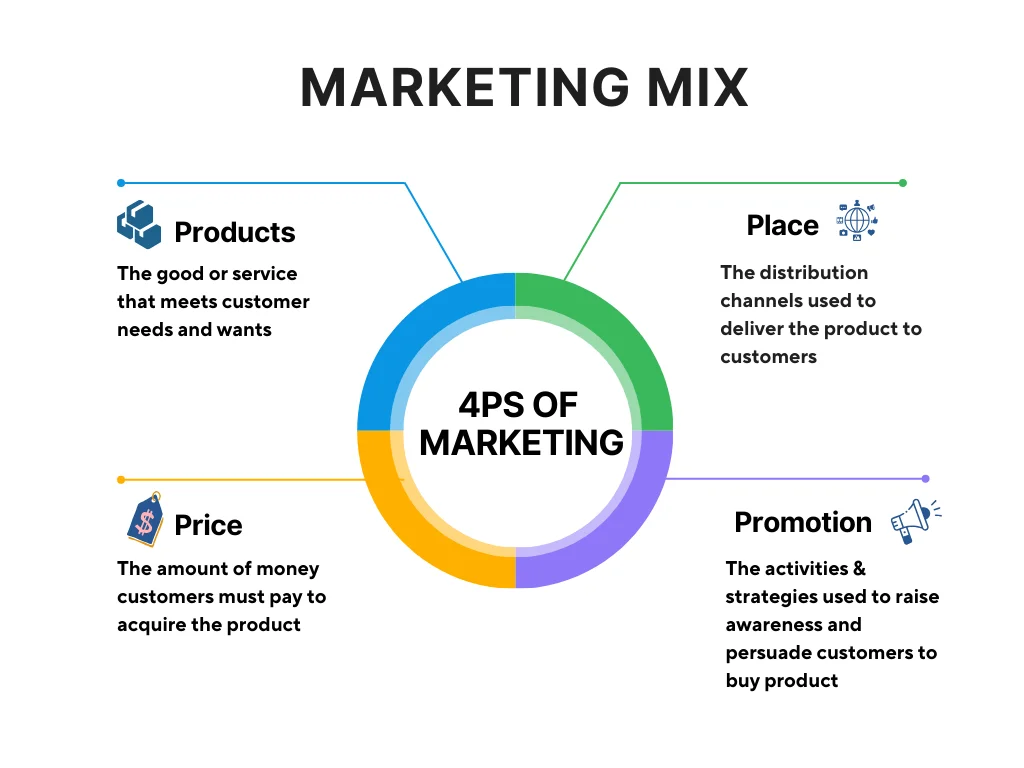
The Four P's of Marketing—Product, Price, Place, and Promotion—are foundational elements in traditional marketing. In the context of SaaS (Software as a Service), these principles are adapted to fit the unique nature of digital products and subscription-based models. The Four P's help SaaS companies create effective strategies to attract and retain customers while maximizing revenue.
1. Product in SaaS Marketing
In SaaS, the product refers to the software solution offered to customers. Unlike physical products, SaaS products are intangible and often delivered via the cloud. Key considerations include:
- Features and Functionality: Ensure the software solves specific customer pain points and offers unique value.
- User Experience (UX): A seamless and intuitive interface is critical for customer satisfaction.
- Scalability: The product should grow with the customer’s needs, offering flexibility and adaptability.
2. Price in SaaS Marketing
Pricing in SaaS is often subscription-based, which requires a strategic approach to attract and retain customers. Key factors include:
- Tiered Pricing Models: Offer multiple pricing tiers to cater to different customer segments.
- Value-Based Pricing: Align pricing with the perceived value of the software to the customer.
- Free Trials and Freemium Models: Use these strategies to lower the barrier to entry and encourage adoption.
3. Place in SaaS Marketing
In SaaS, place refers to the distribution channels and platforms used to deliver the software. Key aspects include:
- Cloud-Based Delivery: Ensure the software is accessible via the internet, allowing global reach.
- Integration with Marketplaces: List the product on platforms like AWS Marketplace or Salesforce AppExchange to increase visibility.
- Direct Sales and Partnerships: Leverage direct sales teams and partnerships to reach target audiences effectively.
4. Promotion in SaaS Marketing
Promotion in SaaS involves strategies to communicate the value of the product to potential customers. Key tactics include:
- Content Marketing: Use blogs, whitepapers, and case studies to educate and engage prospects.
- Digital Advertising: Leverage paid ads on platforms like Google Ads and LinkedIn to target specific audiences.
- Referral Programs: Encourage existing customers to refer new users through incentives.
5. Adapting the Four P's for SaaS Success
To succeed in SaaS, companies must adapt the traditional Four P's to the digital landscape. Key considerations include:
- Customer-Centric Approach: Focus on solving customer problems and delivering value at every stage.
- Data-Driven Decisions: Use analytics to refine product offerings, pricing, and promotional strategies.
- Continuous Improvement: Regularly update the product and marketing strategies based on customer feedback and market trends.
Frequently Asked Questions (FAQ)
What are SaaS marketing channels?
SaaS marketing channels refer to the various platforms and strategies used by Software as a Service (SaaS) companies to promote their products and services. These channels are essential for reaching potential customers, building brand awareness, and driving conversions. Common examples include content marketing, email marketing, social media, paid advertising, and search engine optimization (SEO). Each channel serves a unique purpose and can be tailored to target specific audiences or stages of the customer journey.
Why are SaaS marketing channels important?
SaaS marketing channels are crucial because they help businesses connect with their target audience in a competitive digital landscape. Unlike traditional products, SaaS solutions often require ongoing engagement and education to demonstrate their value. By leveraging the right mix of channels, companies can effectively communicate their unique selling propositions (USPs), nurture leads, and retain customers. Additionally, these channels provide measurable data, enabling businesses to optimize their strategies for better results.
How do SaaS companies choose the right marketing channels?
Choosing the right SaaS marketing channels depends on several factors, including the target audience, product complexity, and business goals. Companies often start by analyzing their customer personas to understand where their audience spends time online. For example, LinkedIn might be ideal for B2B SaaS companies targeting professionals, while Instagram could work better for B2C solutions. Additionally, businesses should consider their budget, resources, and the stage of their product lifecycle. Testing and analyzing performance metrics are key to refining the channel mix over time.
What are the most effective SaaS marketing channels?
The most effective SaaS marketing channels vary depending on the business and its goals, but some consistently perform well across the industry. Content marketing, such as blogs, eBooks, and webinars, is highly effective for educating potential customers and building trust. Email marketing remains a powerful tool for nurturing leads and retaining customers. Paid advertising, including Google Ads and social media ads, can drive quick results, while SEO ensures long-term organic visibility. Additionally, referral programs and partnerships can amplify reach and credibility.
Deja una respuesta
Entradas Relacionadas