
What are the key metrics to measure the success of a B2B SaaS product?


Measuring the success of a B2B SaaS product requires a clear understanding of key performance indicators (KPIs) that reflect both customer satisfaction and business growth. Unlike traditional business models, SaaS success hinges on recurring revenue, customer retention, and long-term engagement. Metrics such as Monthly Recurring Revenue (MRR), Customer Acquisition Cost (CAC), and churn rate provide insights into financial health and scalability. Additionally, tracking user engagement, Net Promoter Score (NPS), and Customer Lifetime Value (CLTV) helps gauge product adoption and customer loyalty. By analyzing these metrics, businesses can identify strengths, address weaknesses, and optimize strategies to ensure sustainable growth in a competitive SaaS landscape.
What are the key metrics to measure the success of a B2B SaaS product?
Measuring the success of a B2B SaaS product requires tracking specific metrics that reflect customer satisfaction, revenue growth, and product adoption. These metrics help businesses understand how well their product is performing and identify areas for improvement. Below, we explore the most important metrics and their significance.
1. Monthly Recurring Revenue (MRR)
Monthly Recurring Revenue (MRR) is a critical metric for B2B SaaS companies as it represents the predictable revenue generated from subscriptions each month. It helps businesses forecast future revenue and assess growth trends. MRR is calculated by multiplying the number of active subscribers by the average revenue per user (ARPU).
| Component | Description |
|---|---|
| New MRR | Revenue from new customers. |
| Expansion MRR | Revenue from existing customers upgrading their plans. |
| Churned MRR | Revenue lost due to cancellations or downgrades. |
2. Customer Acquisition Cost (CAC)
Customer Acquisition Cost (CAC) measures the total cost of acquiring a new customer, including marketing and sales expenses. A low CAC indicates efficient customer acquisition strategies, while a high CAC may suggest the need for optimization. CAC is calculated by dividing total acquisition costs by the number of new customers acquired.
| Element | Impact |
|---|---|
| Marketing Spend | Costs associated with campaigns and ads. |
| Sales Team Costs | Salaries, commissions, and tools for the sales team. |
3. Customer Lifetime Value (CLTV)
Customer Lifetime Value (CLTV) estimates the total revenue a business can expect from a single customer over their lifetime. A high CLTV indicates strong customer retention and profitability. CLTV is calculated by multiplying the average revenue per user (ARPU) by the average customer lifespan.
| Factor | Description |
|---|---|
| ARPU | Average revenue generated per user. |
| Customer Lifespan | Average duration a customer stays subscribed. |
4. Churn Rate
Churn Rate measures the percentage of customers who cancel their subscriptions within a given period. A high churn rate can indicate dissatisfaction with the product or service. Reducing churn is essential for maintaining revenue and growth. Churn Rate is calculated by dividing the number of lost customers by the total number of customers at the start of the period.
| Type | Impact |
|---|---|
| Customer Churn | Loss of customers over time. |
| Revenue Churn | Loss of revenue due to cancellations or downgrades. |
5. Net Promoter Score (NPS)
Net Promoter Score (NPS) gauges customer satisfaction and loyalty by asking customers how likely they are to recommend the product to others. A high NPS indicates strong customer advocacy, while a low score may highlight areas for improvement. NPS is calculated by subtracting the percentage of detractors from the percentage of promoters.
| Category | Description |
|---|---|
| Promoters | Customers who rate the product 9 or 10. |
| Detractors | Customers who rate the product 0 to 6. |
How do you measure success of a SaaS product?
Customer Retention Rate
The customer retention rate is a critical metric for measuring the success of a SaaS product. It indicates how well the product retains its customers over time. A high retention rate suggests that users find value in the product, while a low rate may indicate dissatisfaction or lack of engagement. To calculate this rate:
- Determine the number of customers at the start of a period.
- Subtract the number of new customers acquired during that period.
- Divide the remaining number by the original number of customers and multiply by 100.
Monthly Recurring Revenue (MRR)
Monthly Recurring Revenue (MRR) is a key financial metric that reflects the predictable revenue generated by a SaaS product each month. It helps in understanding the financial health and growth trajectory of the business. To calculate MRR:
- Multiply the number of active subscribers by the average revenue per user (ARPU).
- Include any additional revenue from upgrades or add-ons.
- Exclude one-time fees or non-recurring charges.
Customer Lifetime Value (CLV)
Customer Lifetime Value (CLV) measures the total revenue a business can expect from a single customer account throughout their relationship. It helps in understanding the long-term value of customers and informs marketing and sales strategies. To calculate CLV:
- Determine the average purchase value and multiply it by the purchase frequency.
- Multiply the result by the average customer lifespan.
- Subtract the customer acquisition cost (CAC) to get the net CLV.
Churn Rate
The churn rate is the percentage of customers who stop using the SaaS product over a specific period. A high churn rate can be a red flag, indicating issues with the product or customer satisfaction. To calculate churn rate:
- Determine the number of customers lost during a period.
- Divide that number by the total number of customers at the start of the period.
- Multiply by 100 to get the churn rate percentage.
Net Promoter Score (NPS)
The Net Promoter Score (NPS) is a measure of customer satisfaction and loyalty. It helps in understanding how likely customers are to recommend the SaaS product to others. To calculate NPS:
- Ask customers how likely they are to recommend the product on a scale of 0 to 10.
- Classify respondents as Promoters (9-10), Passives (7-8), or Detractors (0-6).
- Subtract the percentage of Detractors from the percentage of Promoters to get the NPS.
What is B2B KPIs?
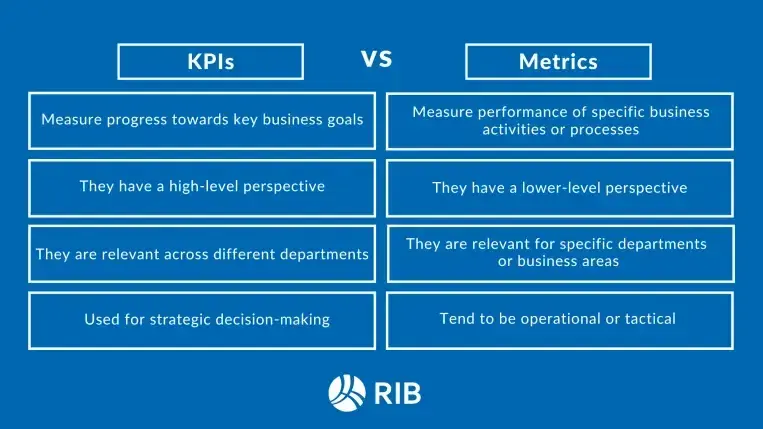
What Are B2B KPIs?
B2B KPIs (Key Performance Indicators) are measurable values used by businesses to evaluate their performance in achieving specific objectives within the B2B (business-to-business) sector. These indicators help organizations track progress, identify areas for improvement, and make data-driven decisions to optimize their operations and strategies.
Why Are B2B KPIs Important?
B2B KPIs are crucial for businesses because they provide actionable insights into performance and help align efforts with organizational goals. Here are some reasons why they are important:
- Measure Success: They help quantify the success of business strategies and campaigns.
- Identify Weaknesses: They highlight areas that need improvement or adjustment.
- Enhance Decision-Making: They provide data-driven insights to support strategic decisions.
- Improve Accountability: They hold teams accountable for their performance and results.
- Optimize Resources: They ensure resources are allocated efficiently to achieve the best outcomes.
Common Types of B2B KPIs
There are several types of B2B KPIs that businesses use to monitor different aspects of their operations. Some of the most common include:
- Sales Growth: Measures the increase in revenue over a specific period.
- Customer Acquisition Cost (CAC): Tracks the cost of acquiring a new customer.
- Customer Lifetime Value (CLV): Estimates the total revenue a business can expect from a single customer.
- Lead Conversion Rate: Measures the percentage of leads that convert into paying customers.
- Net Promoter Score (NPS): Gauges customer satisfaction and loyalty.
How to Choose the Right B2B KPIs
Selecting the right B2B KPIs depends on the specific goals and objectives of the business. Here’s how to choose the most relevant KPIs:
- Align with Business Goals: Ensure the KPIs reflect the company’s strategic priorities.
- Focus on Measurability: Choose KPIs that can be quantified and tracked consistently.
- Consider Industry Standards: Use KPIs that are commonly used in your industry for benchmarking.
- Prioritize Actionability: Select KPIs that provide insights you can act upon.
- Balance Leading and Lagging Indicators: Use a mix of predictive and outcome-based KPIs.
Best Practices for Tracking B2B KPIs
To effectively track and utilize B2B KPIs, businesses should follow these best practices:
- Set Clear Objectives: Define what you want to achieve with each KPI.
- Use Reliable Tools: Implement software or platforms that provide accurate data.
- Regularly Review Data: Analyze KPI data frequently to identify trends and make adjustments.
- Communicate Results: Share KPI performance with relevant stakeholders to ensure alignment.
- Adjust Strategies: Use KPI insights to refine and improve business strategies.
How do you scale a B2B SaaS?

1. Focus on Product-Market Fit
Scaling a B2B SaaS begins with ensuring your product meets the needs of your target market. This involves:
- Understanding customer pain points and tailoring your solution to address them effectively.
- Continuously gathering customer feedback to refine and improve your product.
- Ensuring your product is scalable and can handle increased demand without compromising performance.
2. Build a Scalable Infrastructure
A robust infrastructure is critical for scaling a B2B SaaS. Key steps include:
- Investing in cloud-based solutions to ensure flexibility and scalability.
- Implementing automation tools to streamline operations and reduce manual effort.
- Ensuring your system is secure and compliant with industry standards to build trust with clients.
3. Develop a Strong Sales and Marketing Strategy
To scale effectively, you need a well-defined sales and marketing approach. Consider the following:
- Leveraging account-based marketing (ABM) to target high-value clients.
- Creating content marketing strategies that establish your brand as an industry thought leader.
- Utilizing data-driven insights to optimize your sales funnel and improve conversion rates.
4. Expand Your Customer Success Team
Customer success is vital for retaining clients and driving growth. Focus on:
- Hiring and training dedicated customer success managers to build strong relationships with clients.
- Implementing onboarding programs to ensure customers derive maximum value from your product.
- Using analytics tools to monitor customer usage and proactively address potential issues.
5. Optimize Pricing and Packaging
Your pricing strategy can significantly impact scalability. Key considerations include:
- Offering tiered pricing plans to cater to different customer segments.
- Incorporating usage-based pricing to align costs with customer value.
- Regularly reviewing and adjusting your pricing strategy based on market trends and customer feedback.
What is a KPI in SaaS?
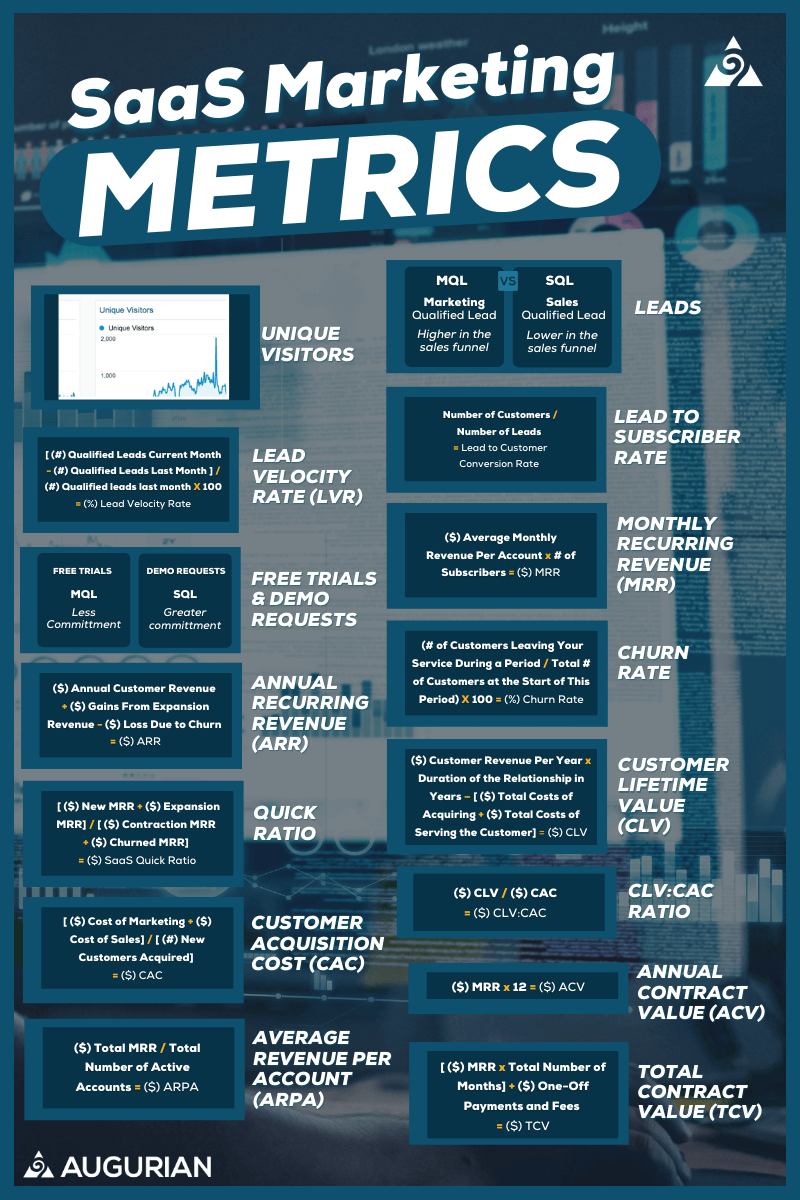
A KPI (Key Performance Indicator) in SaaS (Software as a Service) is a measurable value that demonstrates how effectively a company is achieving its key business objectives. These indicators are crucial for tracking performance, making data-driven decisions, and ensuring the growth and sustainability of the business. KPIs in SaaS often focus on metrics related to customer acquisition, retention, revenue, and product usage.
Why Are KPIs Important in SaaS?
- Performance Tracking: KPIs help SaaS companies monitor their progress toward specific goals, such as increasing monthly recurring revenue (MRR) or reducing churn rates.
- Decision-Making: By analyzing KPI data, businesses can identify trends, allocate resources effectively, and make informed strategic decisions.
- Accountability: KPIs provide a clear framework for teams to understand their responsibilities and measure their contributions to the company’s success.
Common SaaS KPIs to Monitor
- Monthly Recurring Revenue (MRR): A critical metric that tracks the predictable revenue generated from subscriptions each month.
- Customer Acquisition Cost (CAC): Measures the total cost of acquiring a new customer, including marketing and sales expenses.
- Churn Rate: Indicates the percentage of customers who cancel their subscriptions within a given period, highlighting retention challenges.
How to Choose the Right KPIs for Your SaaS Business
- Align with Business Goals: Select KPIs that directly reflect your company’s objectives, such as increasing user engagement or expanding market share.
- Focus on Actionable Metrics: Choose KPIs that provide insights you can act upon, rather than vanity metrics that look good but offer little value.
- Consider Industry Benchmarks: Compare your KPIs with industry standards to gauge your performance relative to competitors.
Best Practices for Tracking SaaS KPIs
- Use Reliable Tools: Implement analytics platforms like Google Analytics, Mixpanel, or specialized SaaS tools to track KPIs accurately.
- Regularly Review Data: Schedule consistent reviews of KPI data to identify trends and address issues promptly.
- Communicate Across Teams: Ensure all departments understand the KPIs and their importance to foster collaboration and alignment.
Frequently Asked Questions (FAQ)
What are the most important metrics to track for a B2B SaaS product?
When measuring the success of a B2B SaaS product, several key metrics stand out. These include Monthly Recurring Revenue (MRR), which provides insight into predictable revenue streams, and Customer Acquisition Cost (CAC), which helps determine the cost-effectiveness of acquiring new customers. Additionally, tracking Customer Lifetime Value (CLTV) is crucial to understanding the long-term value of your customers. Other important metrics include churn rate, which measures customer retention, and Net Promoter Score (NPS), which gauges customer satisfaction and loyalty.
How does MRR impact the success of a B2B SaaS product?
Monthly Recurring Revenue (MRR) is one of the most critical metrics for B2B SaaS companies because it reflects the predictable and stable income generated from subscriptions. A growing MRR indicates that the product is gaining traction and retaining customers, while a declining MRR may signal issues with customer retention or pricing strategies. By analyzing MRR trends, businesses can make informed decisions about scaling, marketing, and product development to ensure sustained growth.
Why is churn rate a vital metric for B2B SaaS success?
The churn rate measures the percentage of customers who cancel their subscriptions within a given period. A high churn rate can be detrimental to a B2B SaaS product, as it indicates dissatisfaction or a lack of perceived value among customers. Reducing churn is essential for maintaining a healthy Customer Lifetime Value (CLTV) and ensuring long-term profitability. Companies should focus on improving customer support, enhancing product features, and addressing pain points to minimize churn and foster loyalty.
How does CAC influence the profitability of a B2B SaaS product?
Customer Acquisition Cost (CAC) is a critical metric that measures the total cost of acquiring a new customer, including marketing and sales expenses. A high CAC can erode profitability, especially if the Customer Lifetime Value (CLTV) does not sufficiently outweigh the acquisition costs. To optimize profitability, businesses should aim to reduce CAC through efficient marketing strategies, targeted campaigns, and streamlined sales processes while ensuring that the value delivered to customers justifies the investment.
Deja una respuesta
Entradas Relacionadas