
API Gravity Calculator

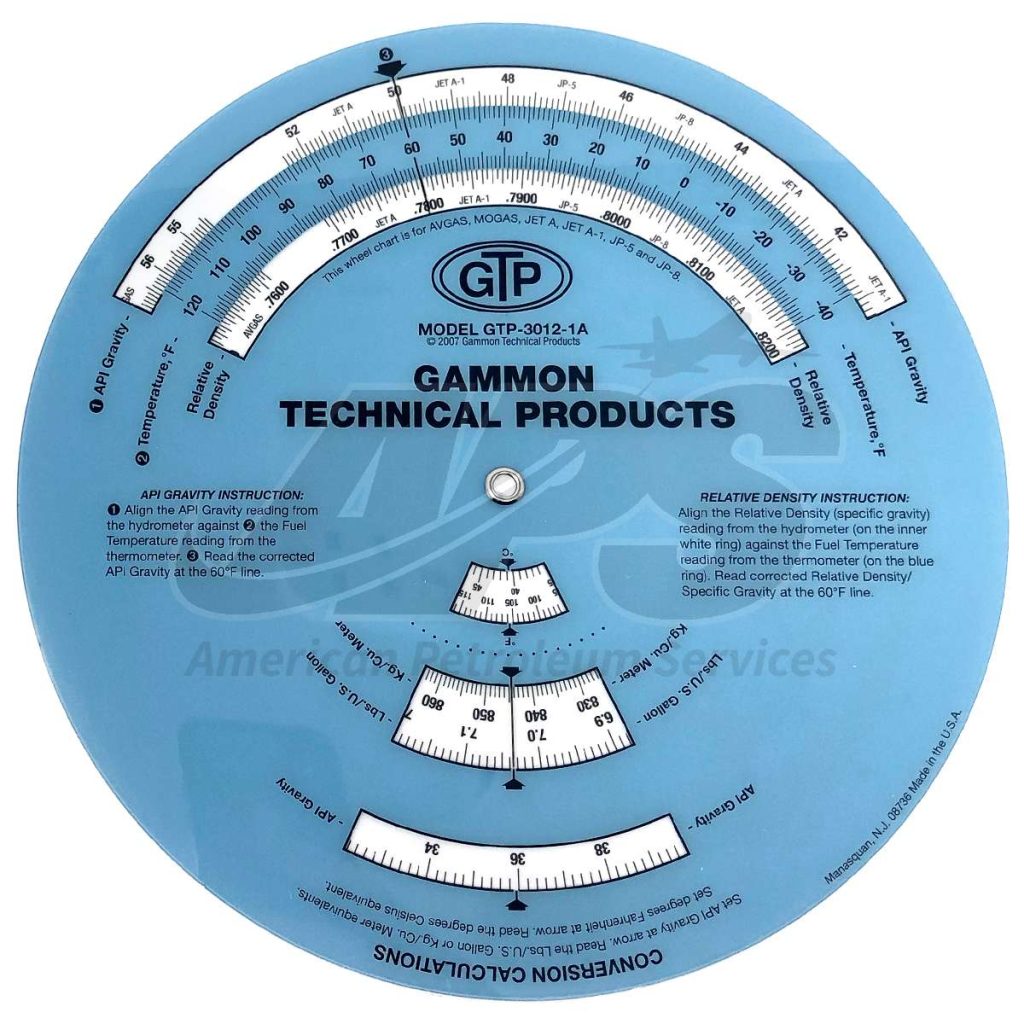
The API Gravity Calculator is a valuable tool for determining the density of crude oil and other petroleum products. API gravity is a measure of how heavy or light a petroleum product is compared to water, with higher values indicating lower densities. This calculator is essential for various industries, including oil and gas, refining, and transportation. By inputting the specific gravity or density of a substance, users can calculate its API gravity, making it easier to classify and handle petroleum products efficiently and safely. Accurate calculations are crucial in these industries.
- Understanding the API Gravity Calculator
- How do you calculate API gravity?
- What is the API gravity at 60?
- What is 141.5 and 131.5 in API gravity formula calculator?
- What is the highest API gravity?
-
Frequently Asked Questions (FAQs)
- What is API Gravity and how does the API Gravity Calculator work?
- How do I use the API Gravity Calculator to determine the API gravity of a fluid?
- What are the applications of the API Gravity Calculator in the petroleum industry?
- What are the advantages of using the API Gravity Calculator over other methods of determining API gravity?
Understanding the API Gravity Calculator
The API Gravity Calculator is a tool used to calculate the density of a liquid based on its API gravity. API gravity is a measure of the density of a liquid compared to the density of water. It is an important parameter in the petroleum industry, as it is used to determine the quality and properties of crude oil and other petroleum products.
What is API Gravity?
API gravity is a measure of the density of a liquid, expressed as a dimensionless number. It is defined as the ratio of the density of the liquid to the density of water at a reference temperature. The API gravity scale is used to express the density of a liquid in terms of its API gravity, which is calculated using the following formula: API gravity = (141.5 / specific gravity) - 131.5.
How to Use the API Gravity Calculator
To use the API Gravity Calculator, you need to enter the density of the liquid in units of grams per milliliter (g/mL) or pounds per gallon (lb/gal). The calculator then uses the API gravity formula to calculate the API gravity of the liquid. The result is expressed as a dimensionless number between 0 and 100.
Applications of the API Gravity Calculator
The API Gravity Calculator has several applications in the petroleum industry. It is used to determine the quality and properties of crude oil and other petroleum products, such as gasoline, diesel fuel, and jet fuel. The API gravity of a liquid can also be used to calculate its vapor pressure, viscosity, and other physical properties.
Benefits of Using the API Gravity Calculator
Using the API Gravity Calculator has several benefits. It allows you to quickly and easily calculate the API gravity of a liquid, which can be used to determine its quality and properties. The calculator is also accurate and reliable, eliminating the need for manual calculations. Additionally, the API Gravity Calculator can be used to compare the properties of different liquids, making it a valuable tool for petroleum engineers and chemists.
Limitations of the API Gravity Calculator
While the API Gravity Calculator is a useful tool, it has some limitations. It is only accurate for liquids with a density between 0.5 and 2.0 g/mL, and it does not account for temperature or pressure effects on density. Additionally, the calculator assumes that the liquid is a pure substance, which may not always be the case.
| API Gravity | Density (g/mL) | Specific Gravity |
|---|---|---|
| 10 | 1.0 | 1.0 |
| 20 | 0.9 | 0.9 |
| 30 | 0.8 | 0.8 |
How do you calculate API gravity?

To calculate API gravity, you need to use a hydrometer to measure the density of the liquid. The API gravity is then calculated using the following formula: API gravity = (141.5 / specific gravity) - 131.5. This formula is based on the density of water, which is used as a reference point. The specific gravity is the ratio of the density of the liquid to the density of water.
Understanding API Gravity
API gravity is a measure of the density of a liquid, and it is an important parameter in the petroleum industry. The API gravity is used to determine the quality of crude oil and to calculate the volume of oil in a tank. To calculate API gravity, you need to know the temperature and pressure of the liquid, as well as its density. The following steps are involved in calculating API gravity:
- Measure the density of the liquid using a hydrometer
- Record the temperature and pressure of the liquid
- Use the formula API gravity = (141.5 / specific gravity) - 131.5 to calculate the API gravity
Importance of API Gravity in Petroleum Industry
The API gravity is a critical parameter in the petroleum industry, as it affects the price and quality of crude oil. Crude oil with a higher API gravity is generally considered to be of higher quality and is more valuable. The API gravity is also used to determine the yield of refined products, such as gasoline and diesel fuel. The following are some of the reasons why API gravity is important in the petroleum industry:
- It affects the price of crude oil
- It determines the quality of crude oil
- It is used to calculate the yield of refined products
Limitations of API Gravity
The API gravity has some limitations, as it is not a direct measure of the density of a liquid. The API gravity is based on the density of water, which can vary depending on the temperature and pressure. Additionally, the API gravity may not be accurate for liquids with a very high or low density. The following are some of the limitations of API gravity:
- It is not a direct measure of density
- It is based on the density of water, which can vary
- It may not be accurate for liquids with a very high or low density
Applications of API Gravity
The API gravity has a wide range of applications in the petroleum industry, including crude oil production, refining, and transportation. The API gravity is used to determine the quality and quantity of crude oil, as well as the yield of refined products. The following are some of the applications of API gravity:
- Crude oil production
- Refining and processing
- Transportation and storage
Measuring API Gravity with a Hydrometer
A hydrometer is a device used to measure the density of a liquid, and it is an essential tool for calculating API gravity. The hydrometer consists of a float and a stem, and it is calibrated to read the density of a liquid directly. The following are the steps involved in measuring API gravity with a hydrometer:
- Fill the hydrometer with the liquid to be measured
- Record the temperature and pressure of the liquid
- Read the density of the liquid from the hydrometer
What is the API gravity at 60?
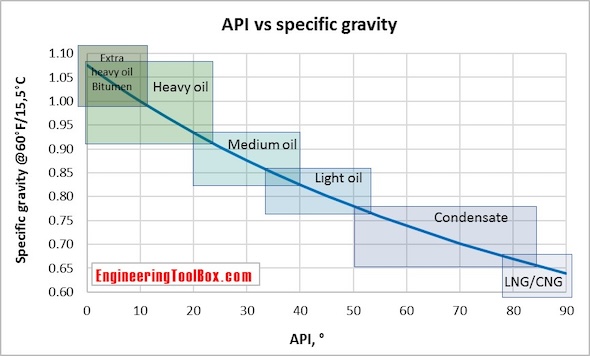
The API gravity at 60 refers to the American Petroleum Institute (API) gravity of a petroleum product at a temperature of 60 degrees Fahrenheit (15.6 degrees Celsius). This measure is used to determine the density of the fluid, which is essential in various petroleum engineering applications. The API gravity is calculated using the following formula: API gravity = (141.5 / specific gravity) - 131.5. The specific gravity is the ratio of the density of the fluid to the density of water at the same temperature.
What is API Gravity?
The API gravity is a measure of the density of a fluid, which is defined as the mass per unit volume. In the context of petroleum products, the API gravity is used to classify the various types of crude oil and refined products. The API gravity is an important parameter in petroleum refining and petroleum trading, as it affects the price and quality of the products. Some of the key factors that affect the API gravity of a petroleum product include:
- The chemical composition of the fluid, which affects its density and viscosity.
- The temperature and pressure conditions under which the fluid is measured.
- The presence of impurities or contaminants, which can affect the density and API gravity of the fluid.
How to Calculate API Gravity?
Calculating the API gravity of a petroleum product involves measuring its specific gravity, which is the ratio of the density of the fluid to the density of water at the same temperature. The API gravity is then calculated using the formula: API gravity = (141.5 / specific gravity) - 131.5. This calculation is straightforward and can be performed using a hydrometer or other density measurement devices. Some of the key considerations when calculating the API gravity include:
- Ensuring that the temperature and pressure conditions are consistent with the standard conditions specified by the API.
- Using a calibrated and accurate hydrometer or other density measurement device.
- Following the standard procedures for measuring the specific gravity and calculating the API gravity.
Importance of API Gravity in Petroleum Industry
The API gravity is a critical parameter in the petroleum industry, as it affects the quality and price of petroleum products. In petroleum refining, the API gravity is used to determine the yield and quality of the various refined products. In petroleum trading, the API gravity is used to classify the different types of crude oil and refined products, which affects their price and demand. Some of the key implications of API gravity in the petroleum industry include:
- Affecting the yield and quality of refined products, such as gasoline, diesel, and jet fuel.
- Influencing the price and demand of crude oil and refined products in the global market.
- Affecting the design and operation of petroleum refining and petroleum processing facilities.
API Gravity and its Relationship with Density
The API gravity is closely related to the density of a petroleum product, as it is calculated using the specific gravity. The density of a fluid is a measure of its mass per unit volume, which is affected by its chemical composition, temperature, and pressure. Understanding the relationship between API gravity and density is essential in various petroleum engineering applications, including petroleum refining and petroleum transportation. Some of the key factors that affect the relationship between API gravity and density include:
- The chemical composition of the fluid, which affects its density and API gravity.
- The temperature and pressure conditions under which the fluid is measured, which affect its density and API gravity.
- The presence of impurities or contaminants, which can affect the density and API gravity of the fluid.
Applications of API Gravity in Petroleum Engineering
The API gravity has various applications in petroleum engineering, including petroleum refining, petroleum transportation, and petroleum trading. In petroleum refining, the API gravity is used to determine the yield and quality of the various refined products. In petroleum transportation, the API gravity is used to determine the volume and weight of the petroleum products being transported. Some of the key applications of API gravity in petroleum engineering include:
- Determining the yield and quality of refined products, such as gasoline, diesel, and jet fuel.
- Calculating the volume and weight of petroleum products being transported.
- Affecting the design and operation of petroleum refining and petroleum processing facilities.
What is 141.5 and 131.5 in API gravity formula calculator?
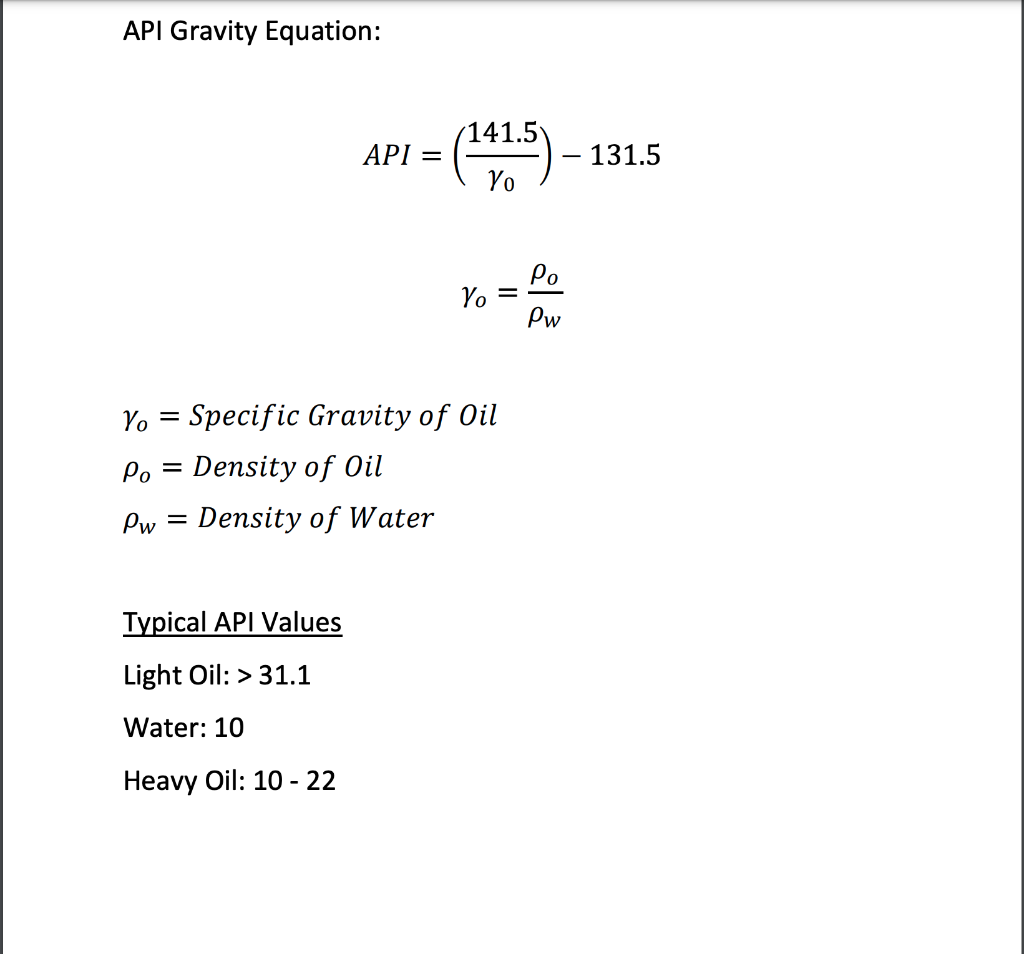
The API gravity formula calculator is used to calculate the API gravity of a crude oil or petroleum product. The formula is: API gravity = (141.5 / specific gravity) - 131.5. The specific gravity is the ratio of the density of the crude oil or petroleum product to the density of water.
Understanding API Gravity
The API gravity is a measure of the density of a crude oil or petroleum product. It is an important parameter in the petroleum industry as it affects the refining, transportation, and storage of crude oil and petroleum products. The API gravity is calculated using the formula: API gravity = (141.5 / specific gravity) - 131.5. The values of 141.5 and 131.5 are constants used in the formula to calculate the API gravity.
- The API gravity is used to determine the density of a crude oil or petroleum product.
- The API gravity is an important parameter in the petroleum industry.
- The API gravity is calculated using the specific gravity and the constants 141.5 and 131.5.
Calculating API Gravity
To calculate the API gravity, you need to know the specific gravity of the crude oil or petroleum product. The specific gravity is the ratio of the density of the crude oil or petroleum product to the density of water. Once you have the specific gravity, you can use the formula: API gravity = (141.5 / specific gravity) - 131.5 to calculate the API gravity.
- Know the specific gravity of the crude oil or petroleum product.
- Use the formula: API gravity = (141.5 / specific gravity) - 131.5.
- Calculate the API gravity using the specific gravity and the constants 141.5 and 131.5.
Importance of API Gravity
The API gravity is an important parameter in the petroleum industry as it affects the refining, transportation, and storage of crude oil and petroleum products. A high API gravity indicates a low density and a low viscosity, while a low API gravity indicates a high density and a high viscosity.
- The API gravity affects the refining of crude oil and petroleum products.
- The API gravity affects the transportation of crude oil and petroleum products.
- The API gravity affects the storage of crude oil and petroleum products.
Applications of API Gravity
The API gravity has several applications in the petroleum industry. It is used to determine the density and viscosity of crude oil and petroleum products, which is important for refining, transportation, and storage. The API gravity is also used to calculate the volume and weight of crude oil and petroleum products.
- The API gravity is used to determine the density and viscosity of crude oil and petroleum products.
- The API gravity is used to calculate the volume and weight of crude oil and petroleum products.
- The API gravity is used in refining, transportation, and storage of crude oil and petroleum products.
Limitations of API Gravity
The API gravity has some limitations. It is not suitable for crude oil and petroleum products with a high water content or a high salt content. The API gravity is also not suitable for crude oil and petroleum products with a high viscosity or a high density.
- The API gravity is not suitable for crude oil and petroleum products with a high water content.
- The API gravity is not suitable for crude oil and petroleum products with a high salt content.
- The API gravity is not suitable for crude oil and petroleum products with a high viscosity or a high density.
What is the highest API gravity?
The highest API gravity is typically found in lighter and more refined crude oils. API gravity is a measure of the density of a crude oil, with higher API gravity indicating a less dense oil. The highest API gravity recorded is around 40°API, which is considered very light and highly valuable. This type of oil is often used to produce high-quality gasoline, jet fuel, and other petroleum products.
What is API Gravity?
API gravity is a measure of the density of a crude oil, which is an important factor in determining its quality and value. The API gravity scale is inversely related to the density of the oil, meaning that higher API gravity values indicate less dense oils. This is significant because less dense oils are generally easier and less expensive to refine into useful products. Some key points about API gravity include:
- Density is the primary factor in determining API gravity
- Higher API gravity values indicate less dense oils
- API gravity is an important factor in determining the quality and value of a crude oil
How is API Gravity Measured?
API gravity is typically measured using a hydrometer, which is a specialized device that measures the density of a liquid. The hydrometer is calibrated to read the API gravity of the oil, and the measurement is usually taken at a standard temperature of 60°F (15°C). The API gravity measurement is then used to determine the quality and value of the crude oil. Some key points about measuring API gravity include:
- Hydrometers are used to measure the density of a crude oil
- Standard temperature is used to ensure consistent measurements
- Calibration is crucial to ensure accurate API gravity measurements
What are the Benefits of High API Gravity?
High API gravity oils have several benefits, including being easier and less expensive to refine into useful products. High API gravity oils are also generally more valuable than lower API gravity oils, making them a more desirable commodity. Additionally, high API gravity oils tend to have lower sulfur and metal content, which can make them easier to process and transport. Some key points about the benefits of high API gravity include:
- Easier and less expensive to refine into useful products
- More valuable than lower API gravity oils
- Lower sulfur and metal content makes them easier to process and transport
What are the Challenges of Low API Gravity?
Low API gravity oils can be more challenging to refine and process due to their higher density and viscosity. Low API gravity oils may also have higher sulfur and metal content, which can make them more difficult to transport and store. Additionally, low API gravity oils may require more energy and resources to refine and process, making them less desirable than higher API gravity oils. Some key points about the challenges of low API gravity include:
- More challenging to refine and process due to higher density and viscosity
- Higher sulfur and metal content makes them more difficult to transport and store
- More energy and resources are required to refine and process low API gravity oils
How Does API Gravity Affect Refining?
API gravity can have a significant impact on the refining process, as higher API gravity oils are generally easier and less expensive to refine into useful products. The refining process involves separating the various components of the crude oil, such as gasoline, jet fuel, and diesel, and higher API gravity oils tend to have a higher yield of these valuable products. Some key points about how API gravity affects refining include:
- Higher API gravity oils are easier and less expensive to refine into useful products
- Refining involves separating the various components of the crude oil
- Higher API gravity oils tend to have a higher yield of valuable products such as gasoline and jet fuel
Frequently Asked Questions (FAQs)
What is API Gravity and how does the API Gravity Calculator work?
The API Gravity Calculator is a tool used to calculate the American Petroleum Institute (API) gravity of a fluid, which is a measure of its density relative to water. The API gravity is defined as the density of the fluid at 60°F (15.6°C) divided by the density of water at the same temperature. The result is then multiplied by 141.5 and subtracted by 131.5 to give the API gravity. The API Gravity Calculator takes into account the temperature and density of the fluid to provide an accurate calculation of the API gravity. This is particularly useful in the petroleum industry, where the API gravity is used to determine the quality and characteristics of crude oil and other petroleum products.
How do I use the API Gravity Calculator to determine the API gravity of a fluid?
To use the API Gravity Calculator, you need to input the density of the fluid at a given temperature. The calculator will then use this information to calculate the API gravity of the fluid. You can input the density in units of grams per cubic centimeter (g/cm³) or pounds per gallon (lb/gal). The calculator will also ask for the temperature at which the density was measured, which can be input in units of degrees Fahrenheit (°F) or degrees Celsius (°C). Once you have input the required information, the calculator will provide the API gravity of the fluid, which can be used to determine its characteristics and behavior. The API Gravity Calculator is a useful tool for petroleum engineers, chemists, and other professionals who need to work with fluids and petroleum products.
What are the applications of the API Gravity Calculator in the petroleum industry?
The API Gravity Calculator has a number of applications in the petroleum industry, where it is used to determine the quality and characteristics of crude oil and other petroleum products. One of the main applications is in the refining process, where the API gravity is used to determine the yield and quality of petroleum products such as gasoline, diesel, and jet fuel. The API Gravity Calculator is also used in drilling and production operations, where it is used to determine the density and characteristics of drilling fluids and reservoir fluids. Additionally, the API Gravity Calculator is used in pipeline and storage operations, where it is used to determine the flow and storage characteristics of petroleum products. The API Gravity Calculator is an essential tool for petroleum engineers, chemists, and other professionals who work in the petroleum industry.
What are the advantages of using the API Gravity Calculator over other methods of determining API gravity?
The API Gravity Calculator has a number of advantages over other methods of determining API gravity. One of the main advantages is its accuracy, as it takes into account the temperature and density of the fluid to provide an accurate calculation of the API gravity. Another advantage is its convenience, as it can be used to calculate the API gravity of a fluid quickly and easily, without the need for laboratory testing or complex calculations. The API Gravity Calculator is also cost-effective, as it eliminates the need for specialized equipment or outside laboratories. Additionally, the API Gravity Calculator is easy to use, as it requires only a basic understanding of physics and chemistry, and can be used by petroleum engineers, chemists, and other professionals who work in the petroleum industry. Overall, the API Gravity Calculator is a valuable tool for anyone who needs to work with fluids and petroleum products.
Deja una respuesta
Entradas Relacionadas